How Does A Bypass Humidifier Work

It's a familiar scenario: you wake up on a dry, scratchy morning during the winter months. You check your thermostat, and the heat is on, but the air feels parched. The likely culprit? A malfunctioning bypass humidifier connected to your furnace. A humidifier is a crucial component for maintaining comfortable humidity levels in your home, especially during dry seasons. When it fails, it can lead to dry skin, irritated sinuses, and even damage to wooden furniture. Before you call a repair technician, let's explore how a bypass humidifier works and some simple troubleshooting steps you can take.
Understanding Bypass Humidifiers
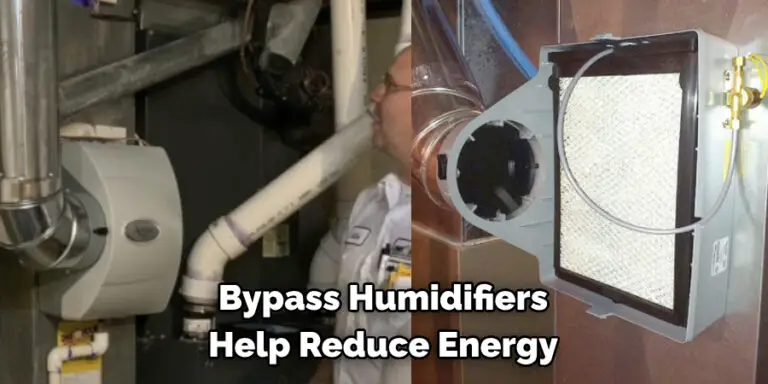
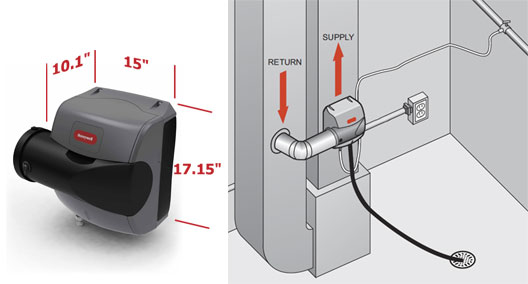
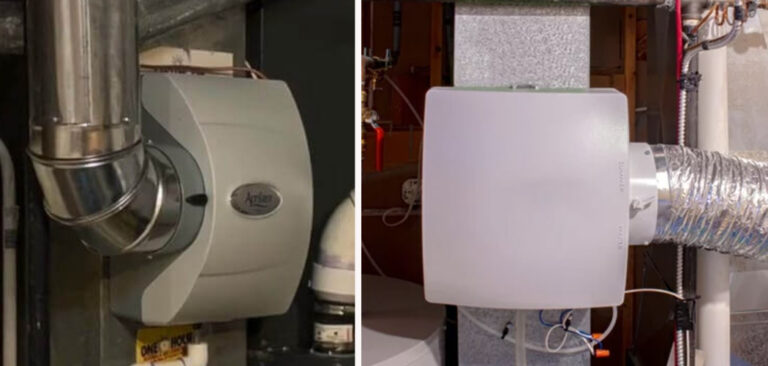
A bypass humidifier is a type of whole-house humidifier that works in conjunction with your furnace. Unlike standalone humidifiers that treat only a small area, a bypass humidifier adds moisture to the air circulating throughout your entire home via the ductwork. Here's a simplified breakdown of how it functions:
- Water Supply: The humidifier is connected to a water line, typically a cold water pipe.
- Solenoid Valve: When the humidifier is activated, a solenoid valve opens, allowing water to flow into the unit.
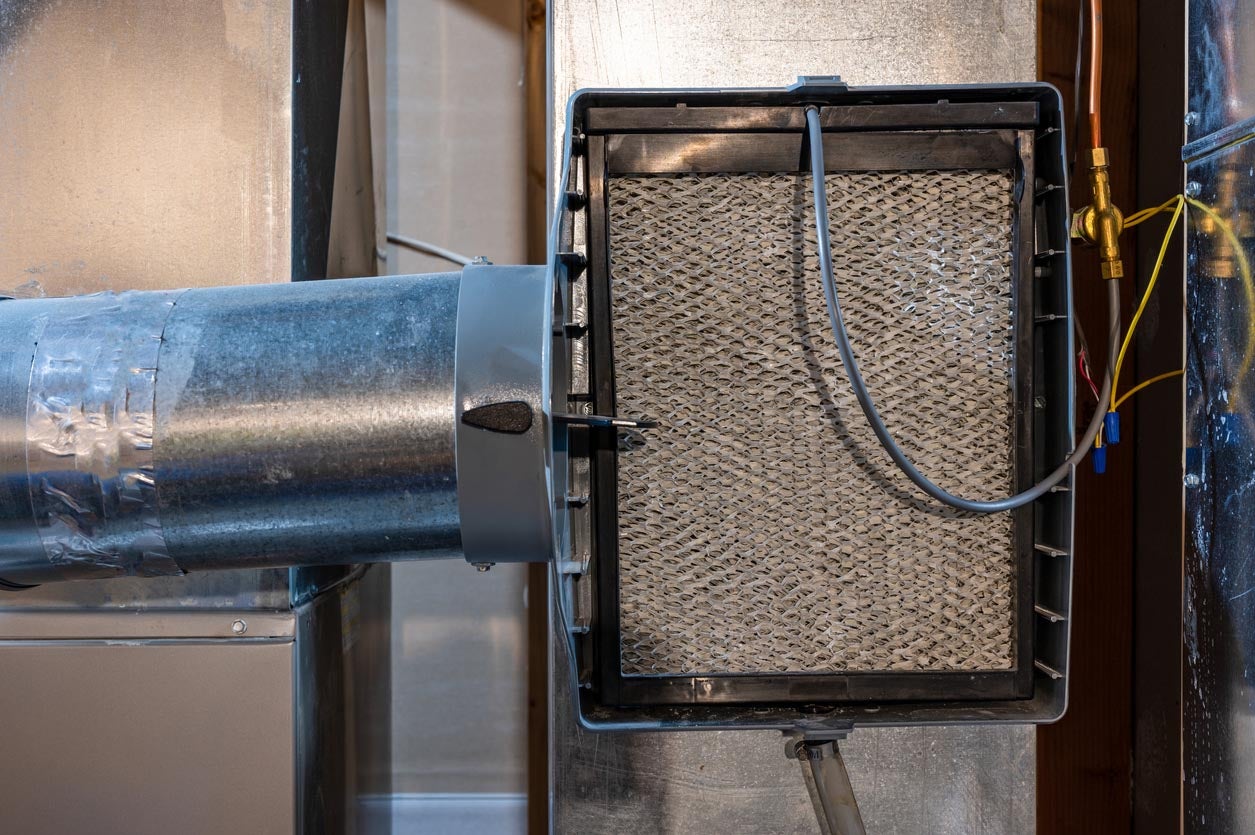
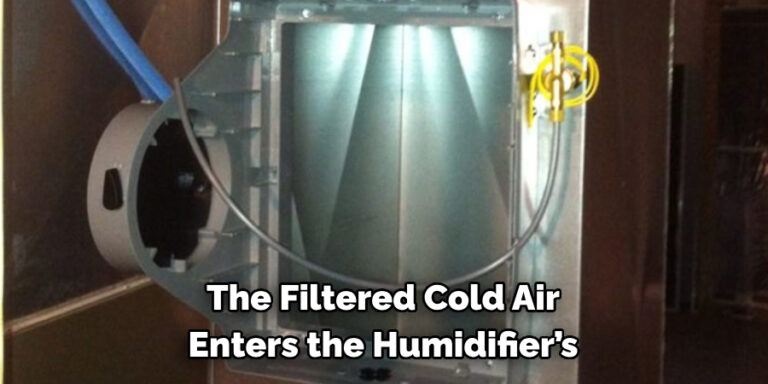
- Water Panel/Evaporator Pad: The water is distributed over an absorbent material, often called a water panel or evaporator pad. This pad is usually made of a porous material designed to maximize surface area.
- Blower Fan/Airflow: The furnace's blower fan forces warm air from the furnace through the moistened evaporator pad. As the air passes through, it picks up moisture.
- Humidified Air Distribution: The now-humidified air is circulated through your home's ductwork.
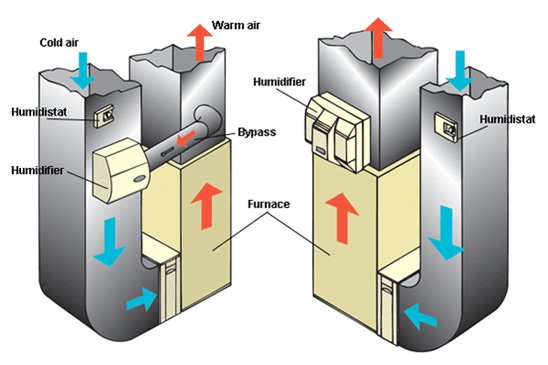
- Bypass Duct: A bypass duct connects the supply and return air ducts. This allows some of the furnace's heated air to be diverted through the humidifier, regardless of whether the furnace is actively heating. A damper in the bypass duct controls the amount of air flowing through the humidifier.
- Drain Line: Excess water that doesn't evaporate is drained away through a drain line.
- Humidistat Control: A humidistat monitors the humidity level in your home. When the humidity falls below the setpoint, the humidistat signals the solenoid valve to open, starting the humidification process. When the desired humidity is reached, the humidistat closes the valve.
Troubleshooting Your Bypass Humidifier: A Step-by-Step Guide
Before you begin, remember to turn off the power to your furnace at the circuit breaker. This is a crucial safety precaution to prevent electrical shock.
Step 1: Initial Checks - Power and Settings
Let's start with the basics. Often, the simplest solutions are the most effective.
- Power to the Furnace: Double-check that the circuit breaker for your furnace is switched on. A tripped breaker can cut power to the entire system, including the humidifier. Reset the breaker if necessary.
- Humidistat Setting: Ensure that the humidistat is set to a reasonable level, higher than the current humidity in your home. If the humidistat is set too low, it won't activate the humidifier. A good starting point is around 35-40%. Note that outdoor temperature influences ideal humidity settings. Refer to your humidistat’s or the manufacturer’s recommendations.
- Water Supply Valve: Verify that the water supply valve to the humidifier is fully open. It's often a small valve located on the water pipe near the humidifier.
- Furnace Operation: Confirm that your furnace is actually running and producing heat. The humidifier relies on warm air from the furnace to evaporate the water. If the furnace isn't running, the humidifier won't work effectively.
Step 2: Visual Inspection
Carefully examine the humidifier for any obvious signs of problems.
- Water Leaks: Check for any leaks around the humidifier, water lines, drain line, or the humidifier housing itself. Leaks can indicate loose connections, damaged hoses, or a corroded humidifier unit. Small leaks might be fixable by tightening fittings, but larger leaks may require professional attention.
- Evaporator Pad Condition: Open the humidifier cover (after turning off the power!) and inspect the evaporator pad. Is it visibly dirty, clogged with mineral deposits, or damaged? A heavily soiled pad can restrict airflow and water absorption, significantly reducing the humidifier's efficiency.
- Drain Line Obstruction: Inspect the drain line for any kinks, clogs, or obstructions. A clogged drain line can cause water to back up into the humidifier, preventing it from working correctly.
- Bypass Damper Position: Locate the damper in the bypass duct. During the heating season, it should be mostly open to allow airflow through the humidifier. In the summer, it should be closed to prevent moisture from entering the ductwork when the air conditioning is running. An incorrectly positioned damper can drastically reduce the humidifier's effectiveness.
Step 3: Basic DIY Repairs
If you've identified any of the following issues, you can attempt these simple repairs.
- Cleaning or Replacing the Evaporator Pad:
- Turn off the water supply to the humidifier.
- Remove the old evaporator pad. Note the orientation for proper reinstallation.
- If the pad is only mildly dirty, you can try soaking it in a solution of vinegar and water to dissolve mineral deposits. Rinse it thoroughly before reinstalling.
- If the pad is heavily soiled or damaged, replace it with a new one. These are readily available at most hardware stores. Be sure to select the correct size and type for your humidifier model.
- Reinstall the cleaned or new evaporator pad, ensuring it's properly seated in the humidifier.
- Clearing a Drain Line Obstruction:
- Disconnect the drain line from the humidifier and the drain point.
- Use a small wire, pipe cleaner, or compressed air to clear any clogs in the drain line.
- Flush the drain line with water to ensure it's clear.
- Reconnect the drain line securely.
- Tightening Loose Connections:
- Carefully tighten any loose water line fittings or hose connections. Use a wrench, but avoid over-tightening, which can damage the fittings.
- If tightening doesn't stop the leak, you may need to replace the fitting or hose.
Step 4: Advanced Troubleshooting (Proceed with Caution!)
The following troubleshooting steps involve working with electrical components. If you are not comfortable working with electricity, do not attempt these steps. Contact a qualified HVAC technician.
- Solenoid Valve Testing:
The solenoid valve controls the flow of water into the humidifier. If it's not functioning correctly, the humidifier won't receive water.
- Turn off the power to the furnace and humidifier.
- Locate the solenoid valve. It's usually a small, cylindrical device attached to the water line near the humidifier.
- Use a multimeter to test the solenoid valve for continuity. If there is no continuity, the solenoid valve is likely faulty and needs to be replaced.
- Replacing the solenoid valve is a relatively straightforward repair, but it requires some basic electrical knowledge. Be sure to disconnect the power and water supply before removing the old valve and installing the new one.
- Humidistat Testing:
The humidistat controls when the humidifier turns on and off. If it's malfunctioning, the humidifier may not operate at all, or it may run constantly.
- Turn off the power to the furnace and humidifier.
- Remove the humidistat from its mounting location.
- Consult the humidistat's manual or a reliable online resource for instructions on testing it with a multimeter.
- If the humidistat is faulty, it will need to be replaced. Make sure to purchase a compatible replacement.
Step 5: When to Call a Professional
While many bypass humidifier problems can be resolved with simple DIY repairs, some issues require the expertise of a qualified HVAC technician. It's time to call a professional if:
- You are not comfortable working with electricity, gas, or water lines.
- You suspect a problem with the furnace itself, such as a faulty blower fan or a malfunctioning heating element.
- You encounter any gas leaks. Immediately evacuate your home and call your gas company or the fire department.
- You are unable to diagnose the problem after following these troubleshooting steps.
- The humidifier is still not working correctly after you've replaced the evaporator pad, cleaned the drain line, and tightened the connections.
- The humidifier is leaking extensively, and you can't identify the source of the leak.
- You need to work on the furnace's gas line in any way.
Preventive Maintenance
To keep your bypass humidifier running smoothly and avoid future problems, perform regular maintenance:
- Replace the evaporator pad at least once a year, or more often if it becomes heavily soiled.
- Clean the humidifier regularly to remove mineral deposits and prevent mold growth. Follow the manufacturer's instructions for cleaning.
- Inspect the drain line periodically to ensure it's clear of obstructions.
- Adjust the humidistat setting according to the outdoor temperature to prevent condensation on windows and walls.
- Consider a professional inspection and cleaning of your entire HVAC system, including the humidifier, at least once a year.
By understanding how your bypass humidifier works and following these troubleshooting steps, you can often resolve minor problems yourself, saving time and money. Remember to always prioritize safety and call a professional when necessary. A well-maintained humidifier contributes to a comfortable and healthy home environment throughout the dry winter months.