How Does A Carbon Monoxide Alarm Work
Carbon monoxide (CO) is a silent killer. It's an odorless, colorless gas that can quickly incapacitate and even kill if inhaled. While often associated with faulty furnaces, CO can be produced by any fuel-burning appliance, including water heaters, gas stoves, fireplaces, and even portable generators. Installing and maintaining a carbon monoxide alarm is not just a safety measure; it's a crucial investment in your family's and employees' well-being. Understanding how these alarms work can help you make informed decisions about protecting your home or business, and potentially even contribute to energy efficiency by identifying malfunctioning appliances.
The Science Behind the Sensor: How CO Alarms Detect Danger
The core of any CO alarm is its sensor. Several types of sensor technologies are used in CO alarms, each with its own strengths and weaknesses. Understanding these differences is key to choosing the right alarm for your needs.
Biomimetic Sensors: Mimicking Life
Biomimetic sensors, also known as gel-cell sensors, use a gel that changes color in the presence of carbon monoxide. This change in color alters an electrical current, triggering the alarm. These sensors are known for their relatively low cost and long lifespan, typically around 5-7 years.
Think of it like this: the gel mimics the way your blood reacts to CO. Just as CO binds to hemoglobin in your blood, preventing it from carrying oxygen, the gel changes in response to CO exposure. This simple yet effective technology provides a reliable warning.
Metal Oxide Semiconductor Sensors: A Technological Approach
Metal oxide semiconductor (MOS) sensors use a thin film of metal oxide, such as tin oxide, that changes its electrical resistance when exposed to CO. The change in resistance is then detected by the alarm's circuitry, triggering the alert.
MOS sensors are generally more sensitive to low levels of CO than biomimetic sensors, and they can respond faster to sudden increases in CO concentration. However, they also tend to have a shorter lifespan, typically around 2-5 years, and may be more susceptible to false alarms due to humidity or other gases.
Many smart CO alarms utilize MOS sensors due to their faster response times, allowing for quicker alerts sent to your smartphone or smart home hub. Some advanced models also compensate for environmental factors to minimize false alarms.
Electrochemical Sensors: Precise and Reliable
Electrochemical sensors are considered the most accurate and reliable type of CO sensor. They use a chemical reaction to measure the concentration of CO in the air. The sensor contains an electrolyte solution and electrodes. When CO enters the sensor, it reacts with the electrolyte, generating an electrical current that is proportional to the amount of CO present.
Electrochemical sensors are less prone to false alarms and have a long lifespan, often 5-10 years. They are also effective at detecting low levels of CO over extended periods, making them ideal for providing early warning of potential problems. Due to their reliability and accuracy, these sensors are often found in higher-end CO alarms and professional-grade detection equipment.
Beyond the Sensor: How the Alarm System Works
The sensor is just one part of the CO alarm system. The entire system includes:
- The Sensor: Detects the presence of CO.
- The Circuitry: Processes the signal from the sensor and determines if the CO level exceeds a safe threshold.
- The Alarm: Emits a loud, distinctive sound to alert occupants of the danger. Most alarms are designed to sound at 85 decibels, loud enough to wake you up.
- The Power Source: Provides the energy needed to operate the alarm. This can be batteries (disposable or rechargeable), a hardwired connection to your home's electrical system with a battery backup, or a combination of both.
Modern CO alarms often include additional features such as:
- Digital Displays: Show the current CO level in parts per million (ppm).
- Peak Level Memory: Records the highest CO level detected.
- End-of-Life Warning: Alerts you when the sensor needs to be replaced.
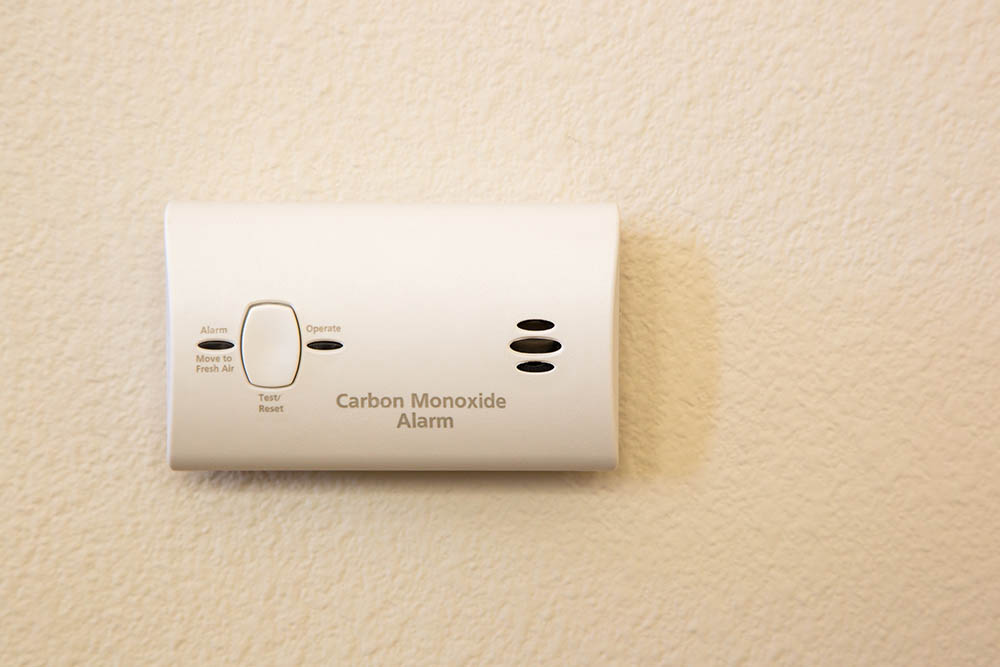
- Test Button: Allows you to verify that the alarm is functioning properly.
- Smart Home Integration: Connects to your smart home system, allowing you to receive alerts on your smartphone, remotely monitor CO levels, and integrate with other smart devices, such as your thermostat or smoke detectors.
Placement and Maintenance: Maximizing Protection
Even the best CO alarm is useless if it's not installed correctly or properly maintained. Follow these guidelines to ensure optimal protection:
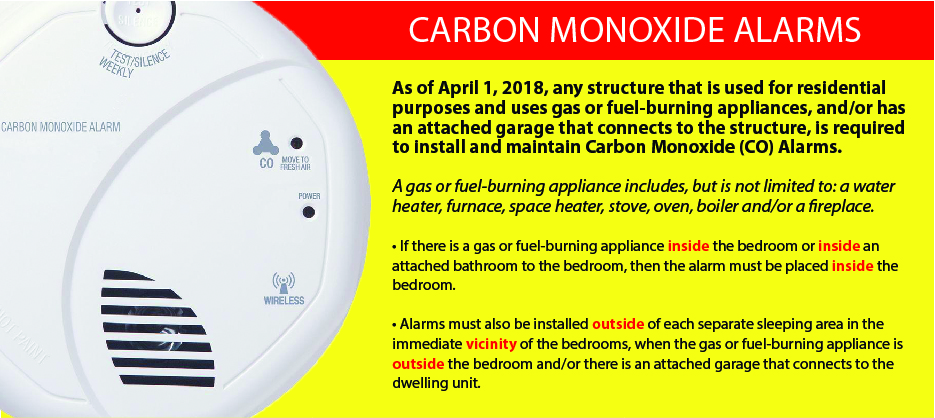
- Location: Install CO alarms on every level of your home and outside each sleeping area. The Consumer Product Safety Commission (CPSC) recommends placing alarms at least 15 feet away from fuel-burning appliances to avoid nuisance alarms.
- Installation: Follow the manufacturer's instructions carefully. Most CO alarms can be easily mounted on a wall or ceiling.
- Testing: Test your CO alarms monthly by pressing the test button.
- Battery Replacement: Replace the batteries in battery-powered CO alarms at least twice a year, or as recommended by the manufacturer. Consider using long-life lithium batteries for extended protection.
- Sensor Replacement: Replace the entire CO alarm according to the manufacturer's recommendations, typically every 5-10 years, depending on the sensor type.
- Regular Inspections: Have your fuel-burning appliances inspected and serviced annually by a qualified HVAC professional. This will help ensure that they are operating safely and efficiently, reducing the risk of CO production.
Smart CO Alarms: The Future of Safety and Energy Efficiency
Smart CO alarms offer a significant upgrade over traditional models, providing enhanced safety features and integration with your smart home ecosystem. These alarms connect to your Wi-Fi network, allowing you to receive alerts on your smartphone or tablet, regardless of your location. Some models also integrate with other smart devices, such as your thermostat, to automatically shut down your HVAC system in the event of a CO leak.
Beyond safety, smart CO alarms can also contribute to energy efficiency by helping you identify malfunctioning appliances that are producing excessive CO. For example, if your smart CO alarm repeatedly detects elevated CO levels, it could indicate a problem with your furnace or water heater. By addressing these issues promptly, you can improve the efficiency of your appliances, reduce your energy consumption, and save money on your utility bills.
Furthermore, some smart CO alarms can track historical CO levels, providing valuable data that can help you identify patterns and potential problems. This information can be shared with your HVAC technician to assist in diagnosing and repairing your appliances.
Integrating CO Alarms with Smart HVAC Systems
The true power of smart CO alarms lies in their integration with smart HVAC systems. Imagine a scenario where your smart CO alarm detects elevated CO levels. Not only will it sound an audible alarm, but it will also:
- Send an alert to your smartphone: You'll receive a notification immediately, even if you're away from home.
- Shut down your HVAC system: To prevent further circulation of CO throughout your home.
- Alert emergency services: In some cases, the alarm can automatically contact emergency services.
- Adjust your smart thermostat: To initiate ventilation and circulate fresh air.
This level of integration provides a comprehensive safety net, protecting you and your family from the dangers of CO poisoning. Moreover, it can also help you identify and address potential problems with your HVAC system before they lead to more serious issues.
Financial Incentives and Rebates
Many utility companies and government agencies offer rebates and incentives for installing energy-efficient appliances and smart home devices, including smart CO alarms. Check with your local utility company and state energy office to see if any programs are available in your area. Investing in a smart CO alarm may not only protect your family but also qualify you for financial savings.
For example, Energy Star certified smart thermostats, often paired with smart CO detectors, can save homeowners an average of 8% on their heating and cooling costs annually, according to the Energy Star program.
Conclusion: Prioritizing Safety and Efficiency
Carbon monoxide alarms are an essential safety device for every home and business. Understanding how they work, choosing the right type of alarm, and ensuring proper installation and maintenance are crucial for protecting yourself and others from the dangers of CO poisoning. Smart CO alarms offer an additional layer of protection, providing enhanced safety features, smart home integration, and potential energy efficiency benefits.
By investing in a CO alarm and integrating it with your smart home system, you can create a safer, more efficient, and more comfortable living environment. Don't wait; prioritize safety and efficiency today by ensuring that your home or business is equipped with reliable carbon monoxide detection.