How Does A Combi Boiler Work
Understanding the Combi Boiler: A Comprehensive Guide
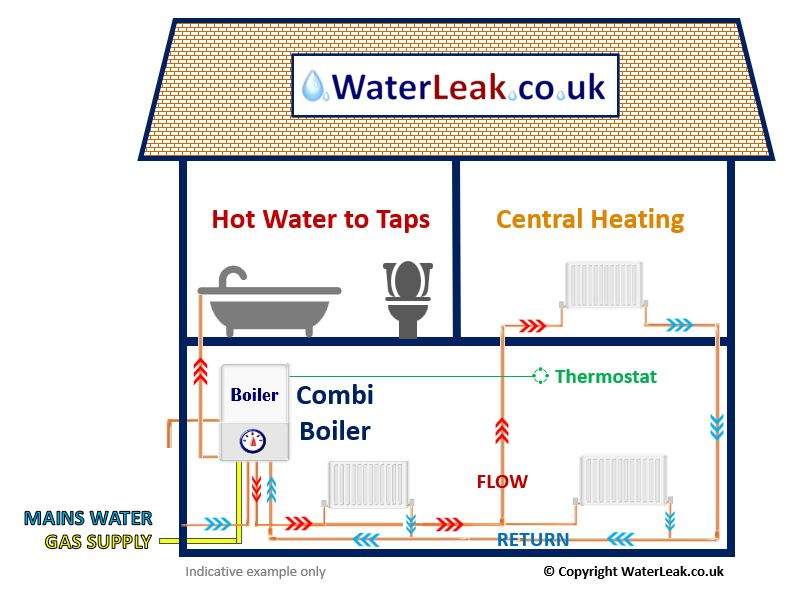
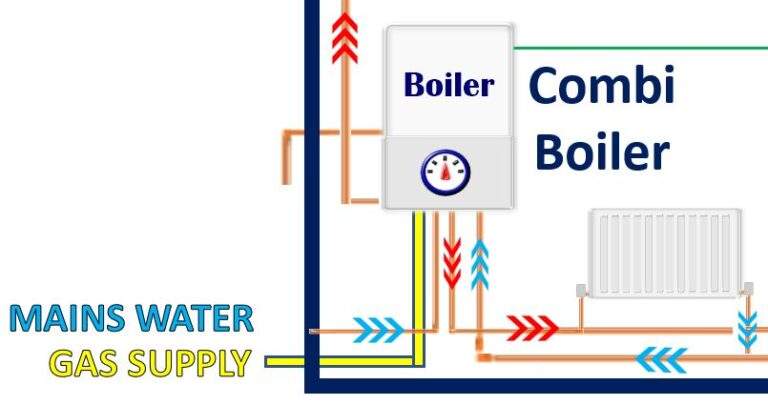
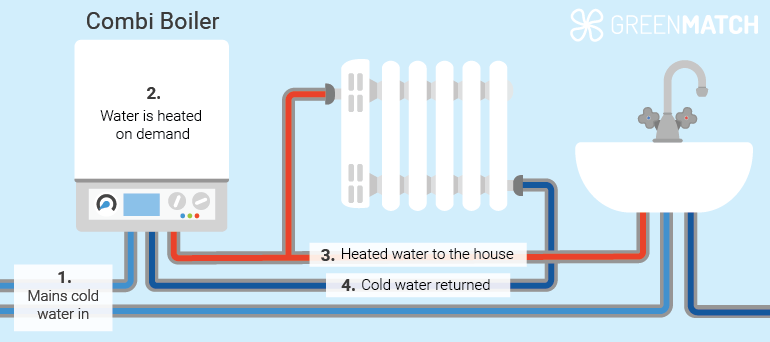
The combi boiler, short for combination boiler, is a high-efficiency heating appliance that provides both central heating and domestic hot water (DHW) on demand. Unlike traditional systems that require a separate hot water tank, combi boilers heat water directly from the mains as it's needed. This eliminates the standby heat losses associated with storing hot water, leading to increased energy efficiency and lower utility bills. This article will provide a detailed explanation of how a combi boiler works, its benefits, drawbacks, and key considerations for homeowners, HVAC technicians, and facility managers.
Combi Boiler Fundamentals: Components and Operation
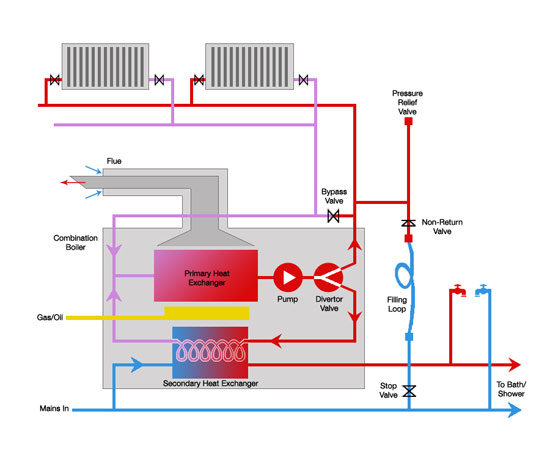
At its core, a combi boiler is a sophisticated heat exchanger. Here's a breakdown of the key components and how they function:
- Gas Burner: The heart of the system, the gas burner ignites natural gas or propane to generate heat. Modern combi boilers utilize modulating burners, which adjust the flame size based on demand, further enhancing efficiency.
- Heat Exchanger: This is where the heat from the burning gas is transferred to the water circulating through the system. Combi boilers often employ multiple heat exchangers for optimal heat transfer, including a primary heat exchanger for the central heating loop and a secondary plate heat exchanger for DHW.
- Circulation Pump: A pump circulates water through the central heating system, distributing heat to radiators or underfloor heating loops.
- Diverter Valve: This critical component directs hot water either to the central heating system or the domestic hot water tap, depending on demand. When a hot water tap is opened, the diverter valve automatically shuts off the flow to the heating system and diverts the hot water to the tap.
- Control System: Modern combi boilers are equipped with sophisticated control systems that monitor temperature, pressure, and flow, ensuring safe and efficient operation. These systems often include features such as programmable thermostats, weather compensation, and diagnostic tools.
- Expansion Vessel: This vessel accommodates the expansion of water as it heats up, preventing pressure buildup within the system.
- Pressure Relief Valve: A safety device that releases excess pressure if it exceeds the safe operating limit.
The operating sequence is as follows:
- When a thermostat calls for heat, or a hot water tap is opened, the control system activates the gas burner.
- The burner heats the primary heat exchanger.
- For central heating, the circulation pump circulates water through the radiators. The diverter valve directs hot water to the heating loop.
- For domestic hot water, the diverter valve redirects the hot water to the secondary plate heat exchanger. Cold mains water flows through the other side of the plate heat exchanger, absorbing heat and providing hot water on demand.
- The control system modulates the burner output to maintain the desired water temperature.
- Once the demand for heat or hot water ceases, the burner shuts off.
Advantages of Combi Boilers
Combi boilers offer several significant advantages over traditional heating systems:
- Space Saving: Eliminating the need for a separate hot water tank frees up valuable space in the home.
- Energy Efficiency: Heating water on demand eliminates standby heat losses, resulting in lower energy bills. Modern combi boilers often achieve Annual Fuel Utilization Efficiency (AFUE) ratings of 90% or higher.
- On-Demand Hot Water: Provides instant hot water at a consistent temperature, eliminating the wait time associated with traditional tank systems.
- Lower Installation Costs: Typically require less piping and fewer components than traditional systems, resulting in lower installation costs.
- Reduced Risk of Legionella: The continuous flow of water through the system minimizes the risk of Legionella bacteria growth, which can occur in stagnant water tanks.
Disadvantages of Combi Boilers
Despite their advantages, combi boilers also have some drawbacks:
- Flow Rate Limitations: The flow rate of hot water can be limited, especially in larger homes with multiple occupants using hot water simultaneously. The gallon per minute (GPM) rating of the boiler must be sufficient to meet the peak demand.
- Potential for Cold Water Sandwich: In some older or less sophisticated combi boilers, there can be a brief period of cold water before the hot water arrives, known as the "cold water sandwich." Modern combi boilers mitigate this issue with advanced control systems.
- Pressure Dependence: Combi boilers require adequate mains water pressure to operate effectively. Low water pressure can result in poor hot water performance.
- Complexity: Combi boilers are more complex than traditional tank systems, potentially requiring specialized expertise for repairs.
- Not Ideal for Large Homes with High Hot Water Demand: For very large homes with consistently high hot water demands (e.g., multiple simultaneous showers), a traditional tank system might be a better option.
Cost Considerations: Purchase, Installation, and Operation
The cost of a combi boiler can vary depending on its size, features, and brand. Expect to pay between $2,000 and $5,000 for the boiler itself. Installation costs can range from $1,500 to $5,000, depending on the complexity of the installation and any necessary modifications to existing plumbing. The total cost, including the boiler and installation, ranges between $3,500 - $10,000.
In terms of operating costs, combi boilers generally offer significant savings compared to traditional systems due to their higher efficiency. A well-maintained combi boiler can save homeowners hundreds of dollars per year on their energy bills. Consider the Energy Factor (EF) rating when comparing different models; a higher EF rating indicates greater energy efficiency.
Lifespan and Maintenance
The lifespan of a combi boiler typically ranges from 15 to 20 years, provided it is properly maintained. Regular maintenance is crucial for ensuring optimal performance and extending the lifespan of the boiler. Key maintenance tasks include:
- Annual Servicing: Schedule an annual service with a qualified HVAC technician to inspect the boiler, clean the burner, check the gas pressure, and test the safety devices.
- Water Pressure Monitoring: Regularly check the water pressure gauge and ensure it is within the recommended range.
- Bleeding Radiators: Bleed any air trapped in the radiators to ensure efficient heat distribution.
- Scale Prevention: If you live in an area with hard water, consider installing a water softener to prevent scale buildup in the heat exchanger.
Sizing Considerations for HVAC Technicians and Facility Managers
Proper sizing is critical for optimal combi boiler performance. An undersized boiler will struggle to meet the heating and hot water demands of the building, while an oversized boiler will cycle frequently, reducing efficiency and increasing wear and tear. HVAC technicians and facility managers should use the following guidelines when sizing a combi boiler:
- Calculate Heat Loss: Perform a heat loss calculation to determine the total heating load of the building. This calculation should take into account factors such as the building's size, insulation levels, window types, and climate.
- Determine Hot Water Demand: Estimate the peak hot water demand based on the number of occupants and the types of fixtures in the building (e.g., showers, bathtubs, faucets). Consider using a peak demand calculator to account for simultaneous hot water usage.
- Choose the Right Boiler Size: Select a combi boiler with a heating capacity that matches the calculated heat loss and a hot water output that meets the peak demand. It is better to slightly oversize the boiler than to undersize it.
- Consider Modulation Range: Look for a combi boiler with a wide modulation range, which allows the burner to adjust its output based on the actual demand. This will improve efficiency and prevent short cycling.
- Check Local Codes: Ensure that the chosen boiler meets all applicable local codes and regulations.
Combi Boilers vs. Traditional Systems: A Summary
| Feature | Combi Boiler | Traditional System | |---|---|---| | Hot Water | On-demand | Stored in a tank | | Space | Compact, space-saving | Requires more space | | Efficiency | High | Lower | | Installation Cost | Lower | Higher | | Hot Water Flow | Limited by boiler capacity | Can provide higher flow rates | | Complexity | More complex | Simpler |
Conclusion
Combi boilers offer a compelling solution for homeowners, HVAC technicians, and facility managers seeking a high-efficiency, space-saving heating and hot water system. By understanding the principles of operation, advantages, disadvantages, and sizing considerations, you can make an informed decision about whether a combi boiler is the right choice for your needs. Remember to consult with a qualified HVAC professional to ensure proper installation and maintenance for long-lasting performance and optimal energy savings. Ultimately, investing in a modern, well-maintained combi boiler can significantly improve comfort, reduce energy consumption, and lower utility costs.