How Does A Compressor Work In An Air Conditioner

The Heart of Your Cool: Understanding the Air Conditioner Compressor
When the summer heat becomes unbearable, your air conditioner is your best friend. But have you ever stopped to consider what makes that cool air possible? The unsung hero of your AC unit is the compressor. It's the engine driving the entire cooling process, and understanding how it works can help you make informed decisions when choosing or maintaining your HVAC system.
What Does the Compressor Do?
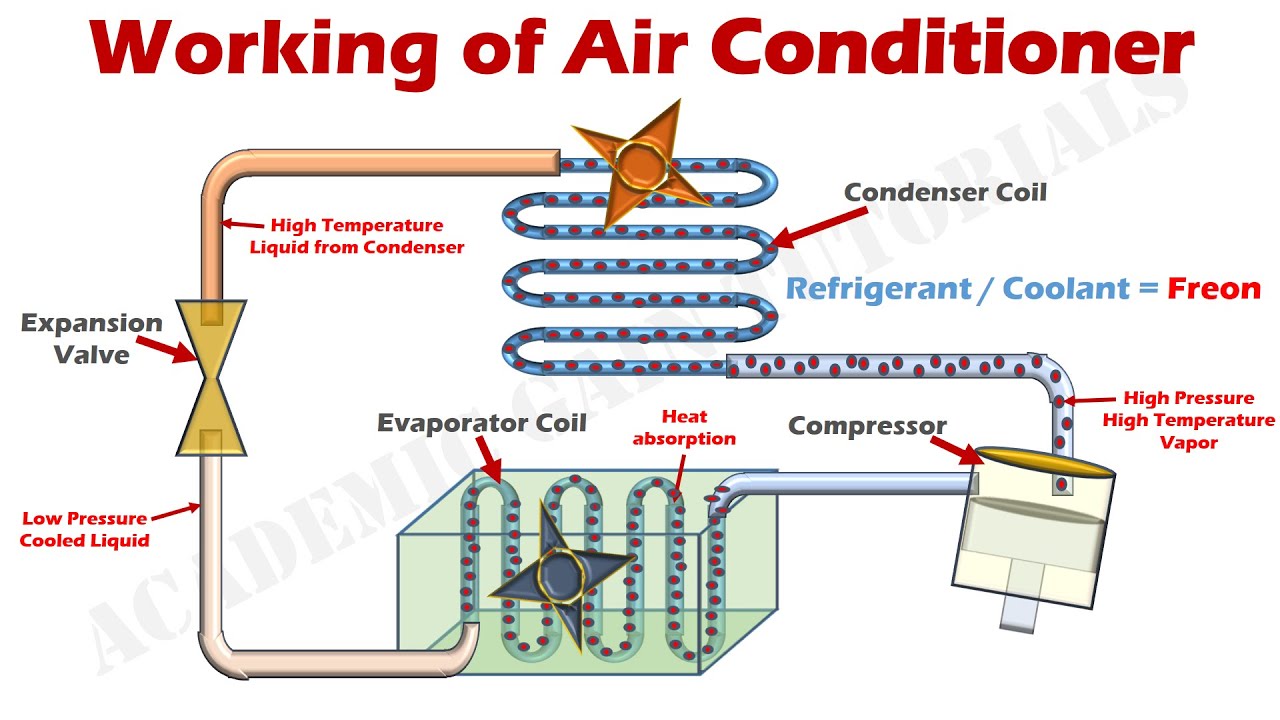
In the simplest terms, the compressor is a pump. Its primary function is to compress refrigerant gas. This process increases both the pressure and temperature of the refrigerant, setting the stage for the heat exchange that ultimately cools your home. Think of it like pumping up a bicycle tire – you're forcing more air into a smaller space, which heats it up.
Here’s a breakdown of the compressor’s role in the refrigeration cycle:
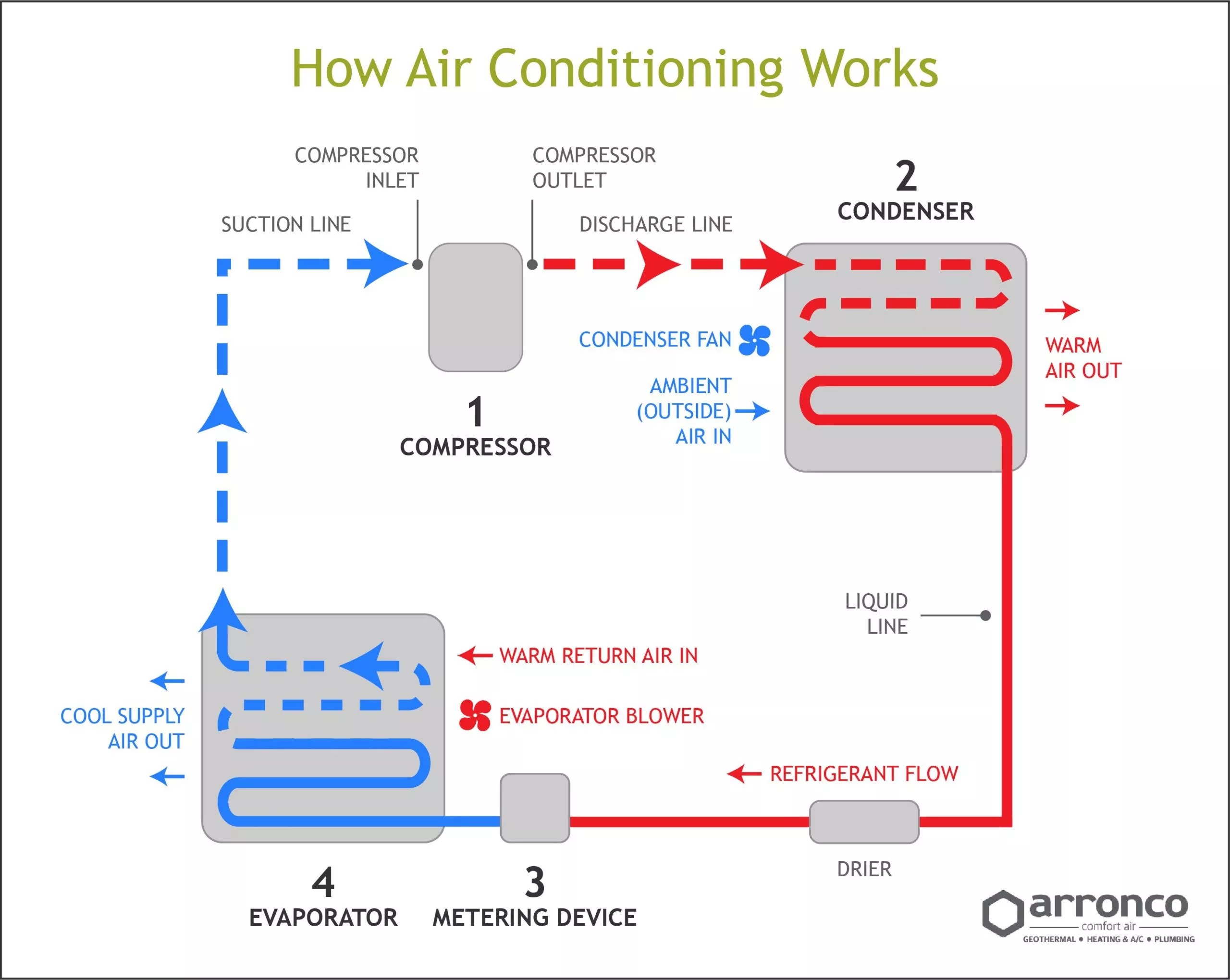
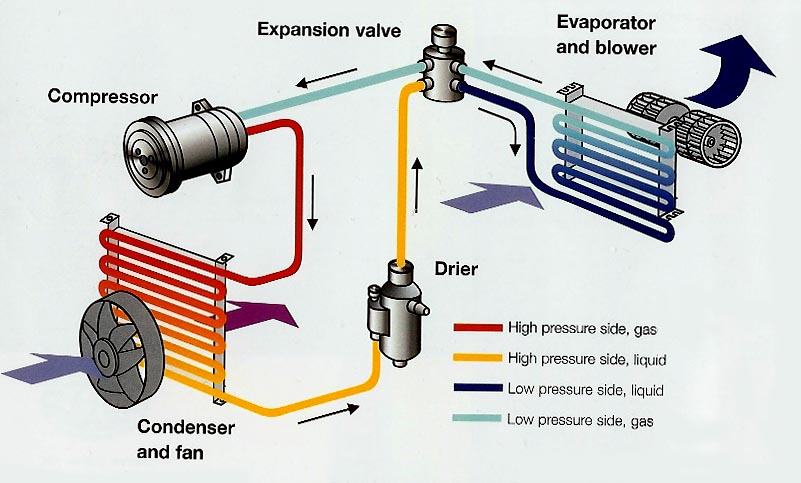
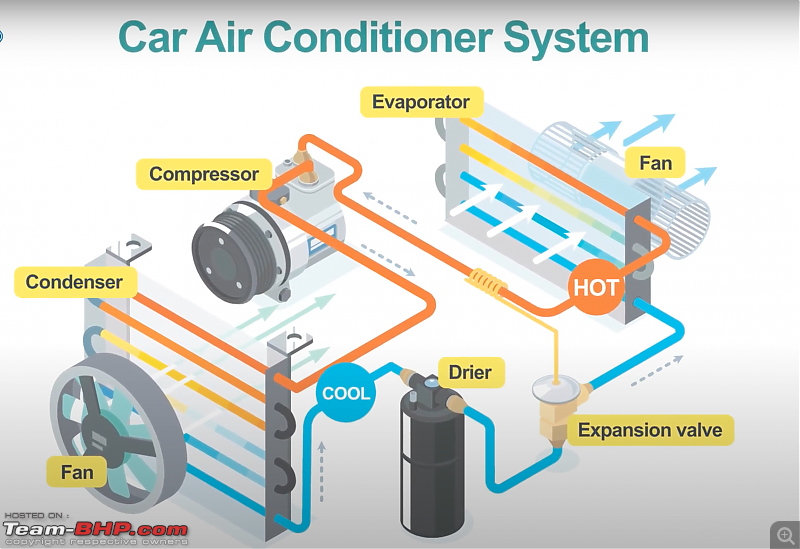
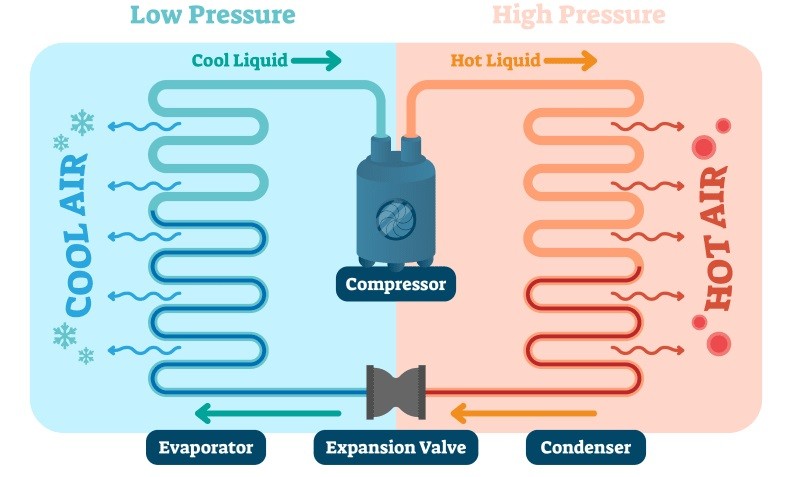
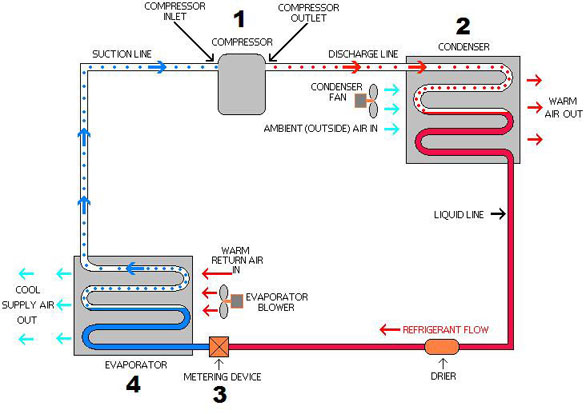
- Intake: The compressor draws in low-pressure, low-temperature refrigerant gas from the evaporator coil (the part of your AC that gets cold).
- Compression: The compressor mechanically compresses this gas, drastically increasing its pressure and temperature.
- Discharge: The high-pressure, high-temperature refrigerant gas is then discharged to the condenser coil (usually the outdoor unit).
How Does a Compressor Work? A Step-by-Step Guide
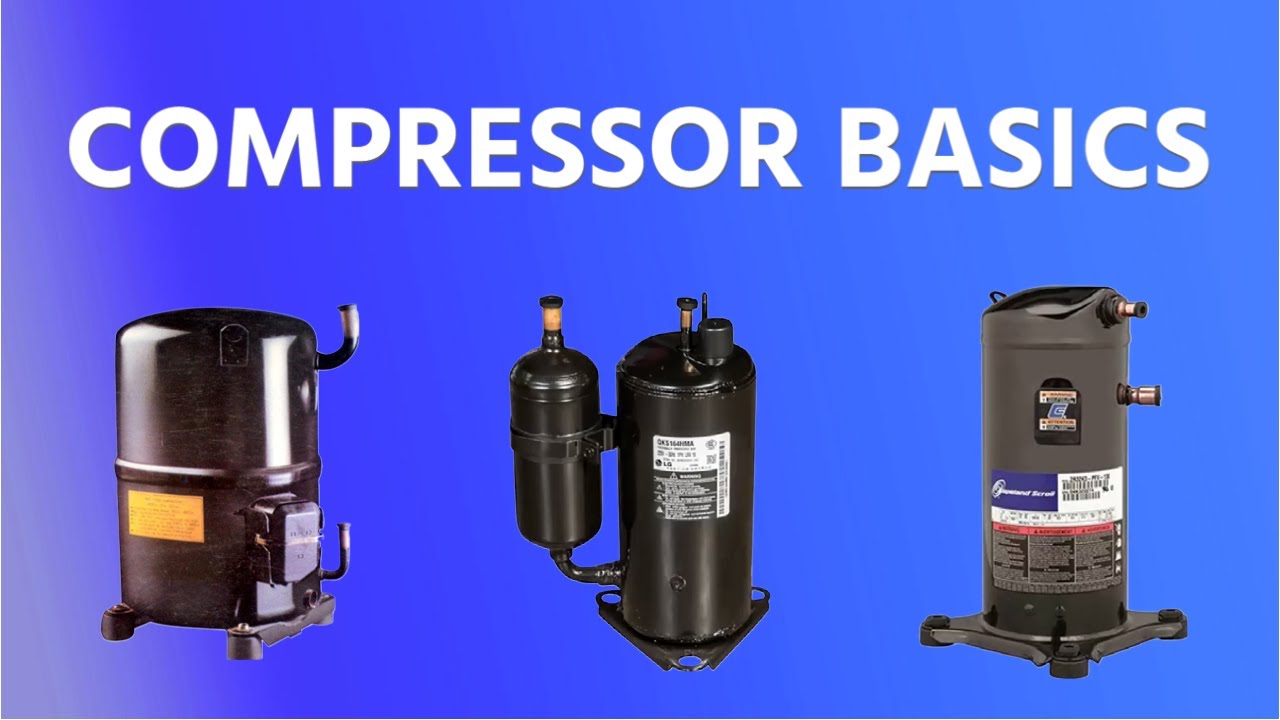
While the fundamental principle is the same, different types of compressors use slightly different mechanisms to achieve compression. Here's a look at the most common types:
1. Reciprocating Compressors
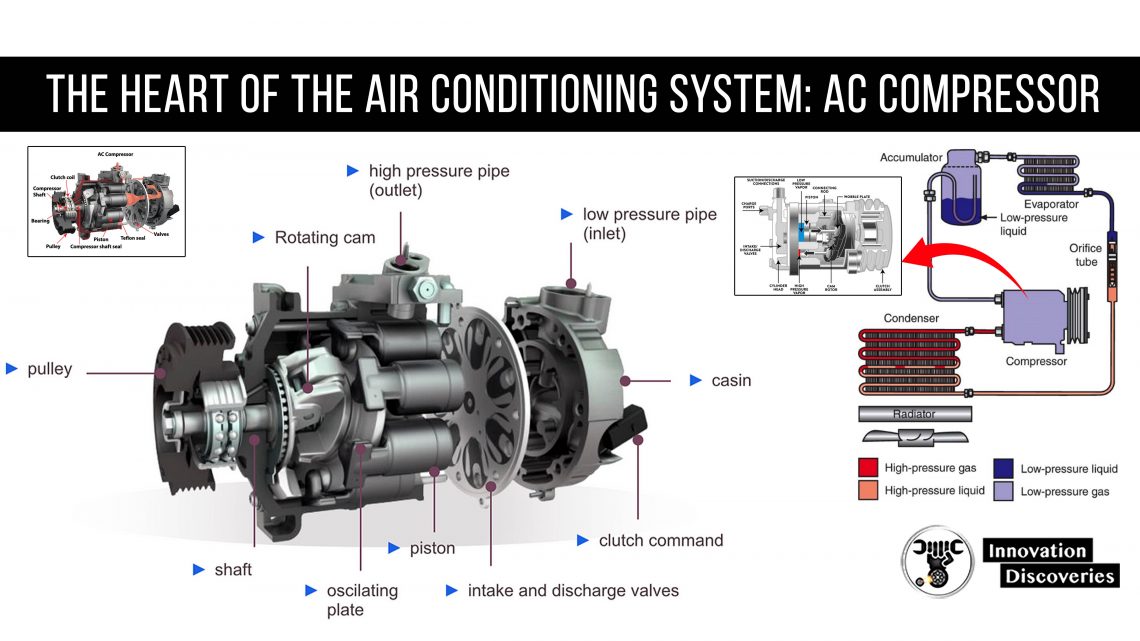
These are among the most common, especially in older AC units. They work like a car engine, using a piston inside a cylinder to compress the refrigerant.
How it works:
- A piston moves back and forth within a cylinder.
- On the intake stroke, a valve opens, allowing low-pressure refrigerant gas to enter the cylinder.
- On the compression stroke, the valve closes, and the piston moves forward, compressing the gas.
- When the compressed gas reaches a certain pressure, another valve opens, allowing it to be discharged to the condenser.
Pros: Relatively inexpensive and durable.
Cons: Can be noisy and less energy-efficient than other types. Tend to have a shorter lifespan compared to scroll compressors.
2. Rotary Compressors
Rotary compressors use a rotating mechanism to compress the refrigerant. There are two main types: rotary vane and rotary screw.
Rotary Vane Compressors:
How it works:
- A rotor with vanes spins inside a cylindrical chamber.
- As the rotor turns, the vanes create chambers of varying sizes.
- Refrigerant gas is trapped in these chambers and compressed as the rotor continues to turn.
Pros: Quieter than reciprocating compressors, compact size.
Cons: Can be less efficient than scroll compressors, prone to wear and tear over time.
Rotary Screw Compressors:
How it works:
- Two interlocking screws rotate, trapping refrigerant gas between them.
- As the screws rotate, the space between them decreases, compressing the gas.
Pros: Very efficient, commonly used in large commercial systems.
Cons: More expensive and complex than other types.
3. Scroll Compressors
Scroll compressors are becoming increasingly popular due to their efficiency and quiet operation. They use two interleaved spiral-shaped scrolls – one fixed and one orbiting – to compress the refrigerant.
How it works:
- Refrigerant gas enters the outer portion of the scrolls.
- As the orbiting scroll moves, it traps and compresses the gas into progressively smaller pockets.
- The compressed gas is then discharged from the center of the scrolls.
Pros: Highly efficient, quiet, reliable, and long-lasting. SEER (Seasonal Energy Efficiency Ratio) ratings are generally higher.
Cons: More expensive than reciprocating compressors, can be more complex to repair.
4. Turbo Compressors (Centrifugal Compressors)
Typically used in very large commercial and industrial applications, these compressors use a rotating impeller to increase the velocity of the refrigerant gas and then convert that velocity into pressure.
How it works:
- A rapidly spinning impeller draws in refrigerant gas.
- The impeller accelerates the gas and forces it outwards.
- The high-velocity gas is then directed into a diffuser, where its velocity is reduced, and its pressure increases.
Pros: Extremely high capacity, suitable for large-scale cooling.
Cons: Very expensive, complex, and not suitable for residential applications.
Compressor Failure: Signs and Prevention
The compressor is a critical component, and its failure can lead to costly repairs or even the need for a complete AC replacement. Here are some signs that your compressor may be failing:
- Unusual Noises: Loud banging, hissing, or grinding sounds coming from the outdoor unit.
- Reduced Cooling Performance: The AC unit runs constantly but doesn't effectively cool the house.
- Increased Energy Bills: The AC unit is working harder to maintain the desired temperature, leading to higher energy consumption.
- Warm Air: The AC unit blows warm air instead of cold air.
- Circuit Breaker Tripping: The compressor may be drawing excessive current, causing the circuit breaker to trip.
Preventing Compressor Failure:
- Regular Maintenance: Schedule annual AC maintenance with a qualified HVAC technician. This includes cleaning the coils, checking refrigerant levels, and inspecting the compressor for any signs of wear and tear.
- Clean Air Filters: Dirty air filters restrict airflow, forcing the compressor to work harder. Replace air filters every 1-3 months, depending on usage and air quality.
- Proper Refrigerant Charge: Low refrigerant levels can damage the compressor. Have a technician check and recharge the refrigerant as needed.
- Keep the Outdoor Unit Clean: Clear any debris (leaves, grass clippings, etc.) from around the outdoor unit to ensure proper airflow.
- Avoid Overworking the System: Don't set the thermostat too low, as this can put unnecessary strain on the compressor.
Choosing the Right Compressor: Considerations for Homeowners
When selecting a new AC unit, consider the type of compressor it uses. Scroll compressors are generally the best choice for residential applications due to their efficiency, quiet operation, and long lifespan. However, they may come at a higher upfront cost. Reciprocating compressors are more affordable but less efficient and potentially shorter lifespan.
Key factors to consider:
- Efficiency (SEER): Look for a unit with a high SEER rating, which indicates its energy efficiency. Scroll compressors typically have higher SEER ratings than reciprocating compressors.
- Noise Level: If noise is a concern, opt for a unit with a scroll compressor, as they are generally quieter than reciprocating compressors.
- Budget: Reciprocating compressors are typically more affordable, but scroll compressors offer long-term savings due to their higher efficiency.
- Warranty: Check the warranty on the compressor and the overall AC unit. A longer warranty provides greater peace of mind.
Popular HVAC Brands and Models with Compressor Types
Here's a comparison of some popular HVAC brands and models, along with the type of compressor they typically use:
- Carrier: Often uses scroll compressors in their higher-end models, known for reliability and efficiency. Models like the Carrier Infinity series boast high SEER ratings.
- Trane: Another leading brand known for quality and durability. Trane also uses scroll compressors in many of their units, offering excellent performance. Look for models in the Trane XV series.
- Lennox: Lennox offers a range of AC units with various compressor types, including scroll compressors. They are known for their innovative technology and energy-efficient designs.
- Goodman: Goodman is a more budget-friendly brand that often uses reciprocating compressors in their entry-level models and scroll compressors in their higher-end units.
- Rheem: Rheem offers a variety of AC units with both reciprocating and scroll compressors, catering to different budgets and needs.
AFUE, SEER, and HSPF: Understanding HVAC Ratings
When evaluating HVAC systems, pay attention to the following ratings:
- AFUE (Annual Fuel Utilization Efficiency): This rating applies to furnaces and measures their heating efficiency. A higher AFUE rating indicates greater efficiency.
- SEER (Seasonal Energy Efficiency Ratio): This rating applies to air conditioners and measures their cooling efficiency. A higher SEER rating indicates greater efficiency. Modern AC units typically have SEER ratings ranging from 13 to 25 or higher.
- HSPF (Heating Seasonal Performance Factor): This rating applies to heat pumps and measures their heating efficiency. A higher HSPF rating indicates greater efficiency.
Warranties and Maintenance
Understanding the warranty on your AC unit is crucial. Most manufacturers offer warranties on the compressor and other components. Be sure to register your unit after purchase to activate the warranty.
Regular maintenance is essential for keeping your AC unit running efficiently and extending its lifespan. Schedule annual maintenance with a qualified HVAC technician to inspect the system, clean the coils, check refrigerant levels, and identify any potential problems. Also, remember to replace your air filters regularly to ensure proper airflow.
By understanding how your air conditioner compressor works and taking steps to maintain your system, you can keep your home cool and comfortable for years to come.