How Does A Doas Unit Work

Do you ever feel like your home's air is stale, stuffy, or just not as fresh as it should be, even with your regular HVAC system running? This is a common problem, and often the culprit is inadequate ventilation. While your heating and cooling system recirculates air, it doesn't always bring in enough fresh, outside air. This is where a Dedicated Outdoor Air System (DOAS) comes in.
Many modern homes utilize a DOAS unit to specifically address the need for fresh air. Understanding how it works and what to do when it malfunctions can save you money and ensure a healthier living environment. Let's dive into troubleshooting common DOAS issues.
Understanding the Basics: How a DOAS Unit Works
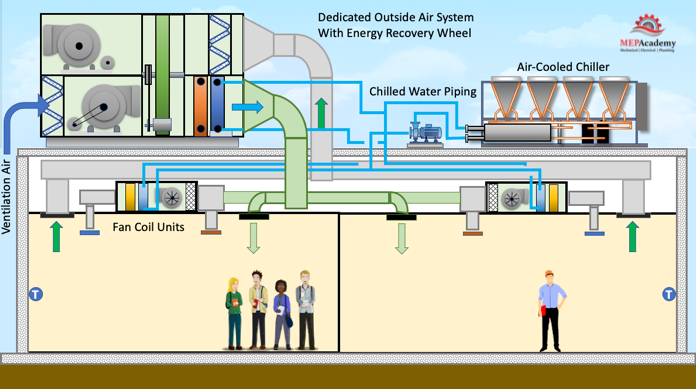
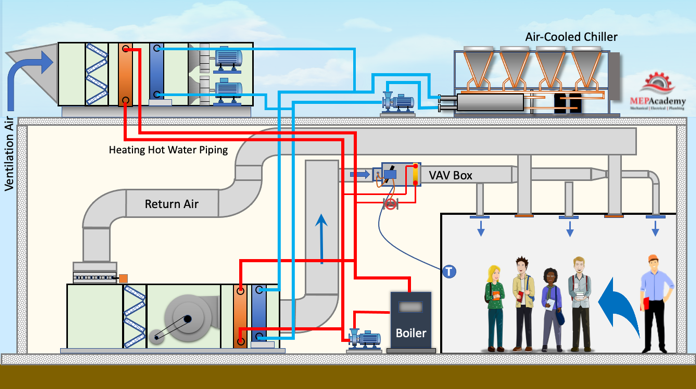
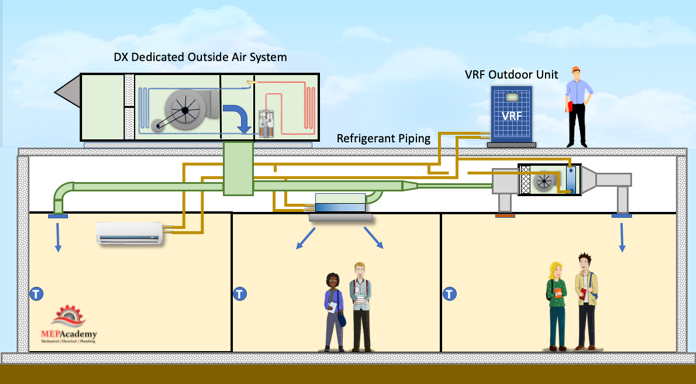
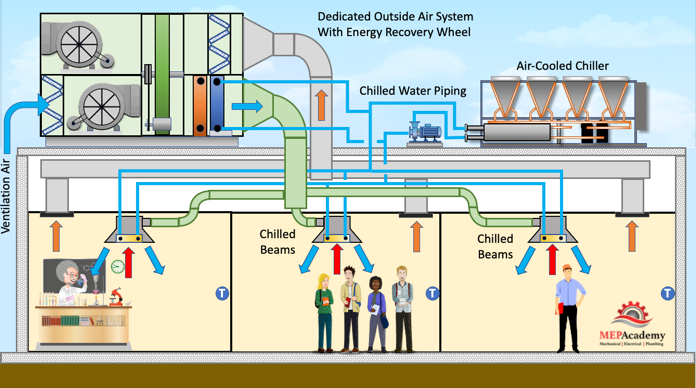
A DOAS unit's primary function is to bring fresh, outside air into your home, condition it (heating or cooling, and dehumidifying), and then distribute it. This fresh air replaces stale indoor air, improving air quality and reducing pollutants. Think of it as your home's dedicated breathing apparatus!
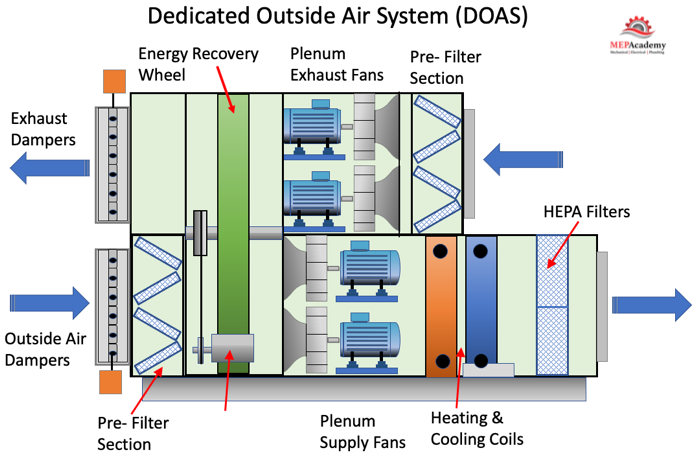
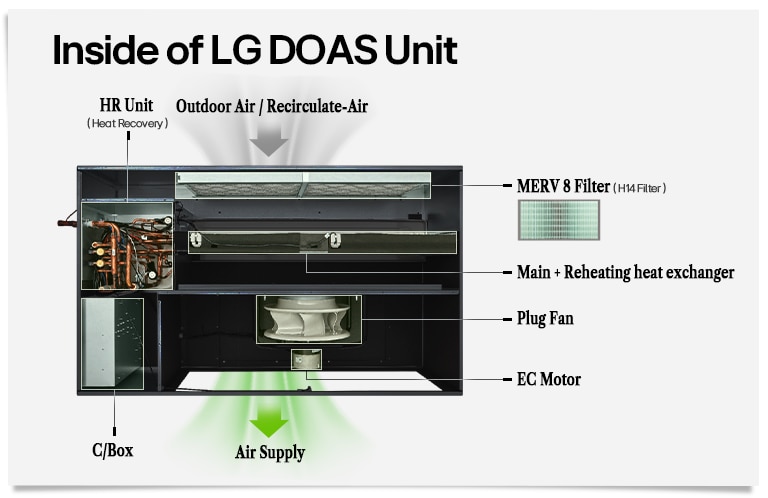
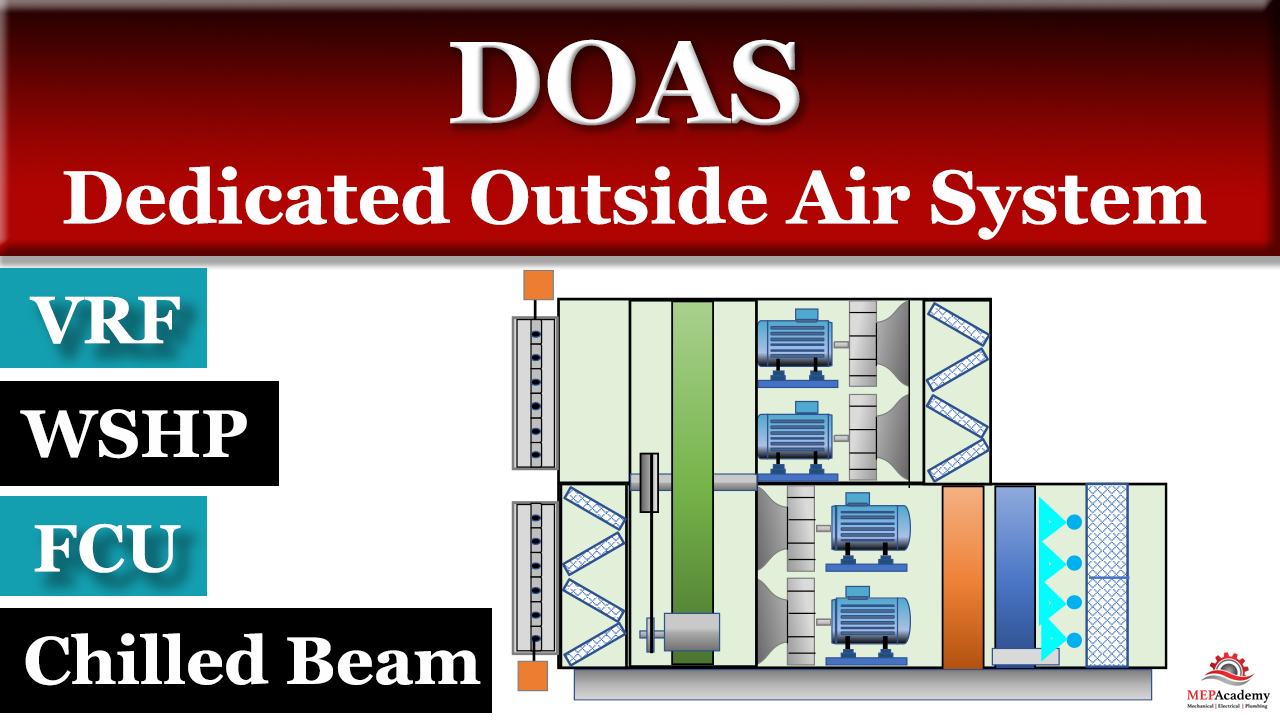
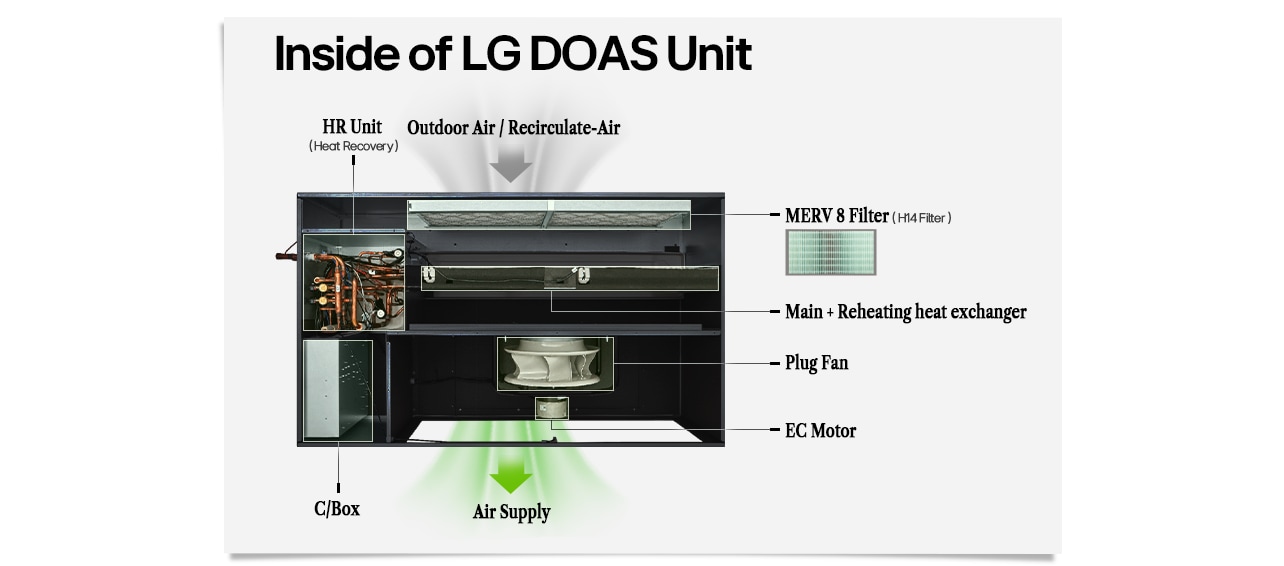
Here's a breakdown of the key components and their roles:
- Outdoor Air Intake: This is where the DOAS draws in fresh air from outside. It's usually located on the roof or an exterior wall.
- Filters: These remove dust, pollen, and other particles from the incoming air, preventing them from entering your home.
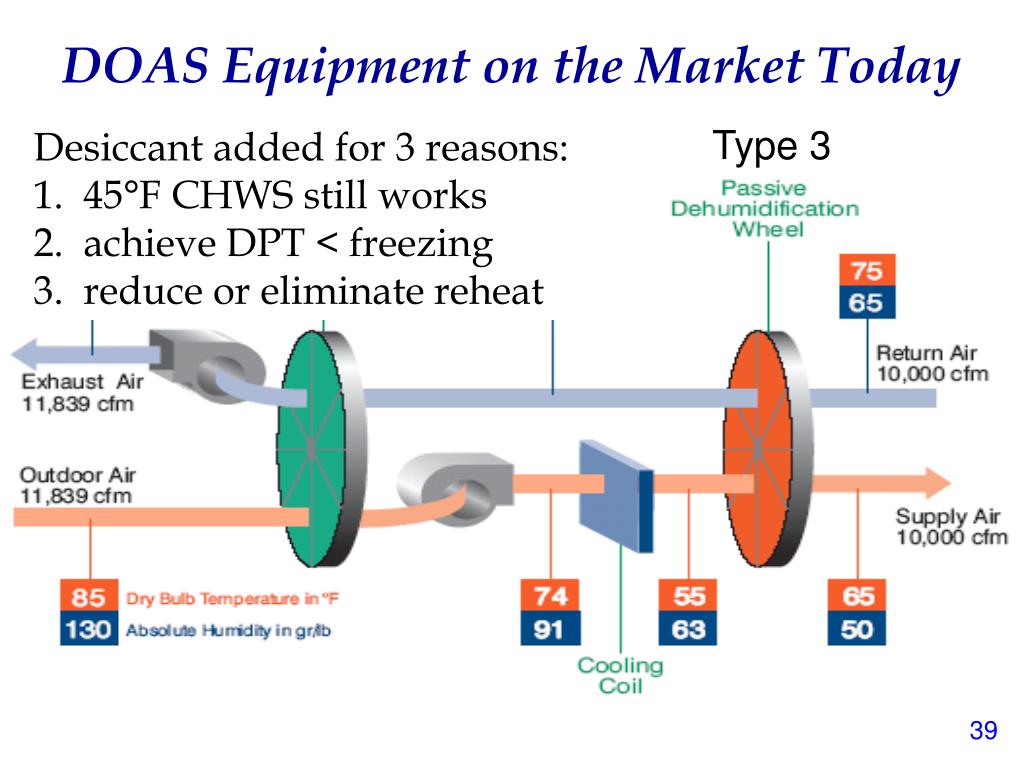
- Cooling/Heating Coil: This component cools and dehumidifies the air in the summer, and heats it in the winter.
- Dehumidification System: A critical part of a DOAS, this removes excess moisture from the incoming air, preventing mold growth and improving comfort. This often involves a desiccant wheel or a cooling coil running at a lower temperature.
- Supply Fan: This pushes the conditioned fresh air into your home's ductwork.
- Controls/Sensors: These monitor temperature, humidity, and airflow, and adjust the DOAS operation accordingly. Modern DOAS units often integrate with smart home systems.
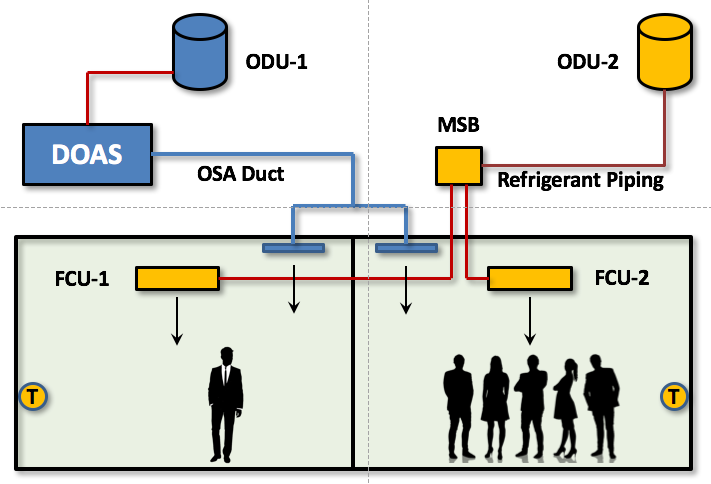
- Ductwork: This distributes the conditioned fresh air throughout your home. It's typically separate from your existing HVAC ductwork.
Common DOAS Problems and DIY Troubleshooting
Now that you understand the basics, let's look at some common problems homeowners encounter with their DOAS units and how you can troubleshoot them.
1. Reduced Airflow or No Airflow
Problem: You notice that less or no fresh air is coming from your DOAS vents.
Diagnosis & Solutions:
- Check the Filters: This is the most common culprit. A dirty filter restricts airflow. Replace your DOAS filters regularly (typically every 1-3 months, depending on air quality). A clogged filter makes the unit work harder, decreasing efficiency and potentially damaging components.
- Inspect the Outdoor Air Intake: Make sure the intake is not blocked by leaves, snow, debris, or even overgrown vegetation. Clear any obstructions.
- Verify the Supply Fan is Running: Listen for the fan motor. If it's not running, check the circuit breaker for the DOAS unit (typically labeled on your electrical panel). Reset the breaker if it's tripped.
- Examine the Ductwork: Look for any obvious kinks, crushes, or disconnections in the ductwork. If you find a disconnection, try to reconnect it securely using duct tape or metal foil tape. Crushed ductwork may require professional replacement.
- Check the Dampers: Some DOAS units have dampers (valves) that control airflow. Ensure these dampers are open. They may be manually operated or controlled by the DOAS system.
When to Call a Professional: If you've checked the filter, intake, fan, ductwork, and dampers, and you still have no airflow, there could be a more serious problem with the fan motor, the controls, or the electrical wiring. Do not attempt to repair electrical components yourself. Call a qualified HVAC technician.
2. Unusual Noises
Problem: The DOAS unit is making strange noises, such as grinding, squealing, or rattling.
Diagnosis & Solutions:
- Loose Components: Check for any loose panels or screws on the unit itself. Tighten them.
- Fan Blades: Turn off the unit (at the breaker) and carefully inspect the fan blades. Look for any obstructions or damage. Remove any debris carefully. Bent or damaged blades will require professional replacement.
- Motor Bearings: A squealing or grinding noise could indicate worn motor bearings. This is a common issue in older units. Unfortunately, replacing motor bearings is often a task best left to professionals, or it may be more cost-effective to replace the entire fan motor.
- Ductwork Rattling: If the noise is coming from the ductwork, check for loose connections or sections that are vibrating against other surfaces. Secure the ductwork with straps or insulation.
When to Call a Professional: If the noise persists after checking for loose components, fan blades, and ductwork, or if you suspect motor bearing issues, it's time to call an HVAC technician. They can diagnose the problem accurately and perform the necessary repairs.
3. Insufficient Cooling or Heating
Problem: The DOAS unit isn't cooling or heating the incoming air adequately.
Diagnosis & Solutions:
- Check the Settings: Ensure the DOAS unit is set to the correct mode (cooling or heating) and that the temperature settings are appropriate. Refer to your unit's manual.
- Verify Airflow: As mentioned before, restricted airflow can reduce heating and cooling efficiency. Check and replace the filters.
- Inspect the Coils: The cooling and heating coils can become dirty over time, reducing their ability to transfer heat. Visually inspect the coils. If they appear dusty, use a vacuum cleaner with a brush attachment to carefully clean them. Be very gentle, as the fins are easily bent. Coil cleaner can also be used, following the manufacturer's instructions.
- Check for Leaks: If your DOAS uses a refrigerant, a leak can significantly reduce its cooling capacity. Look for signs of leaks, such as oil stains or frost buildup on the refrigerant lines.
- Inspect Condensate Drain: A clogged condensate drain can prevent proper dehumidification, leading to reduced cooling efficiency. Look for water overflowing from the drain pan. Try clearing the drain line with a wet/dry vacuum or a stiff wire.
When to Call a Professional: Refrigerant leaks require professional attention. Also, if cleaning the coils and clearing the condensate drain doesn't improve the cooling or heating performance, there could be a more serious issue with the compressor, the expansion valve, or other components. Call a qualified HVAC technician.
4. High Humidity or Condensation
Problem: You notice excessive humidity or condensation around the DOAS unit or its vents.
Diagnosis & Solutions:
- Verify Dehumidification System is Working: Ensure the DOAS unit's dehumidification system is functioning properly. Some units have settings to adjust the dehumidification level.
- Check Condensate Drain: As mentioned above, a clogged condensate drain can cause high humidity. Clear the drain line.
- Inspect Insulation: Make sure the ductwork is properly insulated to prevent condensation from forming on the outside of the ducts. Add or repair insulation as needed.
- Outdoor Humidity Levels: On extremely humid days, the DOAS unit may struggle to maintain optimal humidity levels indoors. Consider running a portable dehumidifier in particularly humid areas of your home.
- Check for Air Leaks: Air leaks around windows, doors, and other openings can allow humid outdoor air to enter your home, overwhelming the DOAS unit's dehumidification capacity. Seal any air leaks with caulk or weather stripping.
When to Call a Professional: If the problem persists after checking the dehumidification system, condensate drain, insulation, and air leaks, there could be an issue with the DOAS unit's dehumidification components, such as a malfunctioning desiccant wheel or a refrigerant leak. Call an HVAC technician.
5. Strange Odors
Problem: You detect unpleasant odors coming from the DOAS unit or its vents.
Diagnosis & Solutions:
- Check the Filters: Dirty filters can harbor mold and bacteria, leading to unpleasant odors. Replace the filters.
- Inspect the Coils: Mold and mildew can grow on the cooling coils, especially in humid environments. Clean the coils with a coil cleaner specifically designed for HVAC systems.
- Condensate Drain: A stagnant condensate drain can also be a breeding ground for mold and bacteria. Pour a cup of vinegar or a drain cleaner specifically designed for HVAC systems down the drain to kill any mold or bacteria.
- Check for Dead Animals: Unfortunately, small animals sometimes find their way into ductwork or the DOAS unit itself. Carefully inspect the unit and ductwork for any signs of dead animals.
- Source of Odor: Are there new cleaning products, paints, or other chemicals used recently in the house? These can get picked up by the system.
When to Call a Professional: If the odors persist after cleaning the filters, coils, and condensate drain, or if you suspect a dead animal is trapped in the ductwork, it's best to call a professional HVAC technician. They can thoroughly clean and sanitize the entire system.
Safety First!
Always turn off the power to the DOAS unit at the circuit breaker before performing any maintenance or repairs. This will prevent electrical shock. If you're uncomfortable working with electrical components or refrigerant, call a qualified HVAC technician. Never attempt to repair components that you're not familiar with.
Preventative Maintenance
The best way to avoid DOAS problems is to perform regular preventative maintenance. This includes:
- Replacing filters regularly (every 1-3 months).
- Cleaning the coils annually (or more frequently in dusty environments).
- Inspecting the ductwork for leaks or damage.
- Clearing the condensate drain annually.
- Having a professional HVAC technician inspect and service the unit annually.
By understanding how your DOAS unit works and performing regular maintenance, you can ensure that your home has a constant supply of fresh, clean air. Remember to prioritize safety and call a professional when needed.