How Does A Fan Coil Unit Work
Is your fan coil unit leaving you feeling hot under the collar? Many homeowners experience inconsistent heating or cooling, or even complete system failure, with their fan coil units. Before you call a professional, let's explore how these units work and tackle some common issues with a step-by-step approach. Remember, safety is paramount. If you're uncomfortable with any of these steps, or if you're dealing with electrical components, call a qualified technician.
Understanding Your Fan Coil Unit
A fan coil unit (FCU) is a simple yet effective device for heating and cooling individual rooms or zones within a building. Unlike central air conditioning systems that rely on ductwork to distribute air, FCUs are typically located within the space they serve. They're commonly found in apartments, condos, and older homes.
How It Works: The Basics
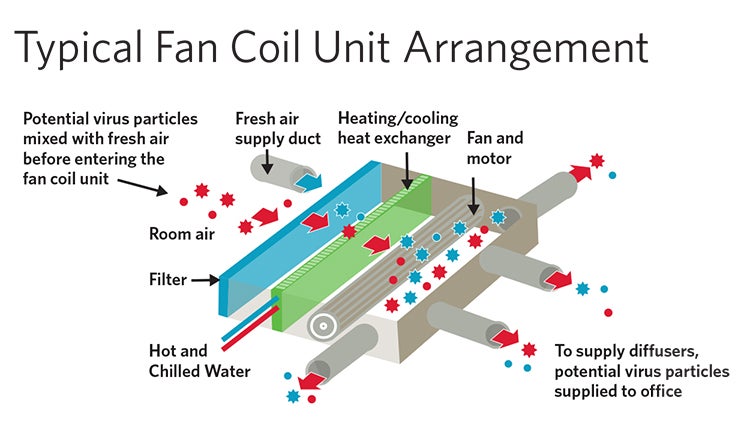
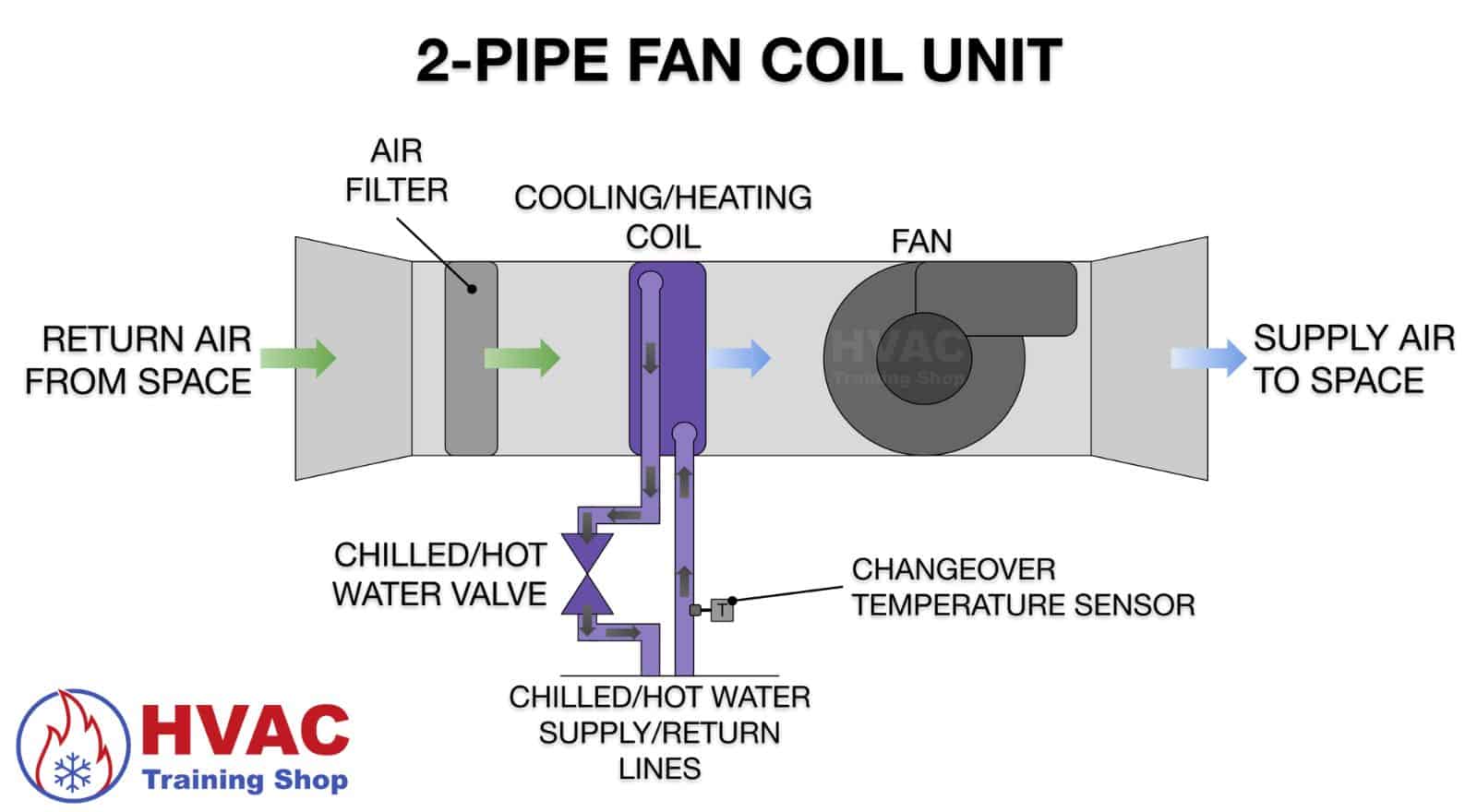
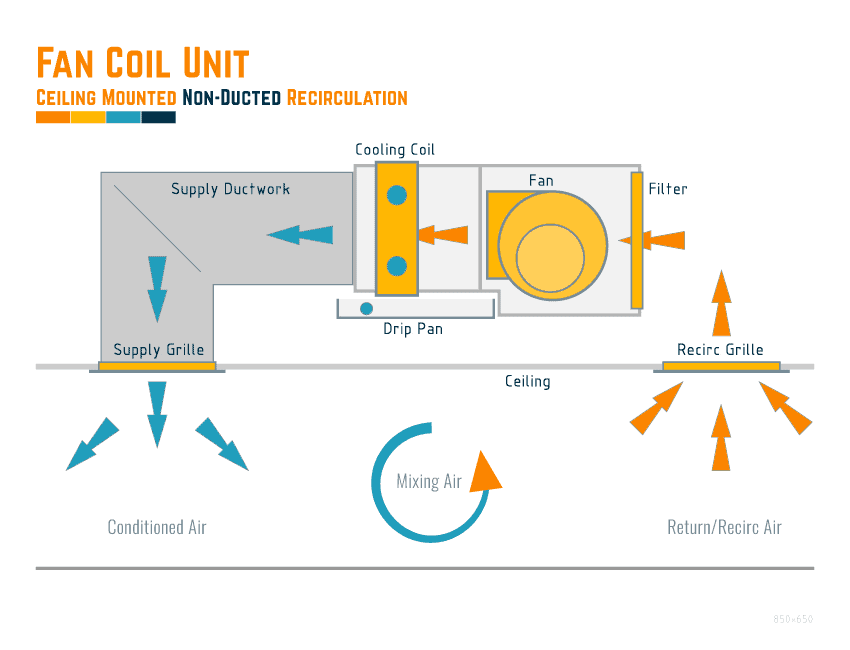
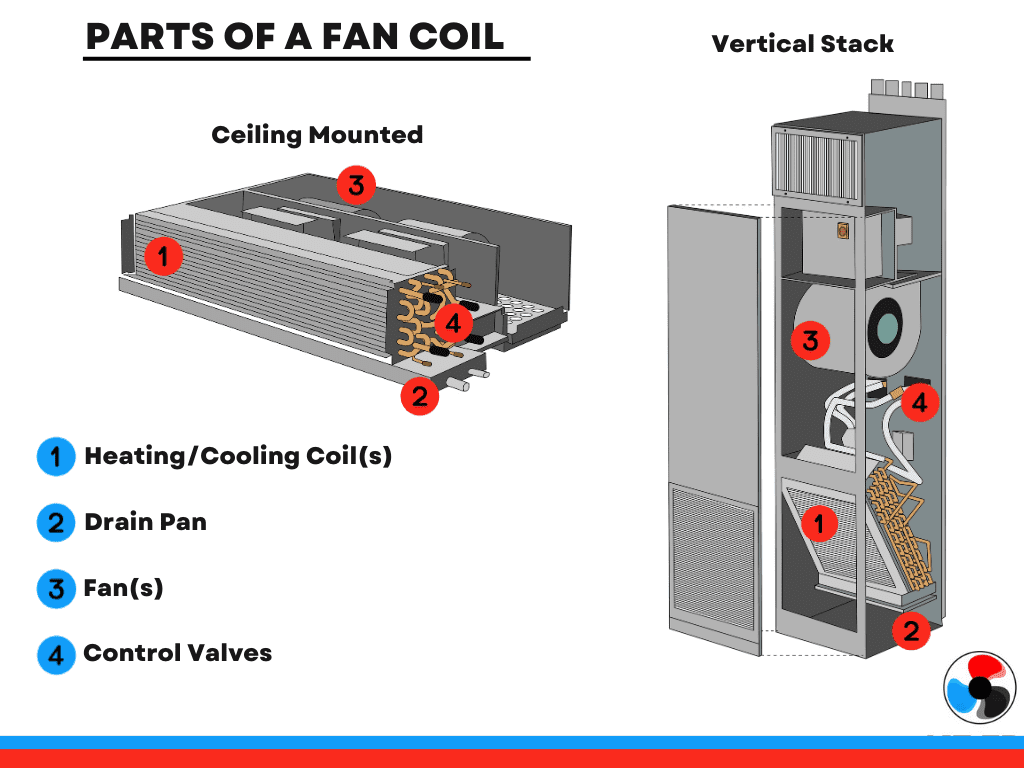
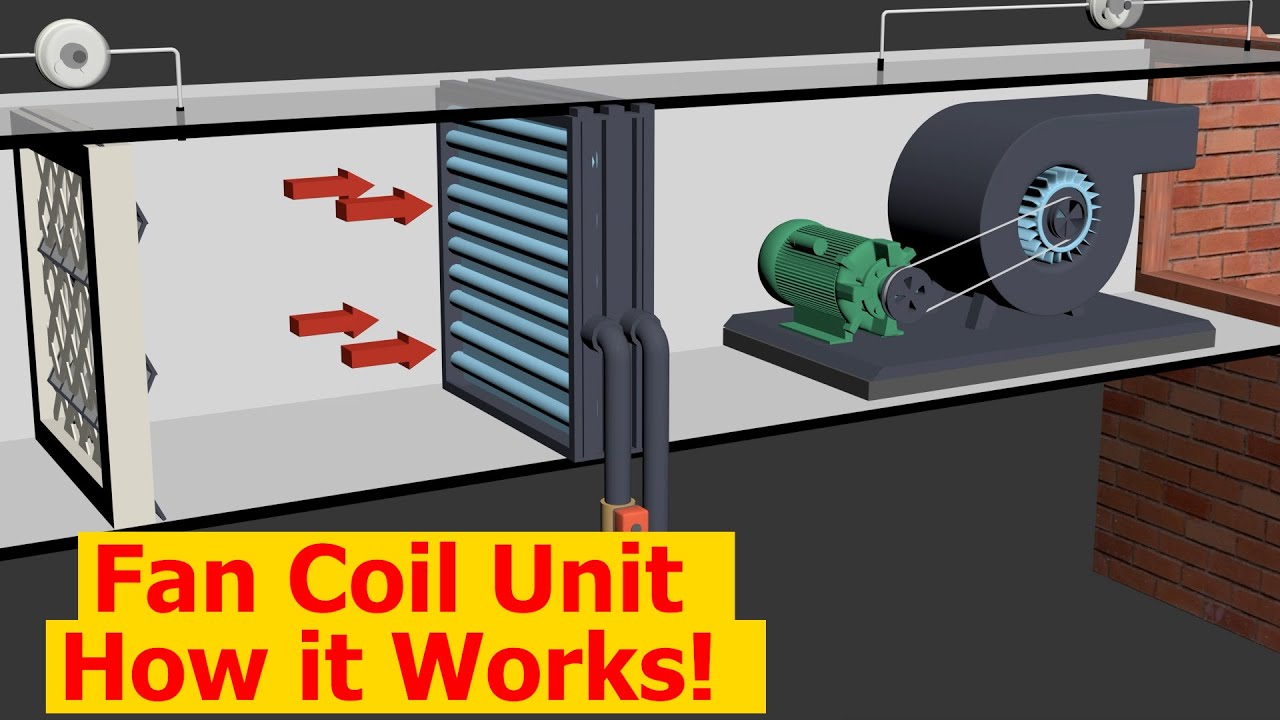
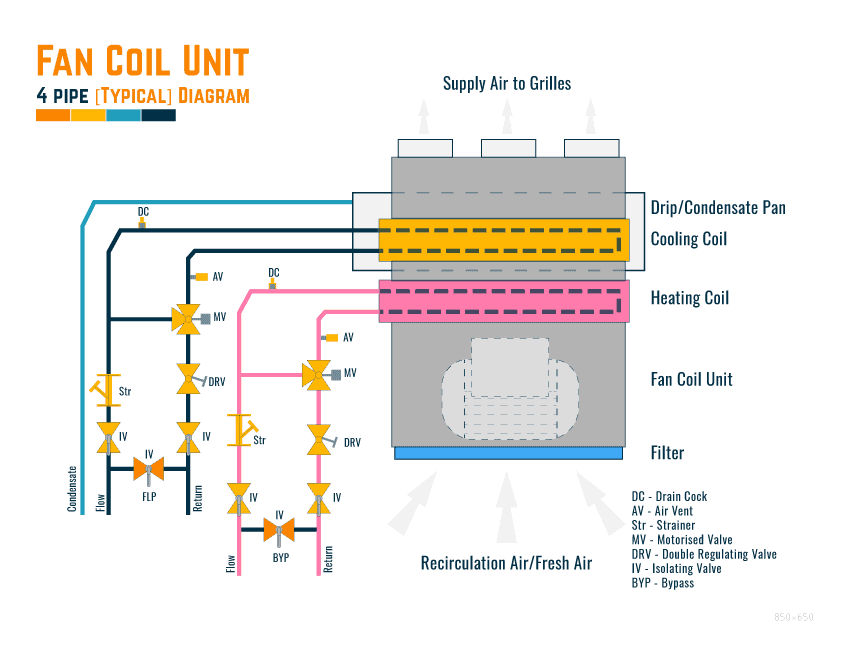
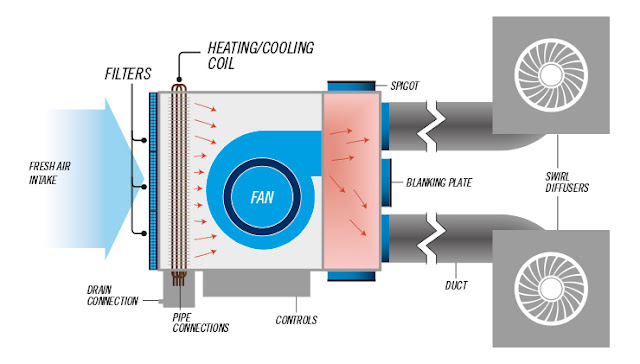
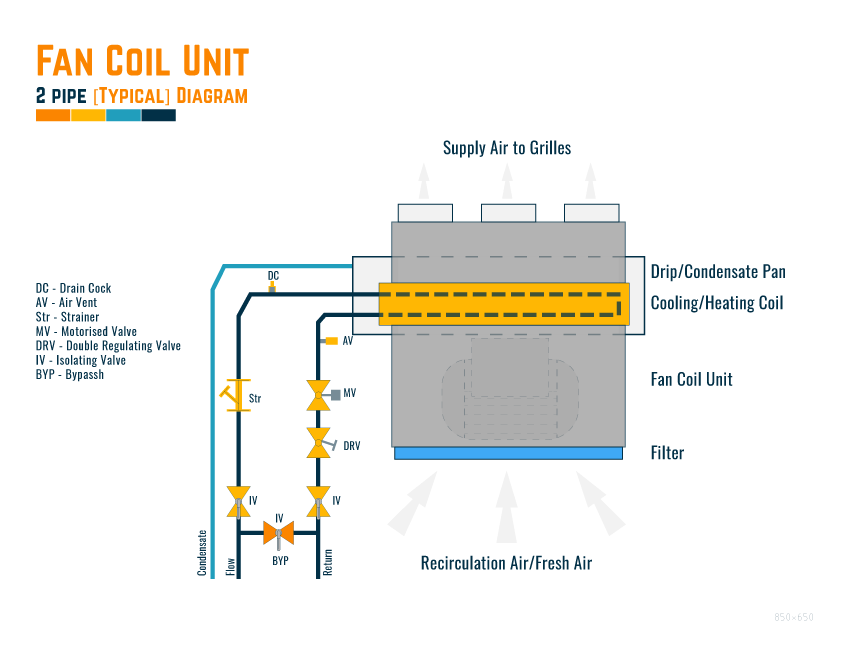
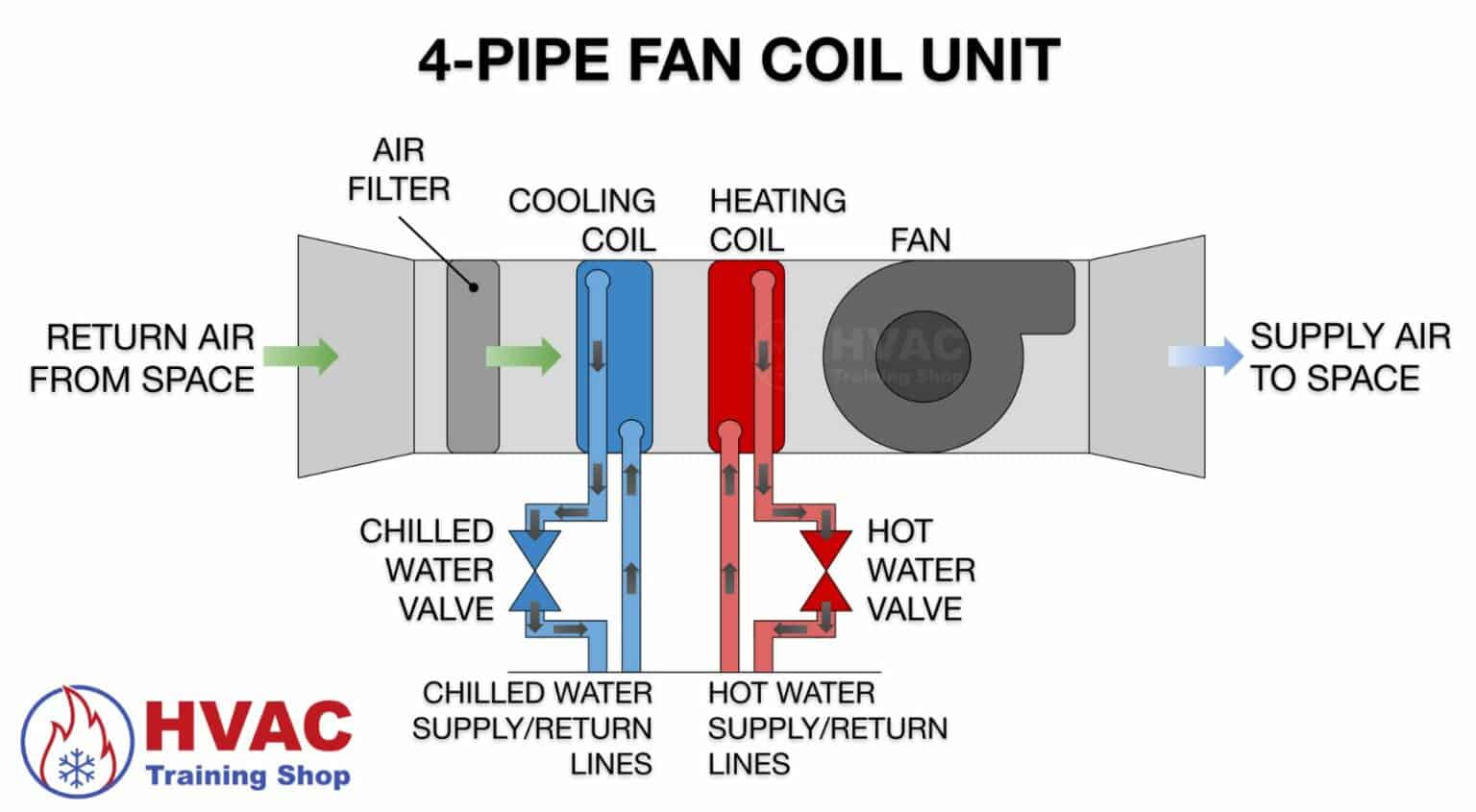
The FCU's primary function is to transfer heat. It does this by using a coil (similar to a car radiator) through which either hot water (for heating) or chilled water (for cooling) flows. A fan blows air across this coil, heating or cooling the air before it's circulated back into the room. Here’s a breakdown:
- Water Supply: A central boiler (for heating) or chiller (for cooling) provides the hot or chilled water. Pipes connect the boiler/chiller to the FCU.
- Coil: The water flows through the coil inside the FCU. This is where the heat exchange happens.
- Fan: The fan blows air across the coil. The air is either heated or cooled depending on the temperature of the water flowing through the coil.
- Filter: An air filter cleans the air before it passes over the coil, preventing dust and debris from accumulating.
- Thermostat: The thermostat controls the fan speed and the flow of hot or chilled water into the coil, regulating the room temperature.
Troubleshooting Common Fan Coil Problems
Let's walk through some common problems and how to diagnose and potentially fix them yourself.
Problem 1: No Heat or Cool Air
This is a frequent complaint. Here’s how to investigate:
- Check the Thermostat: This is always the first step! Make sure the thermostat is set to the correct mode (heat or cool) and that the temperature is set higher (for heat) or lower (for cooling) than the current room temperature. Also, verify the thermostat is powered on and the batteries are good if it's a battery-powered model.
- Inspect the Power Supply: Is the FCU getting power? Check the circuit breaker in your electrical panel. A tripped breaker could be the culprit. Reset the breaker if it's tripped. Important: If the breaker trips repeatedly, call a qualified electrician. This indicates a more serious electrical problem.
- Examine the Air Filter: A clogged air filter restricts airflow, reducing the FCU's efficiency. A severely blocked filter can even prevent the unit from heating or cooling effectively. Solution: Remove the air filter (usually located behind a removable panel on the front of the unit). Hold it up to the light. If you can’t see much light through it, it’s time to clean or replace it. Washable filters can be cleaned with mild soap and water, allowed to dry completely, and then reinstalled. Disposable filters should be replaced with a new one of the same size and type.
- Check the Fan: Turn the FCU on and listen carefully. Can you hear the fan running? If not, the fan motor might be faulty. DIY Caution: Troubleshooting the fan motor itself is generally best left to a professional. However, you can visually inspect the fan blades. Are they obstructed by anything? Sometimes, debris can get lodged in the fan, preventing it from turning. Carefully remove any obstructions.
- Inspect the Water Valves (If Accessible): In some FCU installations, you might have access to shut-off valves on the water supply lines leading to the unit. Ensure these valves are fully open. If they're partially closed, they could be restricting the flow of hot or chilled water. Note: Be very careful when handling water valves. If you're unsure, don't touch them.
When to Call a Pro: If you've checked the thermostat, power supply, air filter, and fan, and the unit still isn't producing heat or cool air, it's time to call a qualified HVAC technician. The problem could be a faulty fan motor, a malfunctioning control board, a problem with the water supply, or an issue with the coil itself. These issues require specialized knowledge and tools.
Problem 2: Weak Airflow
If the FCU is running, but the airflow is weak, consider these possibilities:
- Dirty Air Filter (Again!): A partially clogged filter can still significantly reduce airflow, even if it's not completely blocked. Clean or replace the filter as described above.
- Blocked Vents or Registers: Make sure the supply and return vents in the room are not blocked by furniture, curtains, or other objects. Restricted airflow in the room itself can make the FCU seem less effective.
- Fan Speed Setting: Check the fan speed setting on the FCU or thermostat. Make sure it's set to a high enough speed for adequate airflow. Some thermostats have an "auto" setting, which automatically adjusts the fan speed based on the temperature difference. Try manually setting the fan speed to high to see if that improves airflow.
- Dirty Fan Blades: Over time, dust and debris can accumulate on the fan blades, reducing their efficiency. DIY Caution: Before attempting to clean the fan blades, always disconnect the power to the FCU at the circuit breaker. Carefully clean the fan blades with a soft brush or vacuum cleaner attachment.
- Ductwork Issues (If Applicable): While FCUs typically don't rely on extensive ductwork, some installations might have short duct runs. Check these ducts for leaks or obstructions. Seal any visible leaks with duct tape.
When to Call a Pro: If you've cleaned the filter, checked for obstructions, and verified the fan speed, and the airflow is still weak, the problem could be a more serious issue, such as a failing fan motor or a blockage within the FCU's internal components. A professional HVAC technician can diagnose and repair these problems.
Problem 3: Unusual Noises
Strange noises coming from your FCU can indicate various problems:
- Rattling: Rattling noises often indicate loose components. Check for loose screws or panels on the FCU. Tighten any loose screws you find. If the rattling persists, it could be a more serious problem, such as a worn-out fan motor bearing.
- Squealing: Squealing noises often indicate a slipping fan belt (if your FCU has one) or a dry fan motor bearing. DIY Caution: Replacing a fan belt requires some mechanical skill. If you're not comfortable doing it yourself, call a professional. Lubricating a fan motor bearing is also best left to a professional, as improper lubrication can damage the motor.
- Humming: A humming noise could indicate an electrical problem or a problem with the fan motor. If the humming is loud or accompanied by a burning smell, immediately turn off the FCU and call a qualified electrician or HVAC technician.
- Gurgling: A gurgling noise could indicate air in the water lines. This is more common in heating systems. Sometimes, bleeding the air from the system can resolve this issue. However, this process can be complex and requires specialized knowledge.
When to Call a Pro: Any unusual noise that persists after you've checked for loose components or that is accompanied by a burning smell or other unusual symptoms warrants a call to a qualified HVAC technician. Ignoring these noises can lead to more serious and costly problems.
Problem 4: Leaking Water
Water leaks are a serious problem that needs immediate attention:
- Condensation Drain Line Clog: In cooling mode, FCUs produce condensation. This condensation is collected in a drain pan and then flows out through a drain line. If the drain line becomes clogged, the water can back up and leak. Solution: Locate the drain line (usually a small PVC pipe) and try to clear any clogs. You can use a wet/dry vacuum to suck out any debris. You can also try pouring a cup of diluted bleach into the drain line to kill any algae or mold that might be causing the blockage.
- Damaged Drain Pan: Inspect the drain pan for cracks or damage. If the drain pan is cracked, it will need to be replaced.
- Leaking Water Connections: Check the water connections to the FCU for leaks. Tighten any loose connections. If the leak persists, you may need to replace the fittings or piping. DIY Caution: Working with plumbing requires some skill and knowledge. If you're not comfortable doing it yourself, call a professional plumber.
- Coil Leaks: In rare cases, the coil itself can leak. This is a serious problem that requires professional repair or replacement.
When to Call a Pro: If you can't clear the drain line clog, if the drain pan is damaged, or if you suspect a coil leak, call a qualified HVAC technician or plumber immediately. Water leaks can cause significant damage to your home.
Preventive Maintenance: Keeping Your FCU Running Smoothly
The best way to avoid problems with your fan coil unit is to perform regular preventive maintenance:
- Change or Clean the Air Filter Regularly: This is the most important thing you can do to keep your FCU running efficiently. Check the filter monthly and clean or replace it as needed.
- Clean the Fan Blades Annually: As described above, dust and debris can accumulate on the fan blades over time.
- Inspect the Unit Regularly: Look for any signs of leaks, damage, or corrosion.
- Schedule Professional Maintenance: Have a qualified HVAC technician inspect your FCU annually. They can identify and address potential problems before they become serious.
Safety First!
- Always disconnect the power to the FCU at the circuit breaker before performing any maintenance or repairs.
- Never work on electrical components unless you are a qualified electrician.
- Be careful when handling water to avoid slips and falls.
- If you're unsure about anything, call a qualified professional.
By following these troubleshooting steps and performing regular maintenance, you can keep your fan coil unit running smoothly and efficiently for years to come. Remember, don't hesitate to call a professional when you're dealing with complex problems or electrical components. Stay safe and enjoy a comfortable home!