How Does A Fan Coil Work
Understanding Fan Coil Units: A Comprehensive Guide for HVAC Professionals
Fan coil units (FCUs) are a common sight in commercial and residential HVAC systems, offering a versatile and efficient way to heat and cool individual spaces. Whether you're a student just starting your HVAC journey, a seasoned technician looking to expand your skillset, or an employer seeking to understand the technology your team handles, this article will provide a detailed overview of how fan coil units work.
The Basic Principles of Fan Coil Operation
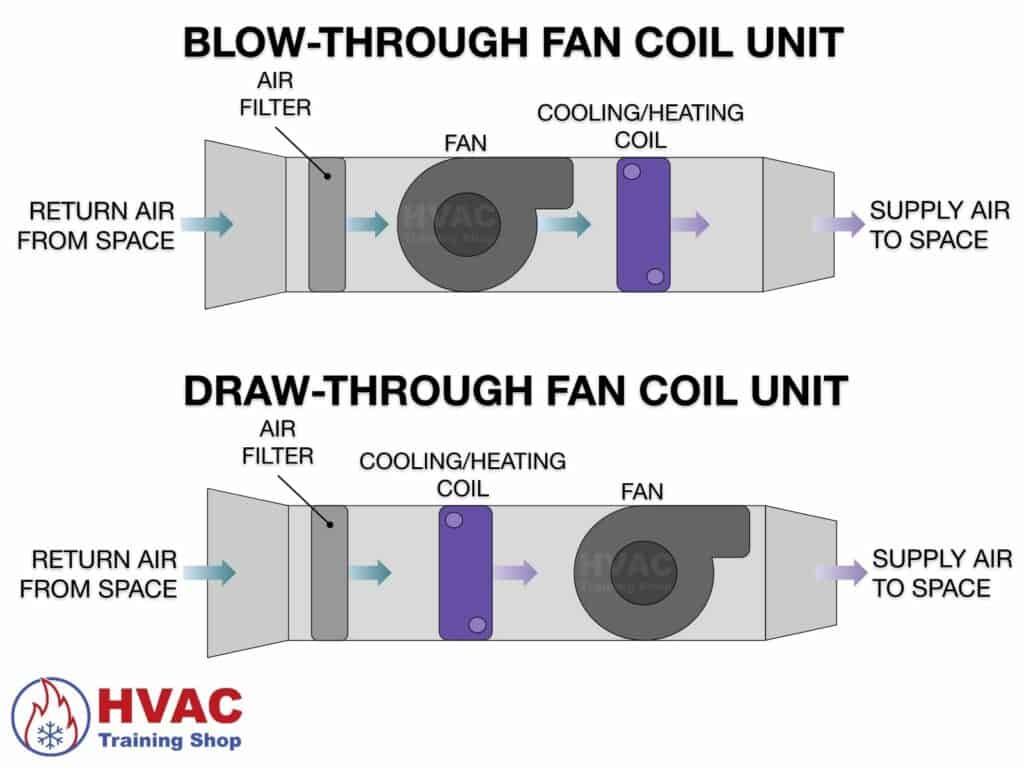
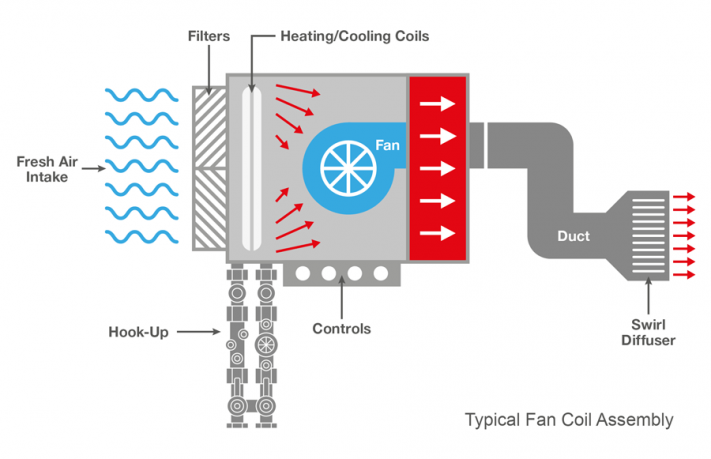
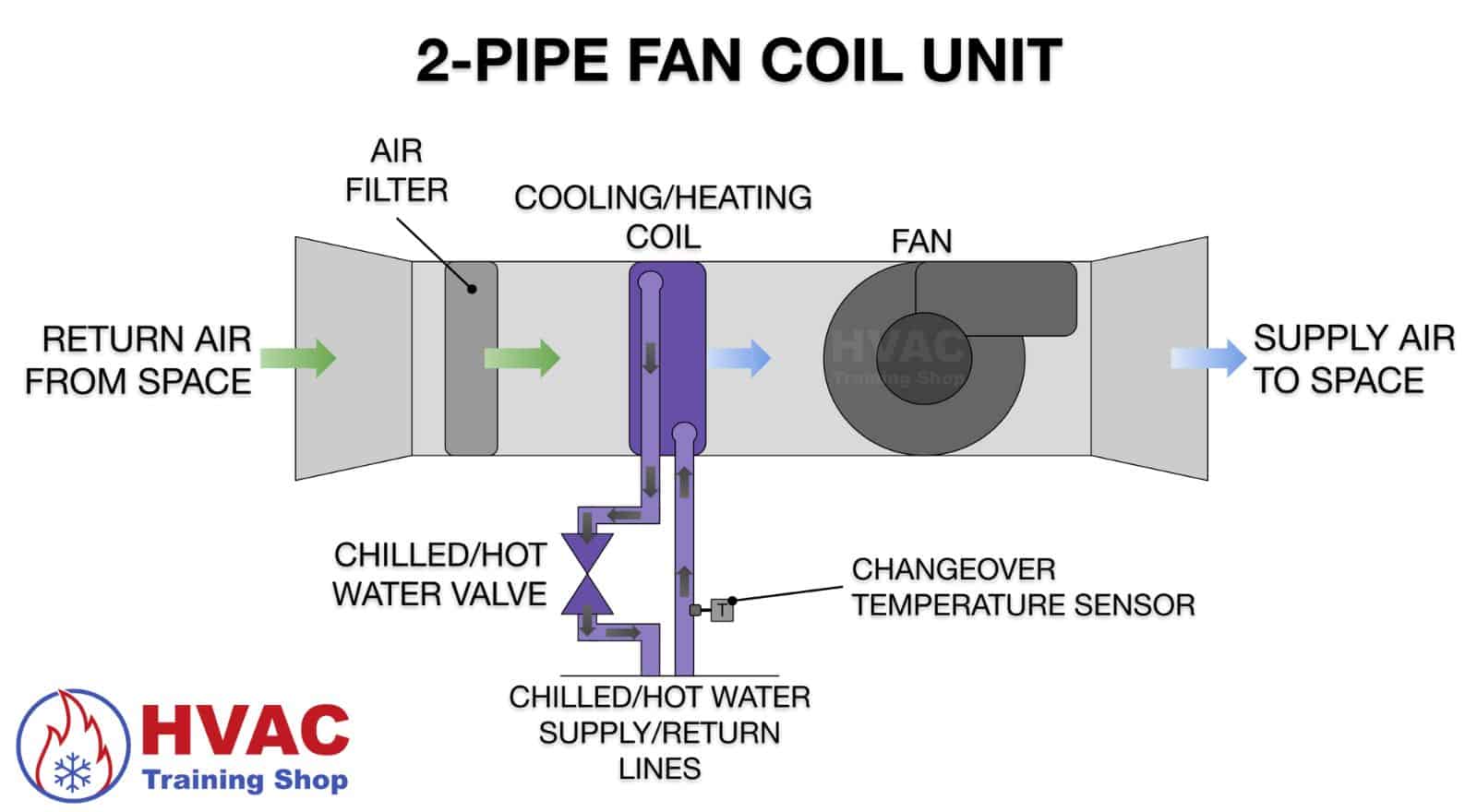
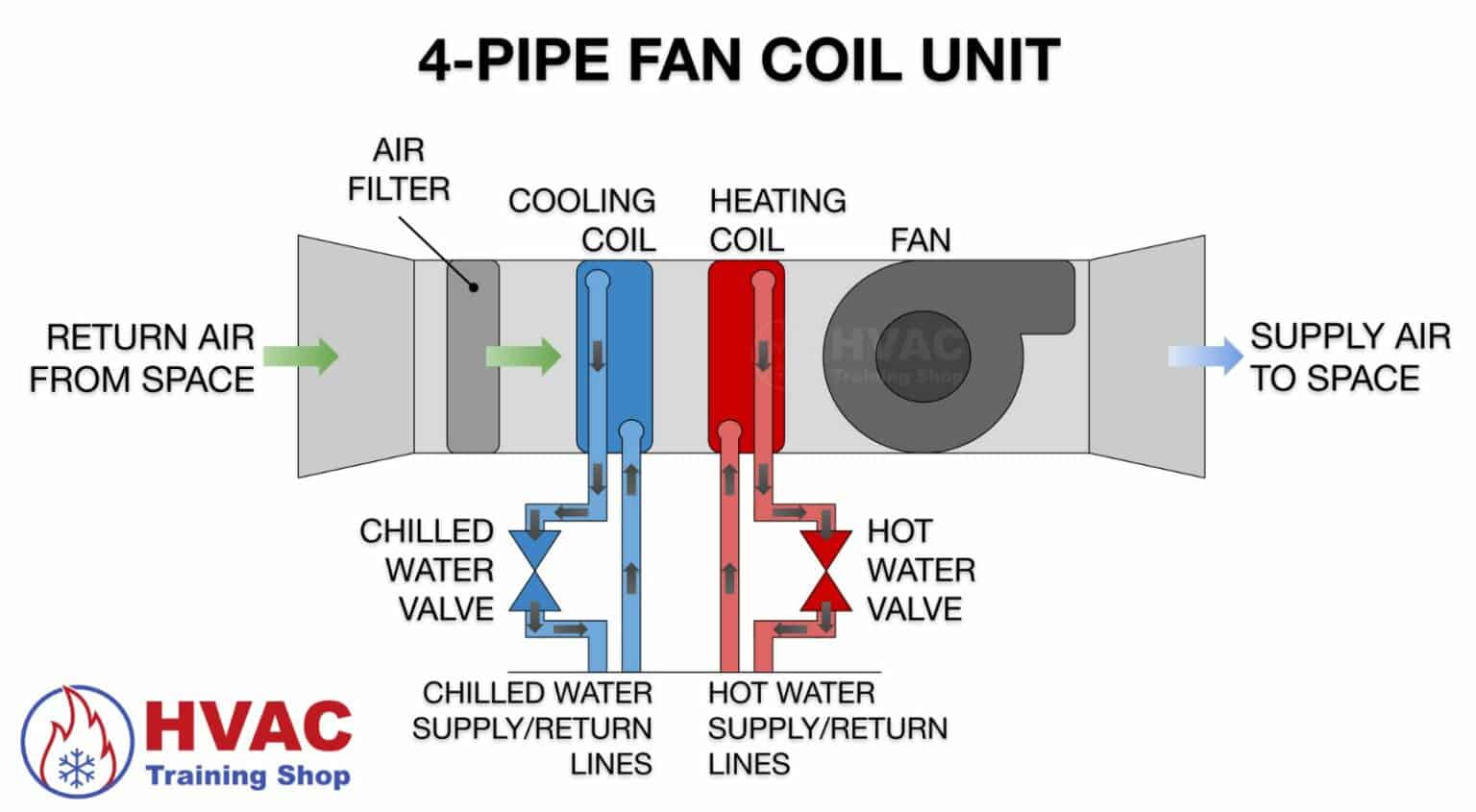
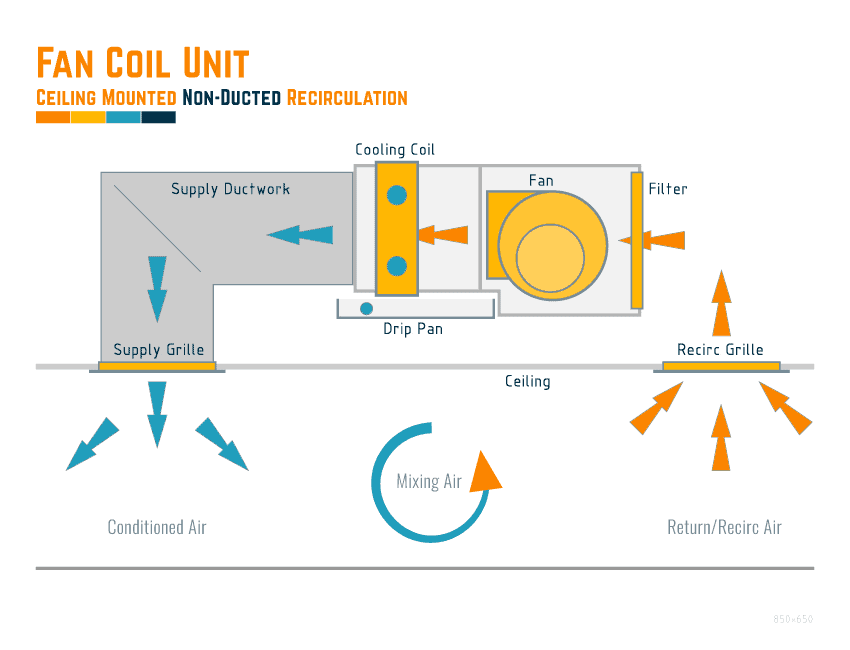
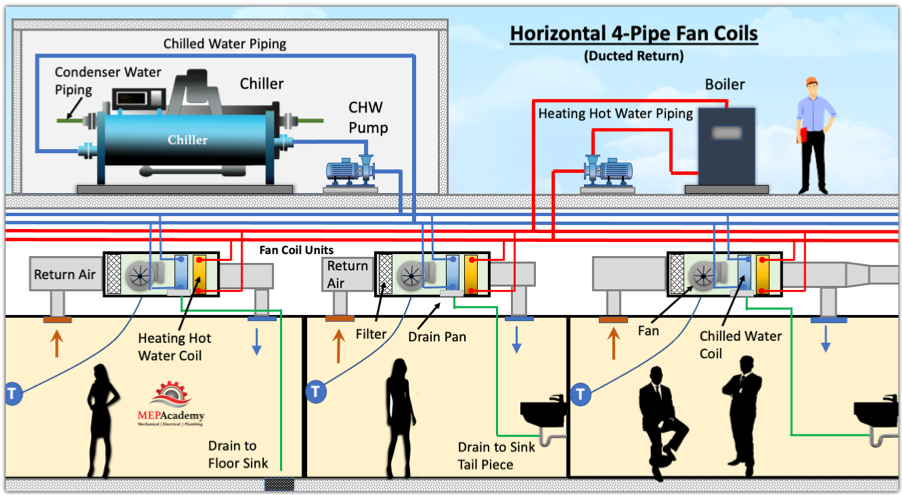
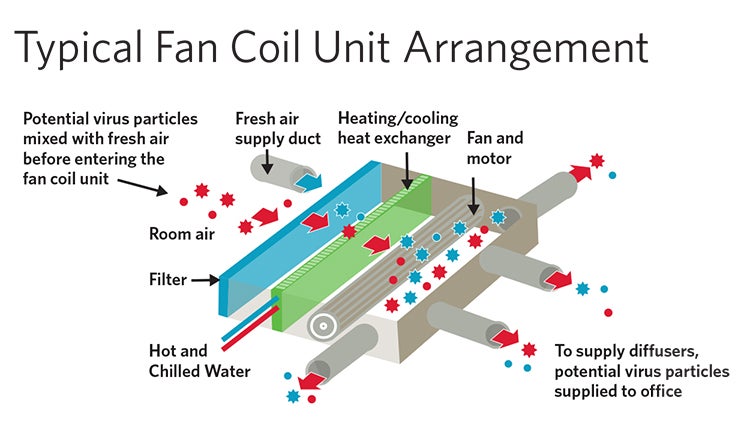
At its core, a fan coil unit is a simple system. It consists of a coil (similar to a car radiator), a fan, and a filter, all housed within a cabinet. The coil is connected to a chilled water or hot water loop, which is supplied by a central chiller or boiler. The fan draws air from the room, passes it over the coil, and then discharges the conditioned air back into the space.
Here's a breakdown of the key components and their functions:
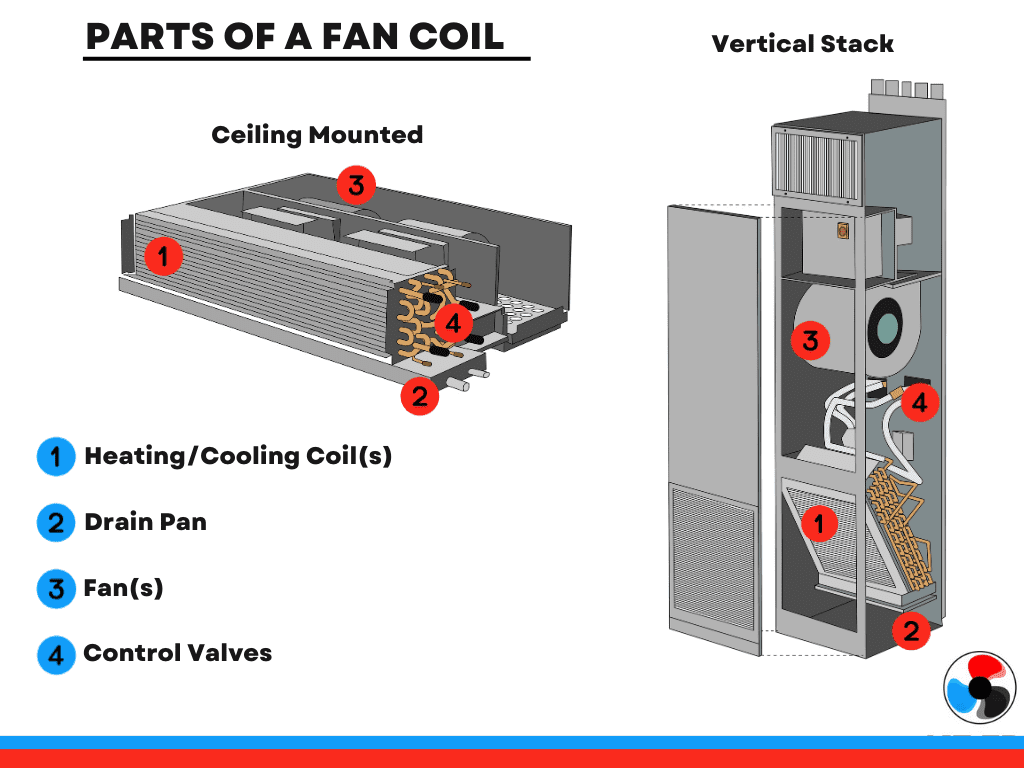
- Coil: This is where the heat transfer occurs. Chilled water absorbs heat from the air, cooling it down. Hot water releases heat into the air, warming it up. The coil is typically made of copper or aluminum for efficient heat transfer.
- Fan: The fan circulates air across the coil. Fan speed can often be adjusted to control the amount of heating or cooling provided. Different types of fans are used, including centrifugal and tangential fans, each with its own advantages in terms of airflow and noise level.
- Filter: The filter removes dust, pollen, and other particulate matter from the air before it passes over the coil. Regular filter maintenance is crucial for maintaining air quality and preventing coil fouling.
- Cabinet: The cabinet houses all the components and provides a finished appearance. Cabinets come in various styles to suit different applications, including wall-mounted, ceiling-mounted, and floor-standing units.
- Controls: Fan coil units are equipped with controls to regulate temperature and fan speed. These controls can range from simple manual thermostats to sophisticated building automation systems (BAS).
Types of Fan Coil Units
Fan coil units come in various configurations to suit different applications and building designs. The most common types include:
- Two-pipe systems: These systems use a single set of pipes to supply either chilled water for cooling or hot water for heating. The system switches between cooling and heating modes depending on the season.
- Four-pipe systems: These systems have separate pipes for chilled water and hot water, allowing for simultaneous heating and cooling in different zones. This is ideal for buildings with varying occupancy patterns or solar loads.
- Two-pipe with electric heat: These systems combine a two-pipe chilled water/hot water system with electric resistance heating as a backup. This allows for supplemental heating when the water temperature is not sufficient.
Maintenance and Troubleshooting
Proper maintenance is essential for ensuring the efficient and reliable operation of fan coil units. Common maintenance tasks include:
- Filter replacement: Regularly replacing the air filter is crucial for maintaining air quality and preventing coil fouling. Dirty filters reduce airflow and can lead to decreased cooling or heating performance.
- Coil cleaning: Over time, dust and debris can accumulate on the coil, reducing its heat transfer efficiency. Periodic coil cleaning is necessary to maintain optimal performance.
- Fan motor lubrication: Some fan motors require lubrication to ensure smooth operation and prevent premature failure.
- Drain pan cleaning: Condensate can collect in the drain pan and breed bacteria and mold. Regular cleaning of the drain pan is essential for maintaining air quality.
- Control system calibration: Ensuring the control system is properly calibrated is crucial for accurate temperature control.
Troubleshooting common fan coil unit problems involves identifying the root cause of the issue and implementing the appropriate corrective action. Common problems include:
- No cooling or heating: This could be due to a lack of chilled or hot water supply, a faulty thermostat, a tripped circuit breaker, or a malfunctioning fan motor.
- Low airflow: This could be due to a dirty filter, a blocked coil, or a failing fan motor.
- Water leaks: This could be due to a corroded coil, a loose fitting, or a clogged drain line.
- Excessive noise: This could be due to a loose fan blade, a worn bearing, or a vibrating cabinet.
Career Opportunities in Fan Coil Systems
The HVAC industry offers a wide range of career opportunities for individuals with skills in fan coil systems. According to the U.S. Bureau of Labor Statistics, the median annual wage for HVAC technicians was $51,390 in May 2022. The job outlook is projected to grow 6 percent from 2022 to 2032, about as fast as the average for all occupations. Approximately 41,600 openings for HVAC mechanics and installers are projected each year, on average, over the decade.
Here are some career paths related to fan coil systems:
- HVAC Technician: Install, maintain, and repair fan coil units in residential and commercial buildings.
- HVAC Mechanic: Focus on the mechanical aspects of fan coil systems, such as coil replacement, fan motor repair, and pipefitting.
- HVAC Service Technician: Troubleshoot and repair fan coil unit problems, providing on-site service to customers.
- HVAC Controls Technician: Install and maintain the control systems that regulate fan coil unit operation.
- HVAC Design Engineer: Design HVAC systems, including fan coil units, for new and existing buildings.
- Building Automation Systems (BAS) Specialist: Integrate fan coil units into building automation systems for centralized control and monitoring.
- HVAC Sales Engineer: Sell fan coil units and related equipment to contractors and building owners.
Real-world example: Consider Maria, who started as an HVAC apprentice after completing a vocational training program. She gained experience working with various types of fan coil units and obtained her EPA 608 certification for handling refrigerants. Maria then pursued NATE certification in HVAC service, which validated her expertise and boosted her earning potential. Now, she's a lead technician at a large commercial HVAC company, specializing in the maintenance and repair of complex fan coil systems. Maria also trains junior technicians, contributing to the growth of the next generation of HVAC professionals.
Certifications and Professional Development
Earning certifications can significantly enhance your career prospects in the HVAC industry. Some relevant certifications include:
- NATE (North American Technician Excellence): NATE certification is a widely recognized industry standard that validates the knowledge and skills of HVAC technicians. NATE offers certifications in various specialties, including HVAC service, installation, and efficiency.
- EPA 608 Certification: This certification is required for technicians who handle refrigerants. It demonstrates that the technician is trained in proper refrigerant handling practices and understands the environmental regulations related to refrigerant management.
- HVAC Excellence: HVAC Excellence offers a range of certifications for HVAC educators and technicians. Their certifications focus on demonstrating competency in specific areas of HVAC technology.
Beyond certifications, continuous professional development is crucial for staying up-to-date with the latest advancements in fan coil technology and HVAC best practices. Consider attending industry conferences, workshops, and online training courses to expand your knowledge and skills. Many manufacturers offer training programs on their specific fan coil unit models, which can be invaluable for technicians who work with those units regularly.
Industry Trends and the Future of Fan Coil Units
The HVAC industry is constantly evolving, and fan coil technology is no exception. Some of the key trends shaping the future of fan coil units include:
- Energy Efficiency: Increasing focus on energy efficiency is driving the development of more efficient fan coil units. This includes features such as variable speed fans, advanced control algorithms, and improved coil designs.
- Smart Controls: Smart thermostats and building automation systems are becoming increasingly common, allowing for more precise control of fan coil units and improved energy management.
- Improved Air Quality: Concerns about indoor air quality are driving the development of fan coil units with advanced filtration systems and UV-C sterilization technology.
- Sustainable Materials: Manufacturers are increasingly using sustainable materials in the construction of fan coil units to reduce their environmental impact.
The move towards electrification, spurred by regulations and incentives, is influencing HVAC designs. Heat pumps paired with fan coil units are becoming increasingly popular, offering a clean and efficient way to heat and cool buildings. As the industry evolves, technicians who are proficient in the installation, maintenance, and repair of these integrated systems will be in high demand.
Statistics: According to a recent report by Grand View Research, the global fan coil unit market size was valued at USD 4.47 billion in 2022 and is expected to grow at a compound annual growth rate (CAGR) of 5.6% from 2023 to 2030. This growth is driven by increasing demand for energy-efficient HVAC systems and the rising adoption of fan coil units in commercial buildings and residential apartments.
By understanding the principles of fan coil operation, staying up-to-date with industry trends, and pursuing relevant certifications, HVAC professionals can position themselves for successful and rewarding careers in this dynamic field. For employers, investing in training and development for your team will ensure they have the skills and knowledge to meet the evolving demands of the HVAC industry and provide exceptional service to your customers.