How Does A Fluorescent Dye Leak Detector Work
Unveiling HVAC Leaks: How Fluorescent Dye Leak Detectors Work
Maintaining an efficient HVAC system is crucial for home comfort and energy savings. Even a small refrigerant leak can significantly reduce your system's performance, leading to higher energy bills and potential damage to the unit. One effective method for identifying these leaks is using a fluorescent dye leak detector. This article will delve into how these detectors work, their benefits, and what you should consider when dealing with refrigerant leaks in your HVAC system.
Understanding Refrigerant Leaks
Refrigerant is the lifeblood of your air conditioning or heat pump system. It cycles through the system, absorbing heat from inside your home and releasing it outside. When a leak occurs, the system loses refrigerant, reducing its cooling capacity. Common signs of a refrigerant leak include:
- Reduced cooling performance
- Ice buildup on the evaporator coil
- Hissing sound near the unit
- Higher than usual energy bills
Addressing leaks promptly is essential to prevent further damage to the compressor, which is the most expensive component of your HVAC system. Ignoring leaks can lead to costly repairs and ultimately, the need for a complete system replacement.
How Fluorescent Dye Leak Detection Works
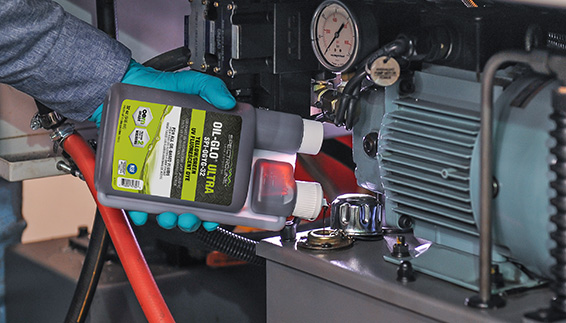
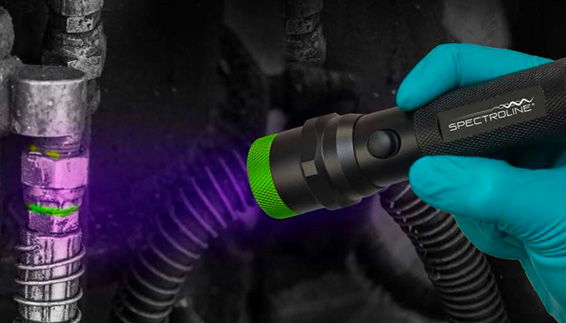
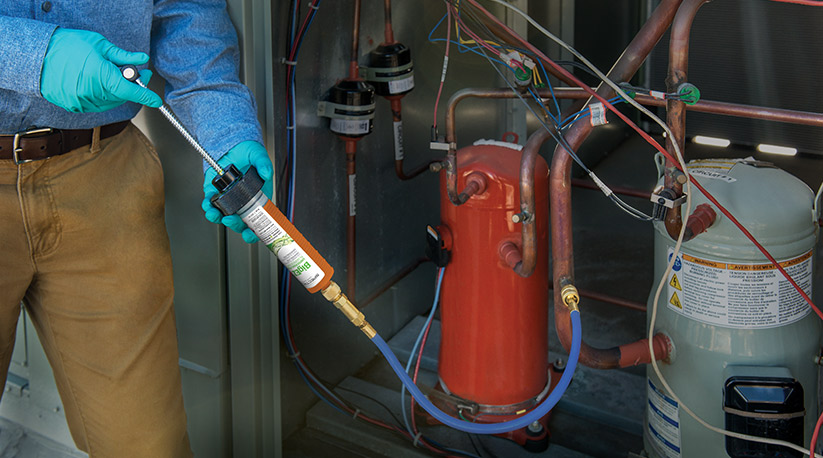
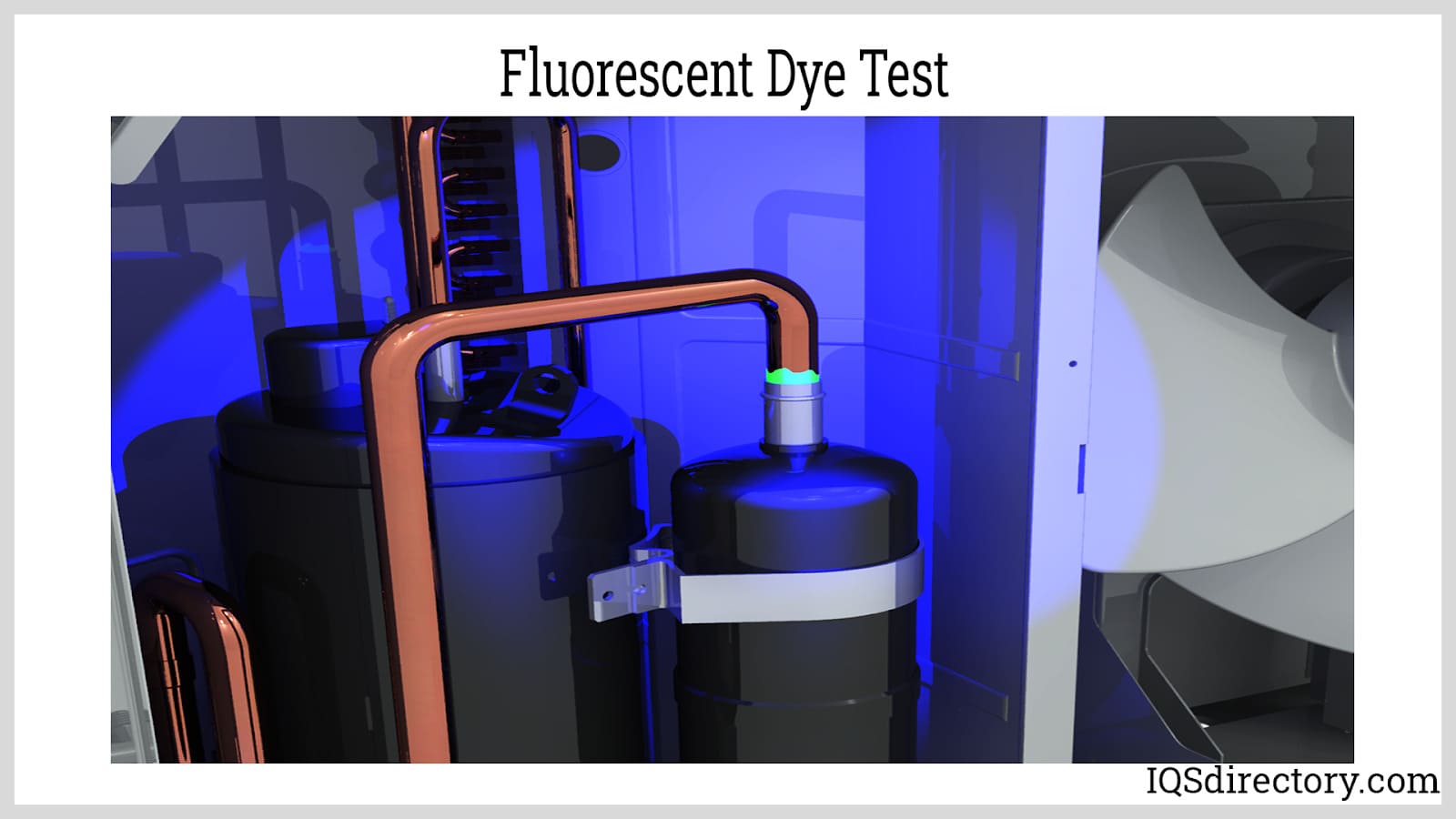
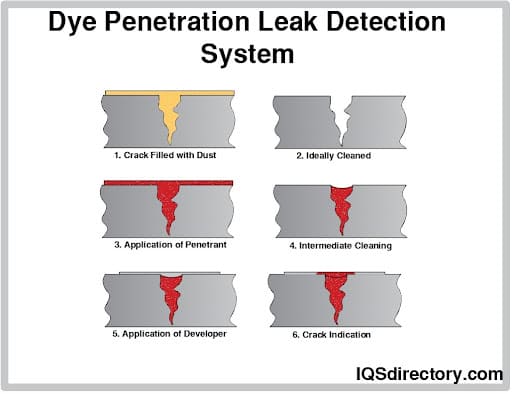
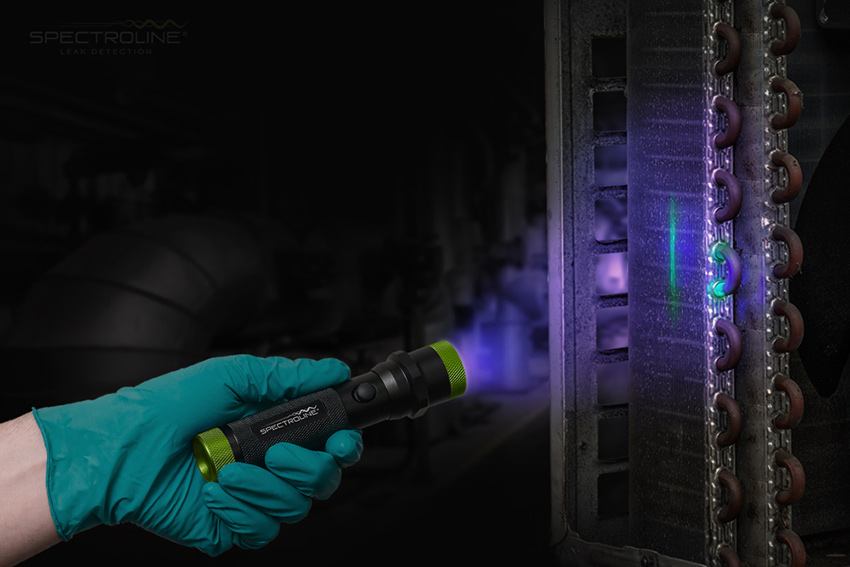
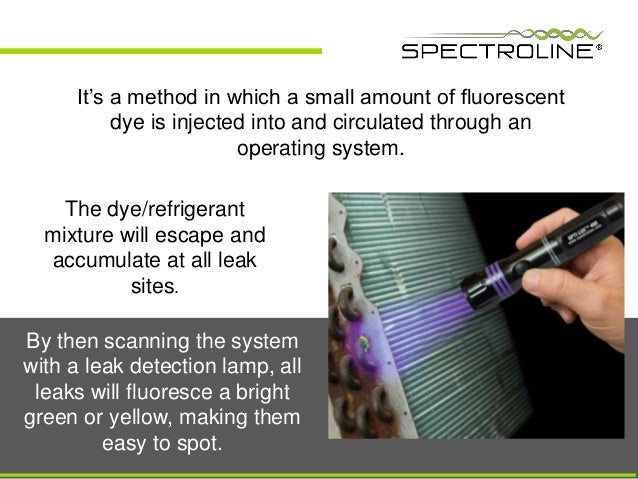
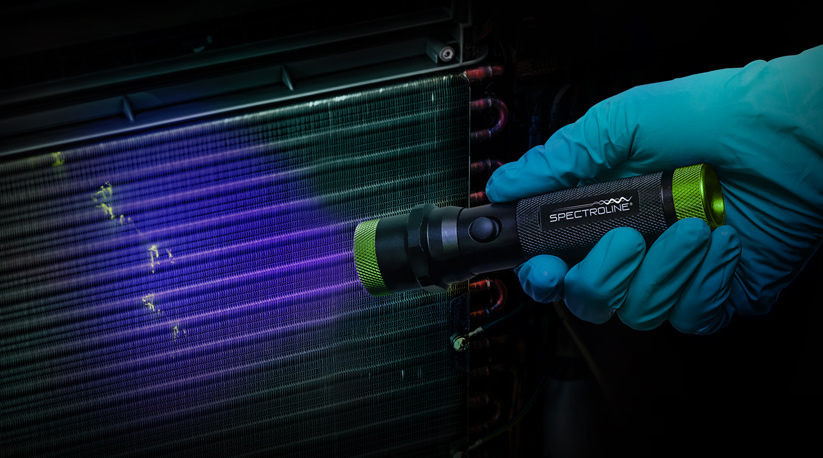
Fluorescent dye leak detection is a non-invasive method for locating refrigerant leaks. The process involves injecting a special fluorescent dye into the system's refrigerant lines. This dye circulates with the refrigerant and escapes wherever there is a leak. The escaped dye is then illuminated using a UV (ultraviolet) light, making the leak easily visible, even in hard-to-reach areas.
The Step-by-Step Process:
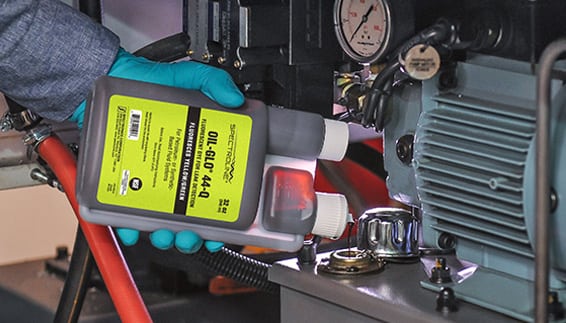
- Injection: A technician will inject a small amount of fluorescent dye into the HVAC system's refrigerant lines. The amount of dye used is carefully measured to avoid any adverse effects on the system's performance.
- Circulation: The dye circulates throughout the system along with the refrigerant during normal operation. This process usually takes several hours, or even a day or two, depending on the size and complexity of the system.
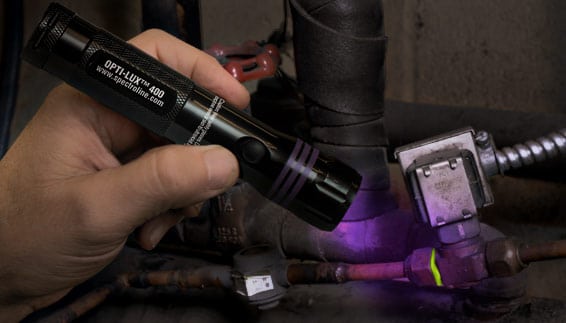
- Inspection: After the dye has had sufficient time to circulate, the technician uses a UV light to inspect the system's components, including the evaporator coil, condenser coil, and refrigerant lines.
- Detection: Under UV light, the dye glows brightly wherever it escapes from the system, pinpointing the exact location of the leak.
Advantages of Fluorescent Dye Leak Detection
Fluorescent dye leak detection offers several advantages over other leak detection methods, such as soap bubble testing or electronic leak detectors:
- Accuracy: It can pinpoint even small, hard-to-find leaks.
- Non-Invasive: The process doesn't require dismantling the system.
- Versatile: It can be used on various HVAC systems, including air conditioners, heat pumps, and refrigerators.
- Cost-Effective: It can save time and money by quickly identifying the leak location, reducing labor costs.
Potential Drawbacks
While fluorescent dye leak detection is generally safe and effective, there are a few potential drawbacks to consider:
- Dye Quality: Using low-quality dye can potentially contaminate the system. It's crucial to ensure that the dye is specifically designed for HVAC systems and compatible with the refrigerant used. Reputable HVAC technicians will only use high-quality, approved dyes.
- Proper Installation: Incorrect dye injection can also cause problems. It's essential to have a qualified technician perform the procedure.
- Long-Term Effects: While rare, some concerns have been raised about the potential long-term effects of dye on system components. However, modern dyes are designed to be chemically stable and non-reactive, minimizing this risk.
Choosing the Right HVAC System and Preventing Leaks
When replacing or upgrading your HVAC system, selecting a high-quality unit from a reputable manufacturer is essential to minimize the risk of refrigerant leaks. Consider the following factors:
- Brand Reputation: Research different HVAC brands and read reviews to gauge their reliability and performance. Popular brands like Carrier, Trane, Lennox, and Rheem are known for their quality and durability.
- Energy Efficiency: Look for systems with high SEER (Seasonal Energy Efficiency Ratio) ratings for cooling efficiency and HSPF (Heating Seasonal Performance Factor) ratings for heating efficiency (for heat pumps). A higher rating translates to lower energy bills.
- Warranty: Check the warranty terms and conditions offered by the manufacturer. A comprehensive warranty provides protection against defects and premature failures.
- Installation Quality: Proper installation is crucial for optimal performance and leak prevention. Choose a certified and experienced HVAC contractor to install your system.
Popular HVAC Brands and Models (Examples)
Here are a few examples of popular HVAC systems and their key features:
- Carrier Infinity Series: Offers top-of-the-line efficiency and features, including variable-speed technology and advanced controls. AFUE up to 98.5% (furnaces), SEER up to 26 (air conditioners), HSPF up to 13 (heat pumps).
- Trane XV Series: Known for their reliability and durability, Trane XV systems offer excellent energy efficiency and quiet operation. AFUE up to 97.3% (furnaces), SEER up to 22 (air conditioners), HSPF up to 10 (heat pumps).
- Lennox Signature Series: Provides premium comfort and energy savings, with features like solar-ready options and smart thermostats. AFUE up to 99% (furnaces), SEER up to 28 (air conditioners), HSPF up to 10 (heat pumps).
Note: AFUE ratings apply to furnaces, while SEER ratings apply to air conditioners, and HSPF ratings apply to heat pumps. Higher ratings indicate better energy efficiency.
Regular Maintenance is Key
Preventive maintenance is essential for extending the lifespan of your HVAC system and preventing refrigerant leaks. Schedule regular checkups with a qualified HVAC technician to:
- Inspect refrigerant levels
- Clean coils and components
- Check for leaks
- Tighten connections
- Replace filters
Regular maintenance can help identify and address potential problems before they escalate into costly repairs.
Warranty Considerations
HVAC systems typically come with two types of warranties: a manufacturer's warranty and a contractor's warranty.
- Manufacturer's Warranty: Covers defects in materials and workmanship. The length of the warranty varies depending on the manufacturer and the specific component.
- Contractor's Warranty: Covers the installation labor. The length of this warranty also varies, so be sure to ask your contractor about their warranty policy.
Read the warranty terms and conditions carefully to understand what is covered and what is not. Regular maintenance is often required to maintain the validity of the warranty.
Cost Considerations
The cost of a new HVAC system varies depending on the size of your home, the type of system you choose, and the complexity of the installation. Factors affecting cost include:
- System Size (BTU rating)
- Energy Efficiency (SEER, HSPF, AFUE ratings)
- Brand and Model
- Installation Labor
- Ductwork Modifications (if needed)
Obtain quotes from multiple contractors to compare prices and services. Be sure to ask for a detailed breakdown of the costs, including equipment, labor, and any additional fees. When receiving quotes for leak detection and repair, ensure the technician is using proper methods, including, if applicable, high-quality fluorescent dye designed for HVAC systems.
Conclusion
Fluorescent dye leak detection is a valuable tool for identifying and repairing refrigerant leaks in HVAC systems. By understanding how this technology works and taking proactive steps to prevent leaks, you can maintain an efficient and reliable HVAC system, save money on energy bills, and ensure your home remains comfortable year-round. Investing in a high-quality system from a reputable brand, ensuring proper installation, and scheduling regular maintenance are key to minimizing the risk of refrigerant leaks and maximizing the lifespan of your HVAC equipment.