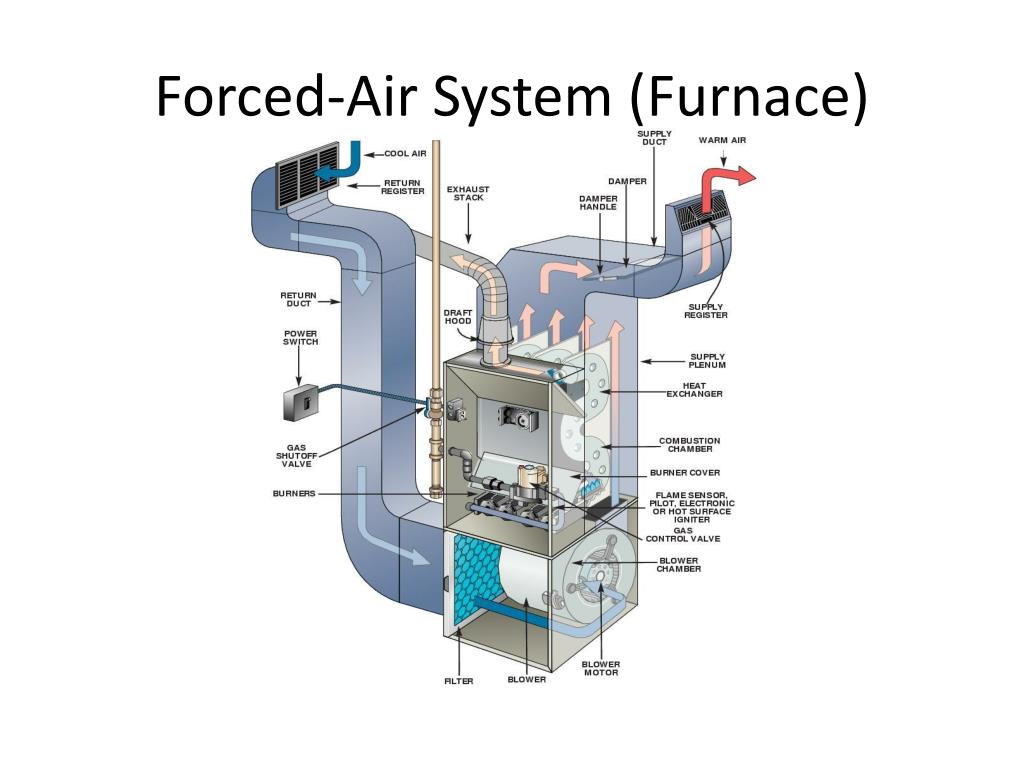
How Does A Forced Air Furnace Work

A forced air furnace is a common and efficient way to heat homes and buildings. Understanding how it works can help you troubleshoot minor issues, communicate effectively with HVAC technicians, and make informed decisions about maintenance and replacements. This guide breaks down the process into simple steps.
The Basic Principles of a Forced Air Furnace
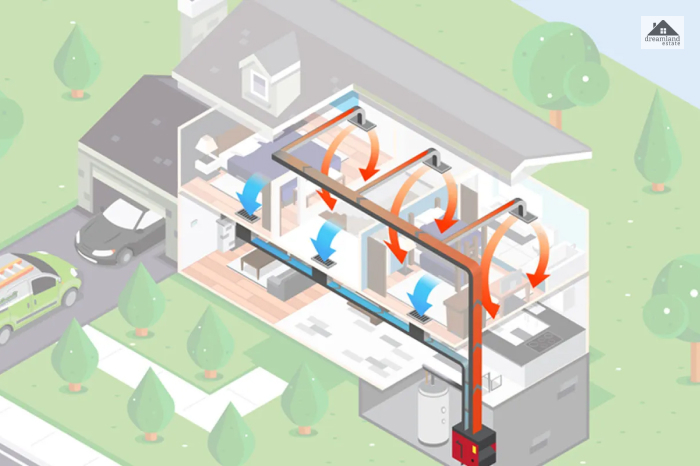
At its core, a forced air furnace operates on a straightforward principle: it heats air and then uses a blower fan to distribute that warm air throughout your home via a network of ductwork. The furnace's primary function is to take cold air, heat it significantly, and then propel it into your living spaces. Let’s explore each component in detail.
Components of a Forced Air Furnace
A typical forced air furnace consists of several key components:
- Thermostat: The control center of your heating system. It senses the temperature in your home and signals the furnace to turn on or off to maintain your desired temperature.
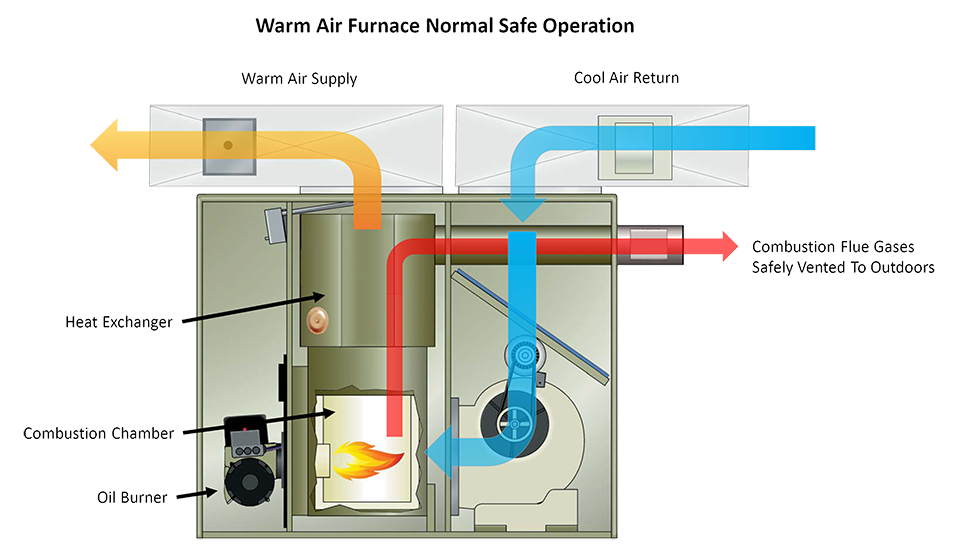
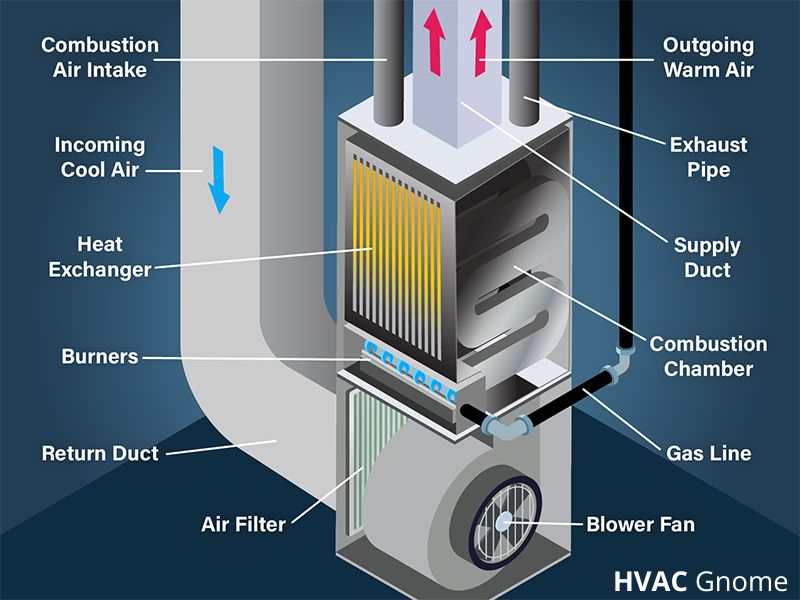
- Burner: Where the fuel (natural gas, propane, or oil) is combusted to generate heat.
- Heat Exchanger: A series of metal coils or chambers that transfer heat from the burning fuel to the air circulating through the furnace. It's crucial that the heat exchanger remains intact, as cracks can leak dangerous gases like carbon monoxide.
- Blower Fan: An electric fan that circulates air through the furnace, over the heat exchanger, and into your ductwork.
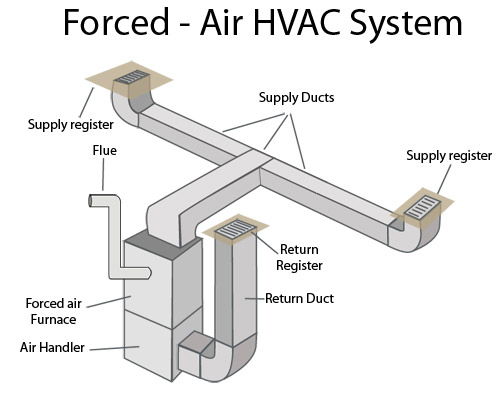
- Ductwork: A network of metal or fiberglass tubes that distribute the heated air throughout your home.
- Air Filter: Cleans the air circulating through the furnace, removing dust, pollen, and other particles. A clean filter is essential for efficient operation and air quality.
- Flue or Vent: A pipe that exhausts the combustion gases (like carbon dioxide and water vapor) safely out of your home.
- Ignition System: This system lights the burner. Older furnaces used a pilot light, while newer models use electronic ignition.
- Safety Controls: These critical components monitor various aspects of the furnace's operation, such as flame presence, temperature, and pressure, and will shut down the furnace if a problem is detected.
The Heating Cycle: Step-by-Step
Let's walk through the entire heating cycle of a forced air furnace:
- Thermostat Activation: When the temperature in your home drops below the setpoint on your thermostat, the thermostat sends a signal to the furnace to turn on.
- Burner Ignition: The furnace's control board activates the ignition system. In older furnaces with a pilot light, a small flame constantly burns. In newer furnaces with electronic ignition, a spark or hot surface igniter lights the burner.
- Fuel Combustion: Once the ignition system is active, the gas valve opens, allowing fuel (natural gas, propane, or oil) to flow into the burner. The fuel mixes with air and is ignited, creating a controlled flame.
- Heat Exchange: The hot gases from the burning fuel pass through the heat exchanger. The metal of the heat exchanger absorbs the heat. Think of it like a car radiator in reverse: instead of cooling, it's heating the air that passes over it.
- Air Circulation: Simultaneously with the burner ignition, the blower fan activates. This fan draws cool air from your home through the return ducts and the air filter. The air filter removes dust and other particles before the air passes over the heat exchanger.
- Air Heating: As the cool air passes over the hot heat exchanger, it absorbs the heat, becoming warm air.
- Air Distribution: The blower fan then forces the heated air through the supply ducts, distributing it to different rooms in your home via vents or registers.
- Exhaust Venting: The combustion gases, now cooler, are safely vented out of your home through the flue or vent pipe. This is a crucial step, as these gases contain dangerous byproducts like carbon monoxide.
- Cycle Termination: When the temperature in your home reaches the setpoint on your thermostat, the thermostat signals the furnace to turn off. The burner shuts off, and the blower fan usually continues to run for a short period to extract any remaining heat from the heat exchanger. This helps improve efficiency.
Fuel Types: Natural Gas, Propane, and Oil
Forced air furnaces can use different fuel sources to generate heat. The most common are:
- Natural Gas: Often the most economical and readily available fuel source in urban areas. Natural gas furnaces are generally efficient and reliable.
- Propane: A good option in areas where natural gas is not available. Propane is stored in a tank on your property.
- Oil: Less common now, but still found in some older homes. Oil furnaces require a storage tank and regular oil deliveries.
The choice of fuel often depends on availability and cost in your specific region.
Efficiency Ratings: AFUE
The efficiency of a furnace is measured by its Annual Fuel Utilization Efficiency (AFUE) rating. AFUE represents the percentage of fuel that is converted into usable heat. For example, an AFUE of 90% means that 90% of the fuel burned is used to heat your home, while the remaining 10% is lost as exhaust.
Higher AFUE ratings indicate greater energy efficiency, leading to lower heating bills. Modern furnaces often have AFUE ratings of 90% or higher, while older furnaces may have ratings as low as 60% or 70%.
Single-Stage, Two-Stage, and Modulating Furnaces
Furnaces can be categorized based on their heating output capabilities:
- Single-Stage Furnaces: These furnaces operate at only one heat output level – 100%. They are either on or off. While less expensive upfront, they can be less efficient and provide less consistent heating.
- Two-Stage Furnaces: These furnaces have two heat output levels – usually high and low. This allows them to operate at a lower, more efficient setting when less heat is needed, providing more consistent comfort and potentially lower energy bills.
- Modulating Furnaces: The most advanced type, modulating furnaces can adjust their heat output in small increments (often between 40% and 100%) to precisely match the heating demand. This results in the most consistent comfort, highest efficiency, and quietest operation.
Choosing the right type depends on your budget and heating needs. A modulating furnace is generally the best choice for optimal comfort and efficiency, but it also comes with a higher price tag.
Maintaining Your Forced Air Furnace
Regular maintenance is crucial for ensuring the efficient and safe operation of your furnace. Here are some essential maintenance tasks:
- Replace Air Filter Regularly: A dirty air filter restricts airflow, reducing efficiency and potentially damaging the furnace. Check your filter monthly and replace it every 1-3 months, or more frequently if you have pets or allergies.
- Professional Inspection and Cleaning: Schedule an annual inspection and cleaning by a qualified HVAC technician. This will ensure that all components are functioning correctly, and any potential problems can be identified and addressed before they become major issues.
- Check for Gas Leaks: If you smell gas near your furnace, immediately turn off the gas supply and contact your gas company or a qualified technician. Gas leaks are dangerous!
- Keep Vents Clear: Ensure that all supply and return vents are free from obstructions, such as furniture or rugs. This will ensure proper airflow throughout your home.
- Carbon Monoxide Detectors: Install carbon monoxide detectors on every level of your home and test them regularly. Carbon monoxide is a colorless, odorless gas that can be deadly.
Troubleshooting Common Issues
Here are a few common issues you might encounter with your forced air furnace and some basic troubleshooting steps:
- Furnace Won't Turn On:
- Check the thermostat settings and batteries.
- Make sure the furnace power switch is turned on.
- Check the circuit breaker or fuse for the furnace.
- Ensure the gas valve is open (for gas furnaces).
- If none of these steps work, call a qualified technician.
- Furnace Runs But Doesn't Heat:
- Check the air filter and replace it if it's dirty.
- Make sure the vents are open and unobstructed.
- Call a qualified technician to inspect the burner and heat exchanger.
- Furnace is Noisy:
- Loose panels can vibrate. Tighten the screws.
- A squealing blower motor may need lubrication or replacement.
- Rattling noises could indicate debris in the blower fan or ductwork.
- For complex noises, call a technician.
Warning: If you are not comfortable working with gas or electrical systems, always call a qualified HVAC technician for repairs.
When to Replace Your Furnace
Even with regular maintenance, furnaces eventually need to be replaced. Here are some signs that it might be time for a new furnace:
- Age: Furnaces typically last 15-20 years. If your furnace is approaching this age, it may be time to start considering a replacement.
- Frequent Repairs: If your furnace requires frequent repairs, it may be more cost-effective to replace it with a new, more reliable model.
- Rising Energy Bills: If your energy bills are steadily increasing, it could be a sign that your furnace is losing efficiency and needs to be replaced.
- Uneven Heating: If some rooms in your home are consistently colder than others, it could be a sign that your furnace is not distributing heat effectively.
- Yellow Flame: A yellow or flickering flame in a gas furnace indicates incomplete combustion and can produce dangerous carbon monoxide. Call a technician immediately! A healthy flame is blue.
Making an Informed Decision
Understanding how a forced air furnace works empowers you to make informed decisions about its operation, maintenance, and replacement. By following the tips in this guide, you can ensure that your furnace runs efficiently and safely for years to come.
Remember to prioritize safety and consult with qualified HVAC professionals for any complex repairs or replacements.