How Does A Gas Dryer Work

Drying clothes is a seemingly simple task, but understanding how your appliances work is crucial for maximizing energy efficiency and minimizing costs. This article dives deep into the mechanics of a gas dryer, offering practical insights for homeowners, businesses, and HVAC professionals alike. We'll explore its components, energy consumption, maintenance tips, and the role of smart technology in optimizing its performance, all with an eye toward saving you money and reducing your environmental footprint.
The Inner Workings of a Gas Dryer: A Step-by-Step Guide
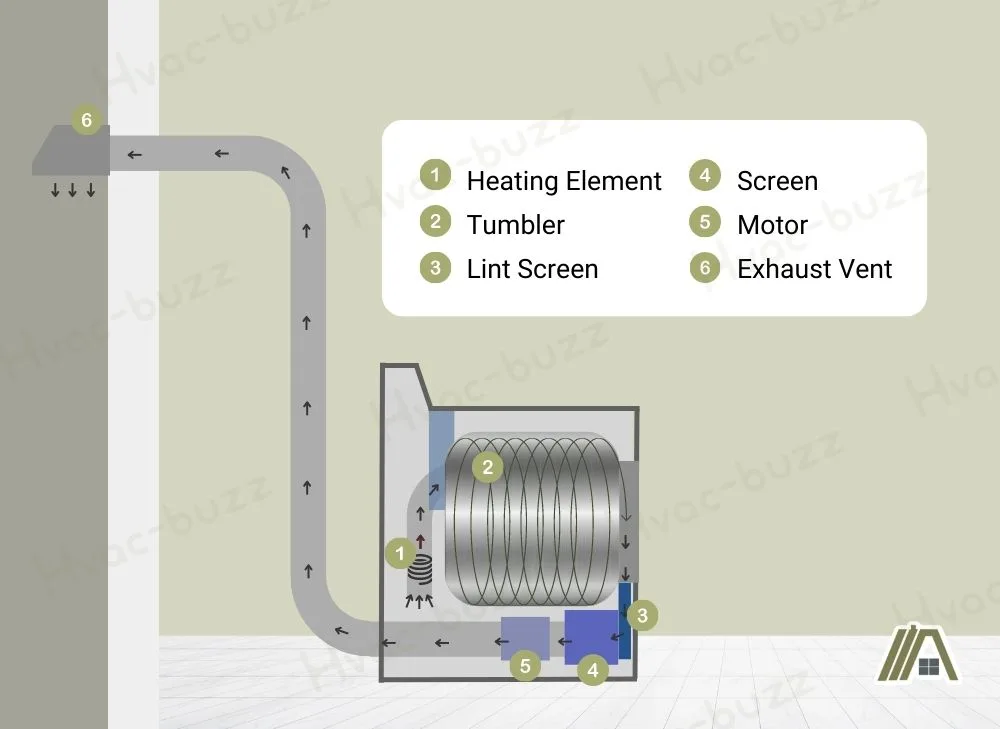
Unlike electric dryers that use electricity to generate heat, gas dryers rely on natural gas or propane. The fundamental process involves using a gas burner to heat air, which then circulates through the drum to evaporate moisture from your clothes. Let's break down the key components and their functions:
1. Gas Supply and Burner Assembly
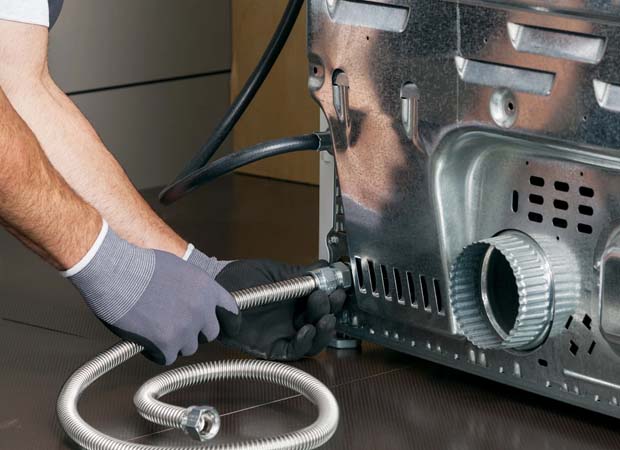
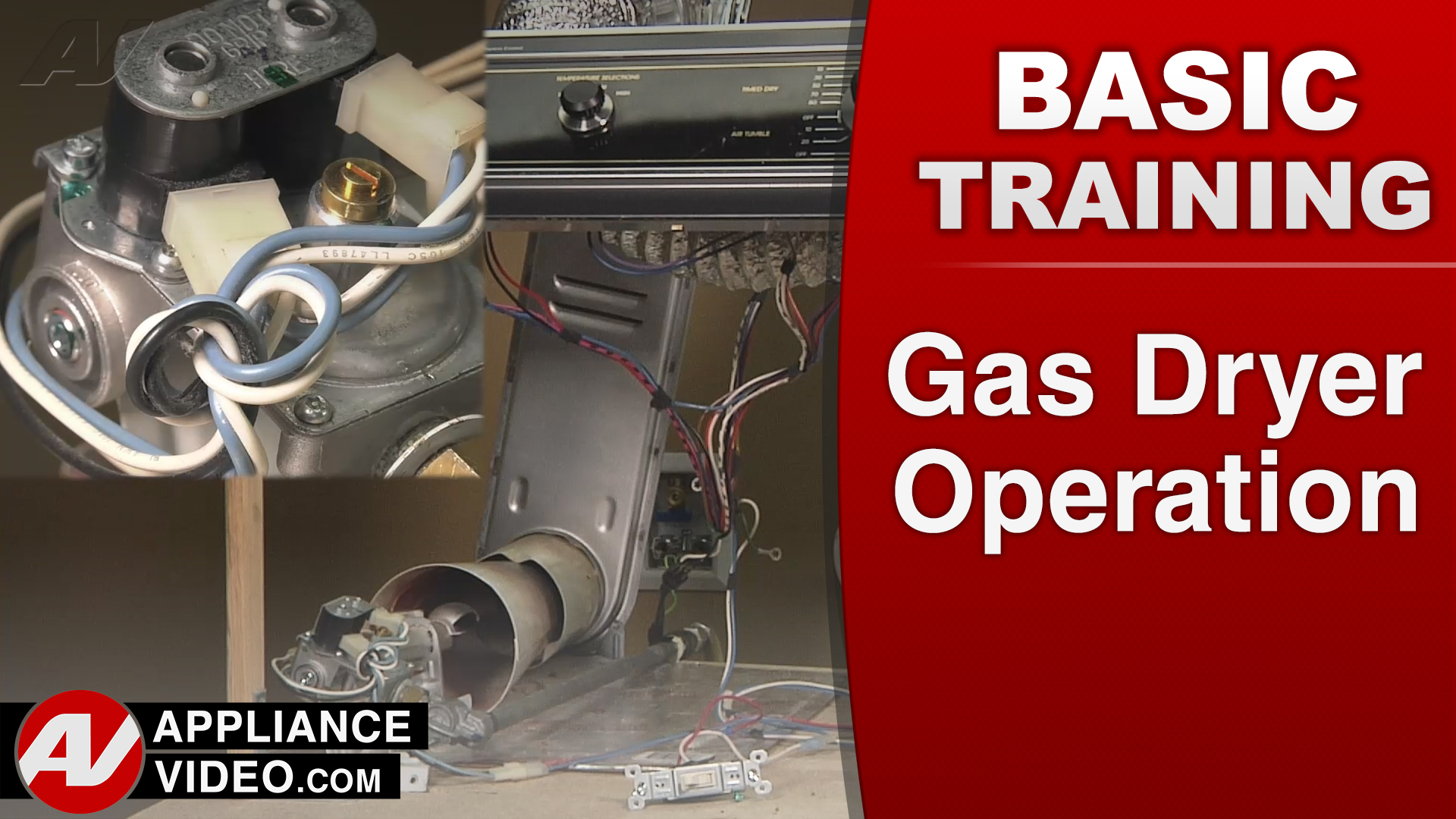
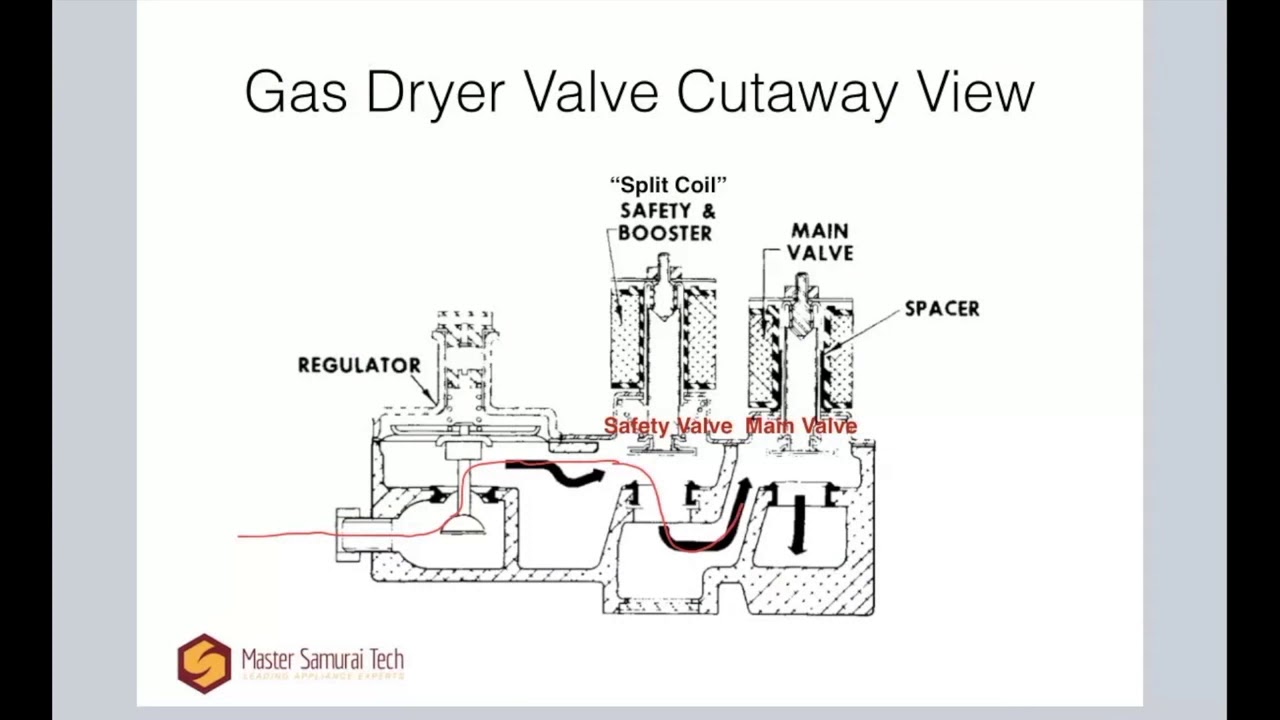
The process begins with a gas line connected to the dryer. This line supplies fuel to the burner assembly. The burner assembly typically includes:
- Gas Valve: This valve regulates the flow of gas into the burner based on signals from the dryer's control system.
- Igniter: An igniter, either a glow bar or a spark electrode, provides the initial heat to ignite the gas. Glow bar igniters slowly heat up, while spark igniters create a high-voltage spark to ignite the gas.
- Burner Tube: The burner tube mixes the gas with air to create a controlled flame. The design of the burner ensures efficient combustion, maximizing heat output and minimizing emissions.
2. Heating and Air Circulation
Once the gas is ignited, the flame heats the air drawn in from the surrounding room. A blower fan, powered by an electric motor, forces this hot air through a duct and into the dryer drum.
3. The Dryer Drum and Moisture Evaporation
The dryer drum, a large rotating cylinder, holds the clothes. As the hot air circulates through the drum, it evaporates moisture from the wet laundry. Baffles inside the drum lift and tumble the clothes, ensuring even exposure to the hot air. The drum is driven by a belt connected to an electric motor.
4. Venting System and Exhaust
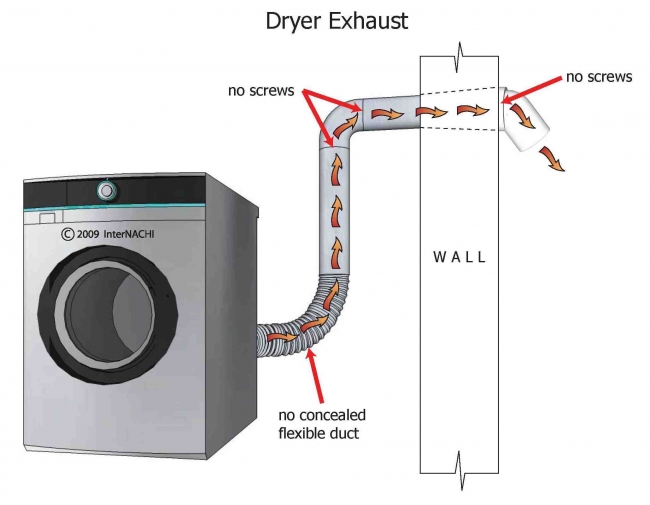
The hot, moist air, now laden with water vapor, is exhausted from the dryer through a venting system. This system typically consists of a flexible duct that connects the dryer to an outside vent. Proper venting is critical for efficient dryer operation and safety. A clogged or restricted vent can lead to:
- Extended drying times, increasing energy consumption.
- Overheating, posing a fire hazard.
- Increased lint buildup, further restricting airflow.
Regularly cleaning the vent is paramount for both efficiency and safety. Government agencies like the Consumer Product Safety Commission (CPSC) recommend cleaning dryer vents at least once a year, or more frequently if you notice longer drying times.
5. Control System and Safety Mechanisms
The dryer's control system, often incorporating a timer or electronic controls, regulates the drying cycle. Key components include:
- Thermostat: Monitors the air temperature inside the drum and signals the gas valve to adjust the gas flow accordingly. This ensures the dryer maintains the desired temperature.
- Safety Thermostat (High-Limit Thermostat): Acts as a backup safety mechanism. If the dryer overheats, the safety thermostat shuts off the gas supply to prevent a fire.
- Flame Sensor: Detects the presence of a flame in the burner assembly. If the flame is not detected, the sensor shuts off the gas supply to prevent unburnt gas from accumulating.
Energy Efficiency and Cost Savings: Optimizing Your Gas Dryer
While gas dryers are generally considered more energy-efficient than electric dryers for comparable loads, there's still significant room for improvement in terms of energy consumption. Here's how to optimize your gas dryer for maximum efficiency:
1. Load Size and Proper Sorting
Avoid overloading the dryer, as this restricts airflow and increases drying time. Similarly, don't underload it, as this wastes energy. Sort clothes by fabric type and weight to ensure even drying. Drying similar items together will optimize the cycle time.
2. Lint Filter Maintenance
Clean the lint filter *before each load*. A clogged lint filter restricts airflow, forcing the dryer to work harder and longer. This simple step can significantly reduce energy consumption and prevent overheating. According to the U.S. Department of Energy, a clogged lint filter can reduce dryer efficiency by up to 30%.
3. Venting System Inspection and Cleaning
As mentioned earlier, a clean venting system is crucial. Inspect the vent regularly for clogs, kinks, or damage. Ideally, the vent should be as short and straight as possible. Replace plastic or foil vents with rigid metal ducts, which are more fire-resistant and provide better airflow.
4. Utilize Moisture Sensors and Auto-Dry Settings
Many modern gas dryers feature moisture sensors that automatically detect when clothes are dry and shut off the dryer. Using the auto-dry setting prevents over-drying, which wastes energy and can damage clothes. These sensors are far more accurate than timed drying cycles.
5. Energy Star Certification
Look for Energy Star certified gas dryers. These models meet stringent energy efficiency standards set by the Environmental Protection Agency (EPA). Energy Star dryers typically incorporate features like advanced moisture sensors, optimized airflow, and improved insulation, resulting in lower energy consumption. While the upfront cost may be higher, the long-term energy savings can provide a significant ROI.
6. Smart Dryer Integration
Smart dryers offer a range of features to optimize energy efficiency and convenience. These features often include:
- Remote Monitoring: Allows you to monitor the drying cycle from your smartphone or tablet.
- Smart Notifications: Sends alerts when the cycle is complete, preventing clothes from sitting in the dryer and wrinkling (reducing the need for ironing).
- Energy Usage Tracking: Provides data on energy consumption, allowing you to identify areas for improvement.
- Cycle Optimization: Automatically adjusts the drying cycle based on the type of load.
Integrating your smart dryer with a smart thermostat and other smart home devices can further enhance energy efficiency. For example, you can schedule drying cycles to run during off-peak hours when electricity rates are lower. Many utility companies offer rebates for purchasing smart appliances and implementing smart home energy management systems.
Troubleshooting Common Gas Dryer Problems
Understanding common gas dryer problems can save you money on repair costs and prevent more serious issues. Here are some common problems and potential solutions:
- Dryer Not Heating: Check the gas supply, igniter, flame sensor, and safety thermostat. A faulty igniter or flame sensor is a common cause.
- Dryer Not Tumbling: Check the drive belt and motor. A broken belt is a frequent issue.
- Dryer Taking Too Long to Dry: Clean the lint filter, inspect the venting system, and ensure the dryer is not overloaded.
- Gas Smell: Immediately shut off the gas supply and contact a qualified HVAC technician. A gas leak is a serious safety hazard.
The Future of Gas Dryers: Sustainability and Innovation
The future of gas dryers is focused on further enhancing energy efficiency, reducing environmental impact, and integrating smart technology. Manufacturers are continuously developing new technologies to improve combustion efficiency, optimize airflow, and minimize emissions. Expect to see more advanced moisture sensors, self-cleaning lint filters, and seamless integration with smart home ecosystems. Furthermore, ongoing research into alternative refrigerants and heat pump technology may eventually lead to hybrid gas-electric dryers that offer even greater energy savings.
Conclusion
Understanding how your gas dryer works empowers you to make informed decisions about its operation and maintenance. By implementing the tips outlined in this article, you can optimize its energy efficiency, reduce your utility bills, and minimize your environmental footprint. Whether you are a homeowner looking to save money, a business aiming to upgrade to eco-friendly appliances, or an HVAC professional seeking to provide energy-efficient solutions, a thorough understanding of gas dryer technology is essential in today's world. Remember to prioritize safety by regularly inspecting your dryer and contacting a qualified technician for any necessary repairs. By embracing energy-efficient practices and smart technology, you can contribute to a more sustainable future.