How Does A Geothermal Heat System Work
Geothermal heating and cooling systems offer an energy-efficient and environmentally friendly alternative to traditional HVAC systems. By harnessing the Earth's constant temperature, these systems provide reliable heating in the winter and cooling in the summer. This article explores the science behind geothermal systems, their components, different types, advantages, disadvantages, costs, and lifespan, catering to homeowners, HVAC technicians, and facility managers alike.
Understanding the Science Behind Geothermal Energy
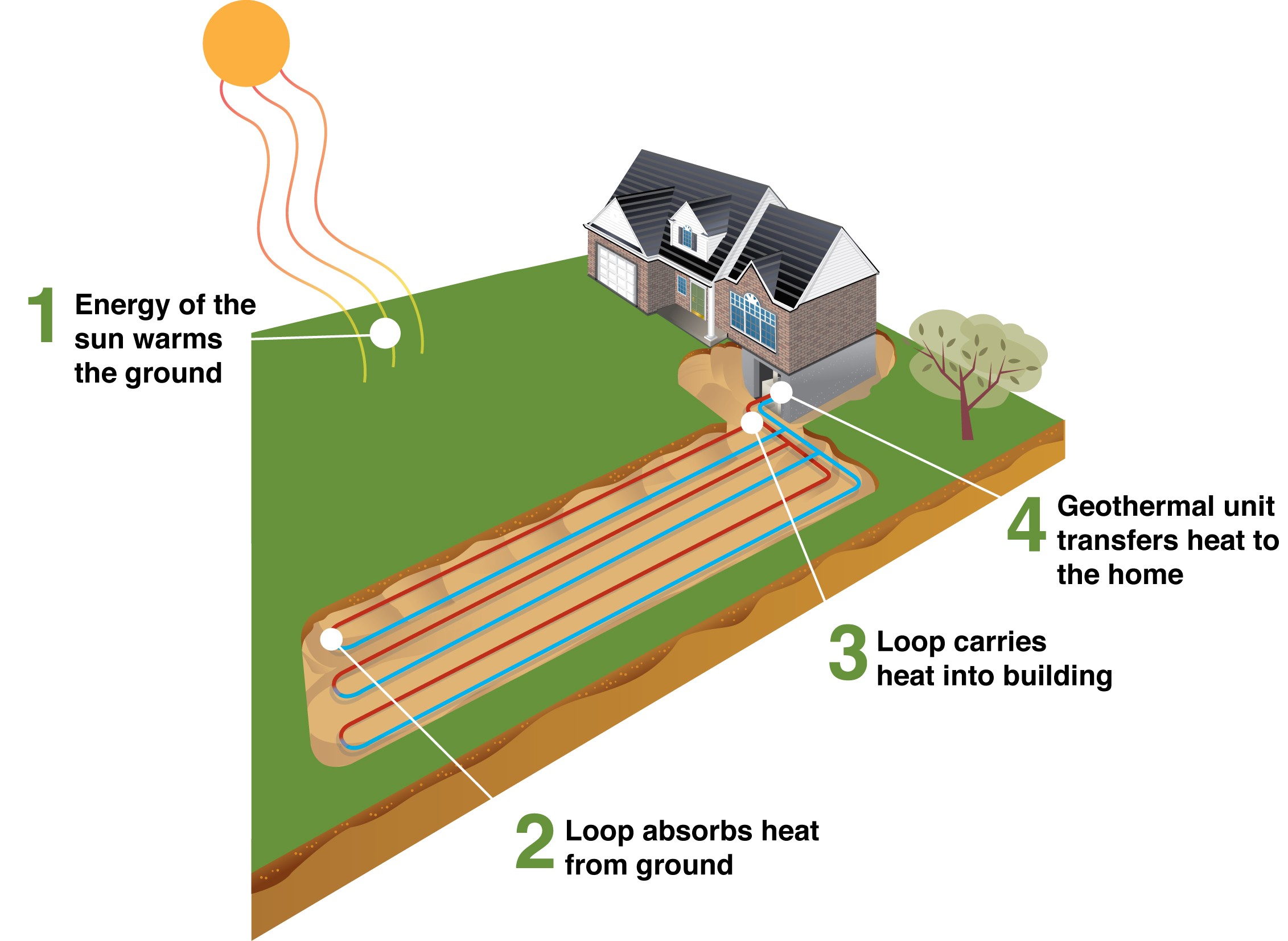
Unlike air temperature, which fluctuates drastically, the Earth's temperature a few feet below the surface remains relatively constant year-round. This temperature typically ranges from 45°F to 75°F (7°C to 24°C), depending on the geographic location. Geothermal systems leverage this stable temperature to heat or cool buildings.
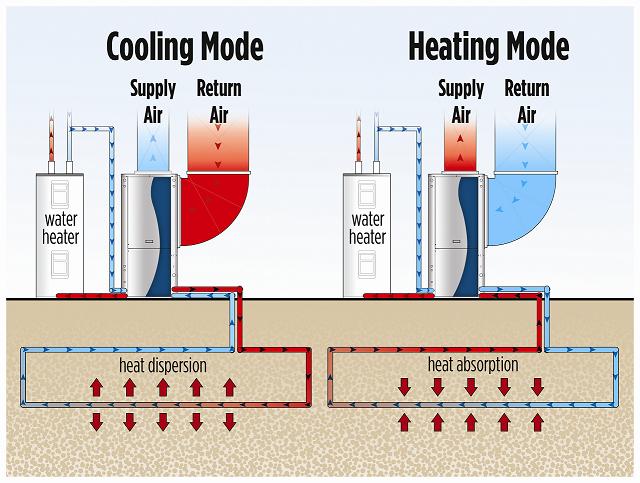
In winter, the ground is warmer than the air, so the geothermal system extracts heat from the earth and transfers it into the building. In summer, the process is reversed. The system extracts heat from the building and transfers it into the cooler ground. This transfer is facilitated by a circulating fluid, typically water or a water-antifreeze mixture, within a closed-loop system.
Components of a Geothermal System
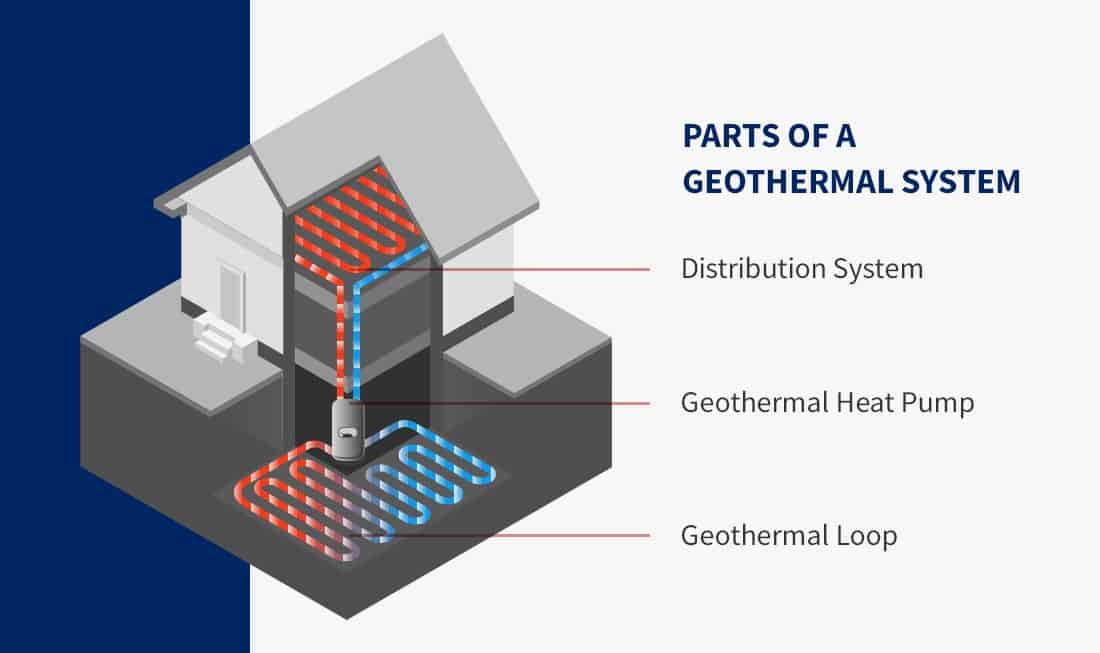
A geothermal system comprises three main components:
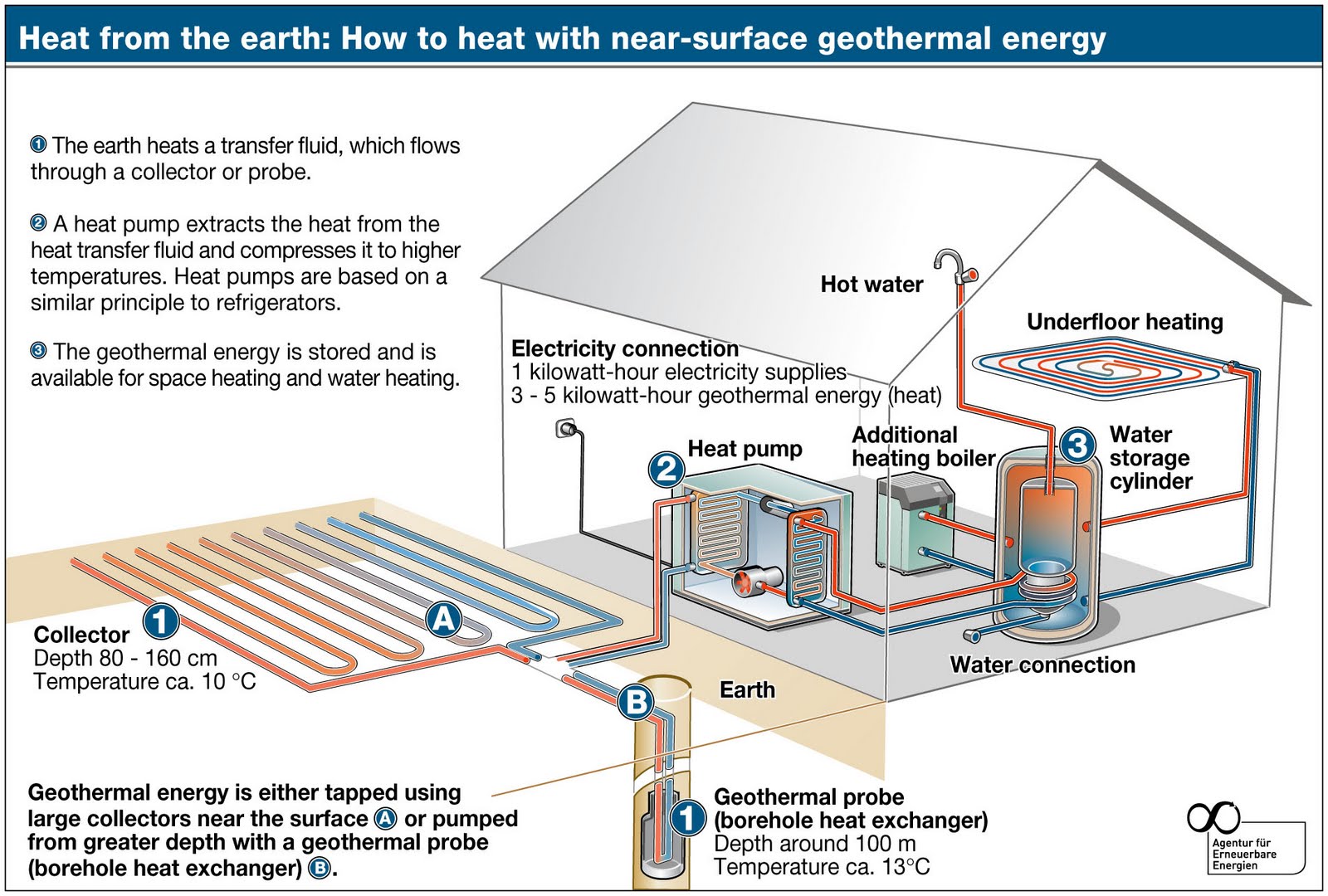
- Ground Loop: This is a network of pipes buried in the ground, either horizontally or vertically. The loop contains the heat transfer fluid that circulates and exchanges heat with the earth.
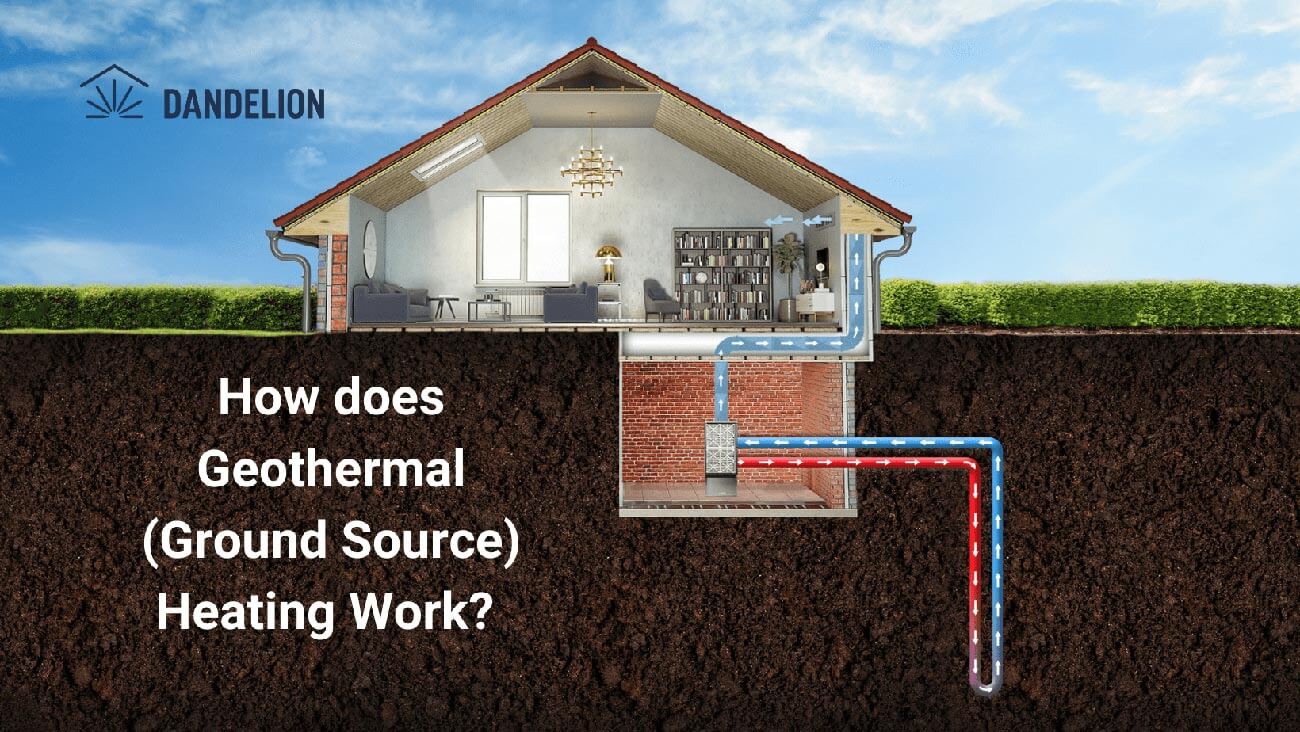
- Heat Pump: This unit, located inside the building, acts as the central heating and cooling system. It circulates the heat transfer fluid from the ground loop, extracts or adds heat, and distributes it throughout the building using a network of ducts (for forced-air systems) or radiant heating systems.
- Distribution System: This system distributes the heated or cooled air or water throughout the building. This can involve ductwork for forced-air systems or radiant flooring or baseboards for hydronic systems.
Types of Geothermal Systems
Geothermal systems are categorized based on the configuration of the ground loop:
Closed-Loop Systems
In a closed-loop system, the heat transfer fluid circulates within a sealed loop of pipes. This loop can be installed in various configurations:
- Horizontal Loops: These loops are buried horizontally in trenches approximately 4 to 8 feet deep. Horizontal loops are generally more cost-effective for residential installations where sufficient land is available.
- Vertical Loops: These loops are installed vertically in boreholes drilled deep into the ground (typically 100 to 400 feet). Vertical loops are ideal for properties with limited land area or where soil conditions are unfavorable for horizontal loops.
- Pond/Lake Loops: These loops utilize a body of water (pond or lake) as the heat source/sink. Coils of pipe are submerged at least 8 feet below the surface to ensure they remain submerged year-round.
Open-Loop Systems (Groundwater Systems)
Open-loop systems, also known as groundwater systems, use well water as the heat transfer fluid. Water is drawn from a well, passed through the heat pump, and then discharged back into the ground through a separate injection well or surface discharge. Open-loop systems are typically more efficient than closed-loop systems but require a readily available and sustainable water source. They also require careful consideration of water quality and potential environmental impacts.
How a Geothermal Heat Pump Works
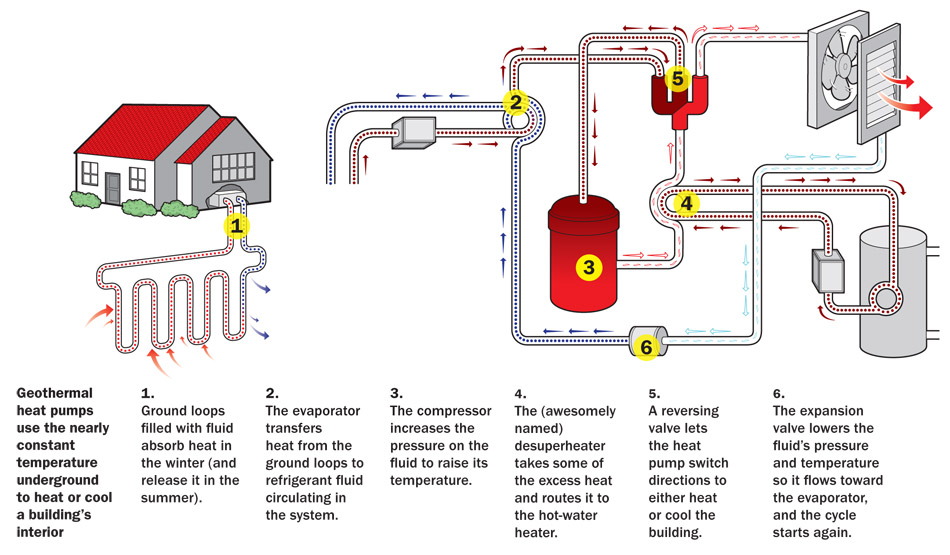
The heat pump is the heart of the geothermal system. It uses a refrigerant to transfer heat between the ground loop and the building. The process involves the following steps:
- Evaporation: In heating mode, the refrigerant absorbs heat from the fluid returning from the ground loop and evaporates into a gas.
- Compression: The gaseous refrigerant is compressed, increasing its temperature.
- Condensation: The hot, high-pressure refrigerant releases its heat to the air or water circulating throughout the building and condenses back into a liquid.
- Expansion: The liquid refrigerant passes through an expansion valve, reducing its pressure and temperature, and the cycle repeats.
In cooling mode, the process is reversed, with the refrigerant absorbing heat from the building and transferring it to the ground.
Advantages of Geothermal Systems
- Energy Efficiency: Geothermal systems are significantly more energy-efficient than traditional HVAC systems. They can achieve Coefficient of Performance (COP) values of 3 to 5, meaning they produce 3 to 5 units of heating or cooling for every unit of electricity consumed.
- Lower Operating Costs: Due to their high efficiency, geothermal systems can significantly reduce heating and cooling bills.
- Environmental Friendliness: Geothermal systems are environmentally friendly as they use a renewable energy source and produce minimal greenhouse gas emissions.
- Quiet Operation: Geothermal heat pumps operate much more quietly than traditional air conditioners and furnaces.
- Long Lifespan: Geothermal systems have a long lifespan. The ground loop can last for 50 years or more, while the heat pump typically lasts for 20-25 years.
- Versatility: Geothermal systems can provide heating, cooling, and domestic hot water.
Disadvantages of Geothermal Systems
- High Initial Cost: The initial investment for a geothermal system is higher than for traditional HVAC systems due to the cost of installing the ground loop.
- Land Requirements: Horizontal loop systems require a significant amount of land.
- Installation Complexity: Geothermal system installation requires specialized equipment and expertise.
- Potential for Leaks: Although rare, there is a potential for leaks in the ground loop, which can be costly to repair.
- Geographic Limitations: In rare cases, certain geological conditions may not be suitable for geothermal systems.
Cost Considerations
The cost of a geothermal system varies depending on several factors, including the size of the building, the type of ground loop installed, and local labor costs. A typical residential geothermal system can cost between $20,000 and $40,000 to install. However, the long-term operating cost savings can often offset the higher initial investment. Various incentives, such as tax credits and rebates, are often available to help reduce the upfront cost.
HVAC Technicians should be prepared to discuss these costs in detail with potential clients, providing a breakdown of the installation costs, potential energy savings, and available incentives.
Efficiency Ratings and Performance Metrics
Several metrics are used to evaluate the efficiency of geothermal heat pumps:
- Coefficient of Performance (COP): This measures the heating output divided by the electrical input in heating mode. A higher COP indicates greater efficiency.
- Energy Efficiency Ratio (EER): This measures the cooling output divided by the electrical input in cooling mode. A higher EER indicates greater efficiency.
- Heating Seasonal Performance Factor (HSPF): This measures the total heating output over an entire heating season divided by the total electrical input.
- Seasonal Energy Efficiency Ratio (SEER): This measures the total cooling output over an entire cooling season divided by the total electrical input.
When comparing geothermal heat pumps, look for models with high COP, EER, HSPF, and SEER ratings to ensure optimal energy efficiency. Energy Star certified models meet stringent energy efficiency standards.
Lifespan and Maintenance
Geothermal systems are known for their long lifespan. The ground loop can last for 50 years or more with minimal maintenance. The heat pump unit typically lasts for 20-25 years with proper maintenance. Regular maintenance should include:
- Filter Changes: Changing air filters regularly to maintain airflow and prevent dust buildup.
- Coil Cleaning: Cleaning the heat pump's coils to ensure efficient heat transfer.
- System Inspections: Having a qualified HVAC technician inspect the system annually to identify and address any potential issues.
- Checking the Ground Loop Fluid: Periodically checking the level and condition of the heat transfer fluid in the ground loop.
Property managers overseeing large buildings with geothermal systems should implement a preventative maintenance program to ensure optimal performance and extend the lifespan of the equipment.
Conclusion
Geothermal systems offer a compelling solution for heating and cooling buildings in an energy-efficient and environmentally friendly manner. While the initial cost is higher than traditional HVAC systems, the long-term operating cost savings, environmental benefits, and long lifespan make geothermal systems a worthwhile investment. Homeowners, HVAC technicians, and facility managers should carefully consider the advantages and disadvantages of geothermal systems to determine if they are a suitable option for their specific needs.