How Does A Hard Start Kit Work
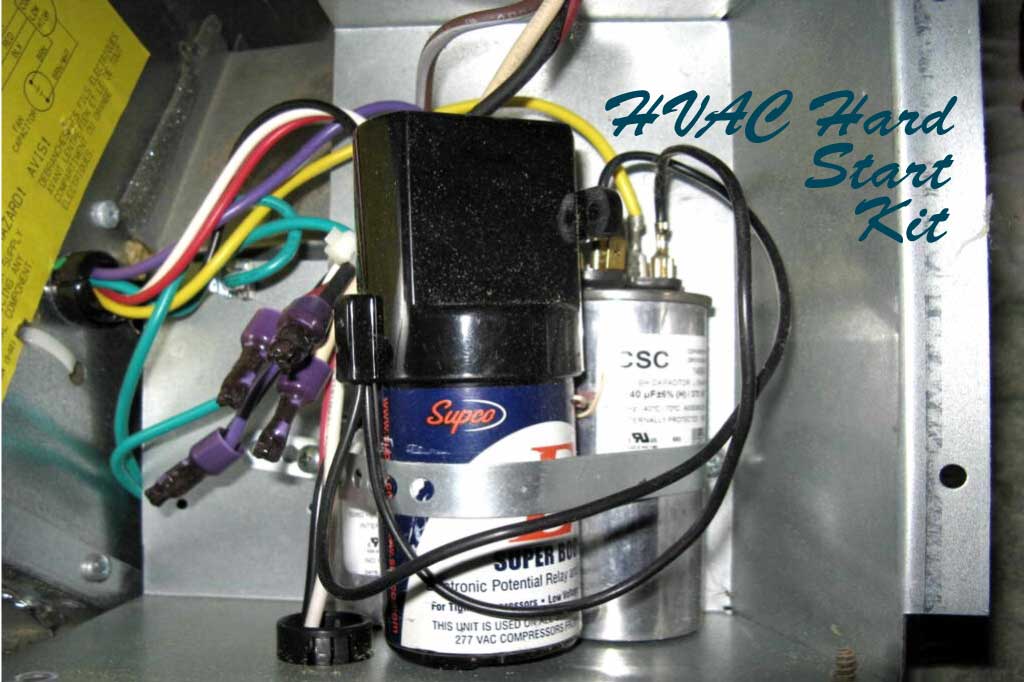
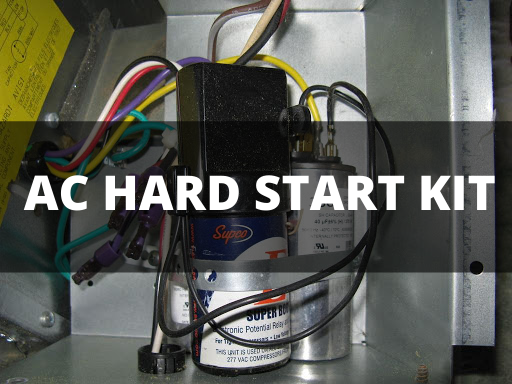
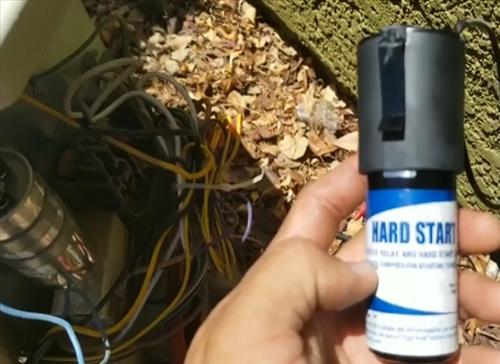
A hard start kit is an electrical component designed to assist the compressor motor in air conditioning (AC) units, heat pumps, and refrigerators during startup. It's particularly useful when the compressor is struggling to overcome initial inertia or facing voltage drops. Think of it as giving your AC system a "boost" when it needs it most.
Why Compressors Need Help Starting
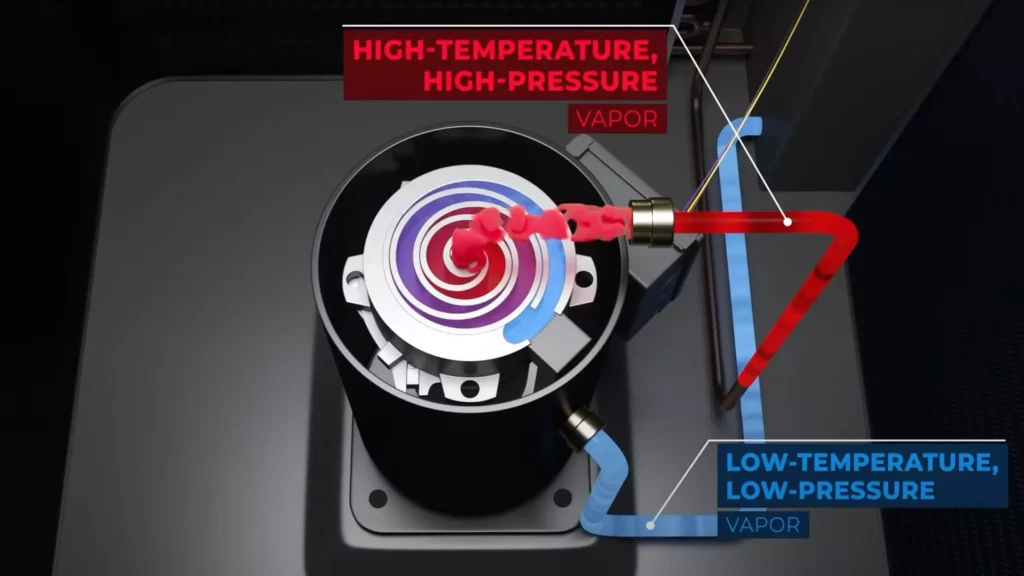
The compressor is the heart of your cooling system. Think of refrigerant as the 'blood' of your AC system, carrying heat from inside to outside. The compressor is what pumps this refrigerant. Starting a compressor motor requires a significant surge of electricity, much more than what's needed to keep it running. This is because the motor has to overcome the inertia of stationary parts and the high pressure differential within the system.
Several factors can make starting difficult:
- Low Voltage: If your electrical supply voltage is low, the compressor may not receive enough power to start reliably.
- Worn Compressor Components: Over time, compressor bearings can wear, and internal resistance can increase, making startup harder.
- High Head Pressure: If the pressure on the high-pressure side of the compressor is excessively high (due to factors like a clogged condenser coil), the motor needs to work harder to start.
- High Ambient Temperature: Hot weather puts extra strain on the system and can increase the internal pressures, making it harder to start.
- Age of the Unit: Older units tend to have more difficulty starting because components have aged and are less efficient.
Without sufficient power, the compressor might just hum loudly without starting. This is a situation you want to avoid, as repeated failed start attempts can damage the compressor motor and lead to costly repairs or replacement.
How a Hard Start Kit Works: A Technical Overview
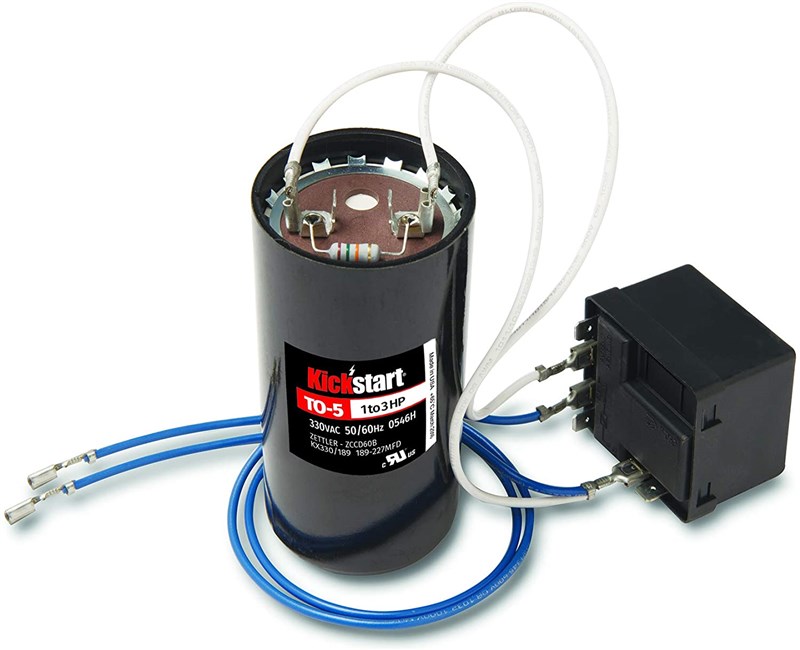
A hard start kit is composed of two main components:
- Start Capacitor: This is a large capacitor designed to store a significant amount of electrical energy. It provides a powerful, short-duration boost of voltage and current to the compressor motor during startup.
- Potential Relay (or Electronic Equivalent): This component controls when the start capacitor is engaged. It senses the voltage generated by the motor during startup. Once the motor reaches a certain speed, the potential relay disconnects the start capacitor from the circuit. This prevents the start capacitor from being continuously engaged, which could damage the motor.
Here's a step-by-step breakdown of how a hard start kit functions:
- Startup Request: When your thermostat calls for cooling, the AC unit attempts to start.
- Power Surge: The start capacitor releases its stored energy, providing a significant boost of voltage and current to the compressor's start winding. This extra power helps the motor overcome inertia and begin rotating.
- Motor Acceleration: As the motor speeds up, it generates a back voltage.
- Relay Disconnection: The potential relay (or its electronic equivalent) senses this back voltage. When the voltage reaches a specific threshold, the relay disconnects the start capacitor from the circuit.
- Run Mode: The compressor motor continues to run using its run winding, powered by the normal operating voltage. The start capacitor is no longer needed until the next start cycle.
Think of the start capacitor as a "turbocharger" for your compressor. It gives a temporary boost of power during the critical startup phase and then disengages once the motor is running smoothly.
Understanding the Components in Detail
Let's delve a little deeper into the key components of a hard start kit:
- Start Capacitor: Start capacitors are electrolytic capacitors designed for intermittent duty. They have a high capacitance value, allowing them to store a large amount of energy. The capacitance is measured in microfarads (μF). These capacitors are not designed to be continuously energized, hence the need for the potential relay.
- Potential Relay: The potential relay is a voltage-sensing switch. It uses a coil that is energized by the voltage generated by the motor's start winding. When the voltage reaches a certain level, the relay opens a contact, disconnecting the start capacitor from the circuit. Newer hard start kits may use an electronic potential relay, which is more reliable and can offer better performance compared to the traditional electromechanical relay. Electronic versions use solid state components, making them less prone to wear and tear.
Benefits of Using a Hard Start Kit
Installing a hard start kit can offer several advantages:
- Improved Starting Reliability: The primary benefit is a more reliable compressor start, especially under challenging conditions like low voltage or high head pressure. This can prevent the compressor from repeatedly attempting to start and potentially overheating or failing.
- Reduced Starting Current (LRA): A hard start kit can reduce the locked-rotor amps (LRA), which is the high current drawn by the compressor motor when it initially attempts to start. Reducing LRA can prevent nuisance tripping of circuit breakers and protect other electrical components in the system.
- Extended Compressor Life: By easing the stress on the compressor motor during startup, a hard start kit can potentially extend the life of the compressor. Repeated hard starts can damage the motor windings and bearings over time.
- Reduced Energy Consumption: A compressor that starts reliably and quickly will generally consume less energy compared to one that struggles to start or repeatedly attempts to start.
- Compatibility with Generators: If you rely on a generator to power your AC unit, a hard start kit can be particularly beneficial. Generators often have limited starting capacity, and a hard start kit can help the compressor start with less demand on the generator.
When Should You Consider Installing a Hard Start Kit?
A hard start kit isn't always necessary, but it can be a valuable addition in certain situations:
- Older AC Units: Older AC units are more prone to hard starting due to worn components and decreased efficiency.
- Units with Long Refrigerant Lines: Long refrigerant lines can increase the pressure differential that the compressor needs to overcome during startup.
- Homes with Low Voltage: If you experience voltage drops in your home, a hard start kit can help the compressor start reliably despite the low voltage.
- Units Powered by Generators: As mentioned earlier, hard start kits can improve the compatibility of AC units with generators.
- If Your Compressor is Struggling to Start: If you notice that your compressor is making a loud humming noise but not starting, or if it repeatedly attempts to start and fails, a hard start kit may be a good solution.
- Preventative Maintenance: Some homeowners choose to install a hard start kit as a preventative measure, especially on older or more critical AC units.
Installation and Safety Considerations
Installing a hard start kit involves working with electricity and refrigerant systems. If you are not comfortable working with these systems, it is strongly recommended to hire a qualified HVAC technician.
Here are some general safety considerations:
- Disconnect Power: Always disconnect the power to the AC unit at the breaker box before working on it.
- Discharge Capacitors: Before handling any capacitors, discharge them using a properly insulated screwdriver. Capacitors can store a dangerous amount of electrical energy, even after the power is disconnected.
- Wear Safety Gear: Wear safety glasses and gloves to protect yourself from electrical shock and refrigerant exposure.
- Follow Instructions: Carefully follow the instructions provided with the hard start kit.
- Refrigerant Handling: Be extremely careful not to damage any refrigerant lines. Refrigerant leaks can be harmful to the environment and can also cause frostbite.
A typical installation involves connecting the hard start kit's wires to the compressor terminals and the existing wiring. The exact wiring configuration will vary depending on the specific hard start kit and the AC unit. Therefore, it's vital to follow the manufacturer's instructions carefully or consult with a qualified technician.
Choosing the Right Hard Start Kit
Selecting the appropriate hard start kit is crucial for optimal performance and safety. Consider the following factors:
- Compressor Horsepower (HP): Choose a hard start kit that is rated for the horsepower of your compressor motor. The HP rating is typically listed on the compressor's nameplate.
- Voltage: Ensure that the hard start kit is compatible with the voltage of your AC unit (typically 115V or 230V).
- Capacitance (μF): The capacitance of the start capacitor should be appropriate for the compressor size. The manufacturer's recommendations are the best guide.
- Type of Relay: Consider whether you prefer a traditional potential relay or an electronic potential relay. Electronic relays are generally more reliable and offer better performance.
- Reputation and Brand: Choose a hard start kit from a reputable brand with a good track record of reliability.
Cost Considerations
The cost of a hard start kit can vary depending on the brand, type of relay, and horsepower rating. A basic hard start kit can cost anywhere from $20 to $100. The cost of installation will depend on whether you do it yourself or hire a technician. Hiring a qualified HVAC technician to install the kit will add to the overall cost but ensures the job is done safely and correctly.
Conclusion
A hard start kit can be a valuable investment for improving the starting reliability, extending the lifespan, and reducing the energy consumption of your AC unit or refrigerator. By providing a boost of power during startup, it can help the compressor overcome various challenges and operate more efficiently. While installation is relatively straightforward, it is crucial to prioritize safety and follow the manufacturer's instructions carefully. If you are unsure about any aspect of the installation, it is always best to consult with a qualified HVAC technician.