How Does A Heat Recovery Ventilation System Work
Are your energy bills skyrocketing? Do you feel like you're throwing money out the window, literally, every time you open one to air out your home or business? There's a smart solution gaining traction for its ability to drastically improve indoor air quality while simultaneously slashing energy costs: a Heat Recovery Ventilation (HRV) system. This comprehensive guide explores exactly how an HRV system works, its benefits, and how it integrates with smart home technology to create a healthier and more efficient living or working environment.
The Core Principle: Energy Exchange
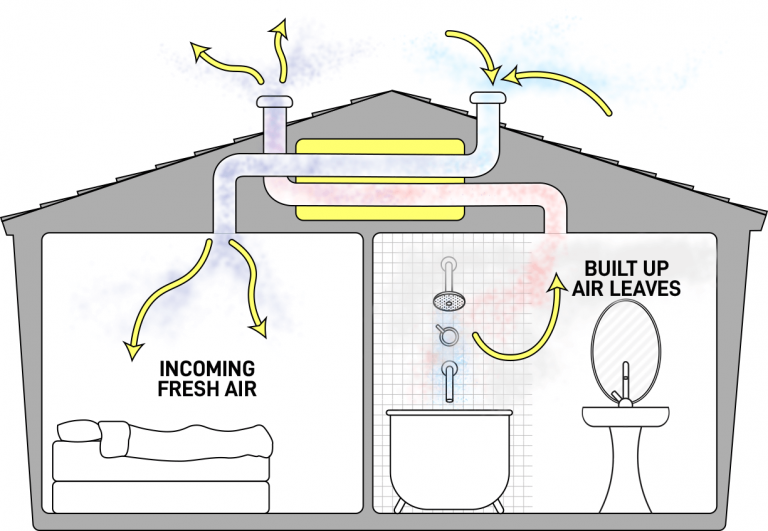
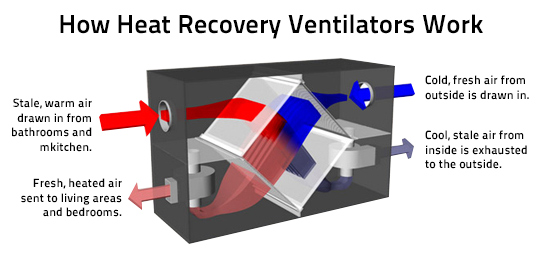
At its heart, an HRV system is designed to recover heat that would otherwise be lost during the ventilation process. Traditional ventilation systems simply exhaust stale, indoor air and replace it with fresh, outdoor air. While this improves air quality, it comes at a significant energy cost, especially during heating and cooling seasons. An HRV system, however, cleverly captures the energy from the exhaust air stream to pre-heat or pre-cool the incoming fresh air.
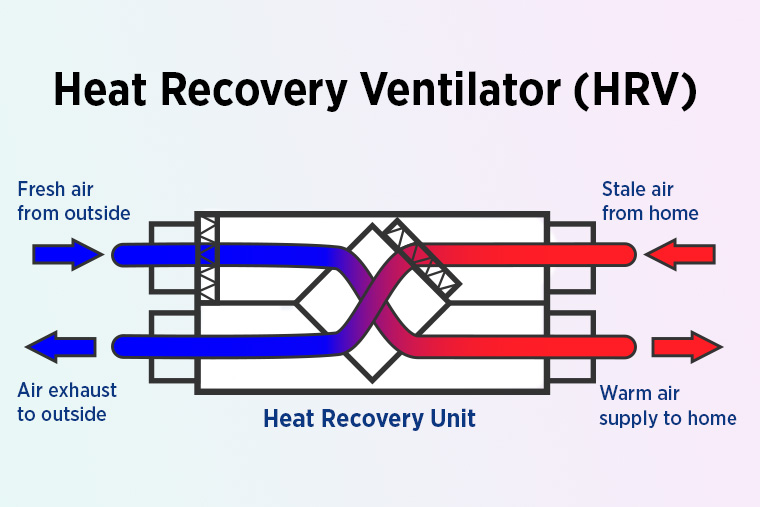
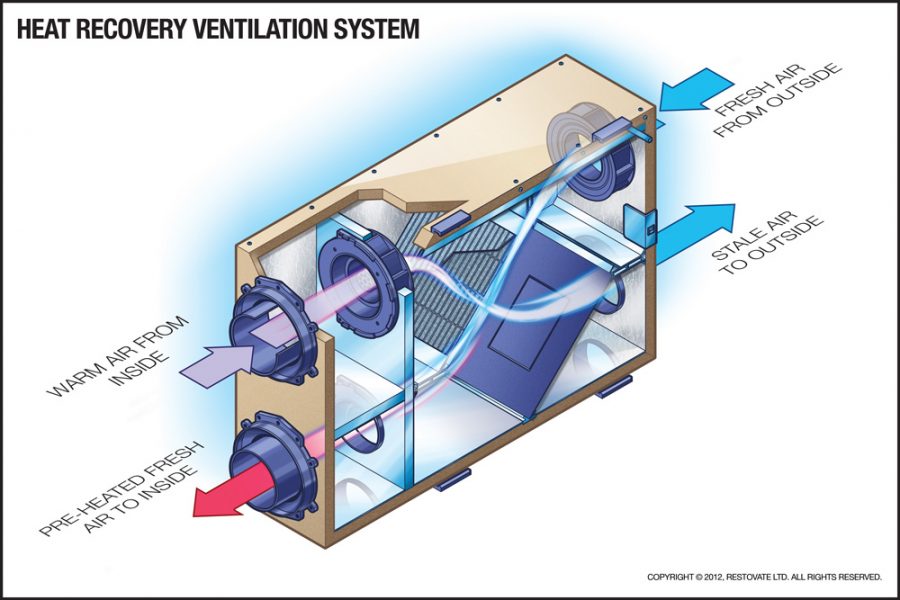
The key component enabling this energy exchange is the heat exchanger. Think of it as a sophisticated radiator, but instead of water, it uses air. Two separate air streams – the exhaust air and the incoming fresh air – pass through the heat exchanger without ever mixing. As they flow past each other, heat is transferred from the warmer stream to the cooler stream.
In winter, the warm exhaust air leaving your home heats the cold, incoming air, reducing the load on your furnace or heat pump. In summer, the reverse happens: the cool exhaust air cools the hot, incoming air, lessening the burden on your air conditioner. This simple yet ingenious process can recover up to 90% of the heat energy that would normally be wasted, according to the U.S. Department of Energy.
The Mechanics: Inside the HRV System
Let's break down the components of a typical HRV system:
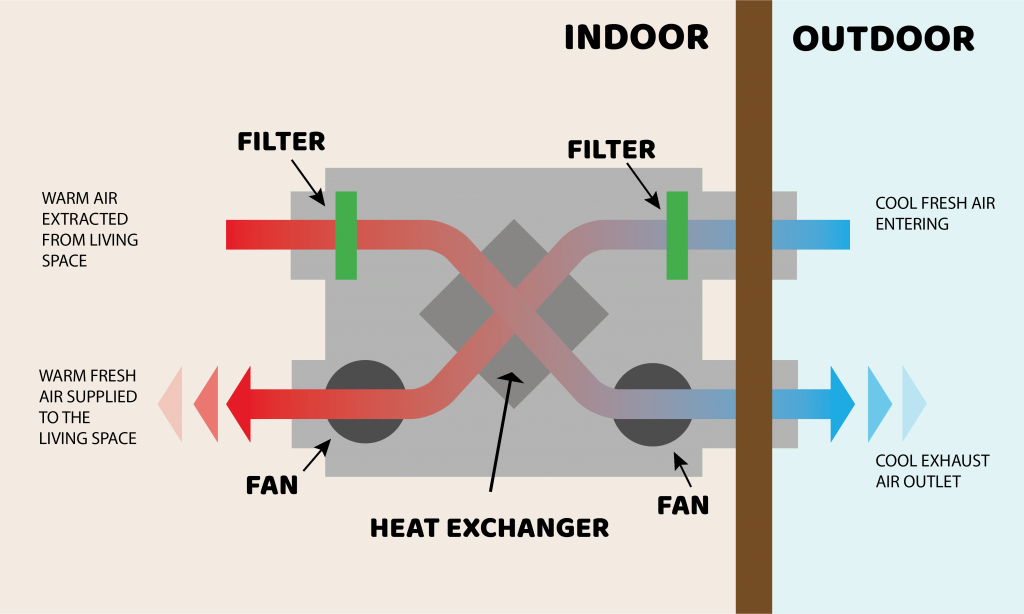
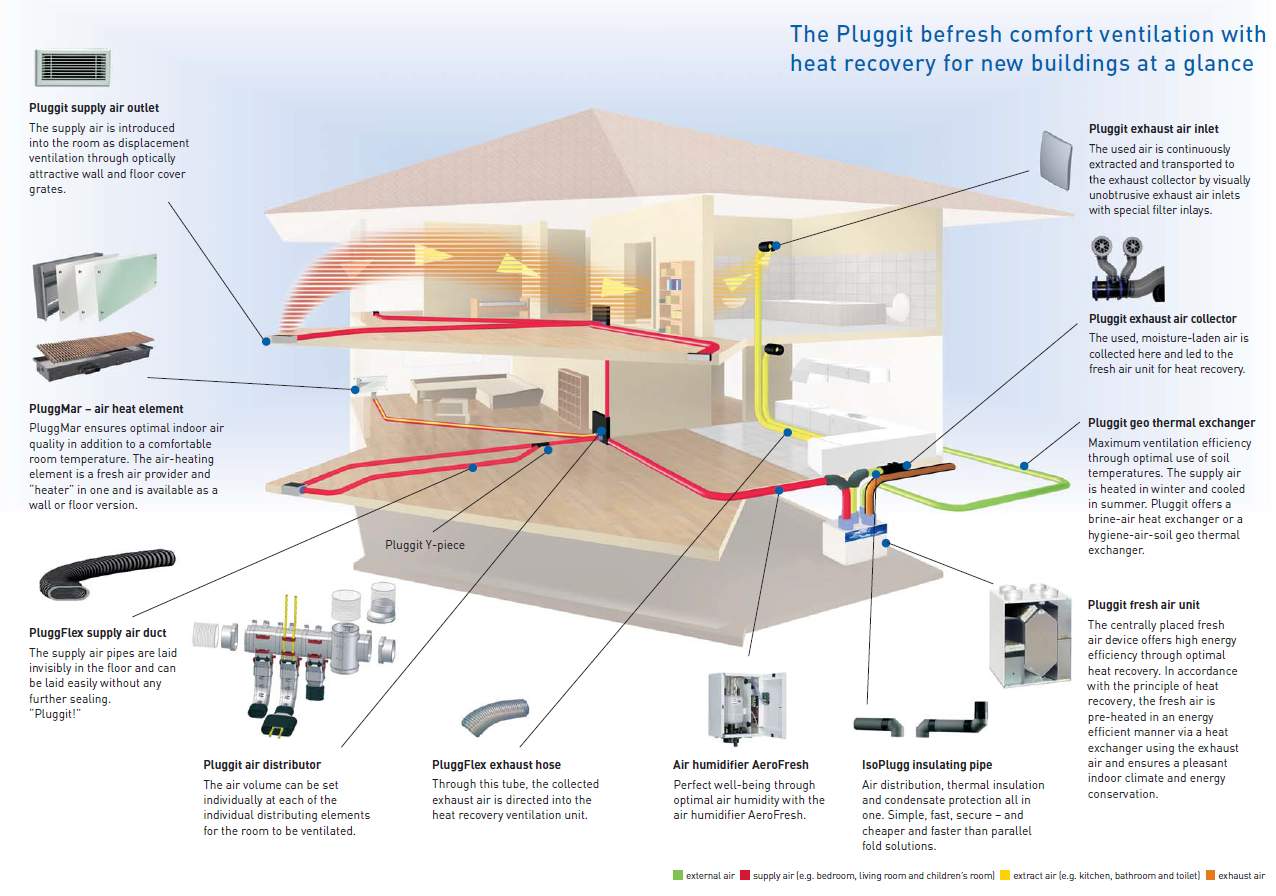
- Intake and Exhaust Vents: These vents are located outside your home or building and are responsible for drawing in fresh air and expelling stale air. Placement is crucial to avoid contaminants and ensure optimal airflow. Follow local building codes and Energy Star recommendations for placement.
- Filters: Both the incoming and exhaust air streams pass through filters to remove dust, pollen, and other airborne particles. Regular filter replacement is essential for maintaining air quality and system efficiency. Consider upgrading to high-efficiency particulate air (HEPA) filters for allergy sufferers.
- Fans: Two fans are required – one to draw in fresh air and another to exhaust stale air. Variable speed fans allow for precise control over ventilation rates, optimizing both air quality and energy savings.
- Heat Exchanger: This is the heart of the HRV system, facilitating the transfer of heat between the two air streams without allowing them to mix. There are two main types:
- Plate Heat Exchangers: These consist of a series of thin plates, usually made of aluminum or plastic, arranged in parallel. The air streams flow between the plates, transferring heat through conduction.
- Rotary Heat Exchangers (Energy Recovery Wheels): These feature a rotating wheel with a honeycomb structure that absorbs heat from one air stream and releases it into the other. Rotary heat exchangers can also transfer moisture, which can be beneficial in dry climates.
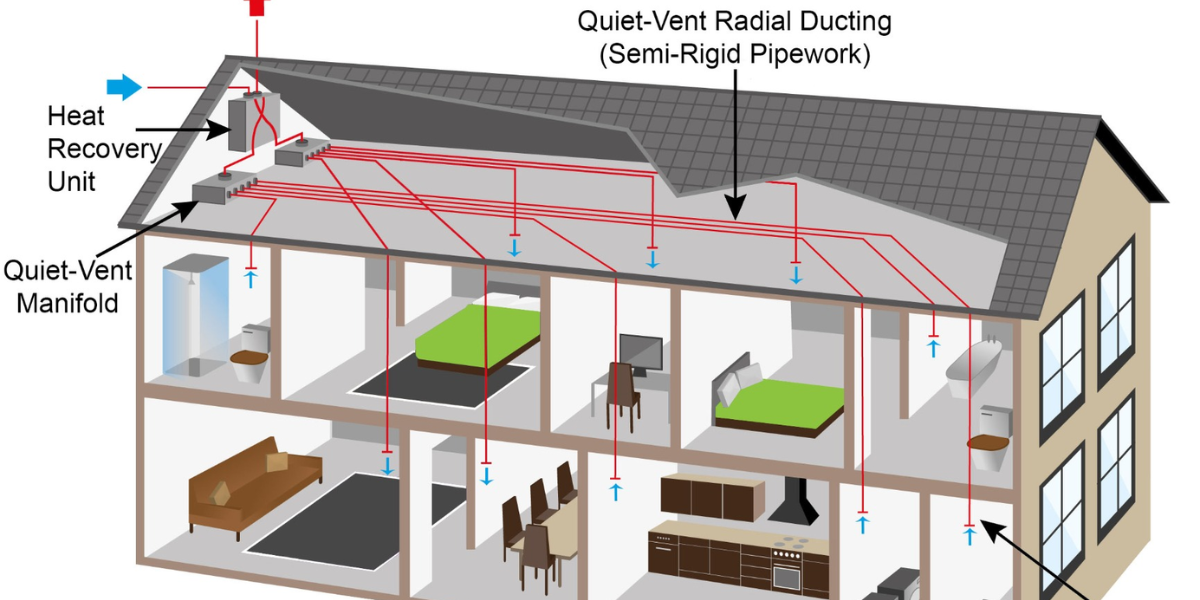
- Ductwork: A network of ducts distributes the fresh, pre-heated (or pre-cooled) air throughout your home or building and collects stale air for exhaust. Proper ductwork design and installation are crucial for optimal performance.
- Controls: Modern HRV systems offer a range of control options, from simple on/off switches to sophisticated programmable thermostats. Smart HRV systems can integrate with smart home platforms for remote control and automated operation.
Installation: DIY or Professional?
Installing an HRV system is not typically a DIY project unless you have extensive HVAC experience. Proper ductwork design, system sizing, and electrical connections require expertise. Improper installation can lead to reduced efficiency, increased noise levels, and even safety hazards.
It’s best to hire a qualified HVAC contractor with experience installing HRV systems. They can assess your needs, recommend the appropriate system size, and ensure proper installation and commissioning. Ask for references and check online reviews to find a reputable contractor.
Benefits: Beyond Energy Savings
While energy savings are a primary benefit of HRV systems, they offer a range of other advantages:
- Improved Indoor Air Quality (IAQ): By continuously bringing in fresh air and exhausting stale air, HRV systems reduce levels of pollutants, allergens, and moisture. This can be particularly beneficial for people with allergies, asthma, or other respiratory conditions.
- Reduced Humidity: HRV systems can help control humidity levels, preventing mold growth and improving comfort. Some systems even include a dehumidification function.
- Odor Control: By continuously exhausting stale air, HRV systems help eliminate odors from cooking, pets, and other sources.
- Quiet Operation: Modern HRV systems are designed to operate quietly, with noise levels typically ranging from 30 to 45 decibels.
- Increased Home Value: Installing an HRV system can increase the value of your home, especially for buyers who are concerned about energy efficiency and IAQ.
Smart Home Integration: The Future of Ventilation
The integration of HRV systems with smart home technology is revolutionizing ventilation. Smart HRV systems offer a range of features, including:
- Remote Control: Control your HRV system from your smartphone or tablet, even when you're away from home.
- Programmable Schedules: Set schedules to automatically adjust ventilation rates based on occupancy, time of day, or weather conditions.
- Air Quality Monitoring: Integrated sensors monitor indoor air quality and automatically adjust ventilation rates to maintain optimal levels.
- Integration with Smart Thermostats: Smart thermostats can communicate with your HRV system to optimize energy efficiency and comfort. For example, the thermostat can instruct the HRV system to increase ventilation when the temperature is set back.
- Voice Control: Control your HRV system with voice commands using Amazon Alexa or Google Assistant.
Consider models with CO2 sensors. These sensors monitor carbon dioxide levels, a key indicator of indoor air quality. When CO2 levels rise (indicating poor ventilation), the HRV system automatically increases ventilation rates to bring in more fresh air.
ROI and Rebates: Making the Investment Worth It
The initial cost of an HRV system can be a barrier for some homeowners and businesses. However, the long-term energy savings and other benefits often outweigh the upfront investment. The payback period for an HRV system typically ranges from 5 to 10 years, depending on factors such as climate, energy prices, and system usage. According to Energy Star, homes with properly installed and operated HRV systems can save up to 20% on their heating and cooling bills.
Furthermore, many government and utility companies offer rebates and incentives for installing energy-efficient HVAC systems, including HRV systems. Check with your local utility company and state energy office to see what rebates are available in your area. Some rebates can significantly reduce the upfront cost of the system.
For businesses, investing in an HRV system can also qualify for tax deductions and other financial incentives. Consult with a tax professional to determine what deductions are available to you.
Maintenance: Keeping Your HRV System Running Smoothly
Regular maintenance is essential for ensuring the optimal performance and longevity of your HRV system. Here are some key maintenance tasks:
- Filter Replacement: Replace filters every 1-3 months, or as recommended by the manufacturer.
- Duct Cleaning: Have your ductwork cleaned every 3-5 years to remove dust, debris, and allergens.
- Core Cleaning: Clean the heat exchanger core annually to remove any accumulated dust or debris. Follow the manufacturer's instructions for cleaning.
- Vent Inspection: Regularly inspect the intake and exhaust vents to ensure they are free of obstructions.
- Professional Inspection: Schedule a professional inspection and tune-up every year or two to ensure the system is operating efficiently and safely.
By investing in a Heat Recovery Ventilation system, you're not just saving money; you're investing in a healthier, more comfortable, and more sustainable future. From improving indoor air quality to integrating with smart home technology, HRV systems offer a wide range of benefits that make them a worthwhile investment for homeowners and businesses alike. Don’t let valuable energy – and your hard-earned money – escape through the window. Explore the world of HRV and breathe easier knowing you're doing your part for the planet and your wallet.