How Does A Heat Recovery Ventilator Work
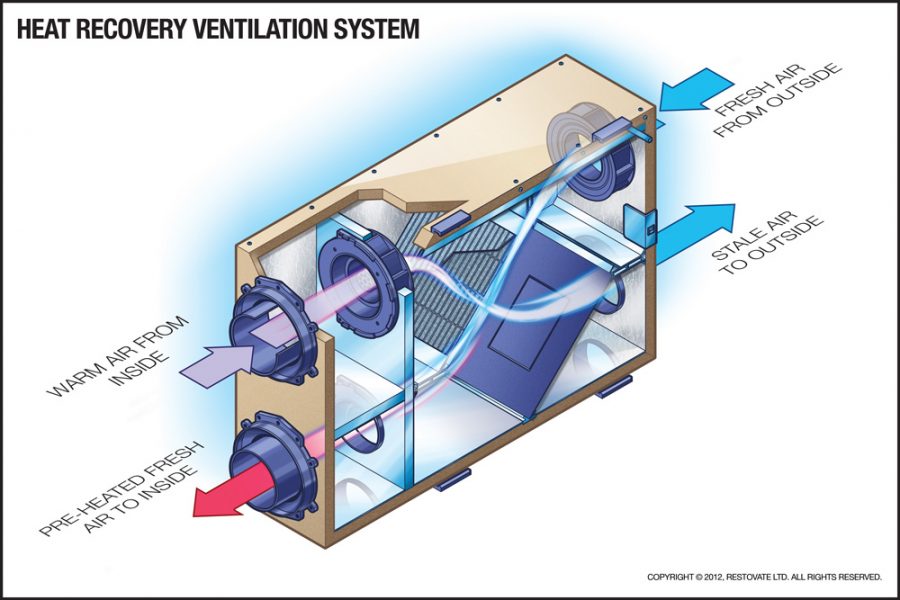
Ever notice the stale, stuffy air in your home, especially during winter when windows are shut tight? You might have a heat recovery ventilator (HRV), also known as an energy recovery ventilator (ERV). These systems are designed to bring fresh air in while exhausting stale indoor air, all while recovering heat (or energy) from the outgoing air to pre-condition the incoming air. It’s an ingenious system, but like any appliance, it can sometimes malfunction.
Imagine this: it's the dead of winter, and you've noticed the air inside your home is becoming increasingly dry and stuffy. The HRV is set to run, but it's not making a noticeable difference. You check the vents, and there's barely any airflow. This scenario highlights a common HRV problem – reduced or no airflow. Let's dive into troubleshooting this issue and other common problems.
Understanding Your HRV: How Does it Work?
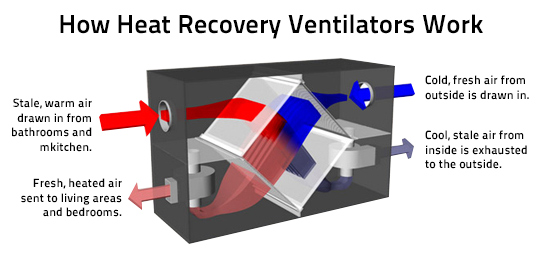
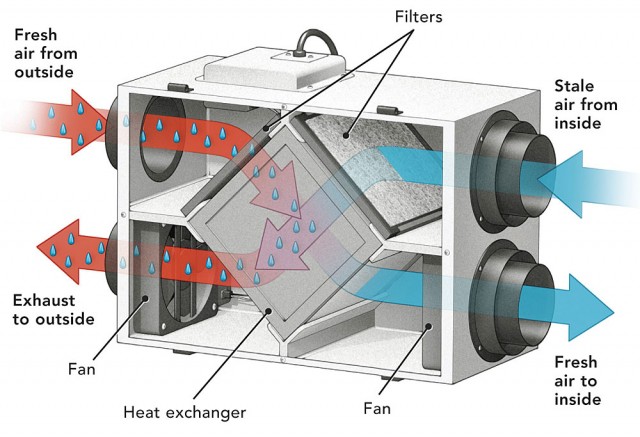
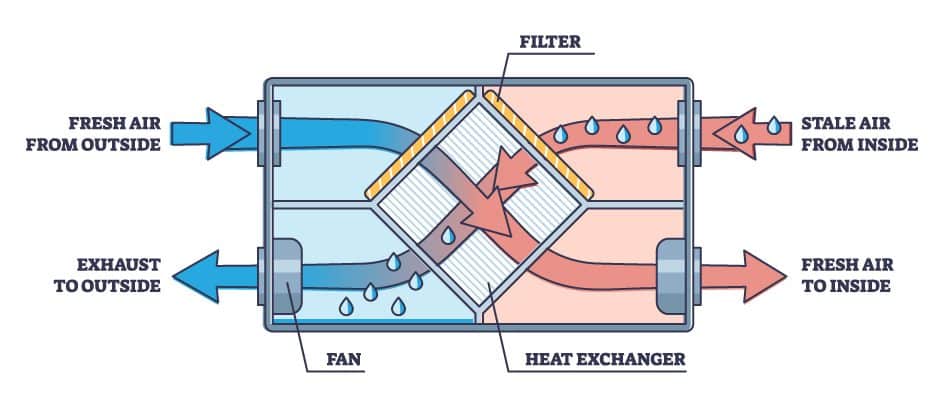
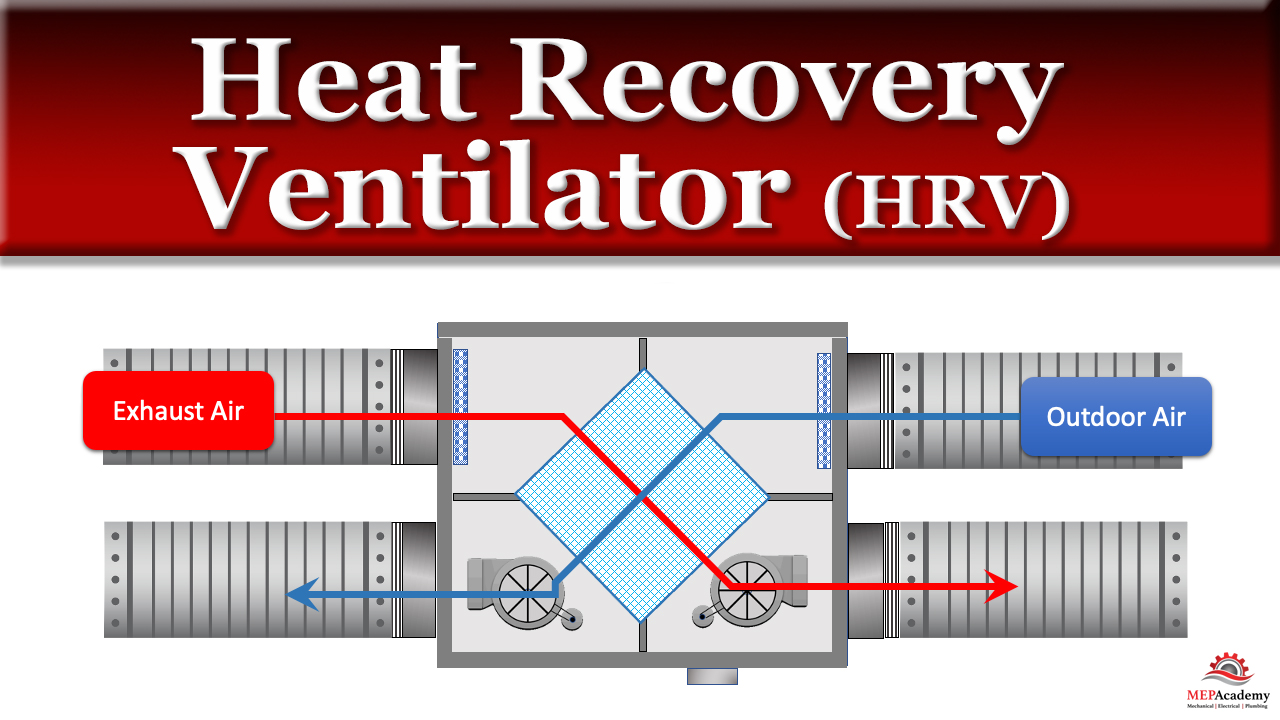
Before we start troubleshooting, let's briefly understand how an HRV operates:
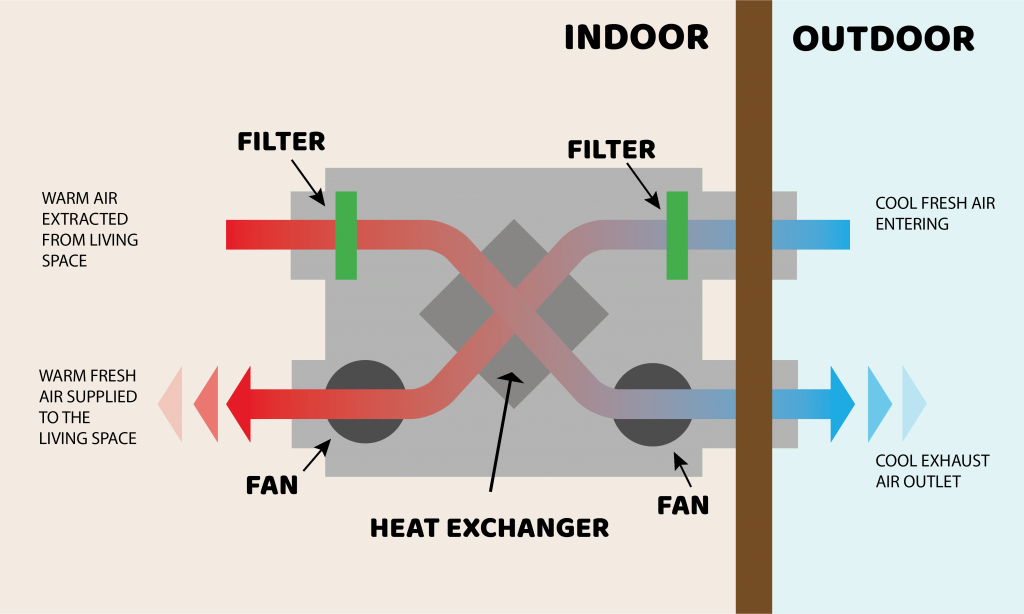
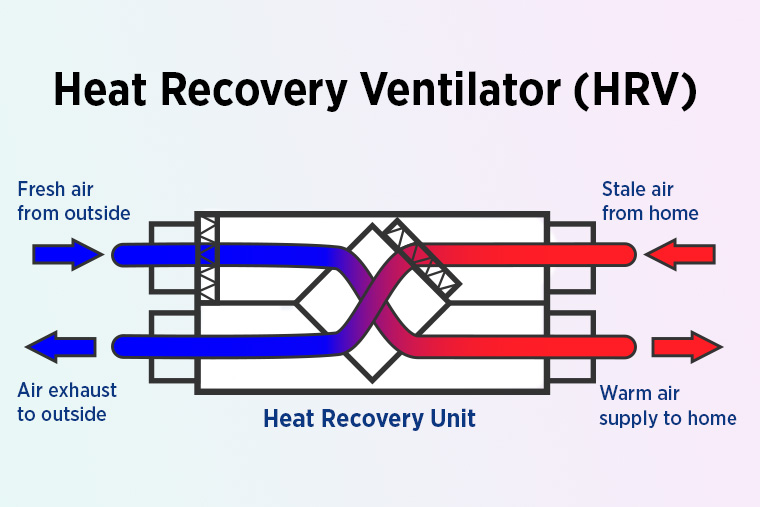
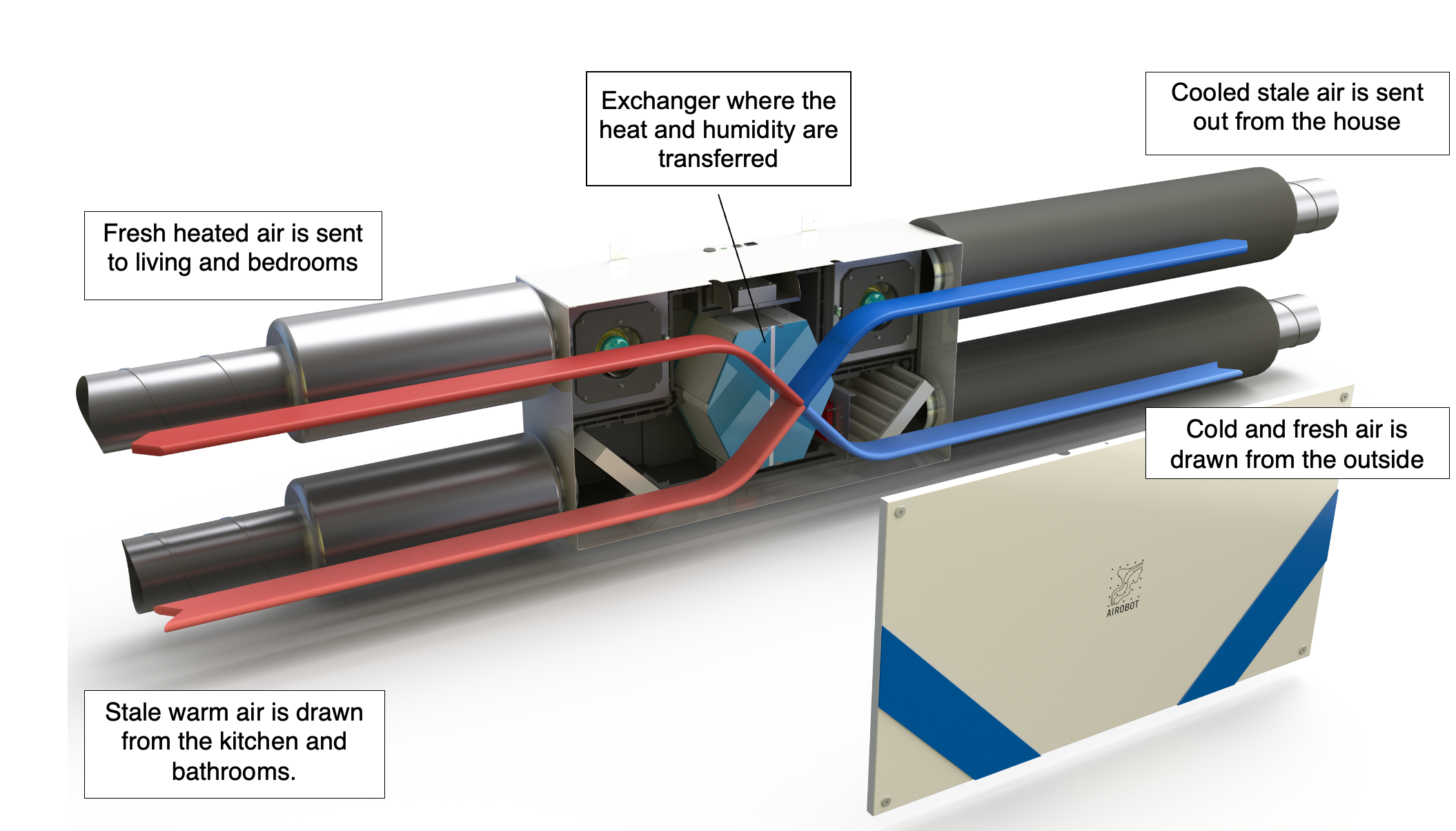
- Air Exchange: The HRV pulls stale, humid air from inside your home (typically bathrooms and kitchens) and simultaneously draws fresh air from outside.
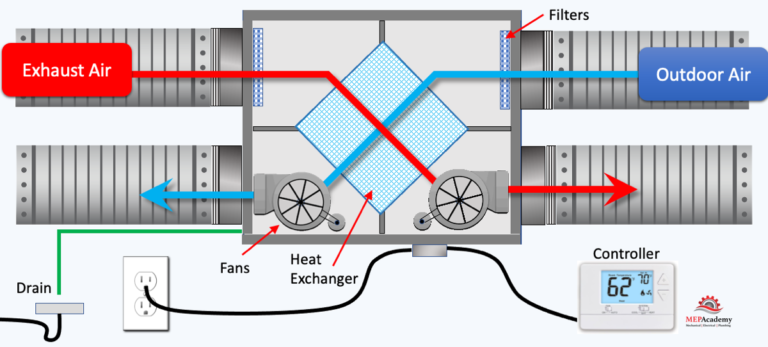
- Heat Recovery Core: The heart of the HRV is the heat recovery core. This component allows the warm outgoing air to transfer its heat to the cold incoming air without mixing the airstreams. This pre-heating of the incoming air saves energy and prevents drastic temperature drops inside your home.
- Exhaust and Supply Fans: Separate fans control the intake and exhaust airflow. One fan pulls stale air out, while the other pulls fresh air in.
- Filters: HRVs have filters to remove dust, pollen, and other particles from both the incoming and outgoing airstreams.
- Defrost Cycle: In colder climates, the exhaust air can freeze, blocking the core. HRVs have a defrost cycle to prevent this.
Troubleshooting: Step-by-Step Guide
Step 1: Safety First!
Before you begin any troubleshooting, always disconnect the HRV from its power source. This is crucial to prevent electrical shock. Locate the circuit breaker that controls the HRV and switch it off. If you're unsure which breaker controls the HRV, switch off the main breaker for your home. If you have any doubts or feel uncomfortable working with electrical components, call a qualified HVAC technician.
Step 2: Check the Power Supply
Even if the HRV appears to be off, it's important to verify the power supply:
- Circuit Breaker: Ensure the circuit breaker is not tripped. If it is, reset it. If the breaker trips again immediately, there's likely a short circuit, and you should immediately call a qualified electrician. Do not repeatedly reset the breaker.
- Power Cord: Inspect the power cord for any damage, such as cuts or frays. If the cord is damaged, do not attempt to repair it yourself. Contact a qualified electrician to replace the cord.
- Voltage: Using a multimeter (if you are comfortable and knowledgeable about using one), verify that the correct voltage is reaching the HRV. The voltage should match the rating on the HRV's label. If the voltage is incorrect, consult a qualified electrician.
Step 3: Examine the HRV Settings
Sometimes, the issue is simply a matter of incorrect settings:
- Control Panel: Check the HRV's control panel for any error messages or unusual settings. Consult the owner's manual for information on interpreting error codes and adjusting settings.
- Fan Speed: Ensure the fan speed is set appropriately. If it's set too low, airflow may be reduced. Try increasing the fan speed to see if it improves airflow.
- Mode of Operation: Some HRVs have different operating modes, such as "automatic," "continuous," or "intermittent." Make sure the mode is set to your desired setting. Experiment with the different modes to see if one works better for your needs.
- Timer Settings: Check the timer settings to ensure the HRV is not set to turn off at certain times.
Step 4: Inspect the Filters
Clogged filters are a common cause of reduced airflow:
- Filter Location: Locate the HRV's filters. They are typically located near the intake and exhaust vents. Consult the owner's manual if you are unsure where the filters are located.
- Filter Condition: Examine the filters for dirt, dust, and debris. If the filters are dirty, replace them with new ones. Dirty filters restrict airflow and reduce the HRV's efficiency.
- Filter Type: Use the correct type of filter for your HRV. Consult the owner's manual for the recommended filter type. Using the wrong type of filter can damage the HRV.
- Filter Replacement Frequency: Replace the filters regularly, typically every 3-6 months, or more frequently if you have pets or allergies.
Step 5: Check the Vents and Ductwork
Obstructions in the vents or ductwork can restrict airflow:
- Vent Obstructions: Check all the intake and exhaust vents for obstructions, such as furniture, curtains, or debris. Clear any obstructions that you find.
- Ductwork Damage: Inspect the visible sections of the ductwork for any damage, such as leaks, kinks, or collapses. If you find any damage, contact a qualified HVAC technician to repair the ductwork.
- Ductwork Cleanliness: Over time, dust and debris can accumulate in the ductwork, reducing airflow. Consider having the ductwork professionally cleaned every few years.
Step 6: Examine the Condensate Drain
HRVs produce condensate, which needs to be drained properly. A clogged drain can cause water damage and reduce efficiency:
- Drain Location: Locate the condensate drain. It's typically a small tube or pipe located near the bottom of the HRV.
- Drain Inspection: Check the drain for clogs or blockages. You can use a small wire or pipe cleaner to clear any clogs.
- Drain Pan: Inspect the drain pan for leaks or overflow. If the drain pan is overflowing, it indicates a clogged drain.
- Proper Slope: Ensure the drain line has a proper slope to allow water to drain freely.
Step 7: Defrost Cycle Issues
If you live in a cold climate, the HRV's defrost cycle may be malfunctioning:
- Ice Buildup: Check for ice buildup on the HRV's exterior or near the exhaust vents. If there is excessive ice buildup, it could indicate a problem with the defrost cycle.
- Defrost Timer: Some HRVs have a defrost timer that can be adjusted. Consult the owner's manual for instructions on adjusting the defrost timer.
- Defrost Sensor: The HRV's defrost sensor may be malfunctioning. Replacing a defrost sensor should be done by a qualified HVAC technician.
Step 8: Fan Motor Problems
If the fan motor is failing, it can cause reduced airflow or a complete shutdown of the HRV:
- Fan Noise: Listen for any unusual noises coming from the fan motor, such as grinding or squealing. These noises could indicate a problem with the fan motor bearings.
- Fan Rotation: Visually inspect the fan to see if it is rotating freely. If the fan is not rotating, or if it is rotating slowly, it could indicate a problem with the fan motor. Do not attempt to manually spin the fan while the HRV is plugged in.
- Fan Motor Replacement: Replacing a fan motor is generally best left to a qualified HVAC technician. It involves electrical wiring and proper motor selection.
When to Call a Professional
While many HRV problems can be resolved with basic troubleshooting, some issues require the expertise of a qualified HVAC technician. It's crucial to prioritize your safety and avoid attempting repairs that you are not comfortable with.
Call a professional if:
- You suspect an electrical problem, such as a short circuit or faulty wiring.
- The HRV uses gas for heating or cooling.
- You are not comfortable working with electrical components.
- You are unable to diagnose the problem after following the troubleshooting steps.
- The repair involves complex parts, such as the heat recovery core or the fan motor.
- You notice a burning smell coming from the HRV.
- The HRV is making loud or unusual noises.
- The HRV is leaking water.
- You are unsure about any aspect of the repair process.
Preventative Maintenance
Regular maintenance can help prevent HRV problems and extend its lifespan:
- Filter Replacement: Replace the filters regularly, as recommended by the manufacturer.
- Vent Cleaning: Clean the intake and exhaust vents regularly to remove dust and debris.
- Ductwork Inspection: Inspect the ductwork for leaks or damage.
- Condensate Drain Cleaning: Clean the condensate drain regularly to prevent clogs.
- Professional Inspection: Have the HRV professionally inspected and serviced every few years.
By understanding how your HRV works and following these troubleshooting steps, you can often resolve minor issues yourself and keep your home's air fresh and healthy. Remember to always prioritize safety and call a professional when needed.