How Does A Hot Water Circulation Pump Work
Hot water circulation pumps are increasingly popular in modern homes, offering convenience and energy savings by ensuring hot water is readily available at your faucets and showers. But how do these systems actually work? This comprehensive guide will delve into the mechanics of hot water circulation pumps, exploring their benefits, drawbacks, installation, and maintenance, helping you determine if one is right for your home.
Understanding the Basics of Hot Water Circulation
Before diving into the specifics of the pump itself, it's crucial to understand why hot water circulation is desirable. In a typical plumbing system, when you turn on a hot water tap, you often have to wait for the cold water sitting in the pipes to be purged before the hot water arrives. This wasted water and waiting time can be frustrating and inefficient. Hot water circulation systems aim to eliminate this delay by continuously circulating hot water throughout your plumbing network.
There are two primary types of systems:
- Continuous Circulation: The pump runs constantly, ensuring hot water is always present in the pipes. This offers instant hot water but can consume more energy.
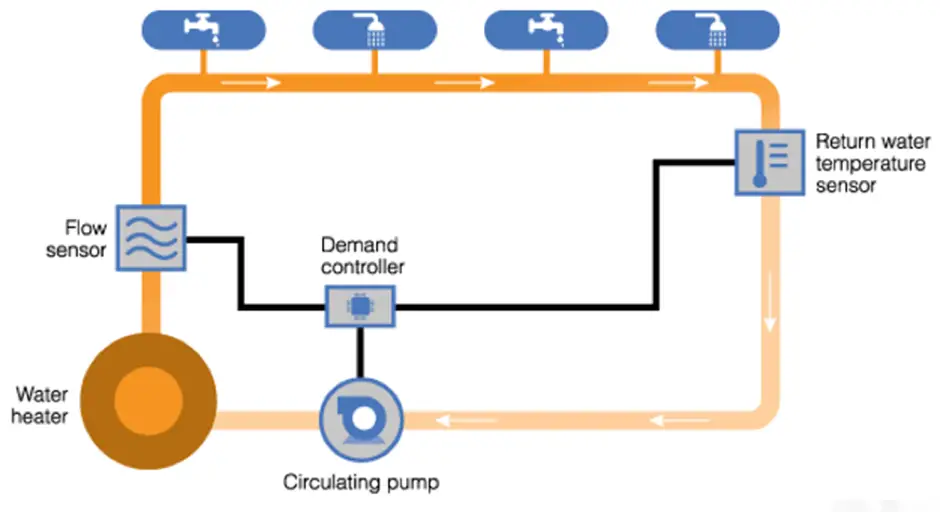
- On-Demand Circulation: The pump is activated only when needed, typically by a button press or motion sensor near the faucet. This saves energy but requires a short wait for the water to heat the pipes.
The Mechanics of a Hot Water Circulation Pump
At the heart of a hot water circulation system is, of course, the pump. These pumps are relatively small and designed to move water quietly and efficiently. Here’s a breakdown of how they function:
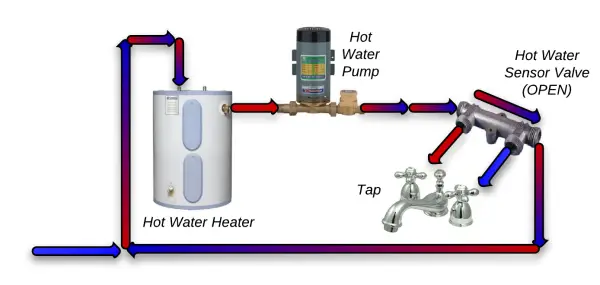
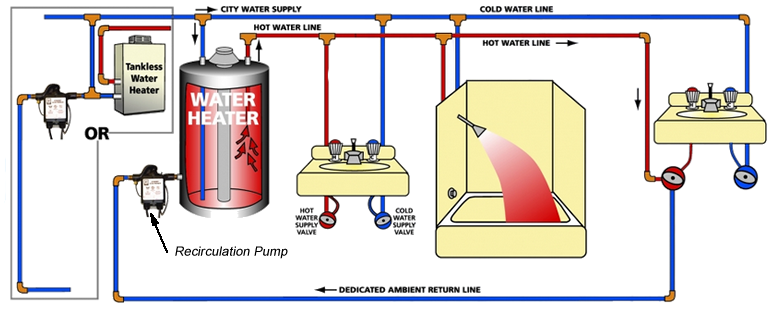
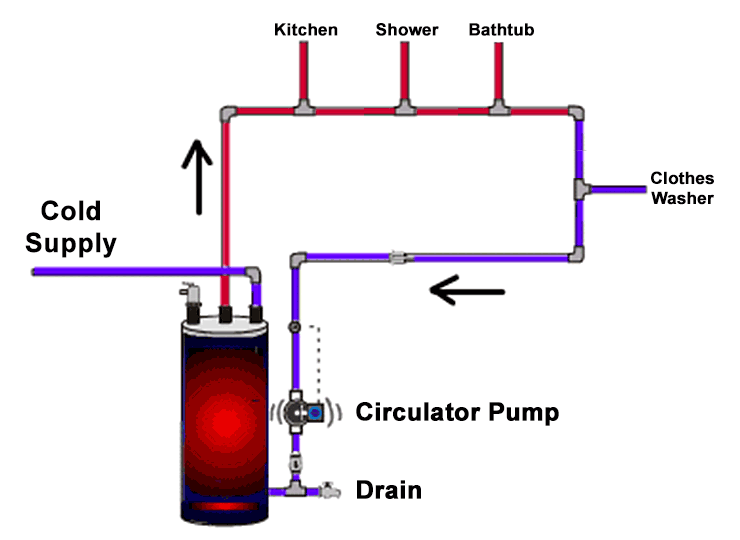
- Pump Location: The pump is typically installed at the water heater or under the furthest fixture from the water heater. The positioning depends on the specific system and plumbing layout.
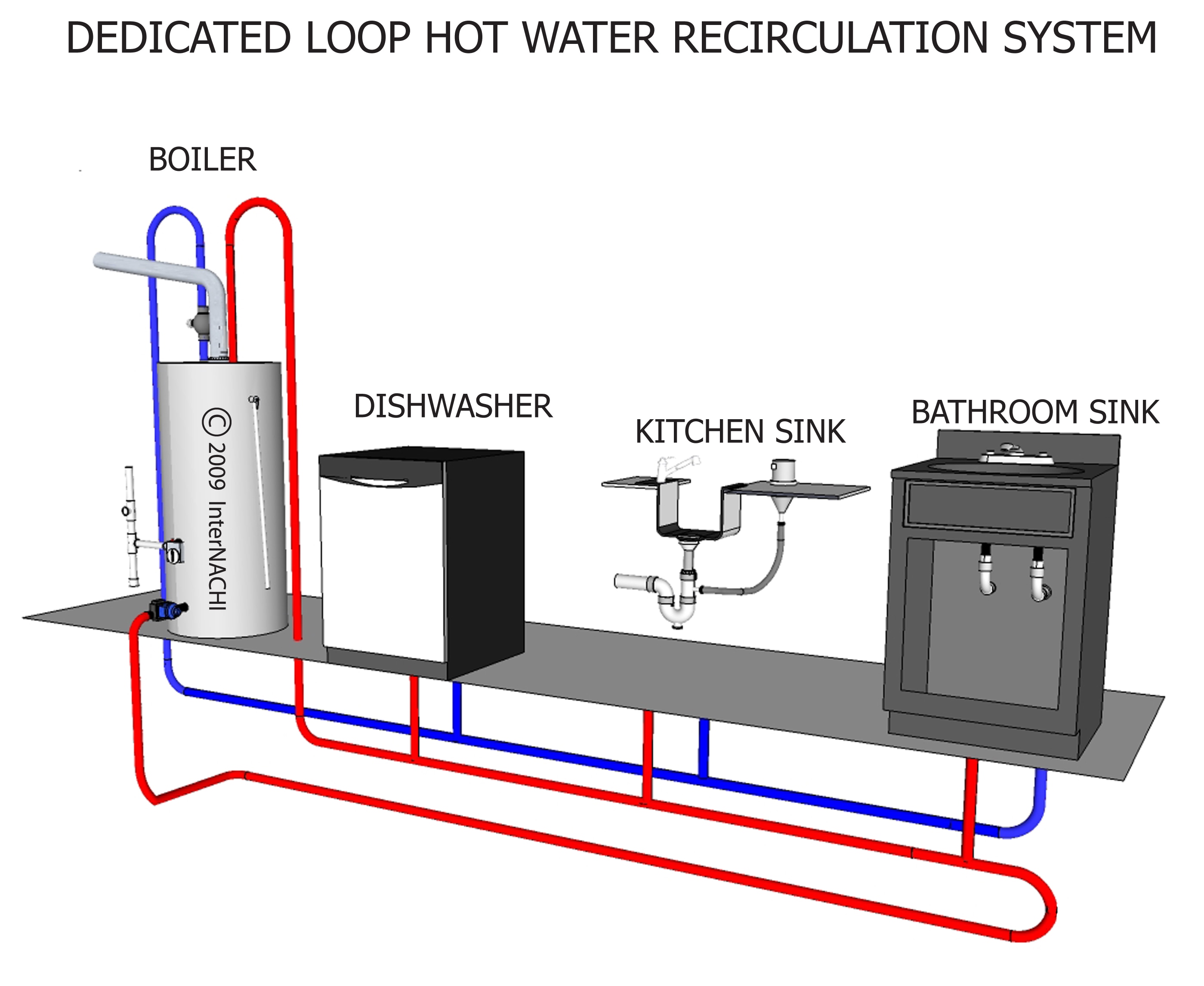
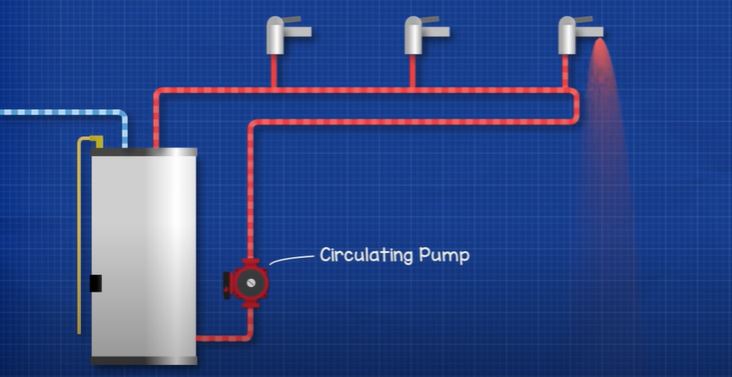
- Circulation Loop: The pump creates a closed-loop system, drawing hot water from the water heater outlet and pushing it through the hot water supply lines.
- Return Line: A dedicated return line carries the cooled water back to the water heater's inlet. This completes the loop, allowing the water to be reheated and recirculated. Some systems utilize the cold water line as the return line, but this is less efficient.
- Impeller and Motor: Inside the pump, an impeller (a rotating component with blades) is powered by an electric motor. As the impeller spins, it forces water through the system.
- Timer or Control System: Many systems include a timer or smart control system to regulate when the pump operates, reducing energy consumption. On-demand systems are manually activated.
Benefits of Hot Water Circulation Pumps
The advantages of installing a hot water circulation pump are numerous:
- Instant Hot Water: The most obvious benefit is immediate access to hot water, eliminating the wait and reducing water waste.
- Water Conservation: By reducing the amount of water wasted while waiting for hot water, these systems contribute to water conservation, which is especially valuable in drought-prone areas.
- Energy Savings: While continuous circulation can increase energy consumption, on-demand systems and properly programmed timers can actually reduce energy waste compared to letting hot water sit in pipes, losing heat.
- Convenience: The convenience of instant hot water is a significant selling point, especially for busy households.
Drawbacks of Hot Water Circulation Pumps
Despite the advantages, there are also some potential downsides to consider:
- Initial Cost: The purchase and installation of a hot water circulation pump can be a significant upfront investment.
- Energy Consumption (Continuous Systems): Continuously running pumps can increase electricity usage and potentially increase water heating costs.
- Maintenance: Like any mechanical device, pumps may require occasional maintenance or repairs.
- Potential Noise: While most pumps are quiet, some models can generate a low hum, which may be noticeable in quiet environments.
- Installation Complexity: Installing a system with a dedicated return line can be complex and may require professional plumbing expertise.
Choosing the Right Hot Water Circulation Pump: Key Features
Selecting the right hot water circulation pump involves considering several factors:
- Pump Type: Decide between continuous and on-demand systems based on your needs and energy-saving priorities.
- Flow Rate: The pump's flow rate (measured in gallons per minute or GPM) should be appropriate for the size of your plumbing system.
- Pump Size: Consider the distance between your water heater and the furthest fixture to determine the necessary pump size.
- Timer and Control Features: Look for models with programmable timers, temperature sensors, or smart home integration for optimal energy efficiency and control.
- Materials: Choose pumps made from durable, corrosion-resistant materials like stainless steel or bronze for longevity.
- Energy Efficiency: Check the pump's energy consumption rating and look for models with energy-saving features.
- Noise Level: Opt for pumps with low noise ratings to minimize disturbance.
Popular Brands and Models
Several reputable manufacturers offer a range of hot water circulation pumps. Here are a few well-regarded brands and models:
- Taco: Taco offers a variety of pumps, including the Taco 006B4-7, a popular choice for small to medium-sized homes. They are known for reliability and quiet operation.
- Grundfos: Grundfos is a leading manufacturer of pumps, and their UP series is widely used for hot water circulation. Their pumps are known for their efficiency and durability. The Grundfos UP15-10B is a particularly popular model.
- Laing Thermotech: Laing (now Xylem) specializes in energy-efficient pumps, including the Autocirc series. They offer both continuous and on-demand systems.
- Watts: Watts Premier offers affordable and easy-to-install on-demand systems, such as the Hot Water Recirculation System.
Installation and Maintenance
Installation of a hot water circulation pump can range from relatively simple for on-demand systems using the cold water line as a return, to more complex for systems requiring a dedicated return line. Professional installation is often recommended, especially for systems with dedicated return lines, to ensure proper plumbing connections and optimal performance.
Maintenance typically involves:
- Regular Inspection: Periodically check the pump for leaks or unusual noises.
- Cleaning: Clean the pump's strainer (if equipped) to remove debris.
- Lubrication: Some pumps may require occasional lubrication. Consult the manufacturer's instructions.
- Professional Servicing: Consider having a qualified technician inspect the pump every few years to ensure it's operating efficiently.
Cost Considerations
The cost of a hot water circulation system includes the purchase price of the pump, installation costs, and ongoing operating expenses.
- Pump Price: Pumps can range from around $100 for basic on-demand models to several hundred dollars for more advanced continuous circulation systems.
- Installation Costs: Installation costs can vary depending on the complexity of the system and local labor rates. Expect to pay several hundred dollars for professional installation.
- Operating Costs: Operating costs depend on the pump's energy consumption and your electricity rates. On-demand systems typically have lower operating costs than continuous circulation systems.
Is a Hot Water Circulation Pump Right for You?
Deciding whether to install a hot water circulation pump depends on your individual needs and priorities. If you value instant hot water, water conservation, and convenience, a hot water circulation pump can be a worthwhile investment. However, it's important to carefully consider the costs, potential drawbacks, and your energy consumption habits before making a decision.
Here's a quick checklist to help you decide:
- Do you frequently wait a long time for hot water?
- Are you concerned about water waste?
- Do you value convenience?
- Are you willing to invest in the initial cost of the system?
- Can you tolerate a potential increase in energy consumption (especially with continuous systems)?
If you answered yes to most of these questions, a hot water circulation pump may be a good fit for your home. Consult with a qualified plumbing professional to discuss your options and determine the best system for your needs.
When assessing your options, also consider any relevant AFUE, SEER, and HSPF ratings of your existing water heater, as these relate to its overall energy efficiency. While these ratings don't directly apply to the circulation pump itself, they are important in understanding your total hot water system efficiency. Furthermore, inquire about the warranty offered by the manufacturer, paying close attention to the terms and conditions, and ensure that you understand the recommended maintenance schedule to maximize the lifespan and performance of your chosen pump.