How Does A Humidifier On A Furnace Work
:max_bytes(150000):strip_icc()/anatomy-of-the-home-furnace-humidifier-1824773color-d41575bdba834fd59ac29178949a1e2a.png)
Frequently Asked Questions: How Does a Furnace Humidifier Work?
Winter air can be incredibly dry, leading to discomfort and even health problems. A furnace humidifier can help combat this dryness, but how does it actually work? Here are answers to some of the most common questions we get about furnace humidifiers:
Q: What *is* a furnace humidifier, and why do I need one?
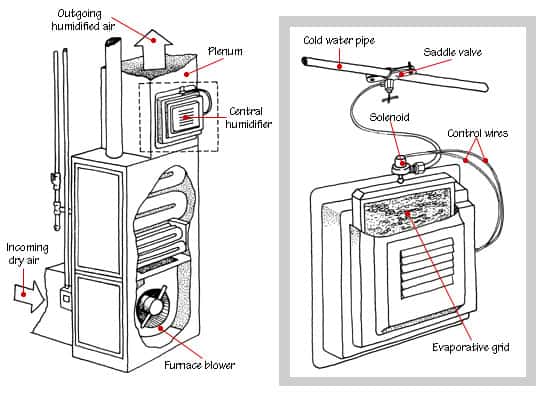
A furnace humidifier is a device integrated into your home's heating, ventilation, and air conditioning (HVAC) system. Its primary function is to add moisture to the air as it's being heated and circulated throughout your house. Think of it as a built-in solution to dry indoor air.
You might need one if you experience the following:
- Dry skin and chapped lips: Dry air steals moisture from your body.
- Static electricity: A buildup of static is a common sign of low humidity.
- Cracked wood furniture: Wood can dry out and crack in low humidity.
- Aggravated allergy or asthma symptoms: Dry air can irritate the respiratory system.
- Increased risk of illness: Dry air allows viruses to thrive and can dry out nasal passages, making you more susceptible to infection.
Q: What are the different *types* of furnace humidifiers, and how do they differ?
There are generally three main types of furnace humidifiers:
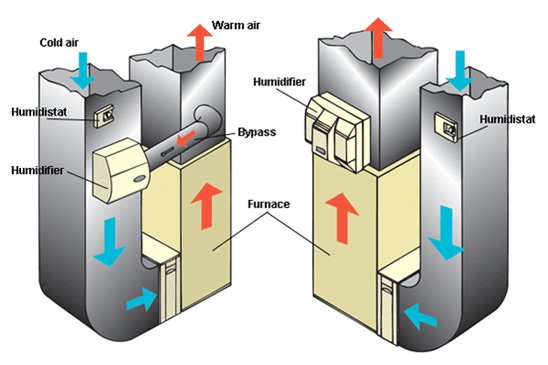
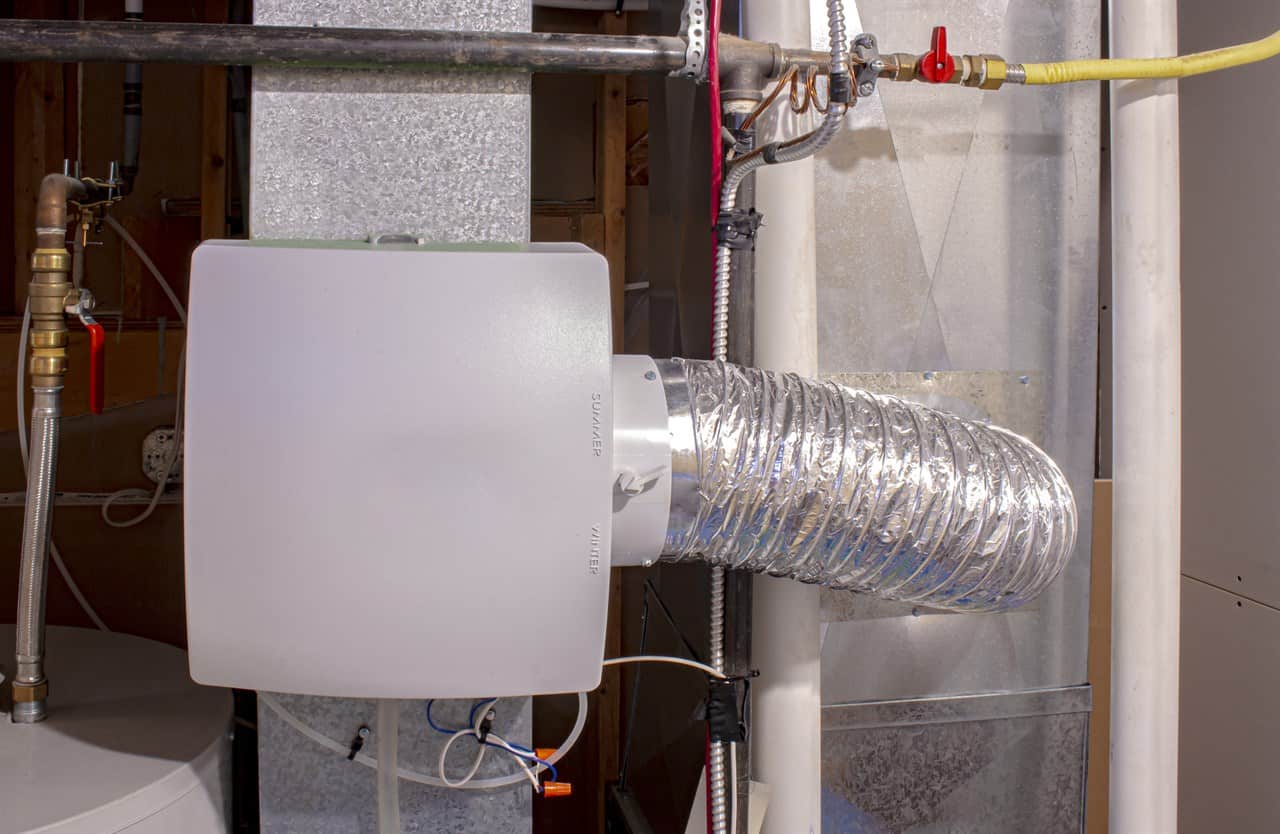
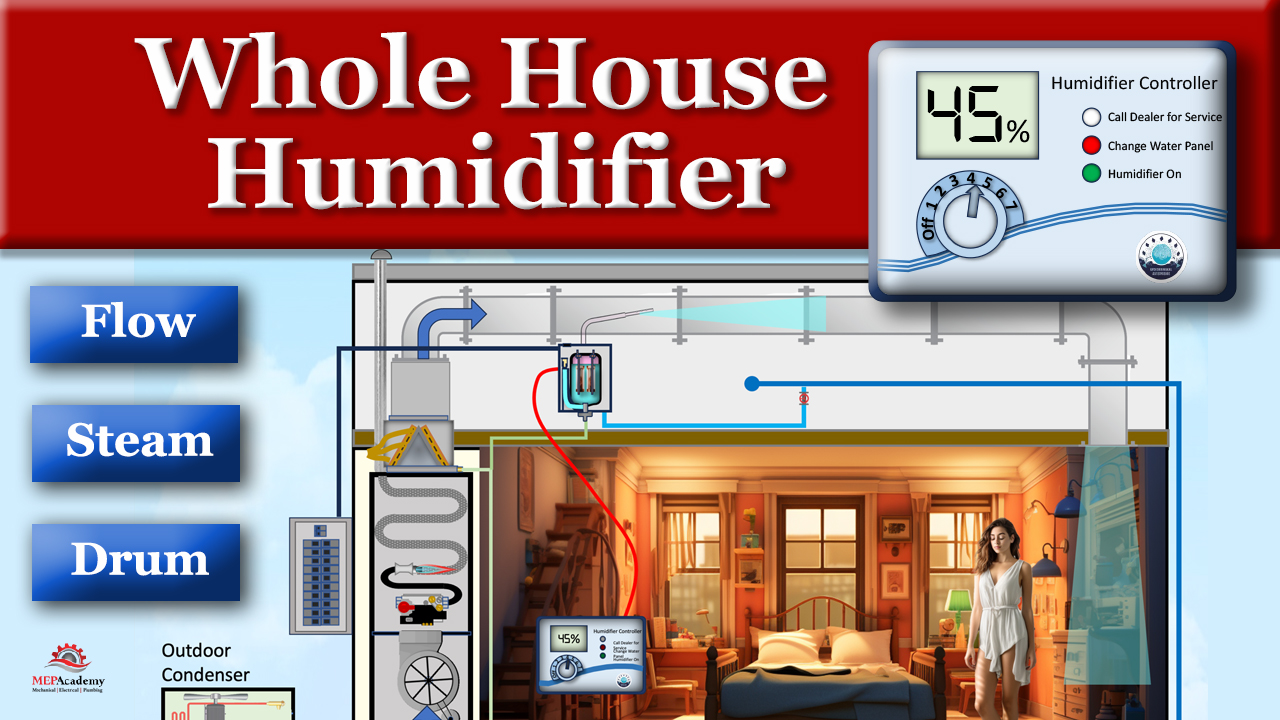
- Bypass Humidifiers: These are the most common type. They work by diverting some of the heated air from your furnace, passing it through a wetted pad, and then returning the humidified air to your ductwork. A bypass duct connects the supply and return air ducts to facilitate this airflow. Bypass humidifiers can be further divided into:
- Flow-Through: Constantly drip water over the pad and drain the excess.
- Drum: Use a rotating drum that dips into a water reservoir.
- Steam Humidifiers: These are the most expensive and energy-intensive, but also the most effective. They boil water to create steam, which is then injected directly into your ductwork. This provides the most consistent and controllable humidity levels.
- Spray Mist Humidifiers: These use a nozzle to spray a fine mist of water directly into the ductwork. They are less common than bypass or steam humidifiers.
The key differences lie in their efficiency, cost, and the amount of humidity they can generate. Bypass humidifiers are typically less expensive to install and operate but may not be as effective in larger homes or extremely dry climates. Steam humidifiers offer superior performance but come with a higher price tag and energy consumption. Spray mist humidifiers offer a compromise between cost and performance, but require more maintenance to prevent mineral buildup and potential water damage.
Q: How does a *bypass* furnace humidifier work in detail?
Let's break down the operation of a bypass humidifier, as it's the most prevalent type:
- Call for Humidity: Your thermostat (or humidistat) senses that the humidity level is below the setpoint. This signals the humidifier to turn on, typically when the furnace is already running.
- Water Supply: A small water line connects to the humidifier, supplying it with water. A solenoid valve controls the flow of water. When the humidifier is activated, the valve opens, allowing water to flow.
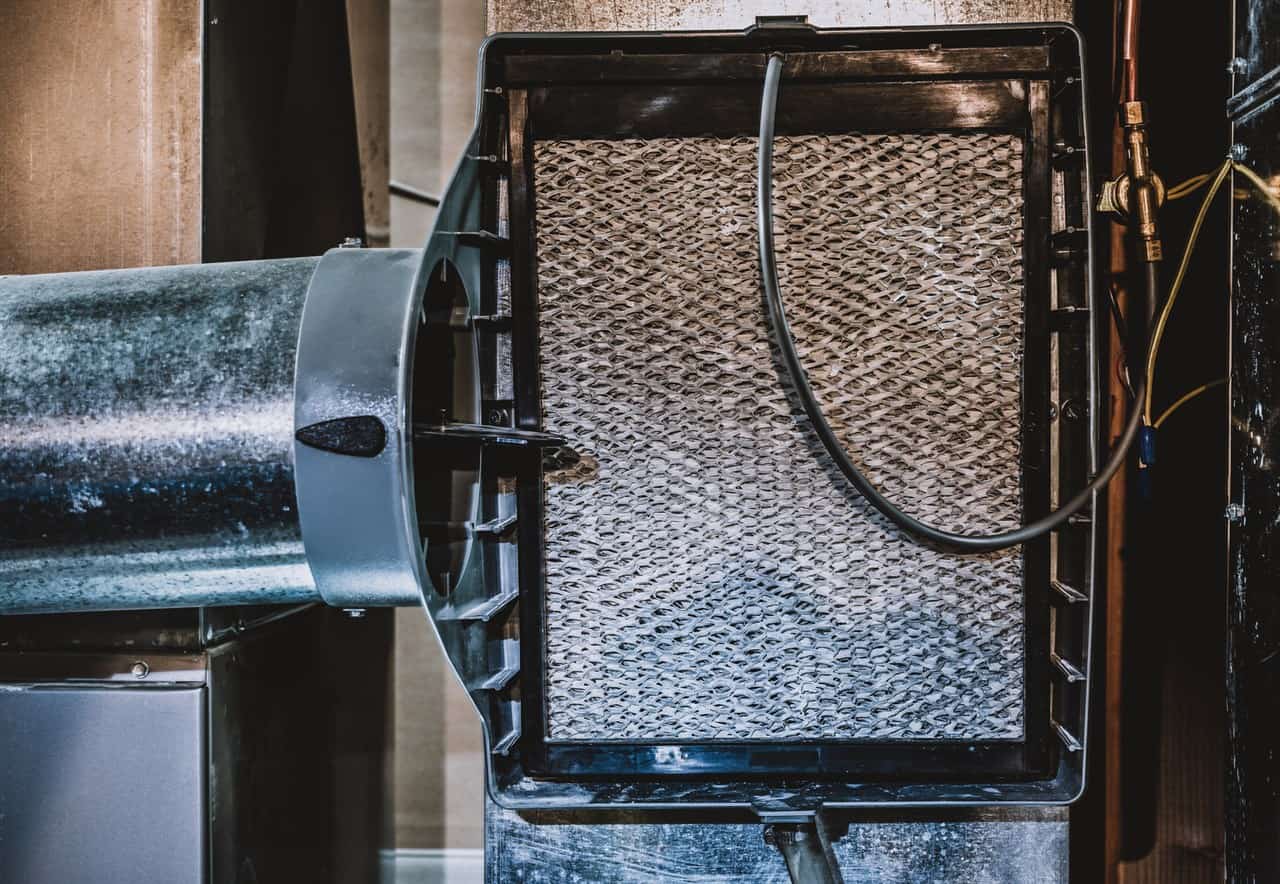
- Wetted Evaporator Pad: The water trickles down over an evaporator pad (also called a humidifier pad or water panel). This pad is designed to maximize surface area for evaporation.
- Airflow Diverted: A portion of the heated air from your furnace is diverted through a bypass duct, which connects the supply and return air ducts of your HVAC system.
- Evaporation: As the heated air passes through the wetted evaporator pad, it absorbs moisture. The water evaporates, increasing the humidity of the air.
- Humidified Air Returns: The humidified air then returns to the furnace's main supply duct, where it's distributed throughout your home via your ductwork.
- Drainage (Flow-Through Models): In flow-through models, excess water that doesn't evaporate is drained away to prevent mineral buildup and stagnation. Drum models recirculate the water.
- Automatic Control: The humidistat continuously monitors the humidity level and adjusts the humidifier's operation to maintain the desired setpoint.
The key is the evaporation process. The larger the surface area of the evaporator pad and the warmer the air, the more moisture the air can absorb.
Q: What about *steam* humidifiers? How are they different from bypass humidifiers?
Steam humidifiers operate on a fundamentally different principle than bypass humidifiers. Here's a detailed breakdown:
- Independent Operation: Unlike bypass humidifiers which rely on the furnace's airflow, steam humidifiers work independently. They can operate even when the furnace isn't running.
- Water Tank: Steam humidifiers have a self-contained water tank that is filled with water.
- Heating Element: Inside the tank, a heating element (similar to the one in an electric water heater) heats the water.
- Boiling Water: The heating element boils the water, creating steam.
- Steam Injection: The steam is then injected directly into the furnace's ductwork, usually the supply duct. A small fan or blower might assist in distributing the steam.
- Precise Control: Steam humidifiers often have more precise humidity control than bypass humidifiers. They can accurately maintain the desired humidity level.
- Mineral Buildup Management: Due to the boiling process, mineral buildup is a common concern. Some steam humidifiers have automatic flushing cycles or require periodic cleaning to remove mineral deposits.
The main advantage of steam humidifiers is their ability to provide consistent humidity levels, regardless of the furnace's operation. They are also more effective in larger homes or extremely dry climates. However, they consume more energy than bypass humidifiers and require more frequent maintenance.
Q: How do I *control* the humidity level with a furnace humidifier? What is a humidistat?
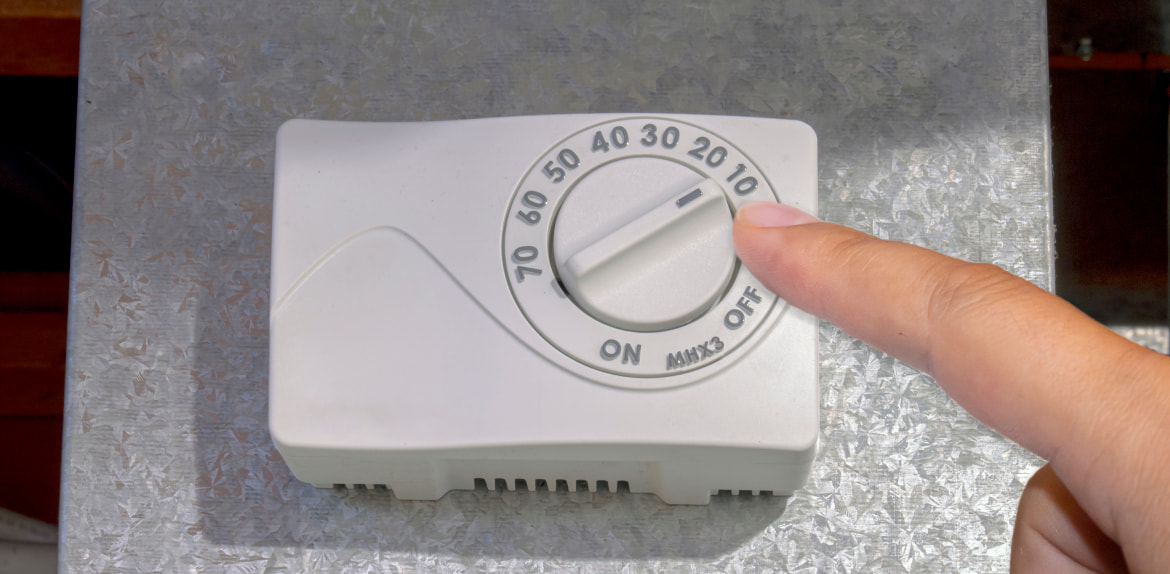
The device that controls the humidity level is called a humidistat. It's the humidity equivalent of a thermostat. The humidistat can be:
- Integrated into your thermostat: Many modern thermostats have built-in humidity sensors and controls.
- A separate device: Some systems use a dedicated humidistat, usually mounted on a wall.
Here's how it works:
- Setting the Desired Humidity: You set your desired humidity level on the humidistat. A typical range for indoor humidity is 30-50%.
- Sensing the Humidity: The humidistat constantly monitors the humidity in your home.
- Activating the Humidifier: When the humidity level drops below your setpoint, the humidistat signals the humidifier to turn on (or increase its output).
- Deactivating the Humidifier: Once the humidity level reaches your setpoint, the humidistat signals the humidifier to turn off (or reduce its output).
- Automatic Adjustment: The humidistat automatically adjusts the humidifier's operation to maintain the desired humidity level.
It's important to monitor your indoor humidity levels, especially during the winter months. Over-humidifying can lead to condensation on windows and walls, which can promote mold growth. Adjust your humidistat setting as needed based on outdoor temperature and your home's insulation.
Q: What kind of *maintenance* is required for a furnace humidifier?
Regular maintenance is crucial for ensuring your furnace humidifier operates efficiently and prevents potential problems. Here's a breakdown of the key maintenance tasks:
- Replace the Evaporator Pad (Bypass Humidifiers): The evaporator pad should be replaced at least once a year, ideally at the beginning of the heating season. Over time, the pad becomes clogged with mineral deposits, reducing its effectiveness.
- Clean the Humidifier Components: Periodically clean the humidifier's water reservoir, distribution tray, and other components to remove mineral buildup and prevent mold growth. Use a mild detergent and water solution. Rinse thoroughly.
- Check the Water Line: Inspect the water line for leaks or cracks. Replace the water line if necessary.
- Check the Solenoid Valve: Ensure the solenoid valve is functioning properly and opening and closing fully.
- Clean the Spray Nozzle (Spray Mist Humidifiers): If you have a spray mist humidifier, clean the spray nozzle regularly to prevent clogging.
- Descale the Water Tank (Steam Humidifiers): Steam humidifiers require regular descaling to remove mineral buildup in the water tank. Follow the manufacturer's instructions for descaling.
- Inspect the Steam Distribution Tube (Steam Humidifiers): Check the steam distribution tube for clogs or damage.
- Professional Inspection: Schedule a professional HVAC inspection annually to ensure your entire system, including the humidifier, is operating efficiently and safely.
Neglecting maintenance can lead to reduced efficiency, increased energy consumption, and potential health problems due to mold or bacteria growth. Regular maintenance will also extend the lifespan of your humidifier.
Q: What problems can occur with a furnace humidifier, and how can I *troubleshoot* them?
While furnace humidifiers are relatively reliable, they can experience problems. Here are some common issues and troubleshooting tips:
- No Humidity Output:
- Problem: Humidistat set too low, water supply turned off, solenoid valve malfunction, clogged evaporator pad, mineral buildup.
- Troubleshooting: Check humidistat setting, ensure water supply is on, test solenoid valve, replace evaporator pad, clean humidifier components.
- Excessive Humidity:
- Problem: Humidistat set too high, faulty humidistat, leaking water line, humidifier running continuously.
- Troubleshooting: Lower humidistat setting, replace humidistat, repair leaking water line, inspect humidifier for proper operation.
- Water Leaks:
- Problem: Cracked water line, loose connections, damaged humidifier components.
- Troubleshooting: Inspect water line and connections for leaks, replace damaged components.
- Mold Growth:
- Problem: Excessive humidity, poor maintenance, stagnant water.
- Troubleshooting: Reduce humidity, clean humidifier components regularly, ensure proper drainage. Consider professional mold remediation if the problem is severe.
- Strange Noises:
- Problem: Worn motor, loose parts, mineral buildup.
- Troubleshooting: Inspect humidifier for loose parts, clean humidifier components, lubricate motor (if applicable).
If you're not comfortable troubleshooting these issues yourself, it's always best to contact a qualified HVAC technician. Attempting repairs without proper knowledge can lead to further damage or safety hazards.