How Does A Hydronic Heating System Work

Understanding Hydronic Heating Systems: A Comprehensive Guide
Hydronic heating, often referred to as radiant heating, is a system that uses water or another fluid to transfer heat. Unlike forced-air systems that blow warm air through ducts, hydronic systems rely on the efficient heat-carrying capacity of liquids to warm a space. This makes them a popular choice for both residential and commercial buildings.
How Does it Work? The Fundamentals
The core principle of a hydronic heating system is remarkably straightforward:
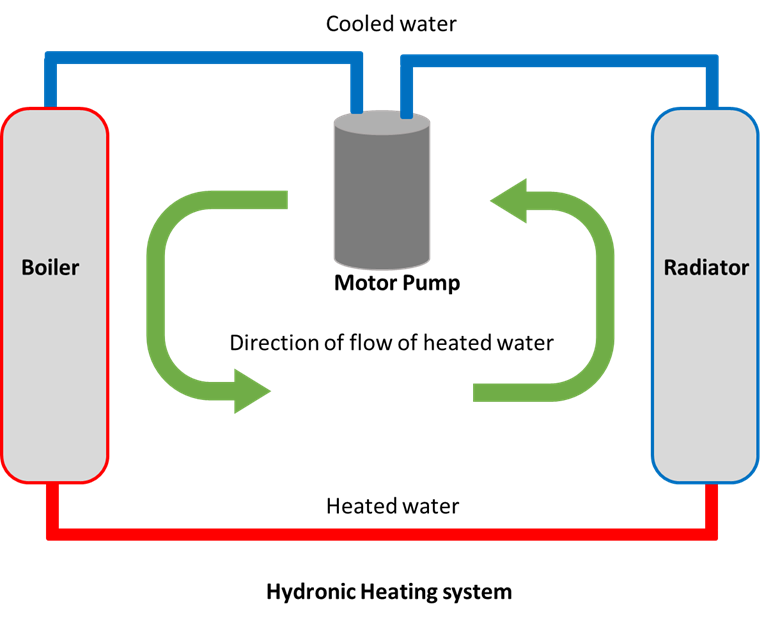
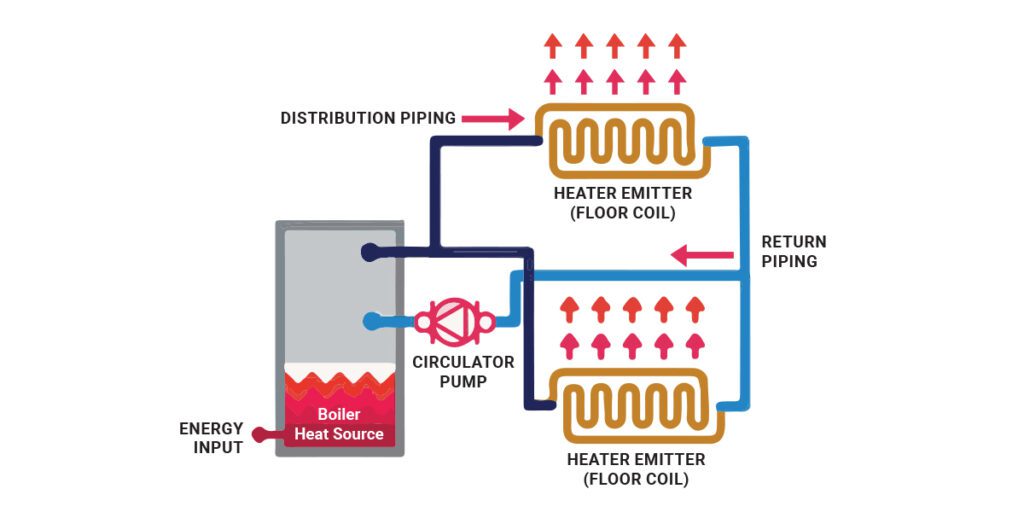
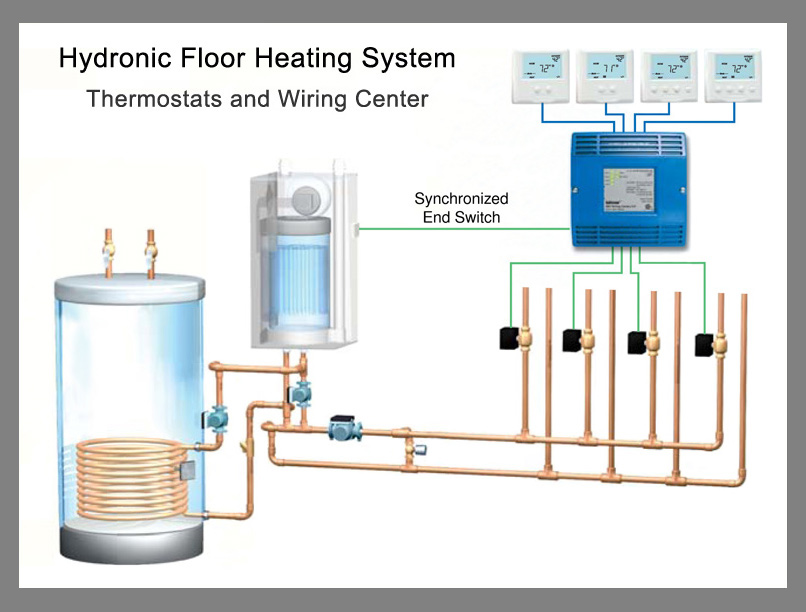
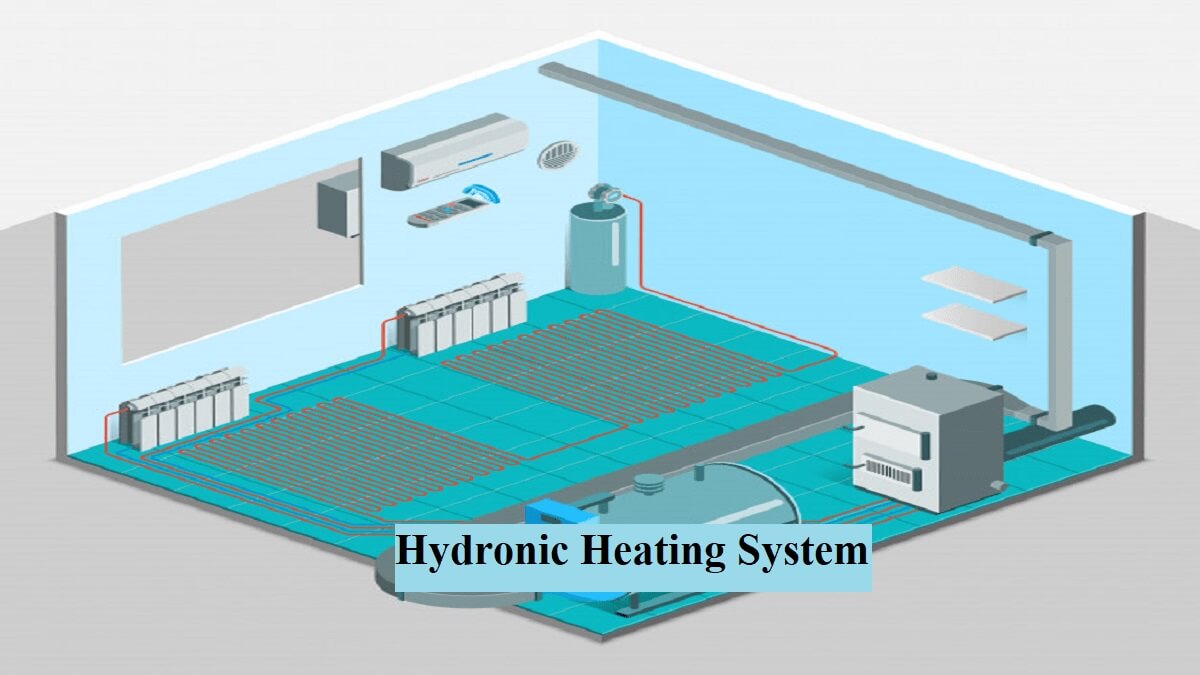
- Heat Source: The system begins with a heat source, typically a boiler, furnace, heat pump, or even solar thermal collectors. The heat source heats the water or fluid to a specific temperature.
- Circulation: A circulator pump then pushes the heated water through a network of pipes. These pipes can be made of copper, PEX (cross-linked polyethylene), or other suitable materials.
- Heat Emission: The heated water flows through radiators, baseboard heaters, or in-floor radiant tubing. These components release the heat into the room.
- Return: After releasing its heat, the cooled water returns to the heat source to be reheated, completing the cycle.
Imagine a pot of water on a stove. The stove (heat source) heats the water. A pump is like a spoon continuously stirring (circulating) the water. Then, the hot pot radiates heat into the kitchen (heat emission). The slightly cooler water in the pot keeps circulating to be reheated.
Key Components Explained
Understanding the function of each component is crucial for troubleshooting and maintenance. Here's a breakdown:
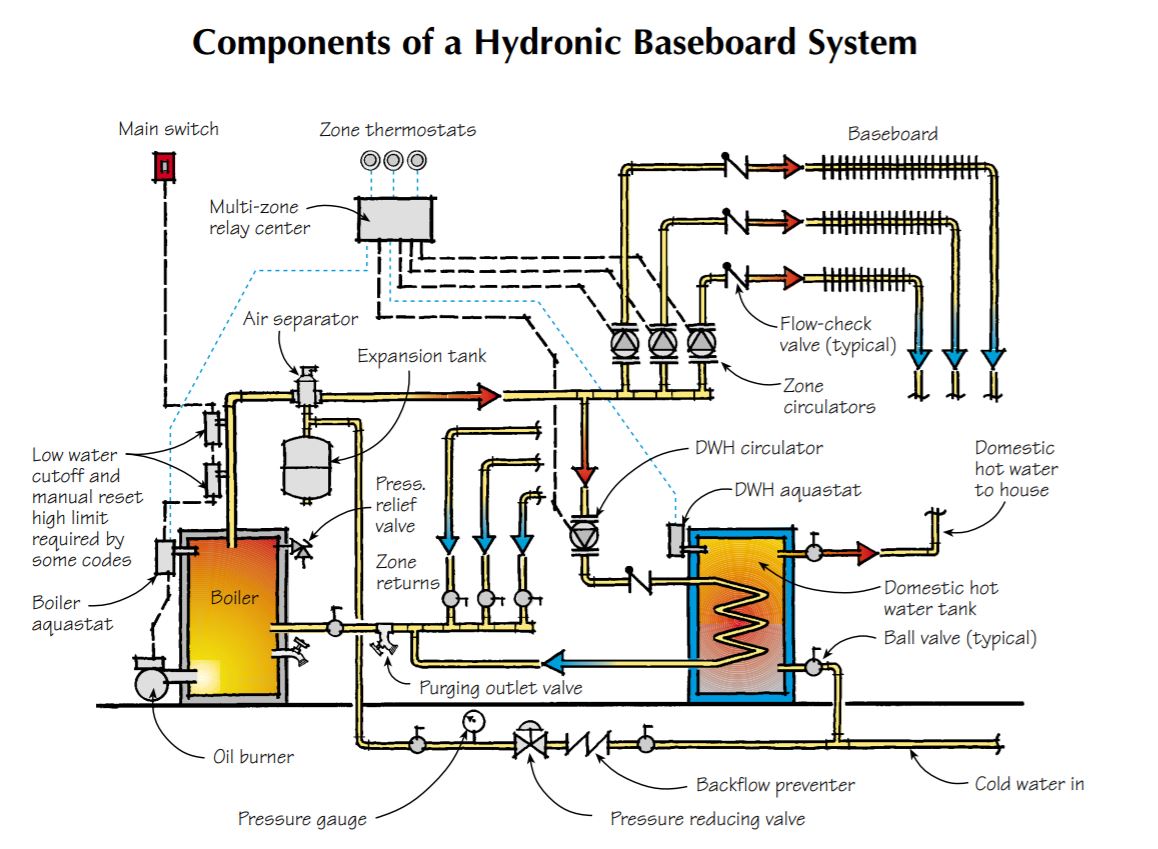
- Boiler: The heart of many hydronic systems, the boiler heats the water. Boilers can run on natural gas, propane, oil, or electricity. Efficiency is measured by AFUE (Annual Fuel Utilization Efficiency), with higher AFUE ratings indicating better fuel efficiency. Modern condensing boilers can achieve AFUE ratings above 90%.
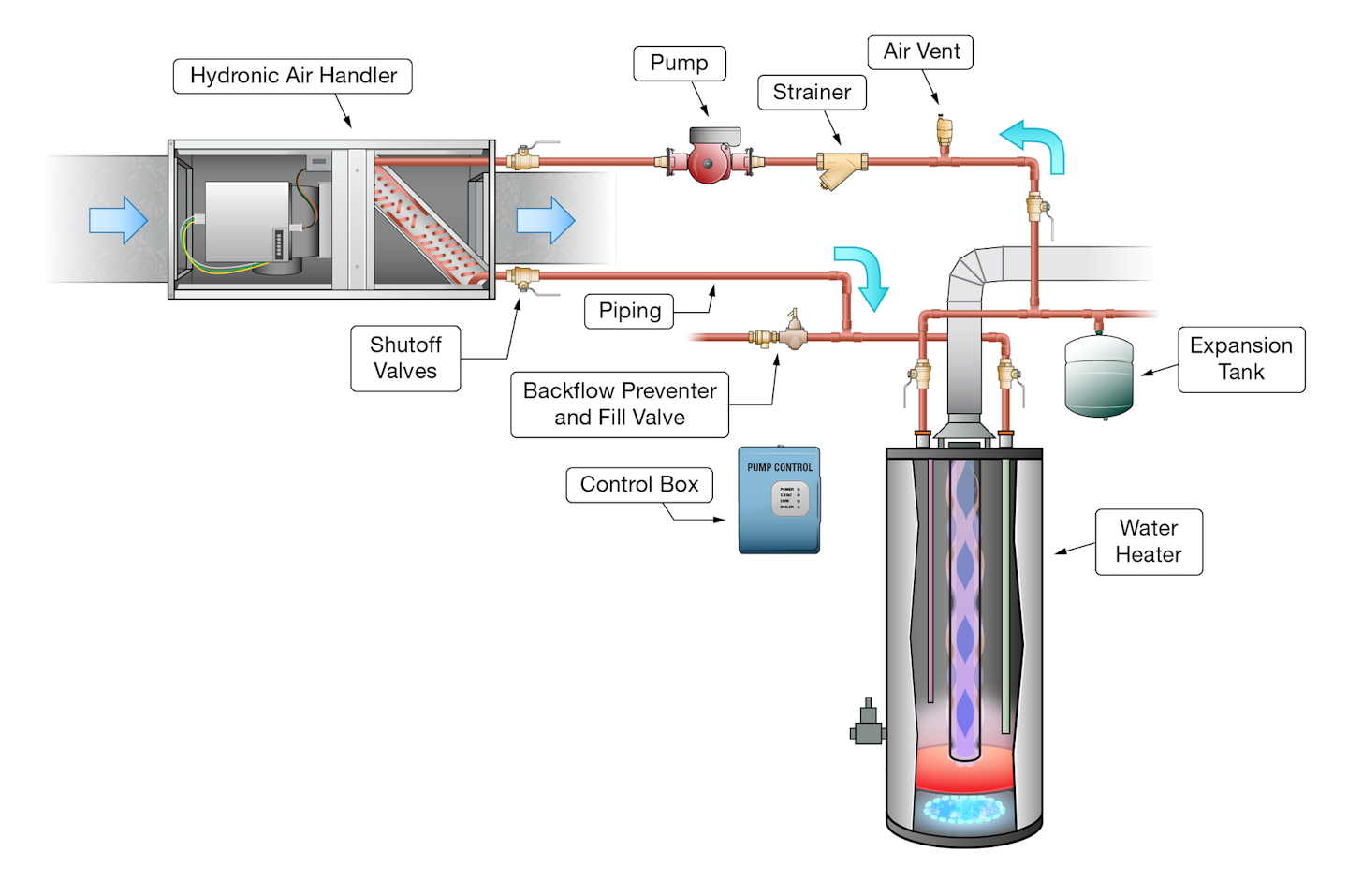
- Circulator Pump: This pump is responsible for circulating the heated water throughout the system. Its size and capacity are crucial for efficient operation. Incorrect sizing can lead to inadequate heating or excessive energy consumption. Variable speed pumps are now common, offering improved efficiency and quieter operation.
- Expansion Tank: As water heats, it expands. The expansion tank accommodates this expansion, preventing pressure buildup in the system. A properly sized expansion tank is essential for system safety and longevity.
- Radiators: Traditional radiators are cast iron or steel panels that radiate heat into the room.
- Baseboard Heaters: These are finned copper tubes enclosed in a metal casing, typically installed along the baseboard of a room. Heated water flows through the tubes, and the fins increase the surface area for heat transfer.
- Radiant Floor Heating: This increasingly popular option involves embedding PEX tubing within a concrete slab or beneath flooring. Warm water circulates through the tubing, gently warming the floor and radiating heat upwards into the room. This provides a very even and comfortable heat distribution.
- Zone Valves: Zone valves control the flow of hot water to different areas or zones of the building. This allows for independent temperature control in each zone, improving comfort and energy efficiency. Smart thermostats can control these valves based on occupancy or desired temperature.
Types of Hydronic Heating Systems
Hydronic systems come in various configurations, each suited to different needs and applications:
- Single-Pipe System: An older design where all radiators are connected in series on a single pipe loop. Water flows from one radiator to the next, gradually cooling down along the way. This system is less efficient and provides uneven heating.
- Two-Pipe System: A more efficient design with separate supply and return pipes. Hot water is supplied to each radiator via the supply pipe, and cooled water returns to the boiler via the return pipe. This ensures more even heating.
- Zoned System: Divides the building into different zones, each with its own thermostat and zone valve. This allows for independent temperature control in each zone, improving comfort and energy efficiency.
Advantages of Hydronic Heating
Hydronic heating offers several advantages over forced-air systems:
- Even Heat Distribution: Radiant heating provides a more even and comfortable heat distribution compared to forced-air systems, which can create hot and cold spots.
- Energy Efficiency: Hydronic systems, especially those with radiant floor heating and condensing boilers, can be very energy efficient. Water transfers heat more efficiently than air, resulting in lower energy consumption.
- Quiet Operation: Hydronic systems are typically quieter than forced-air systems, as there are no noisy fans blowing air through ducts.
- Improved Air Quality: Hydronic systems don't blow air around, reducing the circulation of dust, allergens, and other pollutants.
- Zone Control: Zoned systems allow for independent temperature control in different areas of the building, improving comfort and energy efficiency.
Disadvantages of Hydronic Heating
While hydronic heating offers many benefits, there are also some drawbacks to consider:
- Higher Installation Cost: Hydronic systems typically have a higher initial installation cost compared to forced-air systems.
- Slower Response Time: Hydronic systems can take longer to heat up a space compared to forced-air systems. This is especially true for radiant floor heating, which can take several hours to reach the desired temperature.
- Potential for Leaks: While modern PEX tubing is very reliable, there is always a potential for leaks in a hydronic system. Regular maintenance and inspections are crucial to prevent leaks and minimize damage.
- Requires Professional Installation: Installing a hydronic system requires specialized knowledge and skills. It is important to hire a qualified HVAC technician with experience in hydronic heating.
Cost, Efficiency, and Lifespan
Let's break down the key factors influencing the long-term value of a hydronic heating system:
- Cost: Initial installation costs can range from \$5,000 to \$15,000 or more, depending on the size and complexity of the system. Operating costs depend on fuel prices and the system's efficiency. Maintenance costs are generally lower than forced-air systems, but regular inspections and maintenance are still important.
- Efficiency: Boiler efficiency is measured by AFUE. Look for models with high AFUE ratings (above 90%) for maximum energy savings. The efficiency of radiant floor heating is also high due to the even heat distribution and lower operating temperatures.
- Lifespan: With proper maintenance, a well-designed and installed hydronic heating system can last for 20-30 years or even longer. Boilers typically last for 15-20 years, while circulator pumps and other components may need to be replaced more frequently.
Maintenance Tips for Hydronic Systems
Regular maintenance is essential to keep your hydronic system running efficiently and reliably. Here are some important maintenance tips:
- Annual Inspection: Schedule an annual inspection by a qualified HVAC technician.
- Bleed Radiators: Periodically bleed air from the radiators to ensure proper heat transfer. Trapped air can reduce heating efficiency.
- Check Pressure: Monitor the system pressure and add water if necessary to maintain the correct pressure level.
- Inspect Expansion Tank: Check the expansion tank for signs of corrosion or leaks.
- Clean Boiler: Clean the boiler regularly to remove sediment and scale buildup.
By understanding how a hydronic heating system works and following these maintenance tips, homeowners, HVAC technicians, and facility managers can ensure efficient, comfortable, and long-lasting performance.