How Does A Millivolt Thermostat Work

Understanding Millivolt Thermostats: A Deep Dive for HVAC Professionals
For HVAC professionals, a solid grasp of thermostat technology is fundamental. While smart thermostats dominate headlines, the millivolt thermostat remains a reliable and widely used component, especially in gas-fired appliances. This article explores the workings of a millivolt thermostat, its applications, and its importance in the HVAC industry.
What is a Millivolt System?
A millivolt system is a self-powered control system that doesn't rely on external electricity. Instead, it generates its own electrical current – in the range of millivolts (mV) – using a thermocouple or thermopile. This low-voltage electricity is sufficient to operate the gas valve on appliances like fireplaces, stoves, and some older furnaces. Think of it as a miniature power plant right in your appliance.
The Core Components and Their Function
The typical millivolt system consists of a few key parts:
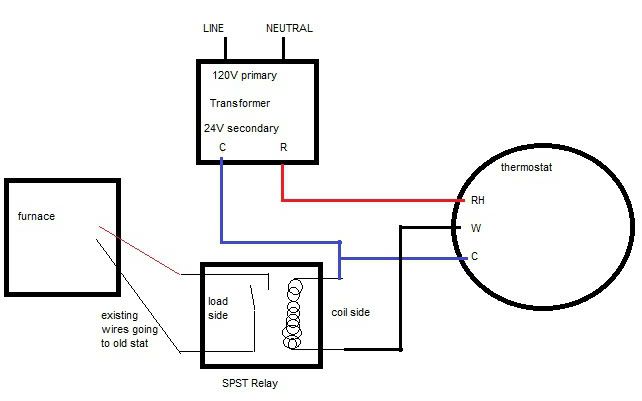
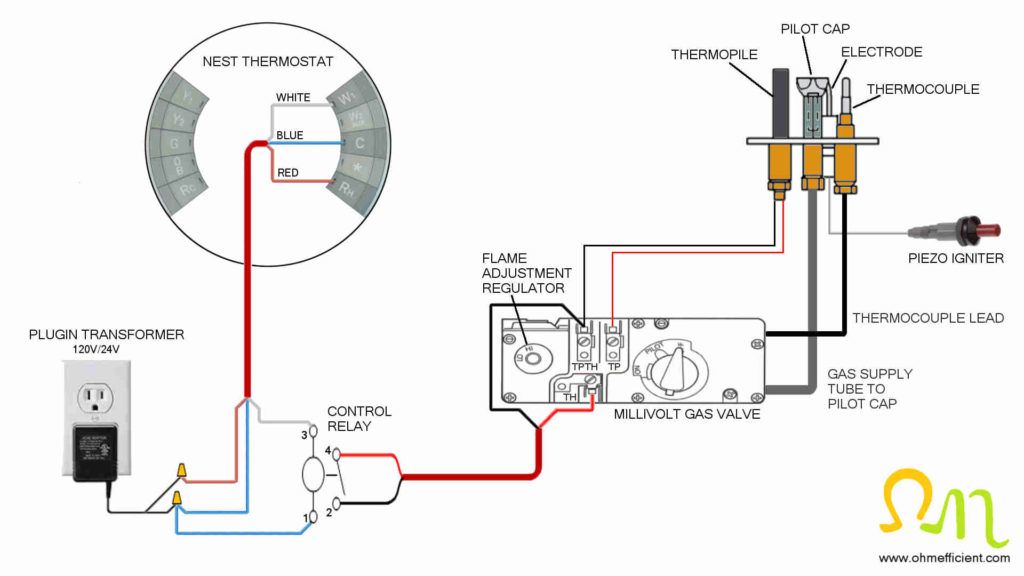
- Thermocouple/Thermopile: This is the heart of the system. It's a device made of two dissimilar metals joined together. When heated by the pilot light, it generates a millivolt current due to the Seebeck effect. A thermopile is essentially multiple thermocouples connected in series to produce a higher voltage output.
- Gas Valve: This valve controls the flow of gas to the main burner. It's an electromagnetic valve that opens when sufficient millivolt current is applied.
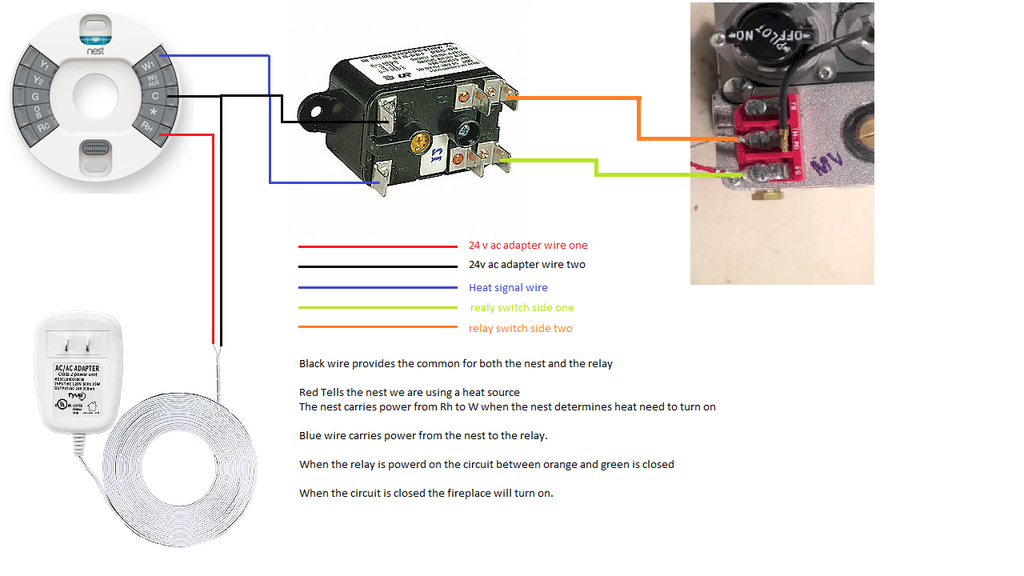
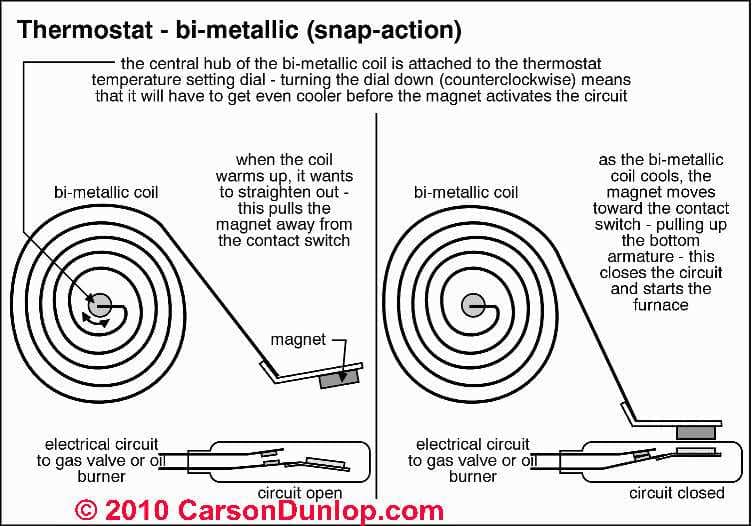
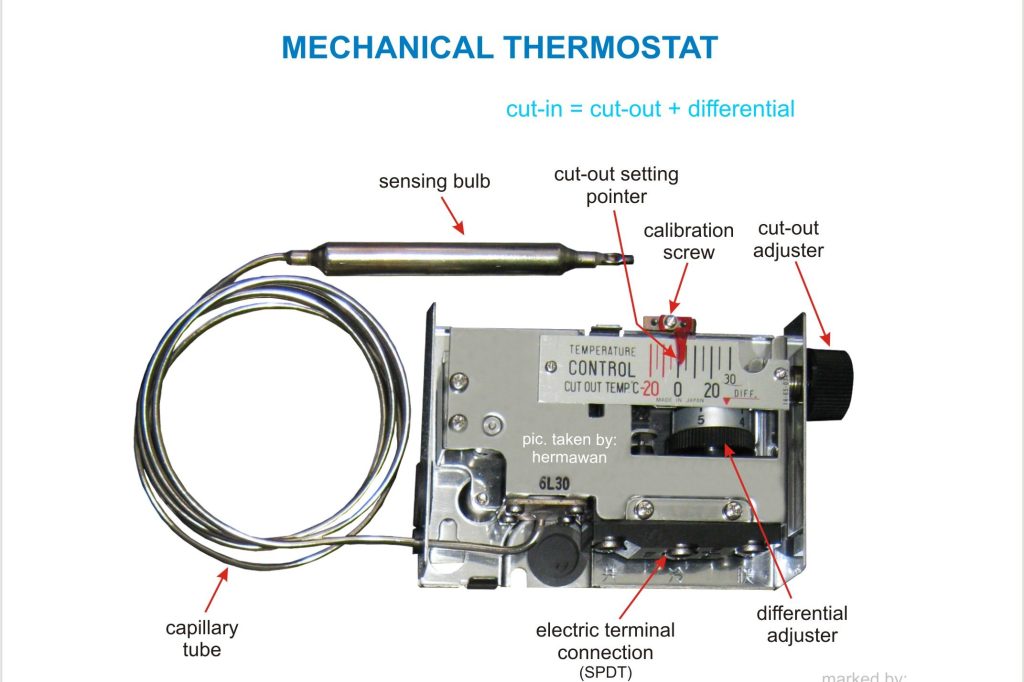
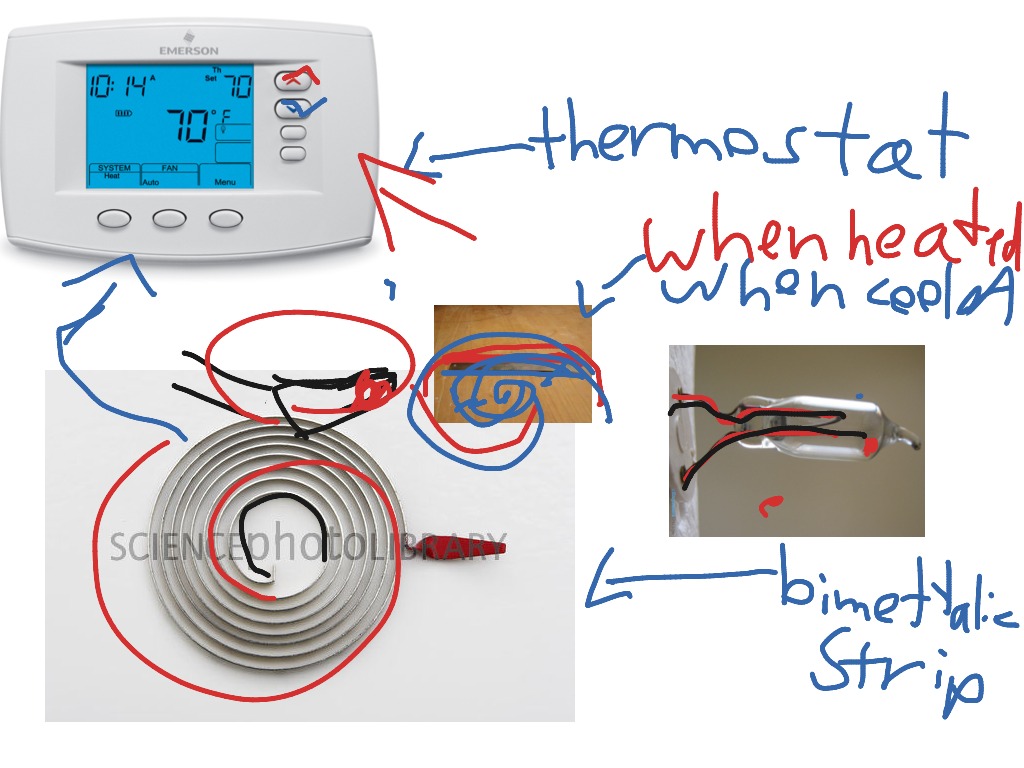
- Thermostat: The thermostat acts as a simple switch in the millivolt circuit. When the room temperature drops below the setpoint, the thermostat closes the circuit, allowing current to flow to the gas valve, which then opens, igniting the main burner. Once the desired temperature is reached, the thermostat opens the circuit, shutting off the gas valve.
- Pilot Light: The pilot light is a small, continuous flame that heats the thermocouple/thermopile. Its reliability is crucial for the system's operation.
How a Millivolt Thermostat Works: A Step-by-Step Explanation
Let's break down the operation into a clear sequence:
- Pilot Light Ignition: The pilot light is manually lit and remains burning continuously.
- Thermocouple/Thermopile Heating: The pilot light's flame heats the thermocouple/thermopile.
- Millivolt Generation: As the thermocouple/thermopile heats up, it generates a small millivolt current.
- Thermostat Action: When the room temperature is below the thermostat's setpoint, the thermostat's internal switch is closed, completing the millivolt circuit.
- Gas Valve Activation: The millivolt current flows through the closed thermostat switch to the gas valve. This energizes an electromagnet within the gas valve.
- Gas Flow and Ignition: The electromagnet pulls open the gas valve, allowing gas to flow to the main burner. The pilot light ignites the gas, producing heat.
- Temperature Regulation: As the room temperature rises, the thermostat reaches its setpoint and opens the circuit, cutting off the millivolt current to the gas valve.
- Gas Valve Closure: The gas valve closes, shutting off the gas supply to the main burner, and the heating cycle ends.
- Cycle Repetition: This cycle repeats automatically to maintain the desired room temperature.
Advantages and Disadvantages of Millivolt Systems
Advantages:
- Reliability: Millivolt systems are known for their simplicity and reliability due to fewer electronic components.
- Power Outage Resilience: They operate independently of external power, making them ideal for situations where power outages are common.
- Cost-Effectiveness: They are generally less expensive to install and maintain than more complex systems.
Disadvantages:
- Limited Functionality: Millivolt thermostats offer basic on/off control and lack the advanced features of modern programmable or smart thermostats.
- Less Precise Temperature Control: Temperature swings can be more pronounced compared to systems with electronic controls.
- Manual Pilot Light: The pilot light needs to be manually lit and can be extinguished by drafts or other factors.
The Millivolt System's Role in the HVAC Industry Today
While modern electronic controls are increasingly prevalent, millivolt systems still hold significant relevance in specific applications. They are commonly found in:
- Fireplaces: Many gas fireplaces rely on millivolt systems for their simple and reliable operation.
- Gas Stoves: Some older gas stoves utilize millivolt systems for ignition.
- Backup Heating Systems: In areas prone to power outages, millivolt systems provide a reliable backup heating solution.
- Remote Locations: Cabins and other locations without reliable access to electricity often use millivolt-operated appliances.
Career Paths and Industry Trends
Understanding millivolt systems is still a valuable skill for HVAC technicians. Here's how it relates to various career paths and industry trends:
- Entry-Level Technicians: Familiarity with millivolt systems provides a solid foundation for understanding basic HVAC control principles. Many apprenticeship programs cover millivolt systems as part of their curriculum. The median annual wage for HVAC technicians was $59,620 in May 2023, according to the Bureau of Labor Statistics. The job outlook is projected to grow 6 percent from 2022 to 2032, about as fast as the average for all occupations.
- Experienced Technicians: Even if you primarily work with modern systems, encountering millivolt systems during service calls is common. NATE (North American Technician Excellence) certification can demonstrate expertise in specific areas, including system troubleshooting, which often involves understanding older technologies like millivolt systems.
- Specialized Technicians: Some technicians specialize in servicing and repairing older appliances, making millivolt system expertise essential.
- Employers: Employers value technicians with a broad skillset, including knowledge of both modern and older technologies. The ability to diagnose and repair millivolt systems can be a significant asset.
Relevant Certifications
While there isn't a specific certification solely for millivolt systems, several certifications can enhance your knowledge and skills in related areas:
- NATE Certification: NATE offers certifications in various HVAC specialties, including gas heating. Demonstrating competency in gas heating systems implies a strong understanding of millivolt systems.
- EPA Section 608 Certification: While not directly related to millivolt systems, the EPA 608 certification is required for technicians who handle refrigerants. It's a fundamental certification for many HVAC roles.
- Manufacturer-Specific Training: Many manufacturers offer training programs on their specific products, which may include information on millivolt controls used in their appliances.
Example Career Path
Consider the career path of Sarah, an HVAC technician:
- HVAC Apprenticeship: Sarah started with an apprenticeship, where she learned the fundamentals of HVAC systems, including millivolt controls.
- Entry-Level Technician: After completing her apprenticeship, Sarah worked as an entry-level technician, performing routine maintenance and repairs. She frequently encountered millivolt systems in older homes.
- NATE Certification: Sarah pursued NATE certification in gas heating to demonstrate her expertise.
- Specialized Technician: Sarah eventually specialized in servicing and repairing older heating systems, becoming a sought-after expert in millivolt systems.
Troubleshooting Common Millivolt System Problems
Diagnosing problems in millivolt systems requires a systematic approach. Here are some common issues and troubleshooting steps:
- Pilot Light Issues: A dirty or weak pilot light is a common culprit. Clean the pilot light assembly and check the gas pressure.
- Thermocouple/Thermopile Failure: Use a multimeter to test the millivolt output of the thermocouple/thermopile. If the output is below the specified range, replace the component.
- Thermostat Problems: Test the thermostat's continuity with a multimeter. A faulty thermostat won't complete the circuit.
- Gas Valve Malfunction: Check the gas valve's voltage with a multimeter when the thermostat is calling for heat. If the voltage is present but the valve doesn't open, the valve may be faulty.
- Wiring Issues: Inspect the wiring for corrosion, loose connections, or breaks.
The Future of Millivolt Systems
While smart thermostats and advanced controls are gaining popularity, millivolt systems are likely to remain in use for the foreseeable future, especially in applications where reliability and power outage resilience are paramount. Technicians who understand these systems will continue to be in demand, particularly for servicing older appliances and providing backup heating solutions. As the industry evolves, a blended skillset encompassing both traditional and modern technologies will be increasingly valuable. As technology continues to advance, the demand for technicians skilled in both traditional and modern systems will increase to over $150,000 annually in some areas.
+Hi+Limit+%2C+Thermocouple%2C+Radex+Wire+Ass’y.jpg)