How Does A Mini Split Ac System Work

Frequently Asked Questions: How Does a Mini-Split AC System Work?
Mini-split AC systems are becoming increasingly popular for their energy efficiency and flexibility in cooling and heating individual rooms. But how do they actually work? Here are some of the most common questions homeowners and facility managers have about mini-split systems:
Question 1: What exactly *is* a mini-split system, and what are its main components?
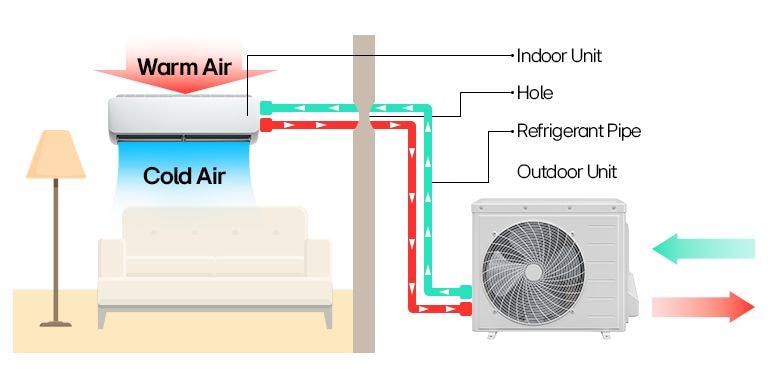
A mini-split system, also known as a ductless mini-split, is a type of air conditioning and heating system that doesn't require ductwork. This makes it a great option for homes or buildings without existing duct systems or for adding climate control to specific rooms. The main components are:
- Outdoor Unit (Compressor/Condenser): This houses the compressor, condenser coil, and fan. It's typically placed outside the building. Its primary job is to release heat during cooling and absorb heat during heating.
- Indoor Unit (Air Handler): This is the part that delivers cool or warm air directly into the room. Indoor units come in various styles, including wall-mounted, ceiling-cassette, and floor-standing models.
- Refrigerant Lines: These copper tubes carry refrigerant between the indoor and outdoor units. They're insulated to prevent energy loss.
- Control System: Usually a remote control or a wall-mounted thermostat, it allows you to set the temperature and other settings.
Question 2: How does the cooling process work in a mini-split system?
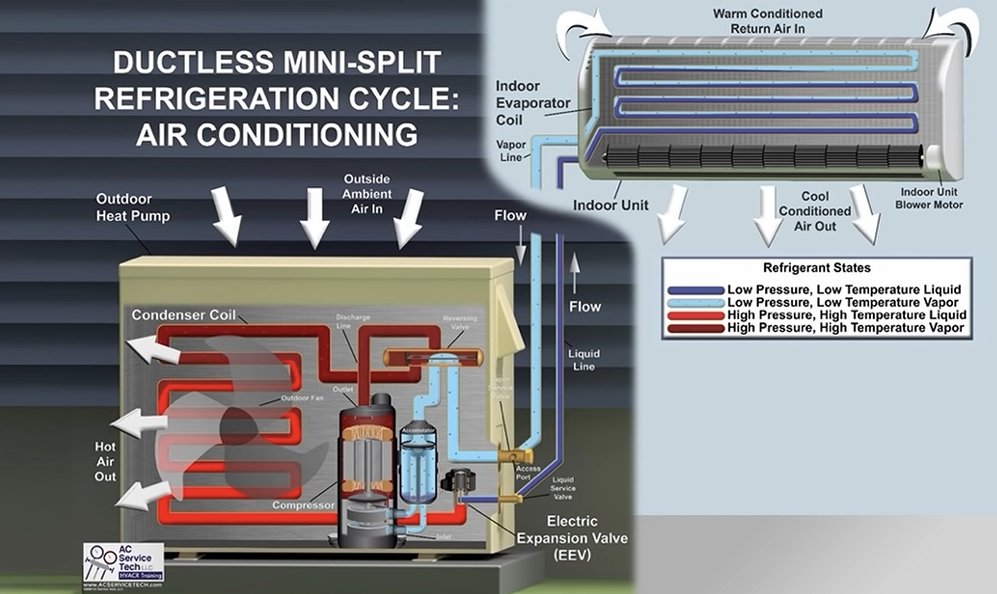
The cooling cycle in a mini-split system works much like a traditional air conditioner, but without the need for ducts. Here’s a simplified breakdown:
- Refrigerant Absorbs Heat: The indoor unit contains a coil filled with refrigerant. This refrigerant absorbs heat from the air in the room, cooling the air as it passes over the coil. A fan blows the cooled air back into the room.
- Refrigerant Travels Outside: The warmed refrigerant, now in a gaseous state, travels through the refrigerant lines to the outdoor unit.
- Compression: The compressor in the outdoor unit increases the pressure and temperature of the refrigerant.
- Heat Release: The hot, high-pressure refrigerant flows through the condenser coil in the outdoor unit. Here, it releases its heat to the outside air, causing the refrigerant to condense back into a liquid state. The outdoor fan helps dissipate the heat.
- Expansion: The liquid refrigerant then passes through an expansion valve, which reduces its pressure and temperature before it returns to the indoor unit to repeat the cycle.
Essentially, the system transfers heat from inside your home to the outside, leaving you with cooler indoor air.
Question 3: Can mini-split systems also provide heating? If so, how does the heating process work?
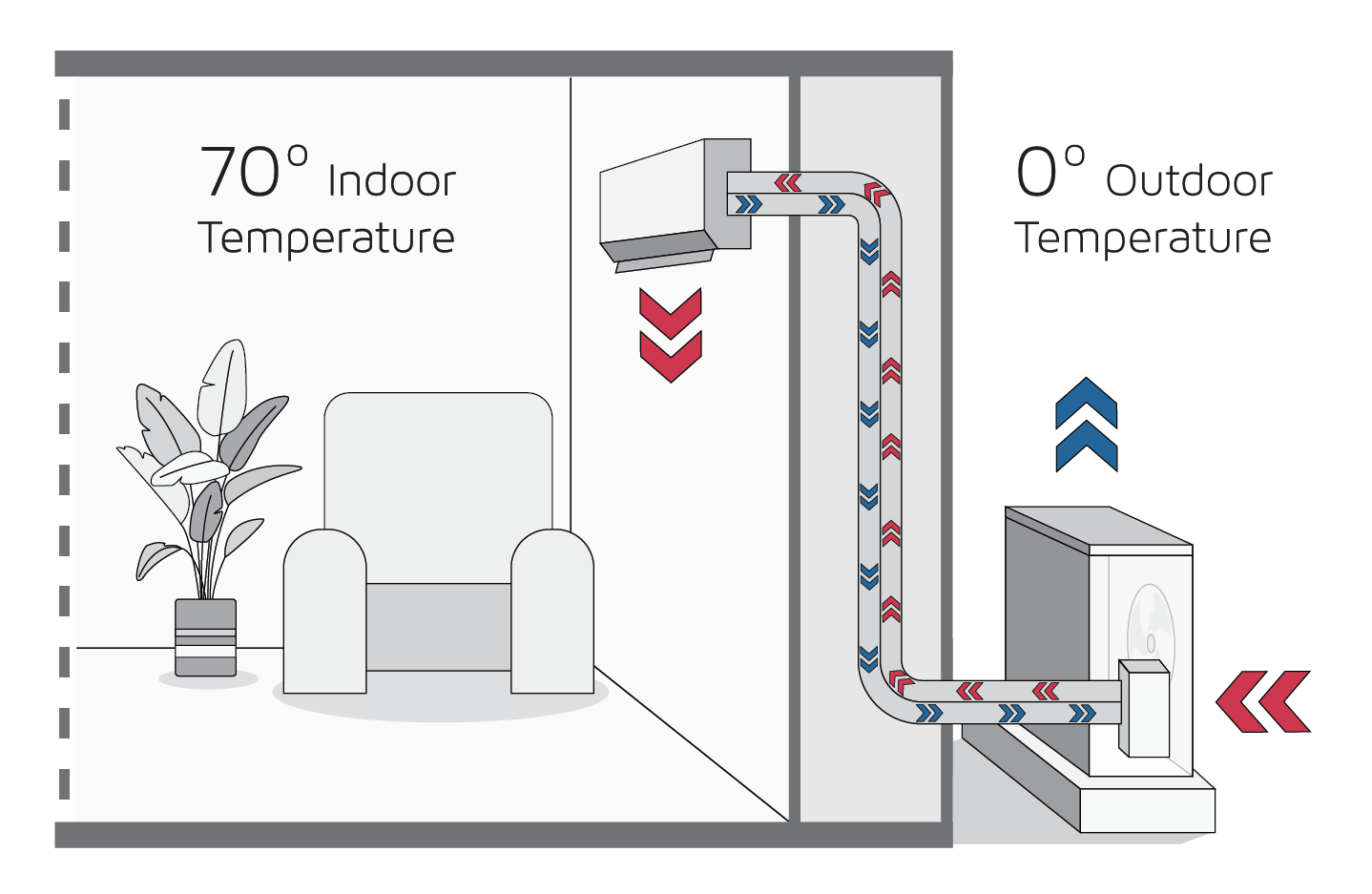
Yes, many mini-split systems are heat pumps, meaning they can both cool and heat. The heating process is essentially the reverse of the cooling process:
- Refrigerant Absorbs Heat (From Outside): The outdoor unit absorbs heat from the outside air, even when the outside temperature is cold. This is possible because refrigerant has a very low boiling point.
- Refrigerant Travels Inside: The refrigerant, now heated, travels through the refrigerant lines to the indoor unit.
- Compression: The compressor in the outdoor unit further increases the pressure and temperature of the refrigerant.
- Heat Release (Inside): The hot, high-pressure refrigerant flows through the coil in the indoor unit, releasing its heat into the room. A fan blows the warmed air into the room.
- Expansion: The refrigerant then passes through an expansion valve, which reduces its pressure and temperature before it returns to the outdoor unit to repeat the cycle.
In heating mode, the system extracts heat from the outside air and transfers it inside. Even on moderately cold days, a heat pump mini-split can efficiently provide heat. However, their heating efficiency may decrease significantly in extremely cold climates.
Question 4: What are the advantages of using a mini-split system compared to other types of air conditioning systems?
Mini-split systems offer several advantages over traditional air conditioners and central heating systems:
- Energy Efficiency: Mini-splits are generally more energy-efficient than window units or central AC systems, as they don't suffer from duct losses. The absence of ducts is a major contributor to their efficiency.
- Individual Zone Control: You can control the temperature in individual rooms or zones, allowing you to heat or cool only the areas you're using. This reduces energy waste and can save you money on your utility bills.
- Easy Installation: Installation is typically simpler and less invasive than installing ductwork for a central AC system. It usually involves drilling a small hole in the wall for the refrigerant lines.
- Quiet Operation: Mini-split systems are generally quieter than window units, as the noisy compressor is located outside.
- Flexibility: They can be installed in a variety of locations, making them suitable for homes, offices, and other buildings. They are perfect for additions, sunrooms, and spaces without existing ductwork.
- Improved Air Quality: Some mini-split systems come with advanced filtration systems that can improve indoor air quality by removing dust, pollen, and other allergens.
Question 5: How many indoor units can be connected to a single outdoor unit?
The number of indoor units that can be connected to a single outdoor unit depends on the system's capacity and the manufacturer's specifications. Mini-split systems come in both single-zone and multi-zone configurations.
- Single-Zone: A single-zone system has one outdoor unit connected to one indoor unit, ideal for cooling or heating a single room.
- Multi-Zone: A multi-zone system can connect multiple indoor units (typically two to five or more) to a single outdoor unit. Each indoor unit can be controlled independently, allowing for customized temperature control in different rooms.
It's crucial to consult with a qualified HVAC professional to determine the appropriate size and configuration for your specific needs. They can assess your cooling and heating requirements and recommend the best mini-split system for your home or building.
Question 6: What maintenance is required for a mini-split system?
Regular maintenance is essential to ensure your mini-split system operates efficiently and reliably for years to come. Here are some key maintenance tasks:
- Filter Cleaning or Replacement: Clean or replace the air filters in the indoor units regularly, typically every one to three months, depending on usage and air quality. Dirty filters restrict airflow, reducing efficiency and potentially damaging the system.
- Coil Cleaning: Periodically clean the coils on both the indoor and outdoor units. Dust and debris can accumulate on the coils, reducing their ability to transfer heat. A soft brush or coil cleaner can be used.
- Outdoor Unit Inspection: Inspect the outdoor unit for any obstructions, such as leaves, branches, or snow, and remove them. Ensure the unit is level and that the fan blades are clean.
- Refrigerant Line Inspection: Check the refrigerant lines for any leaks or damage. If you suspect a leak, contact a qualified HVAC technician immediately.
- Professional Servicing: Schedule a professional maintenance checkup at least once a year. A technician can inspect the system, clean the components, check the refrigerant levels, and ensure everything is operating correctly.
Proper maintenance not only improves the system's efficiency but also extends its lifespan and prevents costly repairs.
Question 7: Are mini-split systems noisy? What can I do to minimize any noise?
Mini-split systems are generally quieter than window AC units because the noisy compressor is located outside. However, the indoor unit does produce some noise. Here's what you need to know:
- Noise Levels: Most mini-split indoor units operate at a relatively low noise level, typically between 19 and 45 decibels (dB). This is comparable to a quiet library or a soft whisper.
- Factors Affecting Noise: Noise levels can be affected by several factors, including the unit's fan speed, the system's age, and the quality of the installation.
- Minimizing Noise:
- Choose a Quiet Model: When selecting a mini-split system, look for models with low noise ratings (dB).
- Proper Installation: Ensure the system is installed correctly by a qualified technician. Improper installation can cause vibrations and noise.
- Regular Maintenance: Clean the filters and coils regularly to ensure proper airflow. Restricted airflow can cause the fan to work harder and generate more noise.
- Fan Speed Settings: Use the lowest fan speed setting that provides adequate cooling or heating.
- Sound Dampening: In some cases, sound dampening materials can be used to further reduce noise levels.
- Location of Unit: Ensure that the indoor and outdoor units are placed on even surfaces to avoid vibrations.
By choosing a quiet model, ensuring proper installation and maintenance, and adjusting the fan speed settings, you can minimize any noise from your mini-split system and enjoy a comfortable and peaceful environment. If noise levels are still a concern, consult with an HVAC professional to explore additional solutions.