How Does A Radiator Work In A House
Waking up to a chilly house on a winter morning is never a pleasant experience. Often, the culprit behind this discomfort is a malfunctioning radiator. Before you resign yourself to shivering all day or calling a professional immediately, let's explore how radiators work and some basic troubleshooting steps you can take. This guide will empower you to diagnose and potentially fix common radiator problems, saving you time and money. Remember, safety always comes first! If you're ever unsure, or the problem involves gas, electricity, or complex parts, don't hesitate to call a qualified technician.
Understanding How Your Radiator Works
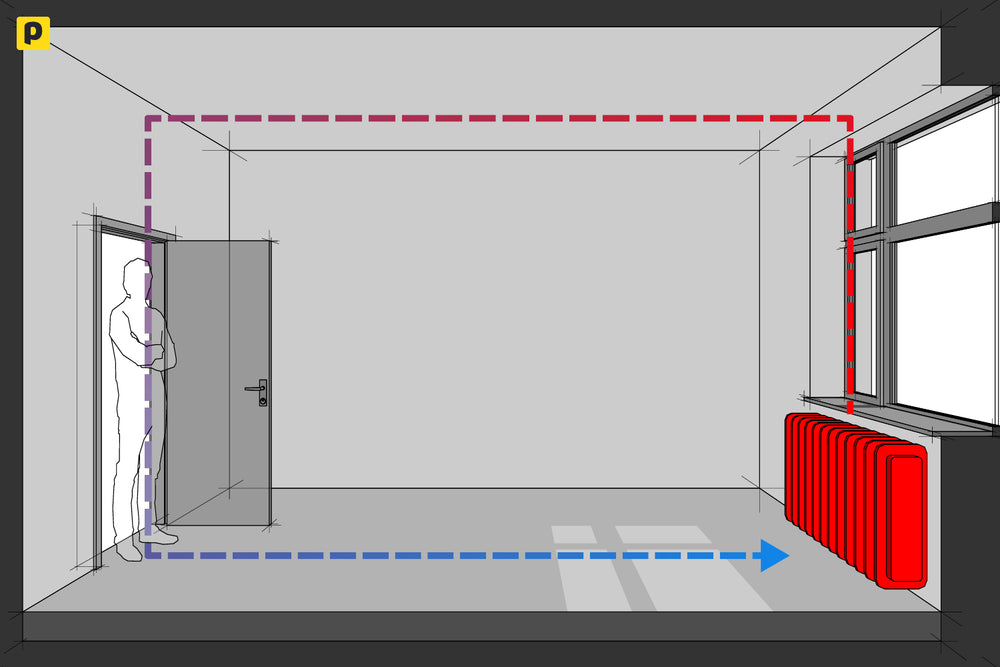
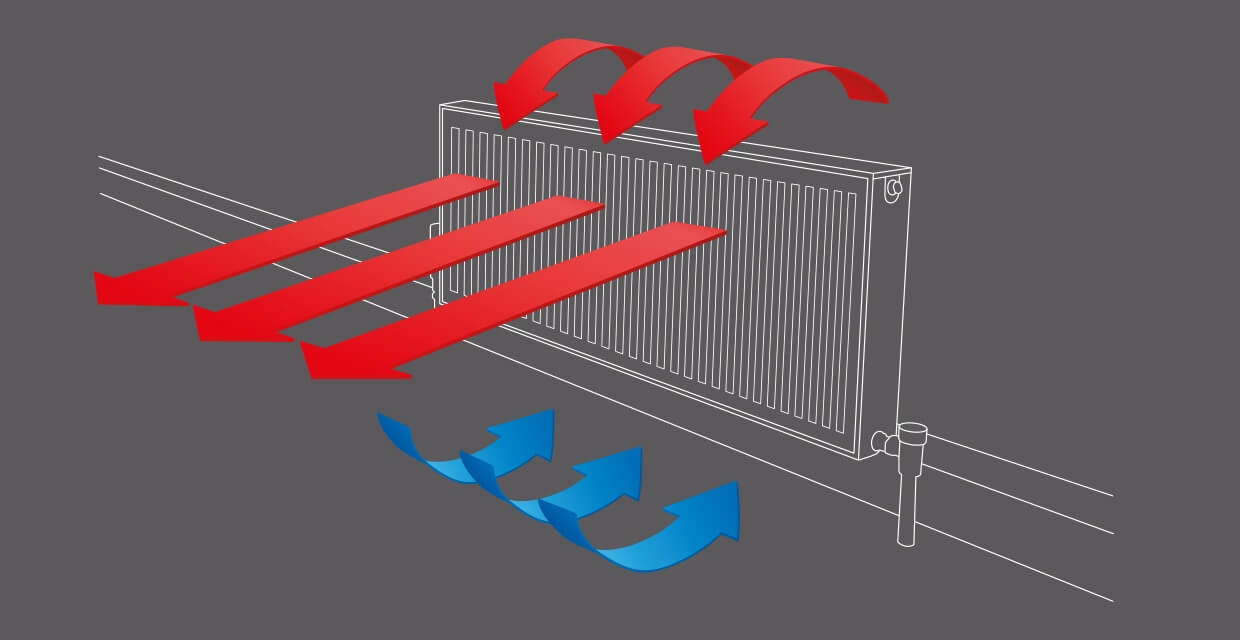
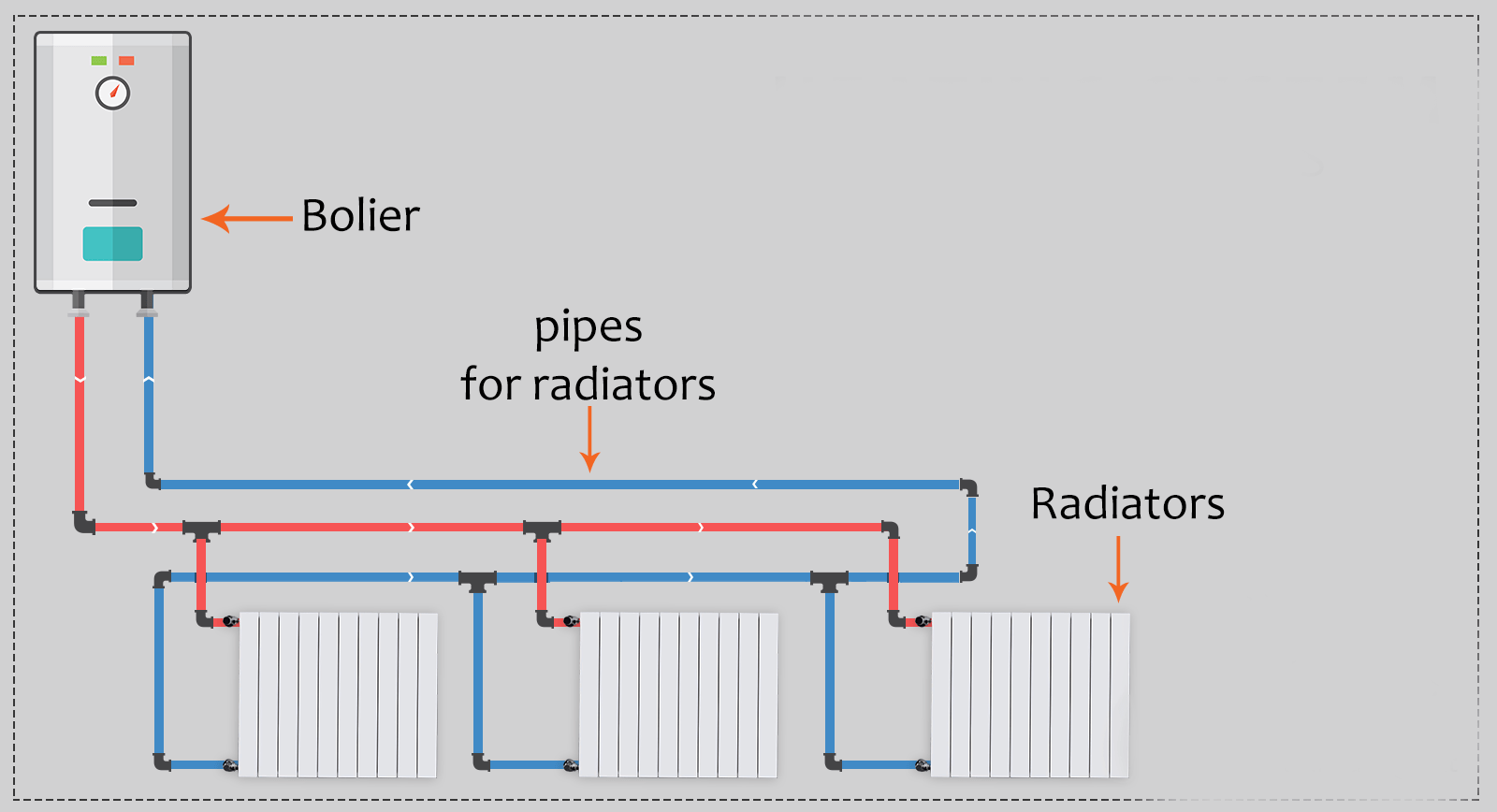
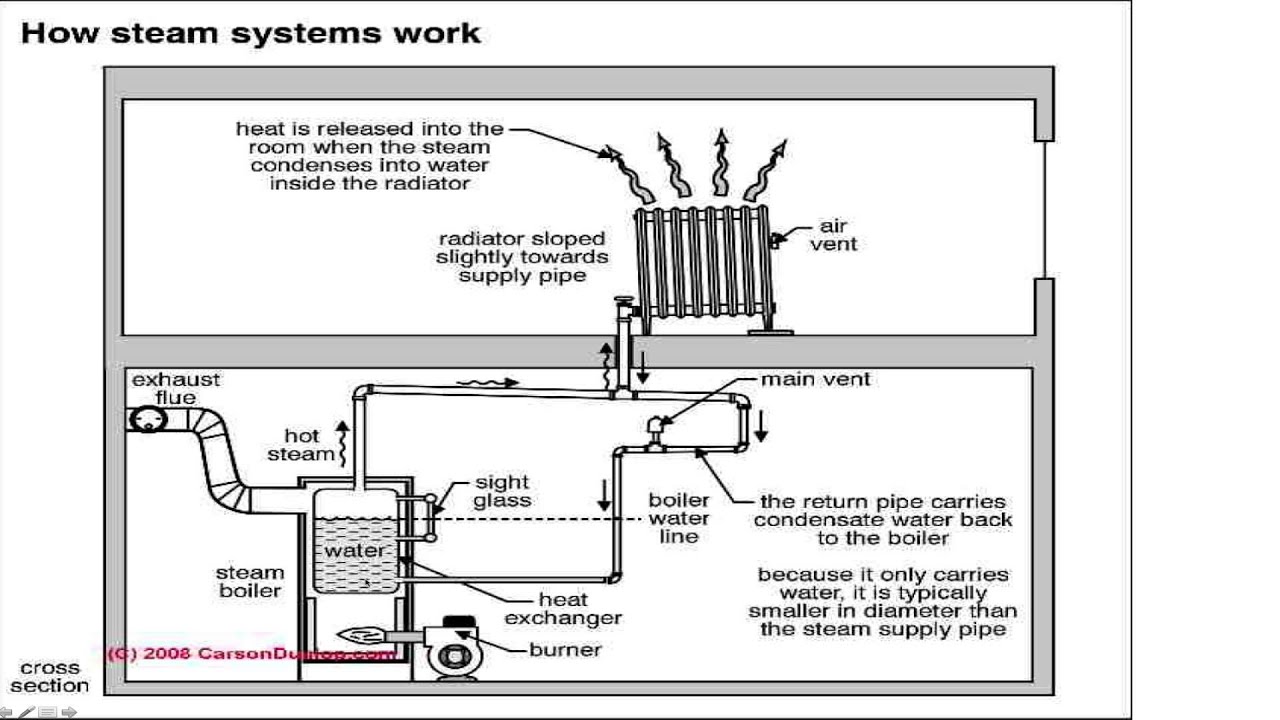
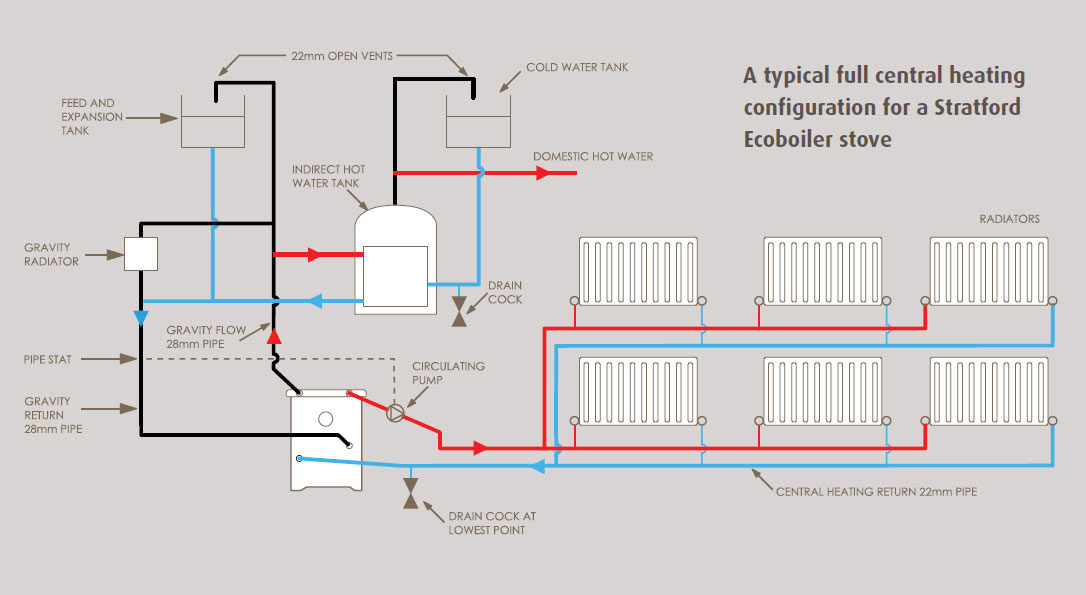
To effectively troubleshoot a radiator, it's crucial to understand its basic function. Most residential radiators are part of a hydronic heating system. This means they use hot water (or sometimes steam) to transfer heat into your rooms.
The Basic Process:
- Heat Source: A boiler (usually powered by gas or oil) heats water.
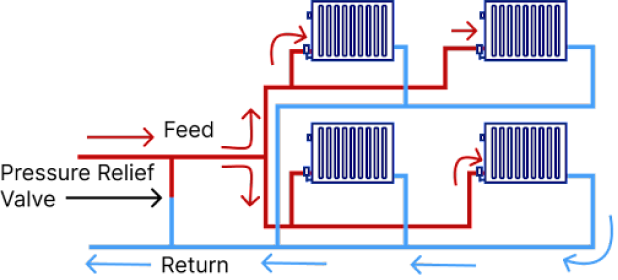
- Circulation: A pump circulates the hot water through pipes to the radiators.
- Heat Transfer: The hot water flows through the radiator's metal fins, transferring heat to the surrounding air.
- Return: The cooled water returns to the boiler to be reheated, completing the cycle.
Some homes may also have electric radiators. These are self-contained units that heat up using an internal electric element. While they share the same goal of warming a room, their operation and troubleshooting differ from hydronic radiators.
Common Radiator Problems
Before diving into troubleshooting, let's identify some common issues that can cause a radiator to malfunction:
- Radiator is completely cold: This could indicate a lack of hot water supply, a closed valve, or a system-wide issue.
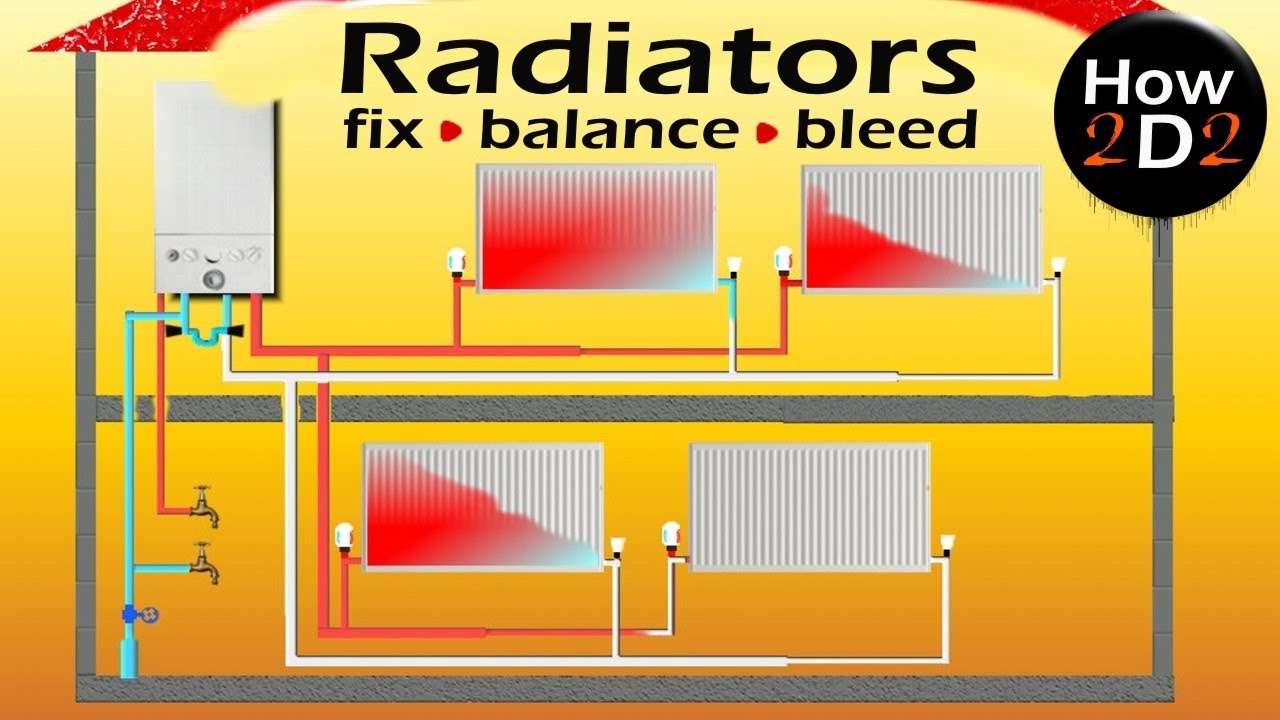
- Radiator is partially cold: Often, this suggests air trapped inside the radiator.
- Radiator is leaking: This could be a sign of corrosion, loose connections, or a faulty valve.
- Radiator is making banging or gurgling noises: Air trapped in the system or pressure issues can cause these sounds.
- Electric radiator isn't turning on: This could be a power issue, a faulty thermostat, or a broken heating element.
Troubleshooting a Cold Radiator (Hydronic System)
Let's start with the most common problem: a cold radiator. Follow these steps in order, checking each one before moving on.
Step 1: Check the Thermostat
This might seem obvious, but it's the simplest place to start. Ensure your thermostat is set to "heat" and the temperature is higher than the current room temperature. Wait a few minutes to see if the boiler kicks in. If the thermostat is battery-powered, try replacing the batteries.
Professional Help: If the thermostat is unresponsive or displays error messages, it might be faulty and require professional replacement.
Step 2: Check the Boiler
Head to your boiler and check if it's running. Look for any error codes displayed on the boiler's control panel. Consult your boiler's manual for the meaning of these codes and potential solutions. Ensure the boiler's pressure is within the recommended range (usually between 1 and 2 bar). A pressure gauge is usually located on the front of the boiler.
Professional Help: If the boiler is showing error codes you don't understand, or if the pressure is too low or too high, do not attempt to fix it yourself. Call a qualified heating engineer immediately. Boilers involve gas and complex systems, and tampering with them can be dangerous.
Step 3: Check the Radiator Valves
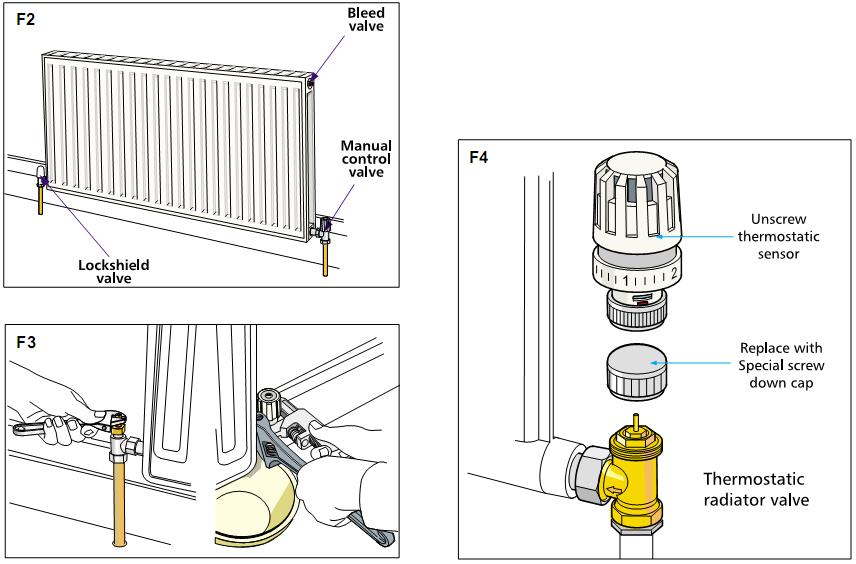
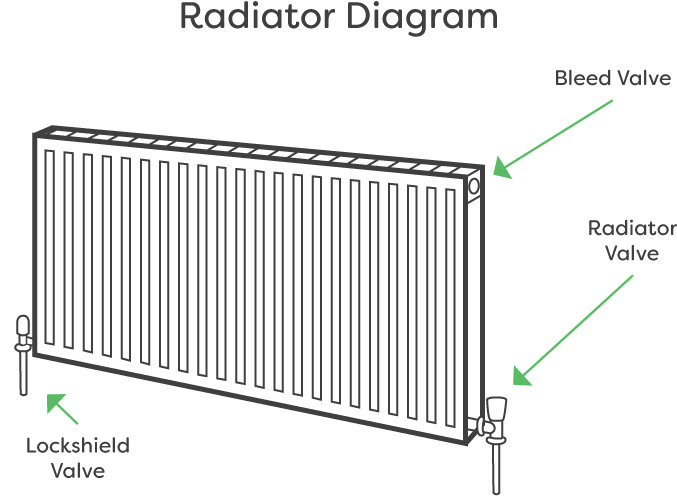
Each radiator has at least two valves: the inlet valve (usually larger) and the outlet valve (often smaller). Make sure both valves are fully open. Sometimes, these valves can get stuck. Try gently turning them back and forth to loosen them.
Inlet Valve: This valve controls the flow of hot water into the radiator.
Outlet Valve: This valve controls the flow of cooled water out of the radiator.
Additionally, some radiators may have a thermostatic radiator valve (TRV), which allows you to control the temperature of that specific radiator. Ensure the TRV is set to the desired temperature. Sometimes, TRVs can stick in the "off" position, even if the thermostat is calling for heat.
Step 4: Bleed the Radiator
If the radiator is cold at the top but warm at the bottom, it likely has trapped air. Bleeding the radiator releases this air, allowing hot water to circulate properly.
What you'll need:
- Radiator key (a small metal key specifically designed for bleeding radiators)
- Small container (to catch any water that escapes)
- Cloth or towel (to protect your floor)
How to Bleed a Radiator:
- Turn off the heating system to prevent hot water from circulating while you're bleeding.
- Locate the bleed valve on the top of the radiator, usually on one side.
- Insert the radiator key into the bleed valve.
- Hold the container under the valve to catch any water.
- Slowly turn the key counterclockwise. You should hear a hissing sound as air escapes.
- Once water starts to trickle out (instead of air), close the valve by turning the key clockwise. Do not overtighten.
- Wipe up any spills.
- Turn the heating system back on.
- Check the pressure on the boiler and top it up if necessary (consult your boiler manual).
Step 5: Check for Blockages
Sometimes, sediment or debris can build up inside the radiator, restricting water flow. While a thorough flushing requires professional expertise, you can try a simple test. With the heating system off, carefully disconnect the inlet valve (you might need a wrench). Be prepared for some water to spill. Briefly open the valve to see if water flows freely. If the flow is weak or nonexistent, there might be a blockage. Reconnect the valve tightly after checking.
Professional Help: If you suspect a blockage within the radiator or pipes, it's best to call a plumber or heating engineer. They have the tools and expertise to properly flush the system and remove any obstructions.
Troubleshooting a Cold Electric Radiator
Electric radiators have a simpler design than hydronic systems, but they can still experience problems.
Step 1: Check the Power Supply
Ensure the radiator is properly plugged into a working outlet. Test the outlet with another appliance to confirm it's providing power. Check the circuit breaker or fuse box to ensure the circuit hasn't tripped.
Step 2: Check the Settings
Most electric radiators have a thermostat or control panel. Make sure the thermostat is set to a temperature higher than the current room temperature and that the radiator is switched on. Some radiators have multiple heat settings; try increasing the heat level.
Step 3: Check the Reset Button
Some electric radiators have a reset button, often located on the back or bottom of the unit. If the radiator has overheated, the reset button may have tripped. Press the reset button and see if the radiator starts working.
Step 4: Inspect the Heating Element (Advanced)
Warning: This step involves electrical components. If you are not comfortable working with electricity, do not attempt it. Contact a qualified electrician.
Unplug the radiator and carefully remove the cover (refer to the manufacturer's instructions). Inspect the heating element for any signs of damage, such as cracks, burns, or corrosion. Use a multimeter to test the heating element for continuity. If the heating element is broken, it will need to be replaced.
Professional Help: Replacing a heating element in an electric radiator requires electrical knowledge and should be done by a qualified electrician.
Troubleshooting Leaking Radiators
A leaking radiator is a sign of a problem that needs immediate attention to prevent water damage.
Step 1: Identify the Source of the Leak
Carefully inspect the radiator and its connections to pinpoint the exact location of the leak. Common leak areas include:
- Valve connections
- Pipe joints
- Radiator body (especially around seams)
- Bleed valve
Step 2: Tighten Loose Connections
If the leak is coming from a valve connection or pipe joint, try gently tightening the connection with a wrench. Do not overtighten, as this can damage the threads and worsen the leak.
Step 3: Replace the Bleed Valve
If the bleed valve is leaking, you can try replacing it. Bleed valves are inexpensive and readily available at most hardware stores. Turn off the heating system and drain the radiator before removing the old bleed valve. Install the new bleed valve and refill the radiator.
Step 4: Temporary Patch (Short-Term Solution)
For small leaks in the radiator body, you can use a temporary patch to stop the leak until you can get it properly repaired. Epoxy putty specifically designed for plumbing repairs can be used to seal the leak. Follow the manufacturer's instructions carefully. This is a temporary fix and the radiator will likely need to be replaced.
Professional Help: If the leak is coming from the radiator body, or if tightening the connections doesn't stop the leak, it's best to call a plumber or heating engineer. They can assess the damage and recommend the best course of action, which may involve repairing or replacing the radiator.
Troubleshooting Noisy Radiators
Banging, gurgling, or whistling noises coming from your radiators can be annoying and indicate a problem within the heating system.
Step 1: Bleed the Radiators
As mentioned earlier, trapped air is a common cause of radiator noise. Bleeding the radiators can often resolve gurgling or hissing sounds.
Step 2: Check System Pressure
Low water pressure in the system can also cause noise. Check the pressure gauge on your boiler and top it up if necessary (consult your boiler manual).
Step 3: Adjust Water Flow
Sometimes, excessive water flow can cause banging noises. Adjusting the lockshield valve (usually located on the outlet side of the radiator and covered with a plastic cap) can help regulate the flow. Try slightly closing the valve to reduce the flow rate. Be careful not to close it completely.
Step 4: Insulate Pipes
If the noise is coming from the pipes themselves, insulating them can help dampen the sound. Pipe insulation sleeves are readily available at hardware stores.
Professional Help: If the noise persists after trying these steps, or if the banging is very loud and consistent, it's best to call a plumber or heating engineer. They can diagnose the underlying cause of the noise and recommend the appropriate solution.
Safety First!
When working with radiators and heating systems, always prioritize safety:
- Turn off the power or heating system before working on any electrical components or plumbing connections.
- Allow radiators to cool down before touching them, especially after the heating system has been running.
- Wear gloves to protect your hands from hot water and sharp edges.
- Never attempt to repair gas-related components yourself. Always call a qualified gas engineer.
- If you are unsure about any step in the troubleshooting process, consult a professional.
When to Call a Professional
While this guide provides helpful tips for troubleshooting common radiator problems, some issues require professional attention. Call a qualified plumber, heating engineer, or electrician if:
- You are dealing with gas-related issues (boiler problems, gas leaks).
- You suspect a major leak or structural damage to the radiator or pipes.
- You are uncomfortable working with electricity.
- You have tried the troubleshooting steps and the problem persists.
- You lack the necessary tools or expertise to safely complete the repair.
By understanding how your radiator works and following these troubleshooting steps, you can often diagnose and fix common problems yourself. Remember to prioritize safety and don't hesitate to call a professional when needed. With a little knowledge and effort, you can keep your radiators running efficiently and your home warm and comfortable.