How Does A Run Capacitor Work

Frequently Asked Questions: Understanding Run Capacitors
Run capacitors are essential components in many appliances and HVAC systems. They help motors run efficiently and smoothly. But what exactly is a run capacitor and how does it work? This FAQ will answer your most common questions in plain language.
Q1: What is a run capacitor and where is it typically found?
A run capacitor is a small, cylindrical electronic component that stores and releases electrical energy. Think of it like a tiny, rechargeable battery, but instead of powering a device directly, it assists motors in running more efficiently.
You'll typically find run capacitors in:
- Air conditioners (window units and central AC)
- Heat pumps
- Furnaces (blower motors)
- Refrigerators
- Washing machines
- Pool pumps
- Ceiling fans
- Other appliances with electric motors.
They are usually located near the motor they support, often within the appliance's control panel or electrical compartment.
Q2: What does a run capacitor actually do for a motor?
Run capacitors primarily improve the motor's efficiency, power factor, and starting torque. Here's a breakdown:
- Improves Efficiency: Motors need a "push" to get started and to maintain optimal performance. Run capacitors provide this push by storing and releasing energy, allowing the motor to use electricity more effectively. This translates to lower energy bills.
- Increases Power Factor: Power factor is a measure of how efficiently electrical power is used. A run capacitor improves the power factor by correcting the phase difference between voltage and current, meaning the motor draws less current from the power supply to perform the same amount of work. This is beneficial for the electrical grid and reduces stress on the wiring.
- Provides Starting Torque: Some motors, especially those used in air conditioners and heat pumps, require a large amount of torque to get started. The run capacitor helps provide this initial boost, ensuring the motor starts quickly and reliably. It essentially gives the motor a "running start."
- Reduces Motor Noise and Vibration: By providing a smoother flow of power to the motor, run capacitors can also reduce noise and vibration during operation, extending the motor's lifespan.
In essence, a run capacitor ensures the motor runs smoother, uses less energy, and lasts longer.
Q3: How does a run capacitor work on a technical level? (Simplified Explanation)
Okay, let's break down the working principle without getting too bogged down in technical jargon.
A run capacitor consists of two conductive plates separated by an insulator (usually a thin film of plastic or paper). When voltage is applied, electrical charge accumulates on the plates. This stored charge creates an electrical field.
The magic happens with AC (Alternating Current). AC power constantly changes direction. This means the voltage applied to the capacitor also changes direction continuously.
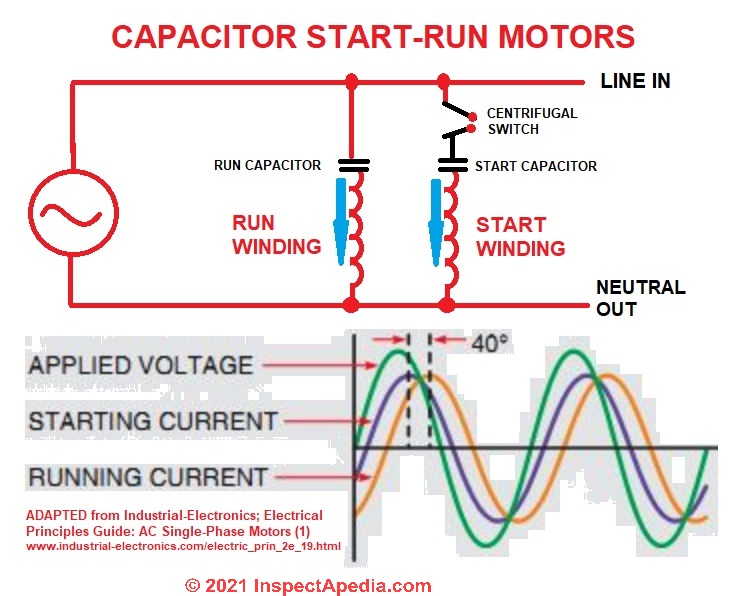
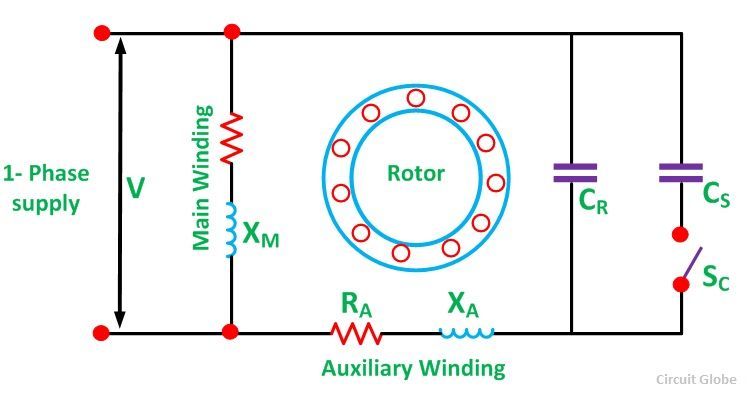
Because of this constantly changing voltage, the capacitor is always charging and discharging. This charging and discharging creates a phase shift between the voltage and current in the motor's auxiliary winding (a secondary set of coils in the motor). This phase shift is crucial for creating a rotating magnetic field, which is what makes the motor spin.
In simpler terms:
- The capacitor stores energy during one part of the AC cycle.
- It releases energy during another part of the cycle.
- This creates a phase difference that helps the motor start and run efficiently.
Without this phase shift, the motor would either struggle to start or run very inefficiently (or not at all!). Think of it like pushing a swing – you need to push at the right moment to keep it going smoothly. The run capacitor provides that "push" at the right time for the motor.
Q4: What are the signs that a run capacitor is failing or has failed?
A failing run capacitor can cause several noticeable problems. Catching these signs early can prevent further damage to the motor and appliance.
Common symptoms of a bad run capacitor include:
- Motor is slow to start or won't start at all: This is a primary indicator of a capacitor problem. The motor may hum or make a clicking sound but fail to turn.
- Motor runs weakly or intermittently: The motor may start but struggle to maintain its speed or power. It might also stop and start sporadically.
- Increased motor noise or vibration: A bad capacitor can cause the motor to run roughly, leading to increased noise and vibration.
- Overheating motor: A struggling motor draws more current, leading to overheating.
- Higher energy bills: An inefficient motor consumes more electricity.
- Bulging or leaking capacitor: A physically damaged capacitor is a clear sign of failure. Look for a bulging top or bottom, or signs of leaking oil. Never touch a leaking capacitor, as it may contain harmful substances.
- Tripped circuit breaker: A shorted capacitor can cause a circuit breaker to trip.
If you notice any of these symptoms, it's essential to have the appliance inspected by a qualified technician. Do not attempt to repair or replace a capacitor yourself unless you are a trained and qualified electrician.
Q5: Can I replace a run capacitor myself? What are the safety precautions?
Replacing a run capacitor is generally NOT recommended for homeowners or untrained individuals. Working with electricity can be dangerous, and improper handling of capacitors can lead to serious injury or even death.
Capacitors store electrical energy, even after the appliance is turned off. This stored energy can deliver a dangerous electric shock.
If you are a qualified and experienced electrician and choose to replace a run capacitor yourself, you MUST follow these safety precautions:
- Disconnect Power: Turn off the power to the appliance at the circuit breaker. Verify the power is off using a voltage tester.
- Discharge the Capacitor: This is crucial! Use an insulated screwdriver with a well-insulated handle to short the capacitor terminals. Exercise extreme caution and wear safety glasses. The screwdriver may spark violently. Ensure the screwdriver is rated for the voltage you are working with.
- Take Photos: Before disconnecting any wires, take detailed photos of the wiring connections. This will help you reconnect the new capacitor correctly.
- Label Wires: Label each wire with a piece of tape indicating its original terminal.
- Wear Safety Gear: Wear safety glasses and insulated gloves.
- Use the Correct Replacement: Ensure the new capacitor has the same capacitance (measured in microfarads, µF) and voltage rating as the original. Using the wrong capacitor can damage the motor or create a fire hazard.
- Connect Wires Correctly: Follow your photos and labels to connect the wires to the new capacitor exactly as they were connected to the old one.
- Double-Check Connections: Make sure all connections are secure and tight.
- Test the Appliance: After replacing the capacitor, turn the power back on and test the appliance.
Again, it is strongly advised to hire a qualified electrician to replace a run capacitor. Your safety is paramount.
Q6: What is the difference between a "run" capacitor and a "start" capacitor?
While both run and start capacitors assist motors, they serve different purposes and have different designs.
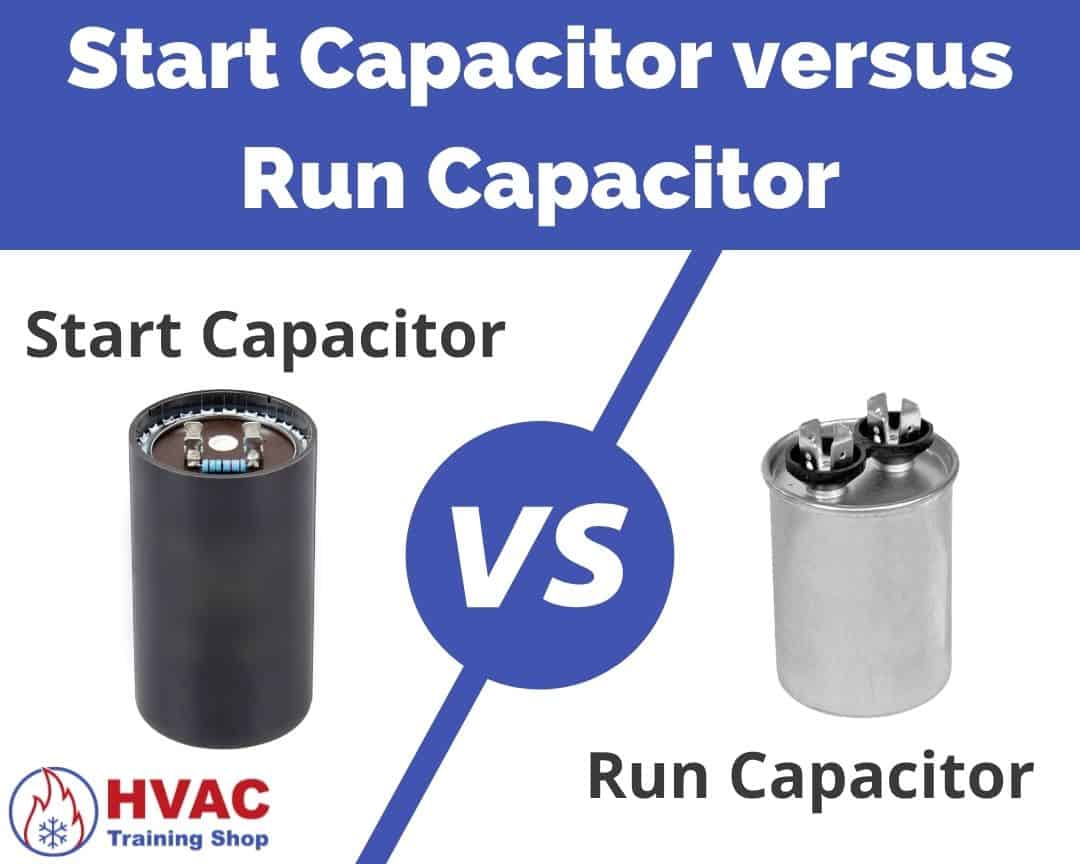
- Run Capacitor: Designed for continuous operation. It remains in the circuit while the motor is running, improving efficiency and power factor. They are typically oil-filled or film capacitors.
- Start Capacitor: Designed to provide a brief burst of power to help the motor start. It is only in the circuit for a short period (usually a few seconds) and is then switched out by a centrifugal switch or a relay. Start capacitors are typically electrolytic capacitors.
Think of it this way: the start capacitor gives the motor a powerful initial kick, while the run capacitor ensures the motor runs smoothly and efficiently over the long term.
Start capacitors have a much higher capacitance value than run capacitors. They are also not designed for continuous use and will overheat and fail if left in the circuit for too long.
Most appliances only use either a run capacitor or a start capacitor. However, some appliances with high starting torque requirements, such as air conditioners, may use both a run and a start capacitor.
Q7: How much does it typically cost to have a run capacitor replaced by a professional?
The cost of replacing a run capacitor can vary depending on several factors, including:
- The type of appliance: Replacing a capacitor in a window air conditioner will likely be cheaper than replacing one in a central AC unit.
- The location of the capacitor: If the capacitor is easily accessible, the labor cost will be lower.
- The cost of the capacitor itself: Capacitor prices can vary depending on their capacitance, voltage rating, and brand.
- The electrician's hourly rate: Electricians in different areas charge different rates.
- Any additional problems: If the technician discovers other issues with the motor or appliance, the cost will be higher.
As a general estimate, you can expect to pay anywhere from $100 to $300 to have a run capacitor replaced by a professional. This price typically includes the cost of the capacitor and the labor. It's always a good idea to get quotes from multiple electricians before hiring someone.
While attempting a DIY replacement might seem tempting to save money, remember the safety risks involved. Hiring a qualified electrician ensures the job is done correctly and safely, protecting you and your appliance from further damage. The cost of a professional repair is often less than the potential cost of a mistake.