How Does A Shunt Trip Breaker Work
Understanding the electrical components of your HVAC system can be daunting, but knowing the basics can save you time and money. One such component is the shunt trip breaker, a safety device that plays a crucial role in protecting your equipment and home. Let's explore how it works, how to identify potential issues, and when to call a professional.
What is a Shunt Trip Breaker?
A standard circuit breaker protects your electrical system from overloads and short circuits by automatically tripping (disconnecting the power) when the current exceeds a safe level. A shunt trip breaker does this, but with an added feature: it can be tripped remotely by an external signal. This signal comes from a separate control circuit, allowing for more sophisticated safety controls. Think of it as a regular breaker with a remote kill switch.
How Does It Differ From a Standard Circuit Breaker?
While both types of breakers protect against overcurrents and short circuits, the shunt trip breaker has that extra remote control capability. Standard breakers rely solely on the current flowing through them to trigger a trip. Shunt trip breakers can be tripped by an external signal voltage (usually 120VAC or 24VAC, depending on the model). This is vital in HVAC systems for reasons we'll discuss.
How a Shunt Trip Breaker Works
The operation of a shunt trip breaker involves both its overcurrent protection and its remote tripping mechanism. Here's a breakdown:
- Overcurrent Protection: Like a standard breaker, it monitors the current flowing through the circuit. If the current exceeds the breaker's rated amperage, a thermal or magnetic mechanism inside the breaker trips the switch, disconnecting the power.
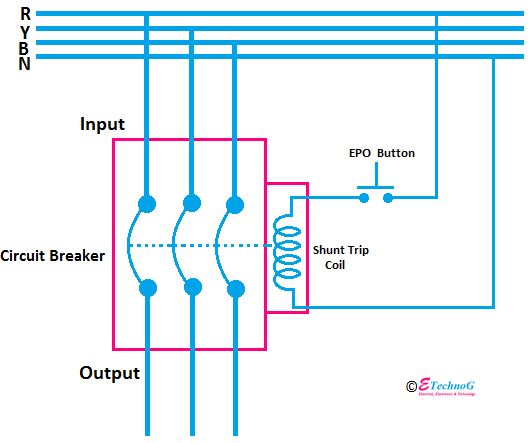
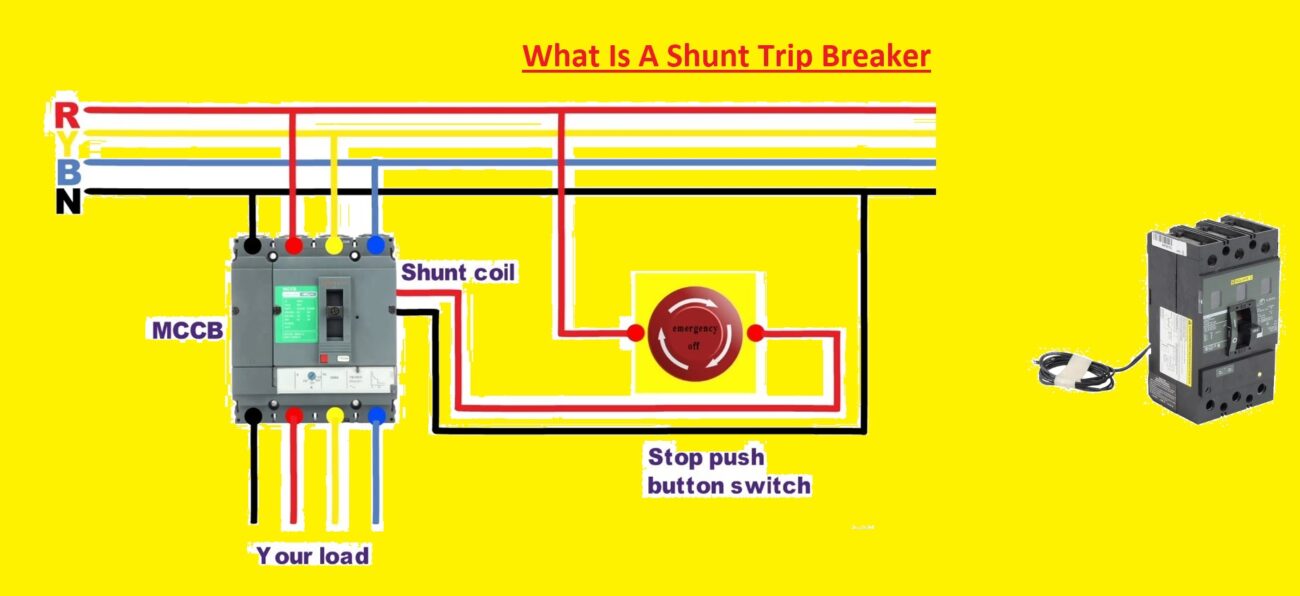
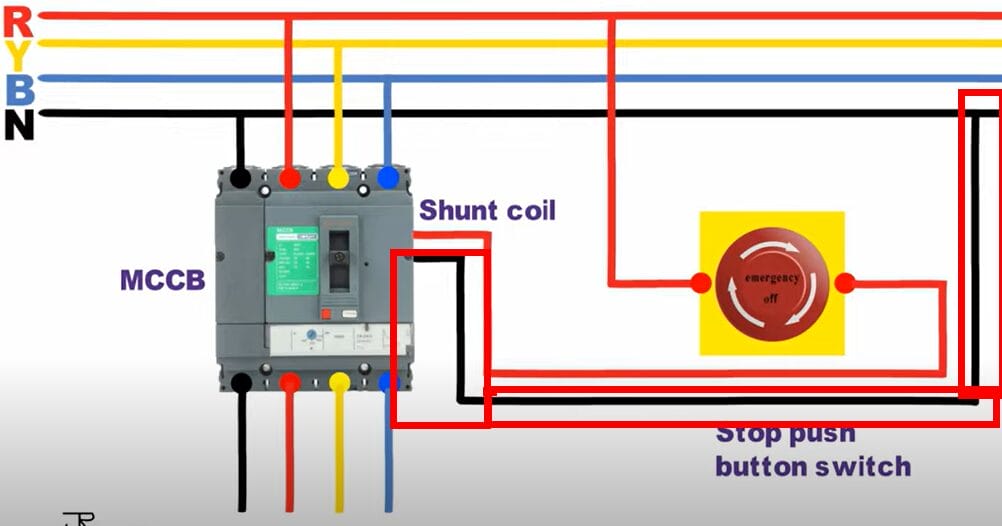
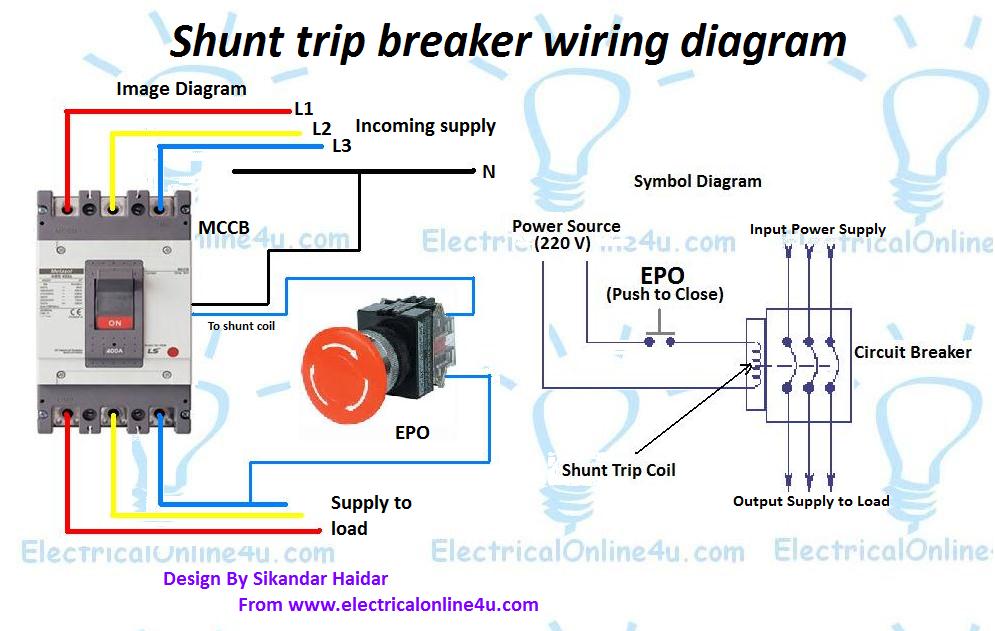
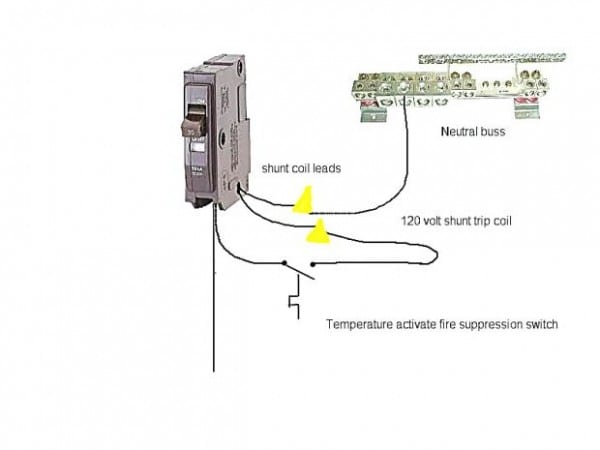
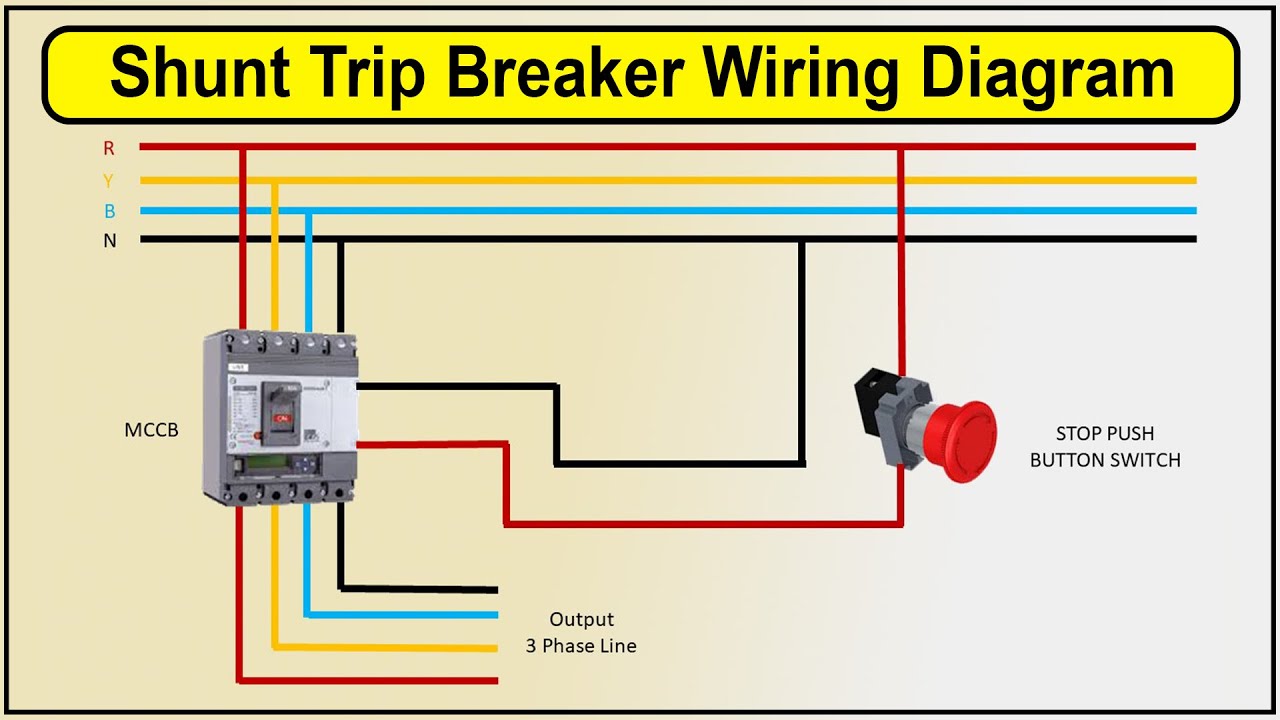
- Remote Tripping Mechanism: The "shunt trip" part of the breaker is an electromagnetic coil. When a voltage is applied to this coil from an external control circuit, it energizes, creating a magnetic field. This field mechanically forces the breaker to trip, regardless of the current flowing through the main circuit.
In an HVAC system, the external signal that trips the shunt trip breaker often comes from a safety device like a smoke detector, a gas leak detector, or a high-temperature sensor in the furnace. If any of these devices detect a dangerous condition, they send a signal to the shunt trip breaker, immediately shutting down the HVAC system to prevent further hazards.
Common Applications in HVAC Systems
Shunt trip breakers are commonly found in:
- Furnaces: To shut down the furnace in case of overheating or gas leaks.
- Air Conditioners: To protect the compressor in case of power surges or other electrical faults detected by system sensors.
- Commercial HVAC Systems: Where integrated fire alarm systems are used to shut down the HVAC system to prevent the spread of smoke and fire.
Troubleshooting Shunt Trip Breakers
If your HVAC system is not working and you suspect the shunt trip breaker, here's how to troubleshoot it:
- Safety First! Turn off the main power to the HVAC system at the main electrical panel before working on any electrical components.
- Visually Inspect the Breaker: Look for any signs of damage, such as burning, melting, or discoloration. If you see any damage, replace the breaker immediately.
- Check the Breaker Position: Is the breaker tripped (in the middle position)? If so, try to reset it. Flip it fully off, then fully on. If it trips again immediately, there's a problem.
- Check the Wiring: Ensure all wires connected to the breaker are securely fastened. Loose connections can cause arcing and tripping.
- Test the External Control Circuit: This is where it gets a bit more advanced. You'll need a multimeter.
- Identify the wires that connect the external safety devices (e.g., smoke detector) to the shunt trip breaker.
- Disconnect one of these wires from the shunt trip breaker (with the power OFF).
- Reset the shunt trip breaker. If it stays on, the problem is likely in the external control circuit or the safety device itself.
- Use a multimeter to check for voltage on the disconnected wire when the safety device is triggered (e.g., test the smoke detector). If there's voltage, the safety device is working; the issue is likely the shunt trip breaker. If there's no voltage, the safety device is faulty.
- Test the Shunt Trip Breaker (Advanced): WARNING: This should only be done by a qualified electrician or HVAC technician. Applying the correct voltage to the shunt trip coil should cause the breaker to trip. If it doesn't, the breaker is faulty and needs to be replaced.
Common Issues and Solutions
- Breaker Trips Immediately After Resetting: This usually indicates a short circuit or overcurrent condition. Check for loose wires, damaged components, or overloaded circuits. Call a professional electrician if you cannot find the cause.
- Breaker Trips Intermittently: This can be caused by a faulty breaker, loose wiring, or intermittent problems in the external control circuit. Thoroughly inspect all connections and components.
- Safety Device Fails to Trip the Breaker: This indicates a problem with the safety device, the wiring between the safety device and the breaker, or the shunt trip mechanism itself. Test each component individually.
Tools You'll Need
- Screwdrivers (assorted sizes)
- Pliers
- Wire strippers
- Multimeter
- Voltage tester
- Safety glasses
- Work gloves
Parts That Might Need Replacing
- Shunt trip breaker
- Wiring connectors
- Safety devices (smoke detectors, gas leak detectors)
When to Call a Professional
While some troubleshooting steps are within the reach of a DIY enthusiast, certain situations require a qualified professional. Call an electrician or HVAC technician if:
- You are uncomfortable working with electricity.
- You cannot identify the cause of the problem.
- You suspect a major electrical fault.
- The shunt trip breaker is located in a hard-to-reach or dangerous location.
- You are dealing with a commercial HVAC system.
Cost Estimates
The cost to repair or replace a shunt trip breaker can vary depending on the complexity of the job and the cost of parts. Here are some rough estimates:
- Shunt Trip Breaker Replacement: $100 - $300 (including the cost of the breaker and labor). Breakers themselves can range from $50 - $150 depending on amperage and brand.
- Troubleshooting Electrical Faults: $75 - $150 per hour for an electrician.
- Safety Device Replacement (e.g., Smoke Detector): $50 - $100 (including the cost of the device and installation).
These are just estimates, so it's always a good idea to get multiple quotes from qualified professionals before proceeding with any repairs.
Preventive Maintenance
To minimize problems with your shunt trip breaker and HVAC system, consider the following preventive maintenance steps:
- Regularly Inspect Wiring: Check for loose or damaged wires and connections.
- Test Safety Devices: Ensure smoke detectors and other safety devices are functioning correctly. Replace batteries as needed.
- Schedule Professional HVAC Maintenance: A qualified technician can identify potential problems before they become major issues.
Conclusion
The shunt trip breaker is a critical safety component in many HVAC systems. By understanding how it works, you can better troubleshoot potential problems and ensure the safety of your home and family. Remember to prioritize safety and call a professional when necessary. By taking proactive steps and understanding the components involved, you can ensure your HVAC system operates safely and efficiently for years to come.