How Does A Split Ac Work
Understanding your air conditioning system is the first step towards maximizing its efficiency and minimizing your energy bills. Among the most popular and versatile systems available today is the split AC. Let's dive into how these systems work and how you can optimize them for energy savings.
The Basics: What is a Split AC?
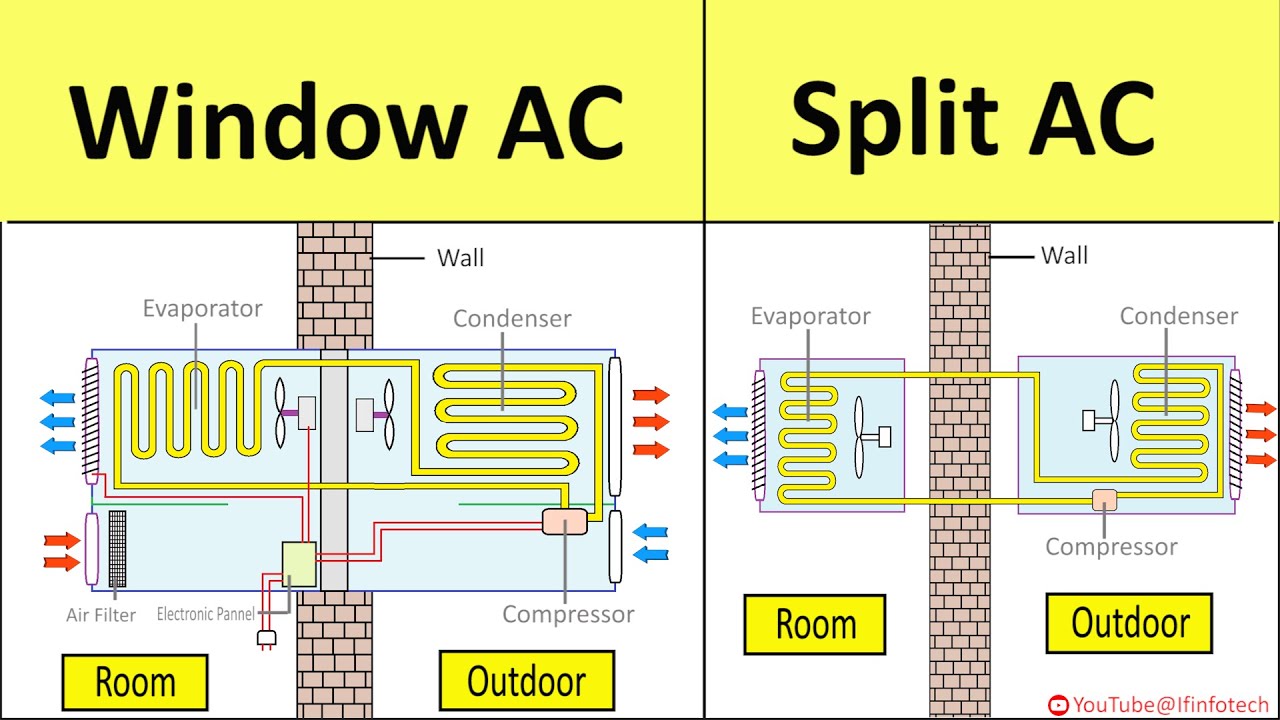
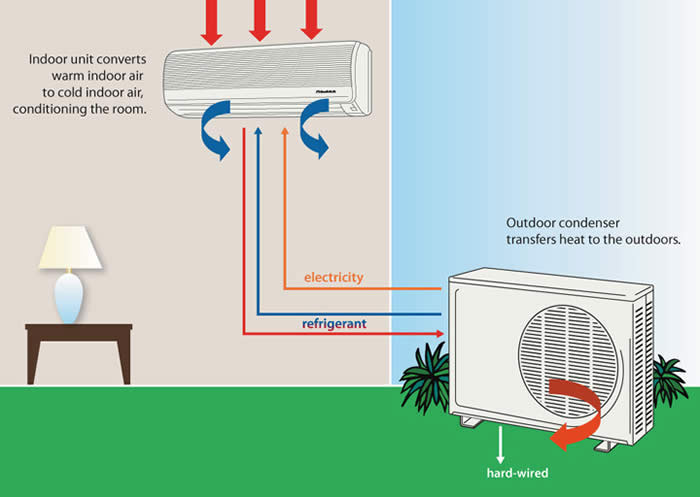
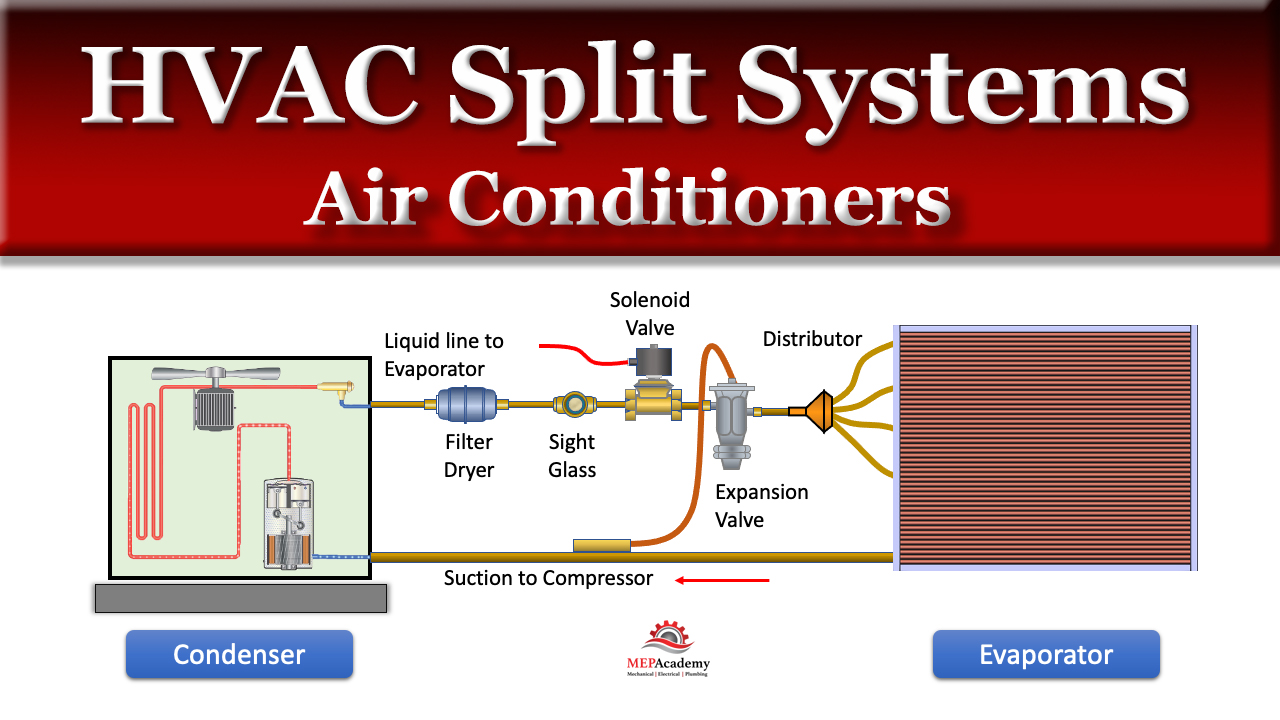
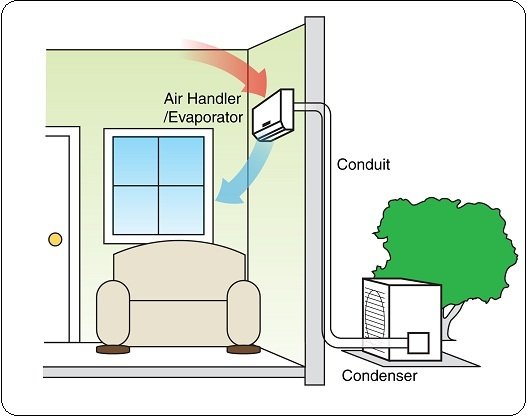
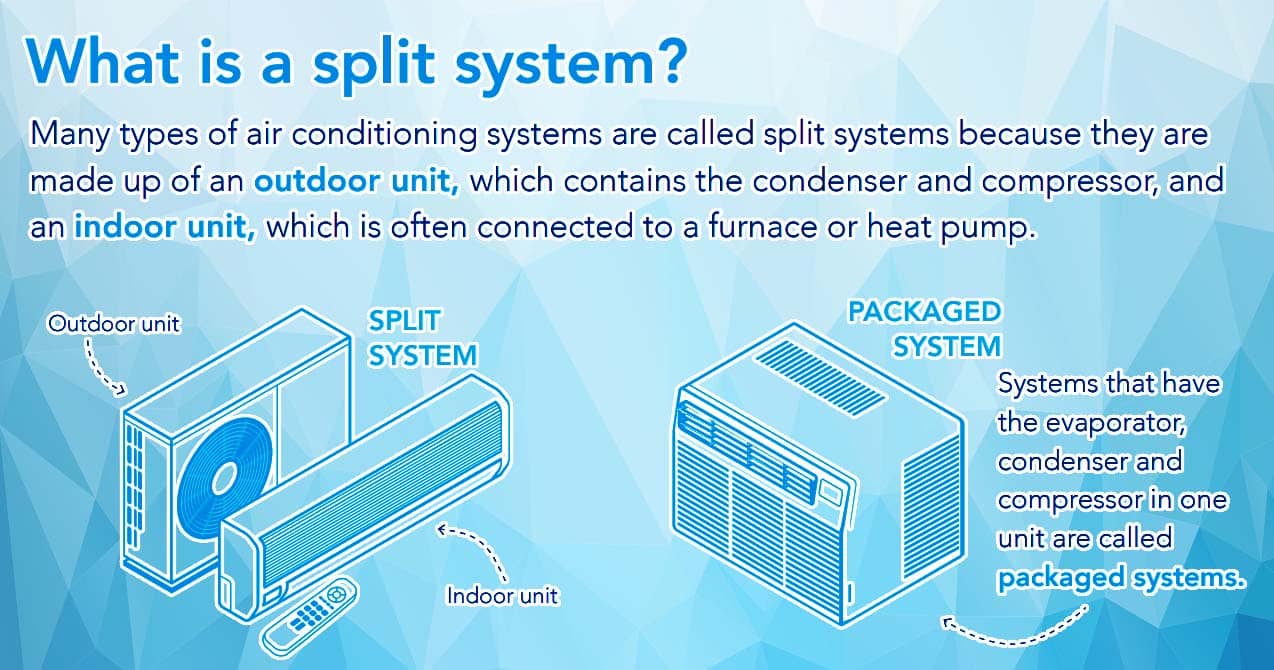
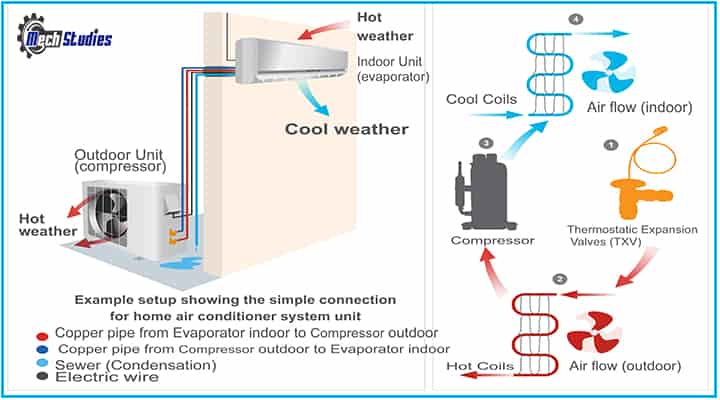
Unlike window units that combine all components into one box, a split AC system consists of two main units: an outdoor unit (condenser) and an indoor unit (air handler). These units are connected by refrigerant lines and electrical wiring.
Outdoor Unit: The Condenser
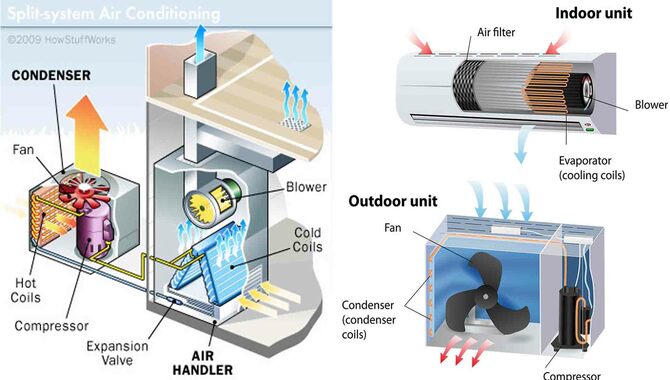
The outdoor unit, typically placed outside your home or building, contains the compressor, condenser coil, and a fan. Its primary function is to release the heat extracted from inside your building.
Indoor Unit: The Air Handler
The indoor unit, mounted on a wall, ceiling, or floor, contains the evaporator coil, air filter, and a blower fan. This is where the cooling actually takes place, distributing cool air throughout the room or zone. It also contains a condensate drain to remove moisture collected from the air.
The Refrigeration Cycle: How It Works
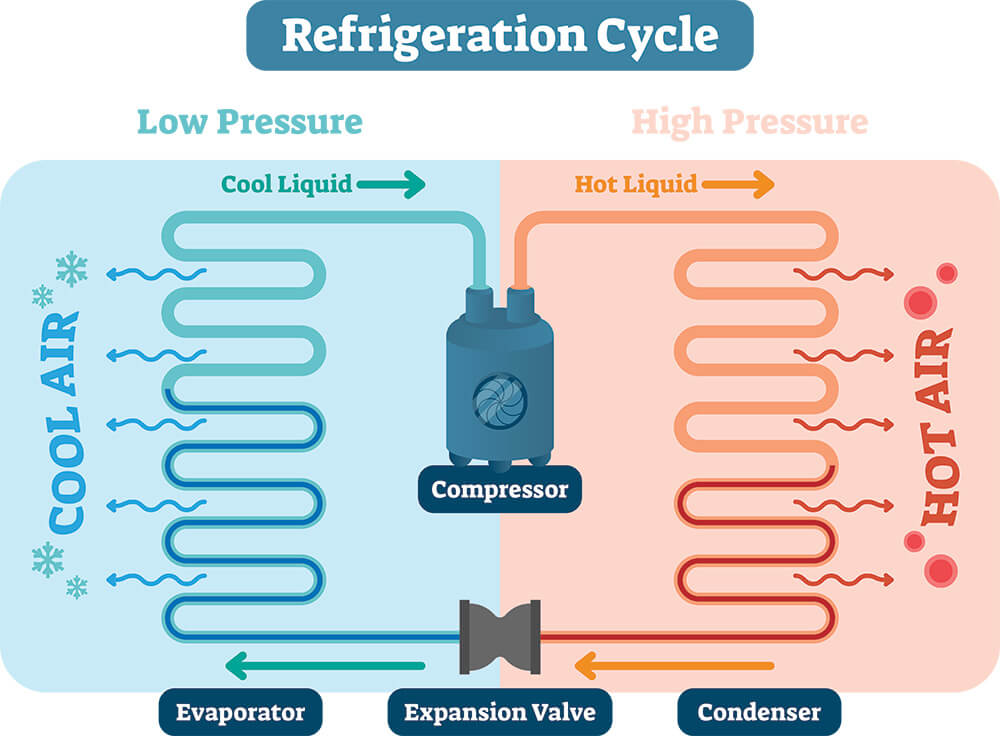
The heart of a split AC's operation is the refrigeration cycle, a process that transfers heat from one location to another. Here's a step-by-step breakdown:
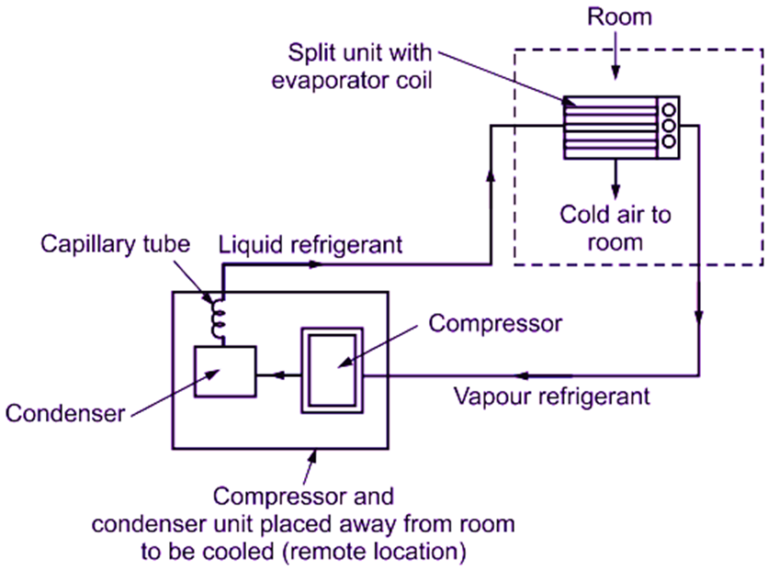
- Refrigerant Compression: The compressor, located in the outdoor unit, increases the pressure and temperature of the refrigerant, turning it into a hot, high-pressure gas.
- Heat Rejection (Condensation): This hot gas flows to the condenser coil, also in the outdoor unit. The condenser fan blows air across the coil, cooling the refrigerant and causing it to condense into a high-pressure, warm liquid. This process releases the heat extracted from inside your building into the outside environment.
- Pressure Reduction (Expansion): The high-pressure, warm liquid refrigerant then flows through an expansion valve or capillary tube. This reduces the pressure of the refrigerant, causing it to become a cold, low-pressure liquid.
- Heat Absorption (Evaporation): The cold, low-pressure refrigerant enters the evaporator coil in the indoor unit. As the blower fan blows warm air from the room across the evaporator coil, the refrigerant absorbs heat, causing it to evaporate into a cold, low-pressure gas. This process cools the air, which is then circulated back into the room. The refrigerant simultaneously removes moisture from the air, which is drained away as condensate.
- Cycle Repeat: The cold, low-pressure gas returns to the compressor, and the cycle begins again.
Energy Efficiency: SEER and EER Ratings
When selecting a split AC system, understanding SEER (Seasonal Energy Efficiency Ratio) and EER (Energy Efficiency Ratio) is crucial for estimating energy consumption and potential savings. Energy Star provides guidelines and certifications for energy-efficient appliances, including split ACs. Look for the Energy Star label when shopping.
- SEER: This rating measures the cooling efficiency of an AC system over an entire cooling season. A higher SEER rating indicates greater energy efficiency. Current Energy Star requirements typically mandate a minimum SEER of 15 for split AC systems.
- EER: This rating measures the cooling efficiency of an AC system at a specific operating condition (e.g., 95°F outdoor temperature). It provides a snapshot of efficiency under peak load conditions.
Choosing a system with a high SEER rating can significantly reduce your energy bills over time. While the upfront cost may be higher, the long-term savings make it a worthwhile investment. For example, upgrading from a SEER 10 system to a SEER 16 system can potentially reduce your cooling costs by up to 40%.
Smart HVAC Integration: Enhancing Efficiency
Integrating your split AC with smart home technology can further boost energy efficiency and convenience. Smart thermostats, sensors, and zoning systems offer greater control and automation.
- Smart Thermostats: These thermostats learn your preferences and automatically adjust the temperature based on your schedule, occupancy, and even weather forecasts. Many models can be controlled remotely via a smartphone app, allowing you to adjust settings even when you're away. Some also integrate with other smart home devices.
- Smart Sensors: Sensors can detect occupancy in specific rooms and adjust the cooling accordingly. This prevents unnecessary cooling of unoccupied areas.
- Zoning Systems: These systems allow you to control the temperature in different zones or rooms independently. This is particularly useful for homes with varying cooling needs in different areas.
By using smart HVAC technology, you can optimize energy consumption and create a more comfortable living environment. Data shows that smart thermostats can save homeowners an average of 10-12% on heating and 15% on cooling costs.
Maintenance Tips for Optimal Performance
Regular maintenance is essential for ensuring your split AC system operates efficiently and lasts longer. Here are some key maintenance tips:
- Air Filter Replacement: Regularly replace or clean the air filter (typically every 1-3 months). A dirty air filter restricts airflow, forcing the system to work harder and reducing its efficiency.
- Coil Cleaning: Periodically clean the condenser and evaporator coils. Dust and debris can accumulate on the coils, hindering heat transfer. You can use a fin comb and a gentle cleaning solution.
- Refrigerant Check: Have a qualified HVAC technician check the refrigerant level annually. Low refrigerant can significantly reduce cooling performance.
- Drain Line Cleaning: Clear the condensate drain line to prevent clogs and water damage. You can use a wet/dry vacuum to remove any debris.
- Professional Servicing: Schedule annual professional servicing to ensure all components are functioning correctly and to identify any potential issues.
Rebates and Incentives
Many utility companies and government agencies offer rebates and incentives for installing energy-efficient HVAC systems. Check with your local utility company and the Energy Star website for available programs. These rebates can significantly offset the upfront cost of a new, high-efficiency split AC system. For example, some states offer rebates of several hundred dollars for installing Energy Star certified models. The Inflation Reduction Act has also expanded tax credits for energy-efficient home improvements, including HVAC systems.
Troubleshooting Common Problems
Even with regular maintenance, you may encounter occasional problems with your split AC system. Here are some common issues and potential solutions:
- AC Not Cooling: Check the thermostat settings, air filter, and refrigerant level. If the problem persists, consult a qualified HVAC technician.
- Noisy Operation: Inspect the fan blades for damage or debris. Check for loose components and lubricate moving parts if necessary.
- Water Leaking: Inspect the condensate drain line for clogs. Ensure the unit is properly leveled.
- System Cycling On and Off Frequently: This could indicate a problem with the compressor, thermostat, or refrigerant level. Contact a qualified HVAC technician for diagnosis and repair.
Choosing the Right System for Your Needs
Selecting the right split AC system depends on several factors, including the size of the area to be cooled, your climate, and your budget. Consider the following:
- BTU (British Thermal Units): This measures the cooling capacity of the system. A larger room requires a higher BTU rating. Consult a sizing chart or an HVAC professional to determine the appropriate BTU rating for your needs.
- SEER Rating: Choose a system with a high SEER rating to maximize energy savings.
- Features: Consider features such as programmable timers, sleep modes, and smart home integration.
- Warranty: Look for a system with a comprehensive warranty to protect your investment.
Conclusion
Split AC systems offer a versatile and efficient cooling solution for homes and businesses. By understanding how these systems work, choosing energy-efficient models, and implementing smart home integration, you can significantly reduce your energy bills and create a more comfortable indoor environment. Remember to prioritize regular maintenance and take advantage of available rebates and incentives to maximize your investment in a sustainable HVAC system.