How Does A Split System Air Conditioner Work
Frequently Asked Questions: How Does a Split System Air Conditioner Work?
Split system air conditioners are a popular choice for cooling individual rooms or zones in a home or office. They are efficient, relatively quiet, and offer precise temperature control. But how exactly do they work? This FAQ will answer your most common questions about split system air conditioner operation.
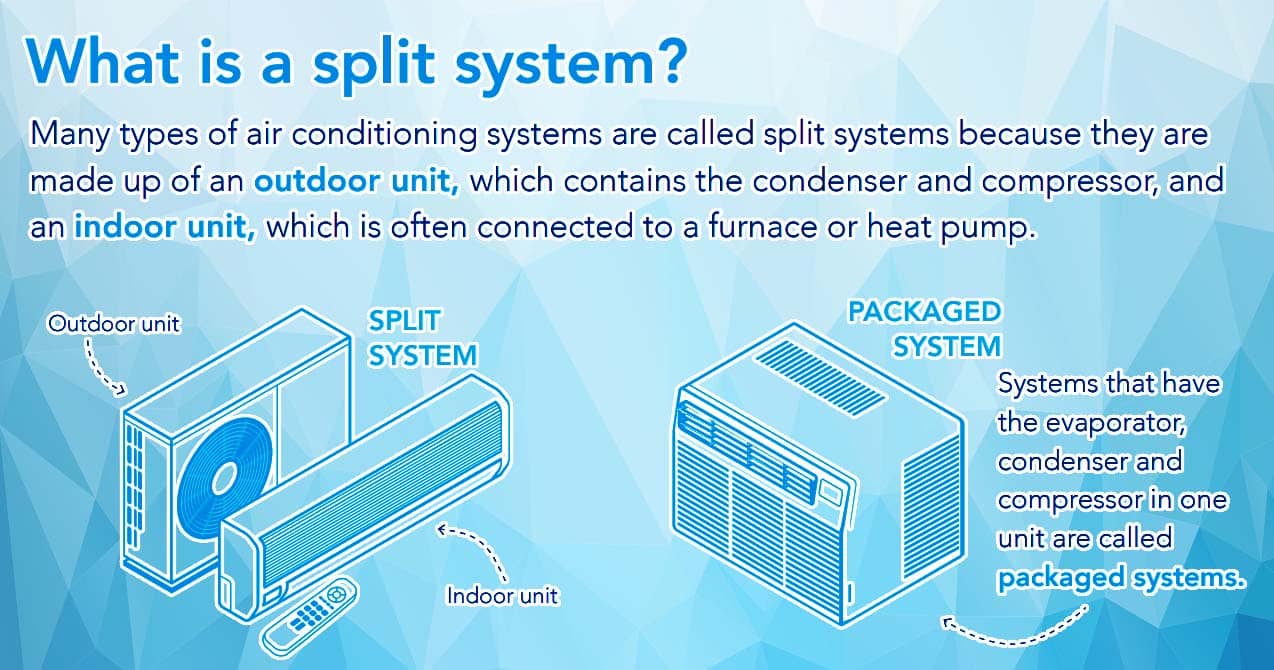
What exactly is a "split system" air conditioner?
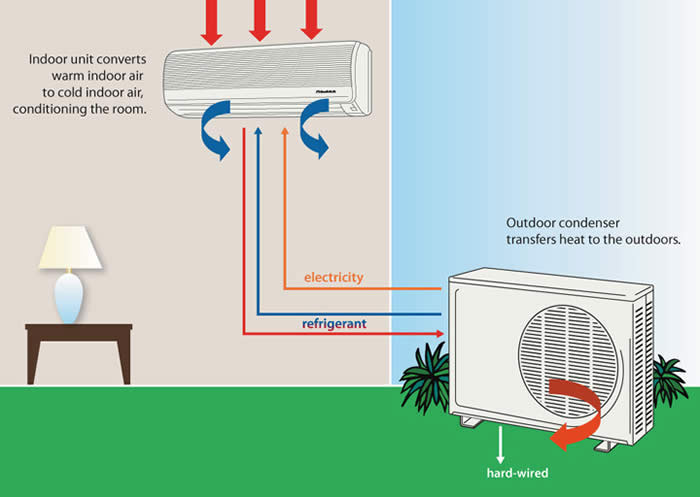
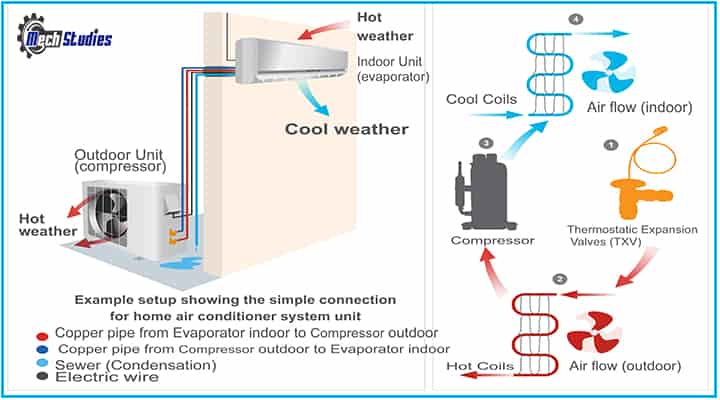
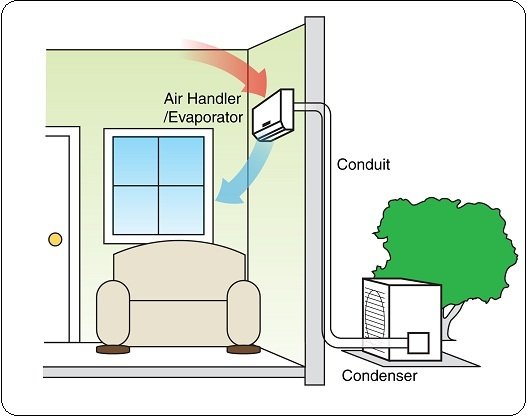
A split system air conditioner, as the name suggests, is divided into two main units: an indoor unit and an outdoor unit. The indoor unit, typically mounted on a wall or ceiling, blows cool air into the room. The outdoor unit, usually located outside the building, houses the compressor, condenser coil, and fan, which are responsible for releasing heat from the refrigerant.
How does a split system actually cool the air?
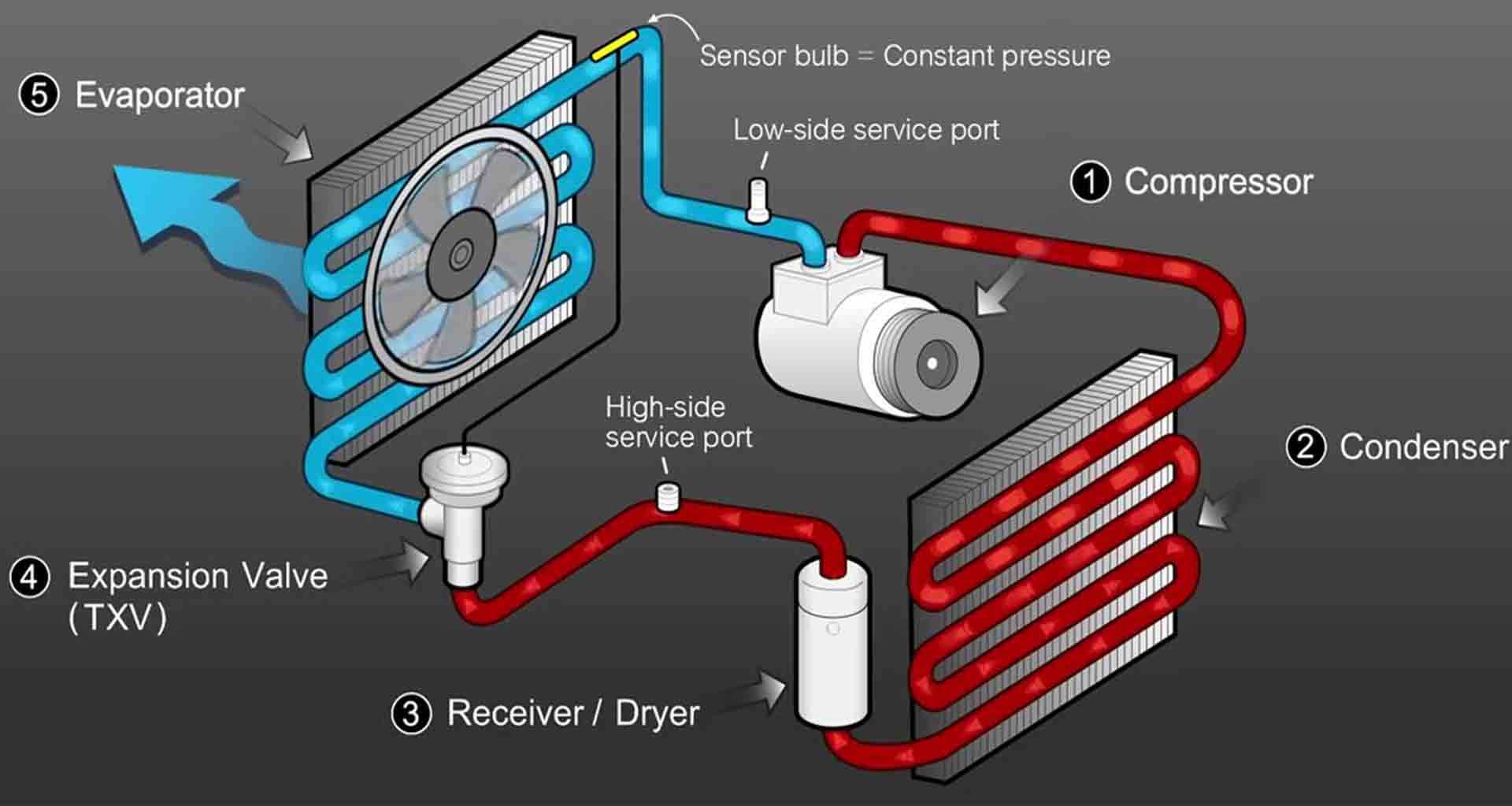
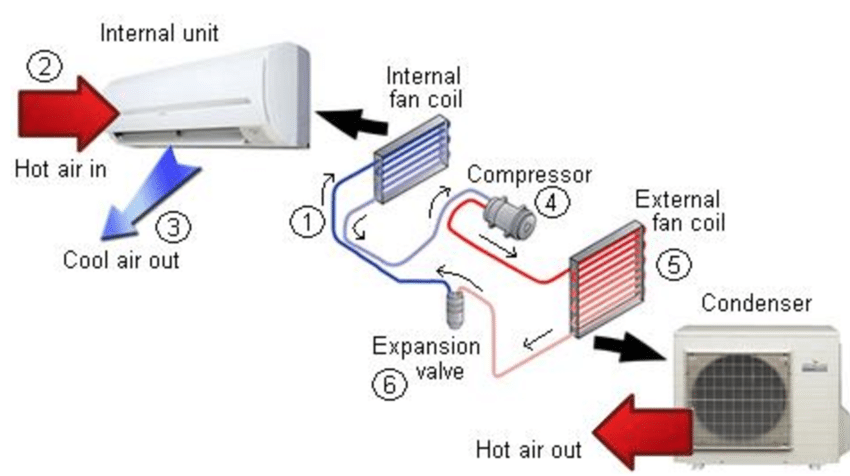
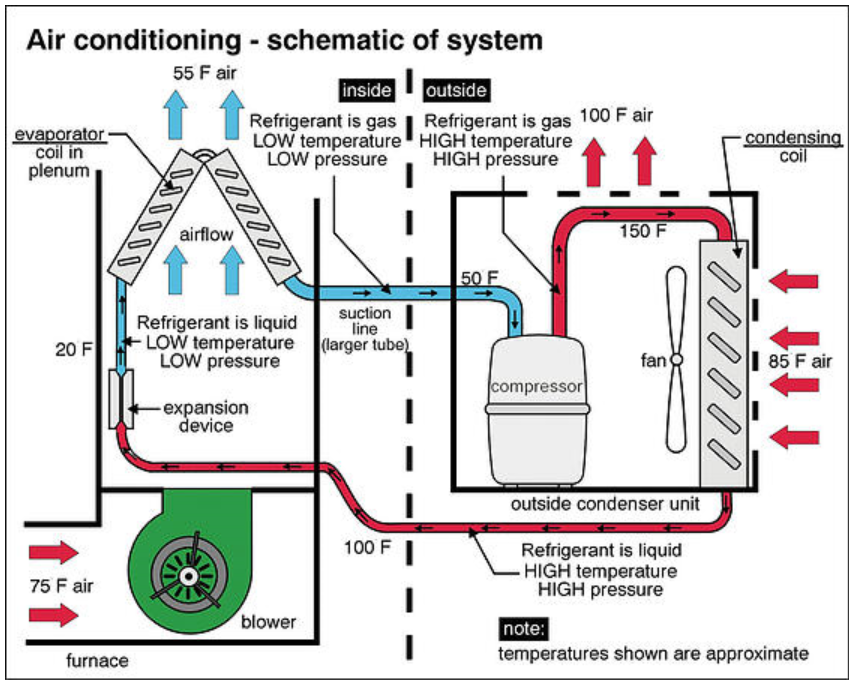
The cooling process involves a refrigerant that circulates between the indoor and outdoor units. Here's a simplified breakdown:
- Refrigerant absorbs heat: Inside the indoor unit's evaporator coil, liquid refrigerant absorbs heat from the air blown over it by a fan. This cools the air, which is then circulated back into the room. As the refrigerant absorbs heat, it turns into a low-pressure gas.
- Refrigerant travels to the outdoor unit: The low-pressure refrigerant gas is then pumped to the outdoor unit via refrigerant lines.
- Refrigerant releases heat: In the outdoor unit's compressor, the refrigerant gas is compressed, which increases its temperature and pressure. It then flows through the condenser coil, where it releases heat to the outside air. The condenser fan helps dissipate this heat. As the refrigerant loses heat, it turns back into a high-pressure liquid.
- Refrigerant returns to the indoor unit: The high-pressure liquid refrigerant then flows through an expansion valve, which reduces its pressure and temperature, turning it back into a cold, low-pressure liquid. This liquid then returns to the indoor unit to repeat the cycle.
In essence, the split system air conditioner transfers heat from inside your home to the outside, rather than creating cold air. The refrigerant acts as the heat carrier.
What are the main components of a split system, and what do they do?
Understanding the main components helps clarify the air conditioning process. Here's a summary:
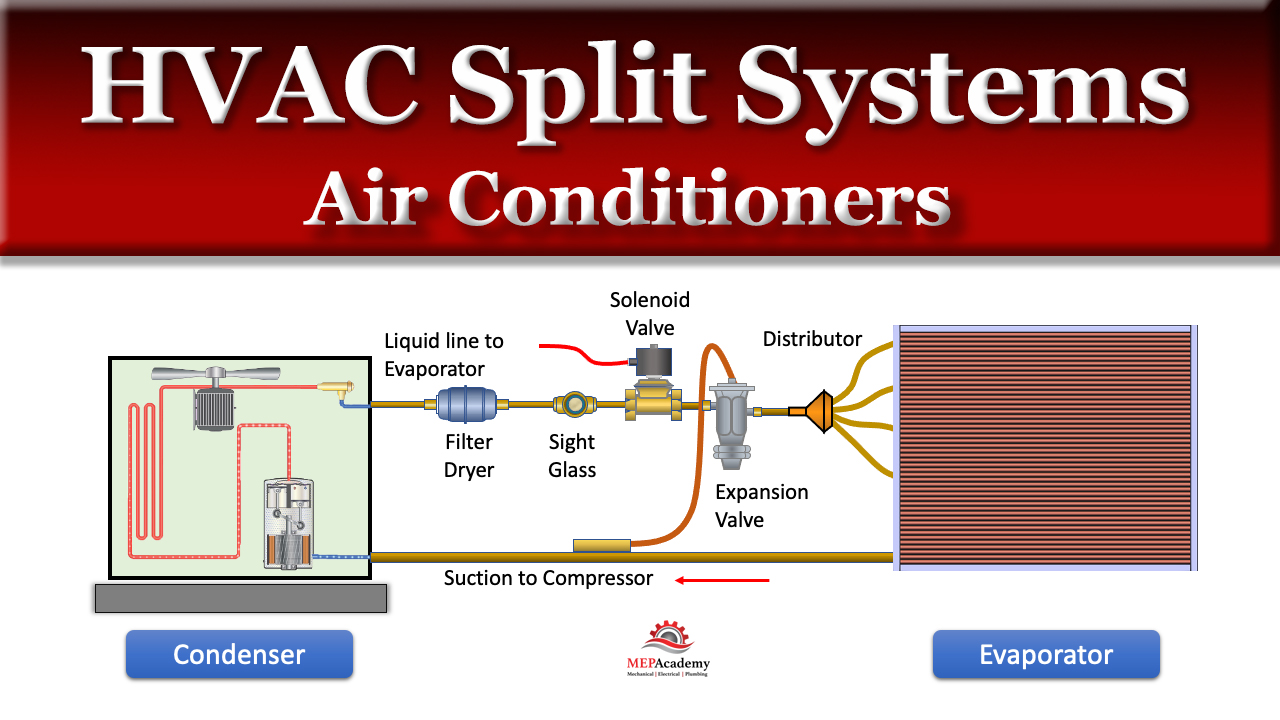
- Compressor: Located in the outdoor unit, the compressor pumps and pressurizes the refrigerant. This increases the refrigerant's temperature and is crucial for the heat exchange process. It's often considered the "heart" of the system.
- Condenser Coil: Also in the outdoor unit, the condenser coil dissipates heat from the refrigerant to the outside air, turning the refrigerant from a gas back into a liquid. The condenser fan assists in this process.
- Evaporator Coil: Located in the indoor unit, the evaporator coil absorbs heat from the indoor air, cooling the air and turning the refrigerant from a liquid into a gas. The indoor fan blows air across the coil to maximize heat absorption.
- Expansion Valve (or Metering Device): This component regulates the flow of refrigerant into the evaporator coil, reducing its pressure and temperature and preparing it to absorb heat.
- Refrigerant: The working fluid that absorbs and releases heat as it circulates between the indoor and outdoor units. Common refrigerants include R-32 and R-410A.
- Fans: Both the indoor and outdoor units have fans. The indoor fan circulates cool air into the room. The outdoor fan helps dissipate heat from the condenser coil.
- Refrigerant Lines: These copper pipes connect the indoor and outdoor units, allowing the refrigerant to flow between them. They are typically insulated to prevent heat loss or gain.
- Air Filter: Located in the indoor unit, the air filter removes dust, pollen, and other particles from the air circulating through the system. Regular filter replacement is essential for optimal performance and air quality.
What is the role of the thermostat in a split system?
The thermostat acts as the brain of the system, controlling the operation of both the indoor and outdoor units. You set your desired temperature on the thermostat, and it monitors the room temperature. When the room temperature rises above the setpoint, the thermostat signals the system to turn on. Once the room reaches the desired temperature, the thermostat turns the system off.
Modern thermostats offer advanced features such as programmable schedules, allowing you to set different temperatures for different times of the day, and smart home integration, enabling remote control via a smartphone or other device. Some thermostats also display error codes, which can help with troubleshooting.
What are the benefits of using a split system air conditioner compared to other types?
Split systems offer several advantages over other cooling options:
- Zoned Cooling: Split systems allow you to cool individual rooms or zones, rather than the entire house. This can save energy and money by only cooling the areas you're using.
- Quiet Operation: The noisiest component, the compressor, is located in the outdoor unit, resulting in quieter operation indoors compared to window units.
- Energy Efficiency: Many split systems are highly energy efficient, with high SEER (Seasonal Energy Efficiency Ratio) ratings. This means they use less electricity to produce the same amount of cooling. Inverter technology further enhances energy efficiency by allowing the compressor to run at variable speeds, adjusting cooling output to match the room's needs.
- Ease of Installation: While professional installation is recommended, split systems are generally easier to install than ducted central air conditioning systems, as they don't require extensive ductwork.
- Improved Air Quality: Most split systems come equipped with air filters that remove dust, pollen, and other allergens from the air, improving indoor air quality.
- Aesthetic Appeal: Split system indoor units are often more aesthetically pleasing than bulky window units. They can be mounted high on the wall or ceiling, blending in with the room's décor.
What does SEER mean, and why is it important?
SEER stands for Seasonal Energy Efficiency Ratio. It's a measure of an air conditioner's cooling efficiency over an entire cooling season. The higher the SEER rating, the more efficient the unit is, and the less energy it will use to cool your home.
A higher SEER rating translates to lower energy bills. When choosing a split system air conditioner, it's important to consider the SEER rating. Look for models with a SEER rating of at least 14 or higher to maximize energy savings. Keep in mind that models with higher SEER ratings often have a higher upfront cost, but the energy savings over the lifespan of the unit can offset this cost.
How often should I service my split system air conditioner?
Regular maintenance is crucial for ensuring optimal performance and extending the lifespan of your split system. It's generally recommended to have your system professionally serviced at least once a year, preferably before the start of the cooling season. However, you can perform some basic maintenance tasks yourself.
Here are some essential maintenance tasks:
- Clean or replace the air filter regularly: Check the filter monthly and clean or replace it as needed. A dirty filter restricts airflow, reducing cooling efficiency and potentially damaging the system.
- Clean the outdoor unit: Remove any leaves, debris, or vegetation that may be blocking the airflow around the outdoor unit. You can gently hose down the condenser coil to remove dirt and grime. Be careful not to damage the fins.
- Check the refrigerant lines: Inspect the refrigerant lines for any signs of leaks or damage. If you suspect a leak, contact a qualified HVAC technician immediately.
- Keep the area around the indoor unit clear: Ensure that furniture or other objects are not blocking the airflow around the indoor unit.
- Schedule professional maintenance: A qualified HVAC technician can perform a thorough inspection of the system, clean the coils, check the refrigerant charge, and identify any potential problems.
By following these maintenance tips, you can help keep your split system running efficiently and reliably for years to come.
In conclusion, understanding the working principles of a split system air conditioner empowers homeowners and facility managers to make informed decisions about purchase, operation, and maintenance. By keeping these FAQs in mind, you can ensure optimal cooling performance, energy efficiency, and a comfortable indoor environment.