How Does A Steam Heater Work
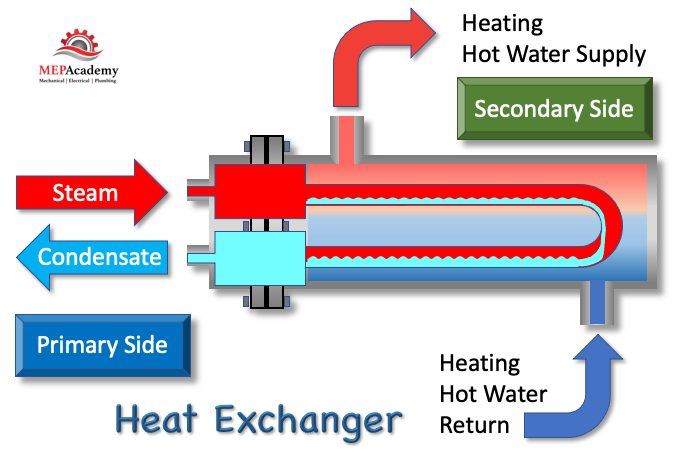
Steam heating systems, a staple in older homes and buildings, offer a unique approach to warmth. While not as prevalent in new construction, understanding how they work is crucial for homeowners looking to optimize efficiency and potentially integrate them into smart home setups. For businesses, exploring upgrades and understanding the ROI can unlock significant energy savings. This article dives deep into the mechanics of steam heaters, explores efficiency tips, and examines integration with smart technologies.
The Fundamentals: How Steam Heaters Generate Warmth
Unlike forced-air systems that distribute heated air, or radiant systems that use hot water, steam heaters utilize the latent heat of steam to warm a space. The core principle is relatively simple:
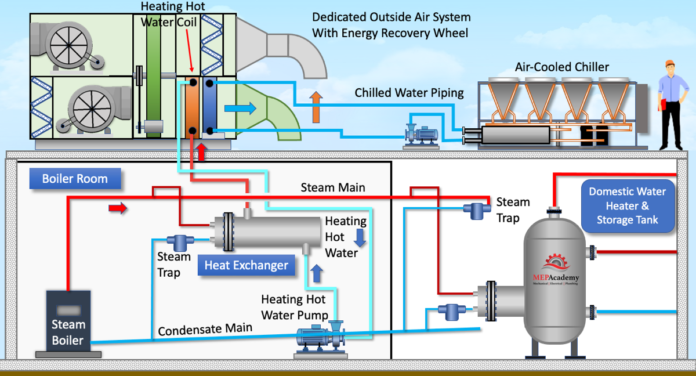
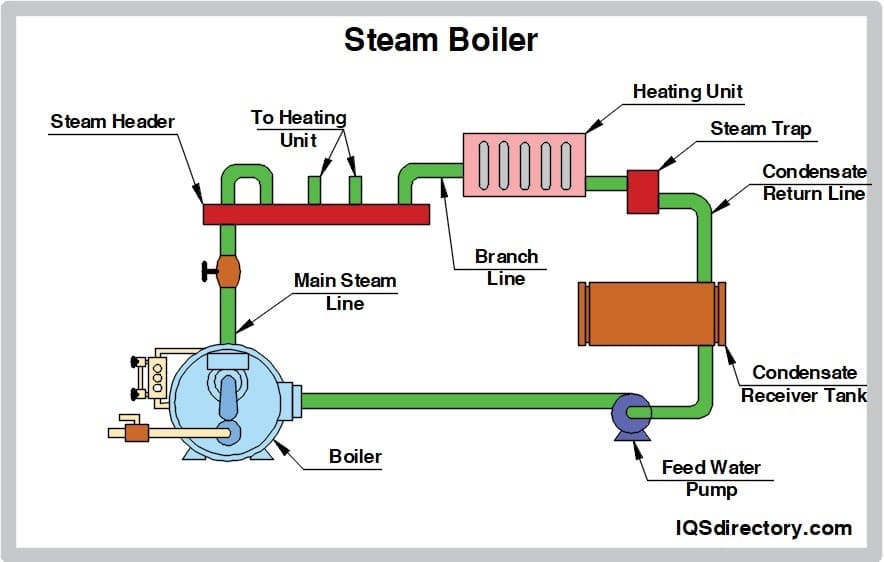
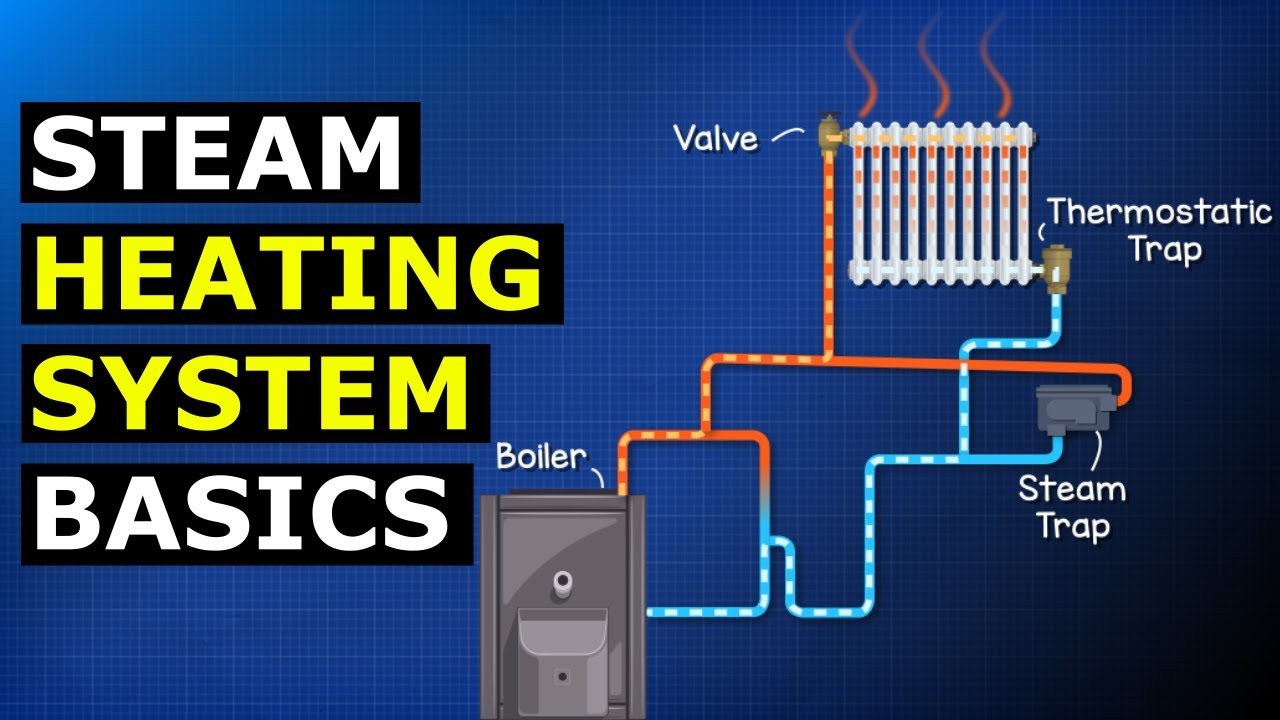
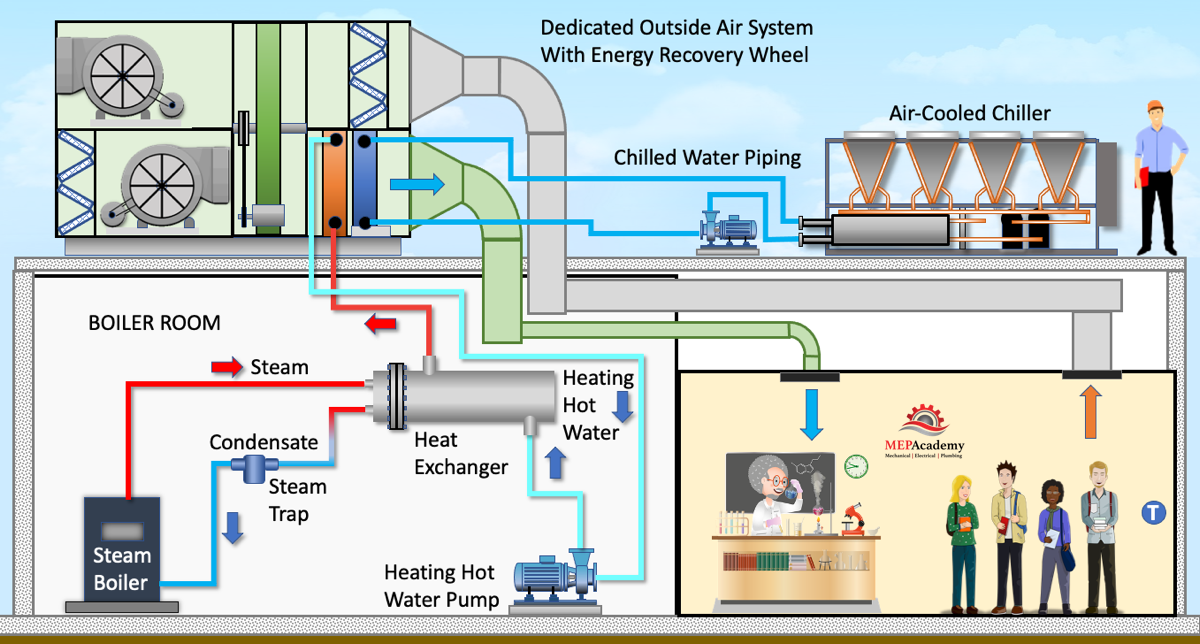
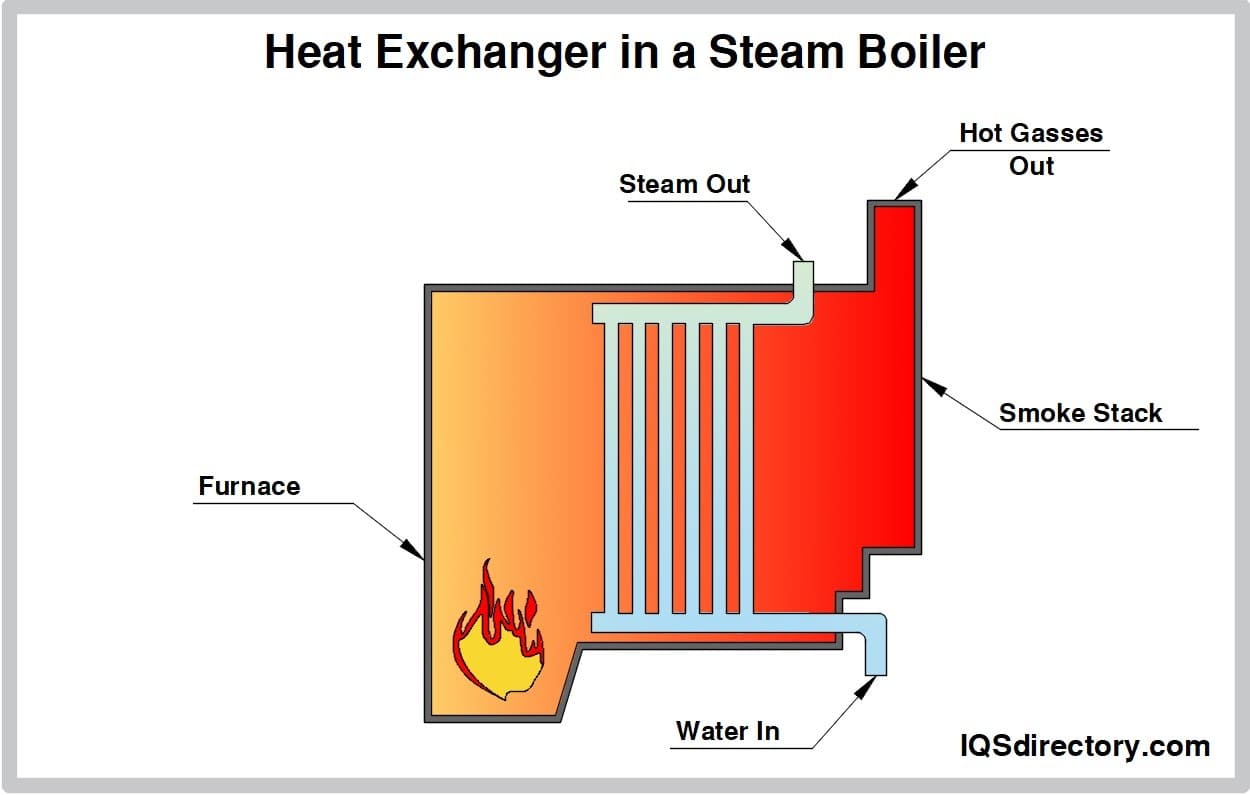
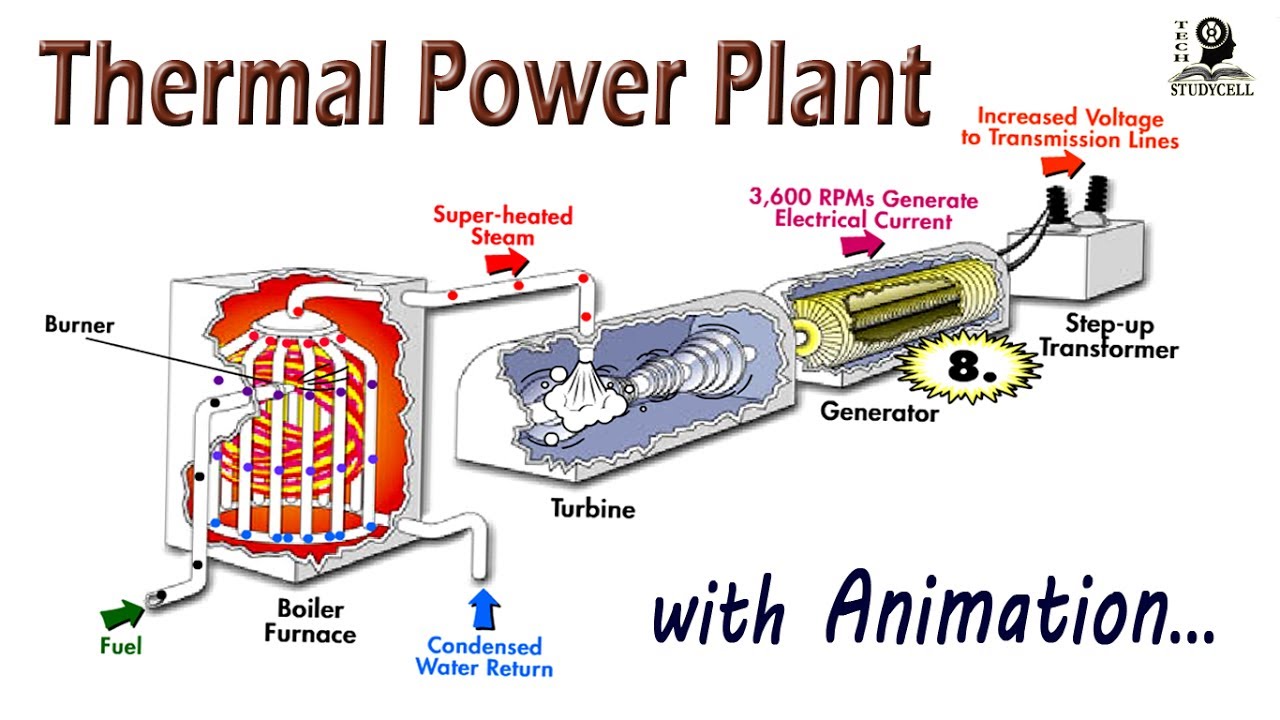
- Boiler: At the heart of the system lies the boiler. This is where water is heated to its boiling point, converting it into steam. Boilers can be powered by natural gas, oil, propane, or electricity, with natural gas generally being the most cost-effective option in many regions.
- Steam Distribution: The steam generated in the boiler travels through a network of pipes throughout the building. These pipes are strategically routed to radiators in different rooms.
- Radiators: Radiators are metal enclosures designed to efficiently transfer heat to the surrounding air. As steam enters the radiator, it condenses back into water, releasing its latent heat – the energy required to change water from liquid to gas. This heat is radiated and convected into the room, warming the space.
- Condensate Return: The water that results from steam condensation (condensate) needs to be returned to the boiler to be reheated and reused. In one-pipe systems, the condensate flows back through the same pipe that delivers the steam. In two-pipe systems, a separate return pipe is dedicated to condensate flow.
- Vents: Air vents play a critical role. As steam enters the radiator, it needs to displace the air already inside. These vents, typically located on the side of the radiator, allow air to escape, enabling the steam to fill the radiator completely and efficiently.
One-Pipe vs. Two-Pipe Systems: Understanding the Difference
The key difference between one-pipe and two-pipe steam systems lies in how condensate is handled.
- One-Pipe Systems: These are more common in older, smaller buildings. A single pipe serves both to deliver steam *and* return condensate to the boiler. This simplicity comes with a tradeoff: the return of condensate can sometimes interfere with steam flow, potentially leading to uneven heating and banging noises.
- Two-Pipe Systems: These are generally found in larger buildings. They utilize separate pipes for steam supply and condensate return, allowing for more efficient and consistent heating. Two-pipe systems typically incorporate traps that prevent steam from entering the return pipe, ensuring that only condensate is returned to the boiler.
Steam Heater Efficiency: Minimizing Energy Waste
While steam heaters can provide comfortable warmth, they are often perceived as inefficient compared to modern systems. However, with proper maintenance and upgrades, their efficiency can be significantly improved. Here are several strategies to consider:
- Insulation: Insulating steam pipes is paramount. Bare pipes lose a considerable amount of heat as the steam travels through the building. Pipe insulation, readily available at most hardware stores, can drastically reduce heat loss and improve overall system efficiency. According to the U.S. Department of Energy, insulating hot water and steam pipes can save up to 10% on your energy bills.
- Boiler Maintenance: Regular boiler maintenance is crucial. This includes annual inspections by a qualified HVAC technician to check for leaks, corrosion, and proper operation of safety valves. Scale buildup inside the boiler can impede heat transfer, reducing efficiency. Regular cleaning and descaling are essential.
- Vent Maintenance: Faulty radiator vents can lead to uneven heating and wasted energy. Ensure that all vents are functioning correctly and are properly sized for each radiator. Replace any vents that are leaking or not opening and closing properly. Consider installing adjustable vents to fine-tune heating in different rooms.
- Radiator Reflectors: Placing radiator reflectors behind radiators, especially those located on exterior walls, can help redirect heat back into the room, reducing heat loss through the wall. These reflectors are inexpensive and easy to install.
- Sealing Air Leaks: Sealing air leaks around windows and doors can prevent drafts and reduce heat loss, improving the overall effectiveness of the steam heating system. Caulk and weather stripping are your allies here.
- Boiler Upgrade: If your boiler is old and inefficient, consider upgrading to a newer, more efficient model. Modern boilers incorporate advanced technologies, such as modulating burners and electronic ignition, that can significantly improve efficiency. Look for boilers with a high AFUE (Annual Fuel Utilization Efficiency) rating. An AFUE of 90% or higher indicates a highly efficient boiler. Check for potential rebates and incentives offered by your local utility company or government agencies for upgrading to energy-efficient equipment.
Integrating Smart Technology: The Future of Steam Heating
While steam heating systems are often seen as antiquated, they can be integrated with smart home technology to improve comfort, control, and energy efficiency. Here's how:
- Smart Thermostats: Traditional thermostats only control the boiler, turning it on or off based on a single temperature reading. Smart thermostats offer more sophisticated control. They can learn your heating patterns, adjust the temperature automatically based on your schedule, and be controlled remotely via a smartphone app. More advanced smart thermostats can even incorporate multiple sensors to monitor temperatures in different rooms, providing more granular control over heating.
- Smart Radiator Valves: These valves replace the traditional manual radiator valves and allow for individual room temperature control. They can be programmed to adjust the heat output of each radiator based on a schedule or occupancy, further optimizing energy use. Some smart radiator valves even have open window detection, automatically reducing heat output when a window is opened to prevent energy waste.
- Steam Trap Monitors: For two-pipe systems, steam trap monitors can be installed to detect malfunctioning traps. A malfunctioning trap can waste significant amounts of energy by allowing steam to enter the return pipe. Early detection of these issues can prevent energy waste and reduce maintenance costs.
- Leak Detection Sensors: Installing leak detection sensors near the boiler and in areas prone to leaks can provide early warnings of potential problems, preventing water damage and minimizing downtime.
By integrating these smart technologies, you can transform a traditional steam heating system into a more efficient, controllable, and comfortable heating solution. The initial investment may seem significant, but the long-term energy savings and improved comfort can justify the cost. Look for Energy Star certified smart thermostats to ensure energy efficiency and potential eligibility for rebates.
ROI and Rebates: Making the Investment Worthwhile
Investing in energy-efficient upgrades for your steam heating system can offer a significant return on investment (ROI) in the form of reduced energy bills and improved comfort. Here are some factors to consider when evaluating the ROI:
- Energy Savings: Calculate the potential energy savings from each upgrade. For example, insulating steam pipes can reduce heat loss by 20-30%, translating to significant savings on your heating bill.
- Rebate Programs: Research available rebate programs offered by your local utility company, state government, or federal government. Many programs offer rebates for upgrading to energy-efficient boilers, installing smart thermostats, and other energy-saving measures. The Database of State Incentives for Renewables & Efficiency (DSIRE) is a valuable resource for finding rebates and incentives in your area.
- Tax Credits: Explore potential tax credits for energy-efficient home improvements. The federal government offers tax credits for certain energy-efficient upgrades, such as installing a high-efficiency boiler.
- Long-Term Costs: Consider the long-term costs of maintaining the system. Upgrading to a more efficient boiler can reduce maintenance costs and extend the lifespan of the system.
By carefully evaluating the ROI and taking advantage of available rebates and tax credits, you can make informed decisions about upgrading your steam heating system and maximize your energy savings.
Conclusion: Embracing Efficiency and Smart Technology
Steam heating systems, while seemingly old-fashioned, can be both effective and, with the right approach, efficient. By understanding how these systems function, implementing energy-saving measures, and integrating smart technology, homeowners and businesses can unlock significant energy savings, improve comfort, and reduce their environmental footprint. From simple insulation to comprehensive boiler upgrades, the options are diverse, and the potential benefits are substantial. Don't dismiss the potential of your steam system – with the right knowledge and upgrades, it can be a reliable and cost-effective heating solution for years to come. Consult with a qualified HVAC contractor to assess your specific needs and develop a customized plan for optimizing your steam heating system's performance.