How Does A Three Way Ball Valve Work

Understanding the Three-Way Ball Valve in Your HVAC System
The three-way ball valve is a common component in many HVAC systems, though often overlooked. It plays a crucial role in directing the flow of fluids, typically water or glycol solutions, allowing for efficient heating, cooling, and zone control. Understanding how it works can empower you to troubleshoot simple HVAC issues and communicate more effectively with HVAC professionals.
What is a Three-Way Ball Valve?
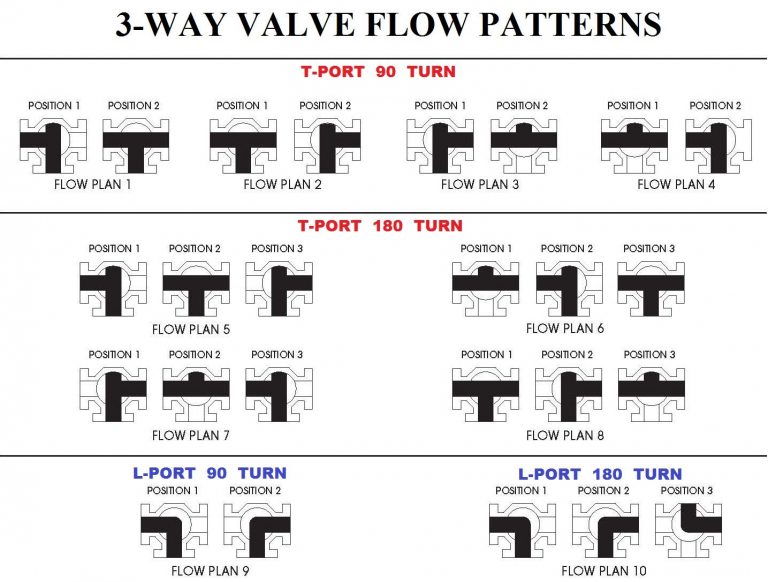
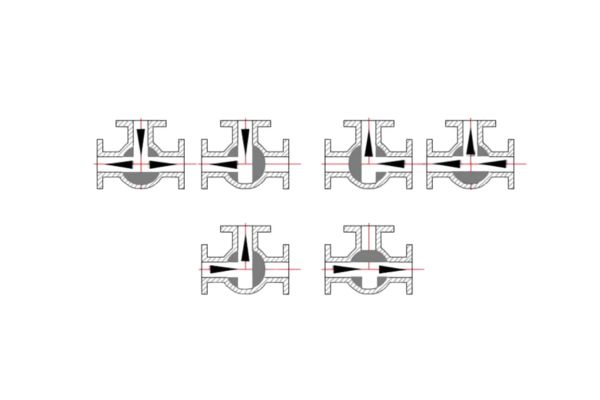
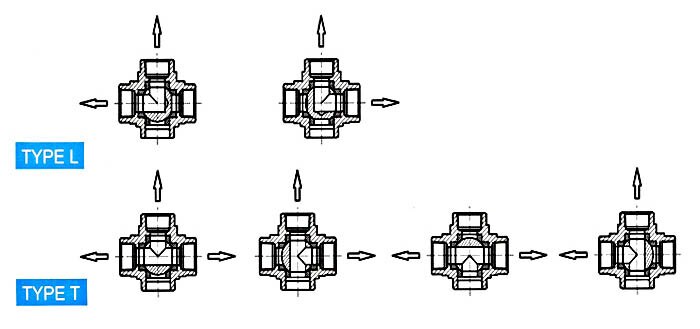
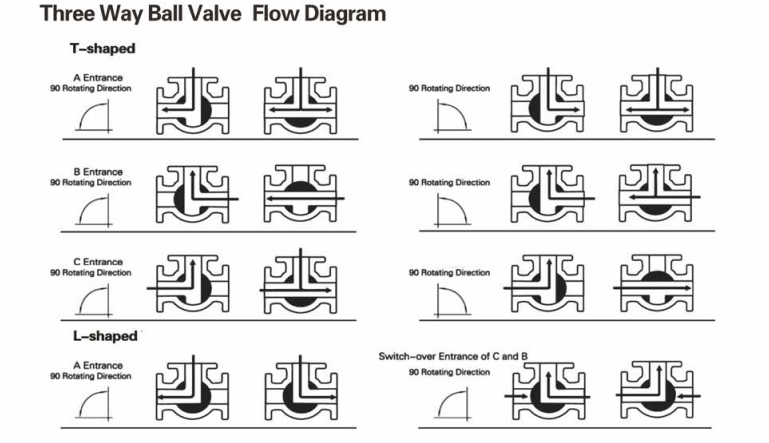
A three-way ball valve is a type of quarter-turn valve that has three ports instead of the usual two. This unique design allows it to either divert flow from one inlet to one of two outlets, or to mix fluids from two inlets into a single outlet. Think of it as a traffic controller for your HVAC system's fluid flow.
How Does It Work?
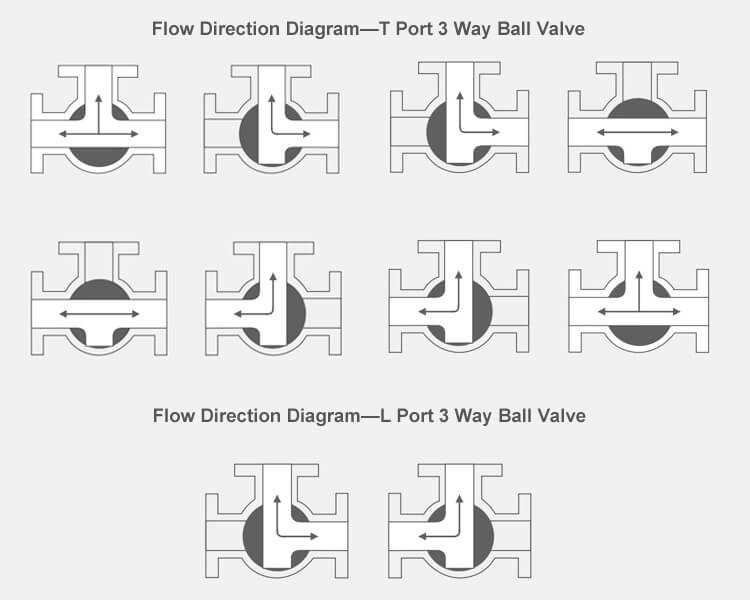
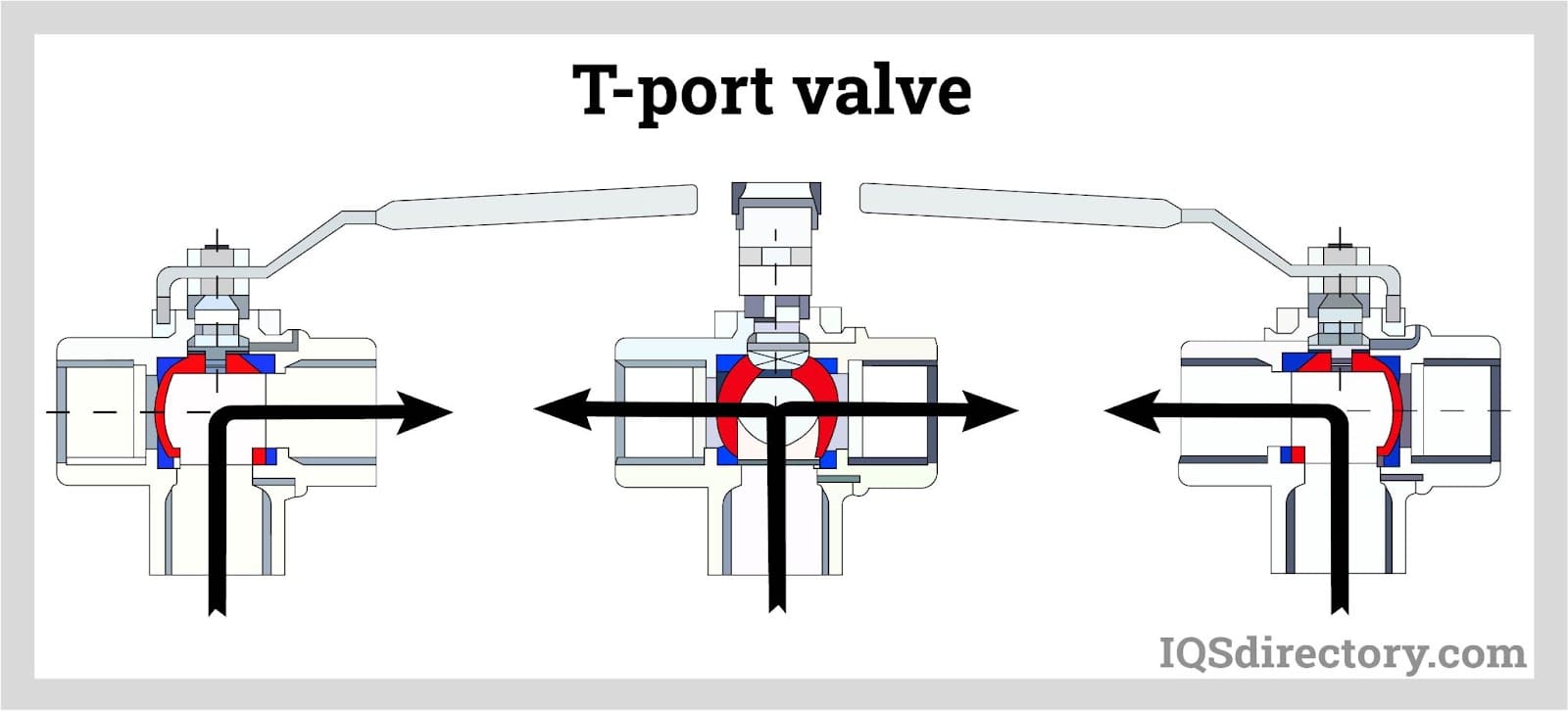
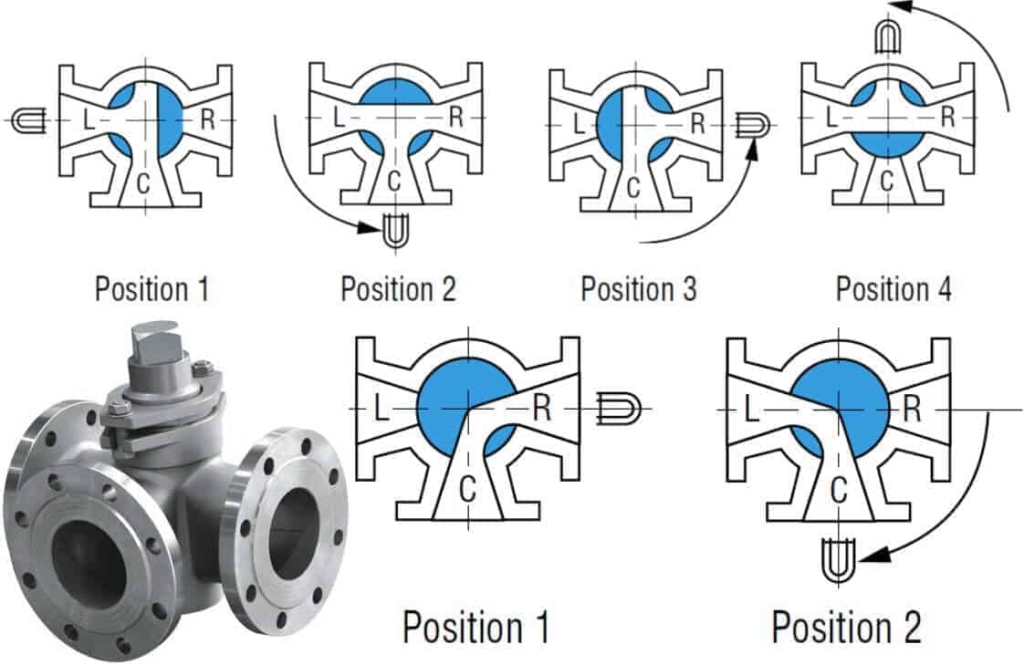
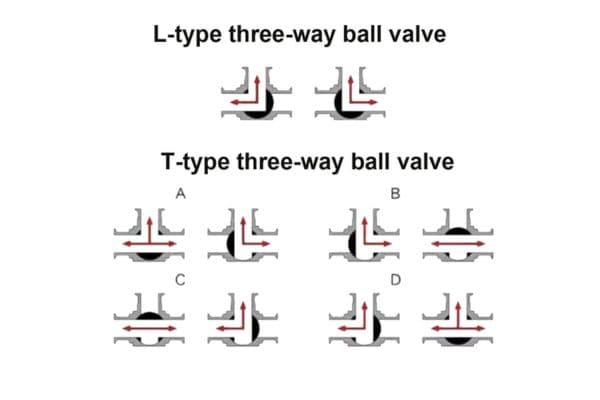
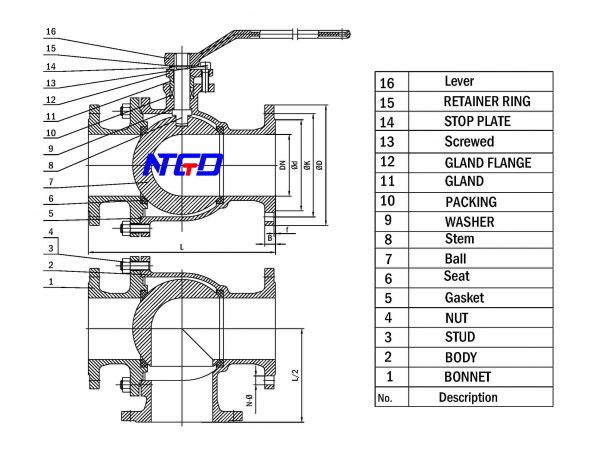
The heart of the three-way ball valve is, unsurprisingly, a ball with a specially designed bore. This bore creates different flow paths depending on the valve's position. Unlike a standard two-way ball valve which simply opens or closes a single pathway, the three-way valve offers more complexity. Let's explore the two main types and their function:
- Diverting Valve: In this configuration, one port acts as the inlet. The ball's internal bore directs the flow to either of the other two outlet ports. Imagine water flowing into the valve; you can choose to send it to either your radiant floor heating or to a bypass loop.
- Mixing Valve: Here, two ports act as inlets, and the third port acts as the outlet. The ball allows the fluids from both inlets to mix inside the valve before exiting through the outlet. This is often used to temper hot water with cold water to achieve a desired temperature.
The valve's handle indicates the direction of flow. Typically, the handle points towards the outlet port that is currently open in a diverting valve. In a mixing valve, the handle indicates the direction of the mixed output.
Common Applications in HVAC Systems
Three-way ball valves are incredibly versatile. Here are some of the most common ways they are used in residential and light commercial HVAC systems:
- Zone Control: Directing hot or chilled water to different zones in a building, allowing for individual temperature control in each area.
- Bypass Loops: Creating a bypass around a component like a chiller or boiler, allowing for maintenance or operation at reduced capacity.
- Radiant Heating Systems: Controlling the flow of hot water to radiant floor heating loops.
- Domestic Hot Water Systems: Tempering hot water to prevent scalding.
- Solar Heating Systems: Diverting flow between solar collectors and a storage tank.
DIY Troubleshooting: What You Can Check
While internal valve repairs are generally best left to professionals, there are a few things you can check yourself:
- Valve Position: Ensure the valve handle is in the correct position for the desired flow path. A misaligned handle is a common, simple fix.
- Leaks: Inspect the valve body and connections for leaks. Even small leaks can indicate a problem.
- Handle Movement: Check if the handle moves freely and smoothly. A stuck or difficult-to-move handle may indicate internal corrosion or debris buildup.
- Listen for Unusual Noises: Gurgling, hissing, or banging sounds coming from the valve area might indicate air in the system, improper flow, or a valve malfunction.
When to Call a Professional
Many three-way ball valve issues require specialized knowledge and tools. It's best to call a qualified HVAC technician if you encounter any of the following:
- Internal Leaks: Water leaking from within the valve body itself.
- Valve Won't Turn: If the handle is completely stuck and won't move, forcing it could damage the valve or connected piping.
- Reduced Flow: If the flow through the valve is significantly reduced even when it's in the open position, there may be internal blockage or damage.
- Complex System Issues: If the valve is part of a larger, more complex system and you are unsure of the consequences of manipulating it.
- Electrical Components: Some three-way valves are motorized and controlled electronically. If the valve isn't responding to the thermostat or control system, it's best to call a professional experienced in HVAC controls.
Safety First! Always turn off the power to any electrical components and isolate the water supply before attempting any troubleshooting or repairs. Scalding is a serious risk when working with hot water systems.
Tools and Materials You Might Need (For Basic Checks)
Here's a list of tools you might need for basic checks, but remember, for actual repairs, you'll likely need more specialized equipment:
- Adjustable wrench
- Screwdrivers (Phillips and flathead)
- Bucket or container to catch drips
- Clean cloths or towels
- Pen and paper to document your observations
- Safety glasses
- Gloves
Common Problems and Potential Causes
Understanding potential causes can help you narrow down the issue:
- Valve Leaks:
- Cause: Worn seals, corrosion, loose connections.
- Solution: Tighten connections (if possible and safe). Replace valve (professional recommended).
- Stuck Valve:
- Cause: Mineral buildup, corrosion, debris.
- Solution: Attempt gentle lubrication (if accessible). Replace valve (professional recommended).
- Reduced Flow:
- Cause: Partial blockage, internal damage.
- Solution: Clean accessible debris. Replace valve (professional recommended).
- Motorized Valve Failure (If Applicable):
- Cause: Electrical fault, motor burnout.
- Solution: Check wiring. Replace motor or entire valve assembly (professional recommended).
Estimating Repair Costs
Repair costs for three-way ball valves can vary depending on the complexity of the system, the accessibility of the valve, and the cost of labor in your area. Here's a general idea:
- Simple Replacement: Replacing a readily accessible valve in a straightforward system might cost between $150 and $400, including parts and labor.
- Complex Systems or Hard-to-Reach Valves: More complex systems or valves that are difficult to access can increase the cost to $400-$800 or more.
- Motorized Valve Replacement: Motorized valve replacements are typically more expensive, ranging from $300 to $1000 or more, depending on the specific valve and control system.
These are just estimates. Always get a quote from a qualified HVAC professional before proceeding with any repairs. Be sure to ask for a breakdown of the costs, including parts and labor.
Preventative Maintenance
While three-way ball valves are relatively robust, regular maintenance can help extend their lifespan and prevent problems:
- Regular Inspections: Periodically inspect the valve for leaks or signs of corrosion.
- System Flushing: Regularly flushing your HVAC system can help remove debris and prevent mineral buildup that can damage valves. This is especially important in systems that use hard water.
- Professional Servicing: Schedule regular HVAC maintenance with a qualified technician. They can identify potential problems early and address them before they become major issues.
Choosing the Right Replacement Valve
If replacement is necessary, selecting the correct valve is crucial. Consider the following factors:
- Size: Ensure the replacement valve is the same size as the original to match the existing piping.
- Material: Choose a material that is compatible with the fluid flowing through the system. Brass is a common choice for water systems, but other materials may be necessary for corrosive fluids.
- Type: Determine whether you need a diverting or mixing valve.
- Actuation: Decide whether you need a manual or motorized valve.
- Pressure Rating: Ensure the valve's pressure rating is sufficient for the system's operating pressure.
Important Note: Always consult with a qualified HVAC professional to ensure you select the correct replacement valve for your specific system.
Conclusion
Understanding how a three-way ball valve works can empower you to troubleshoot minor HVAC issues and communicate effectively with HVAC professionals. Remember to prioritize safety and call a qualified technician for complex repairs or if you are unsure about any aspect of the process. With a little knowledge and preventative maintenance, you can keep your HVAC system running smoothly and efficiently.