How Does A Trap Primer Work
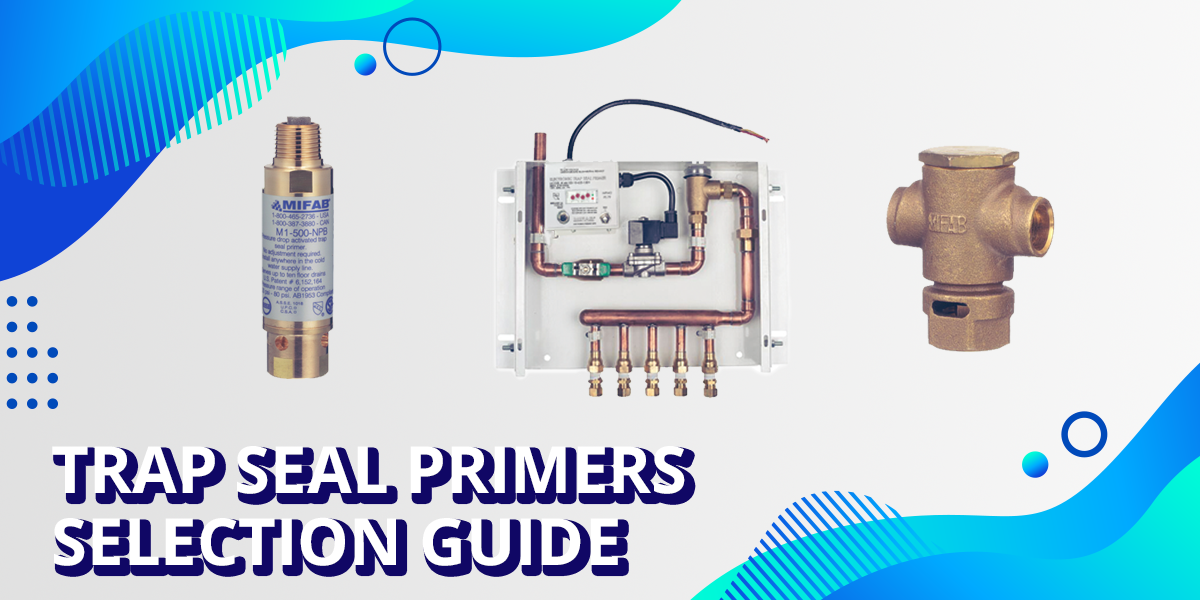
The unsung hero of drain protection, the trap primer, diligently guards against sewer gas intrusion into our homes and buildings. While seemingly a simple device, understanding its operation is crucial for homeowners, HVAC technicians, and facility managers alike. This article delves into the intricacies of how a trap primer works, its types, applications, and maintenance, ensuring a comprehensive understanding of this vital plumbing component.
What is a Plumbing Trap?
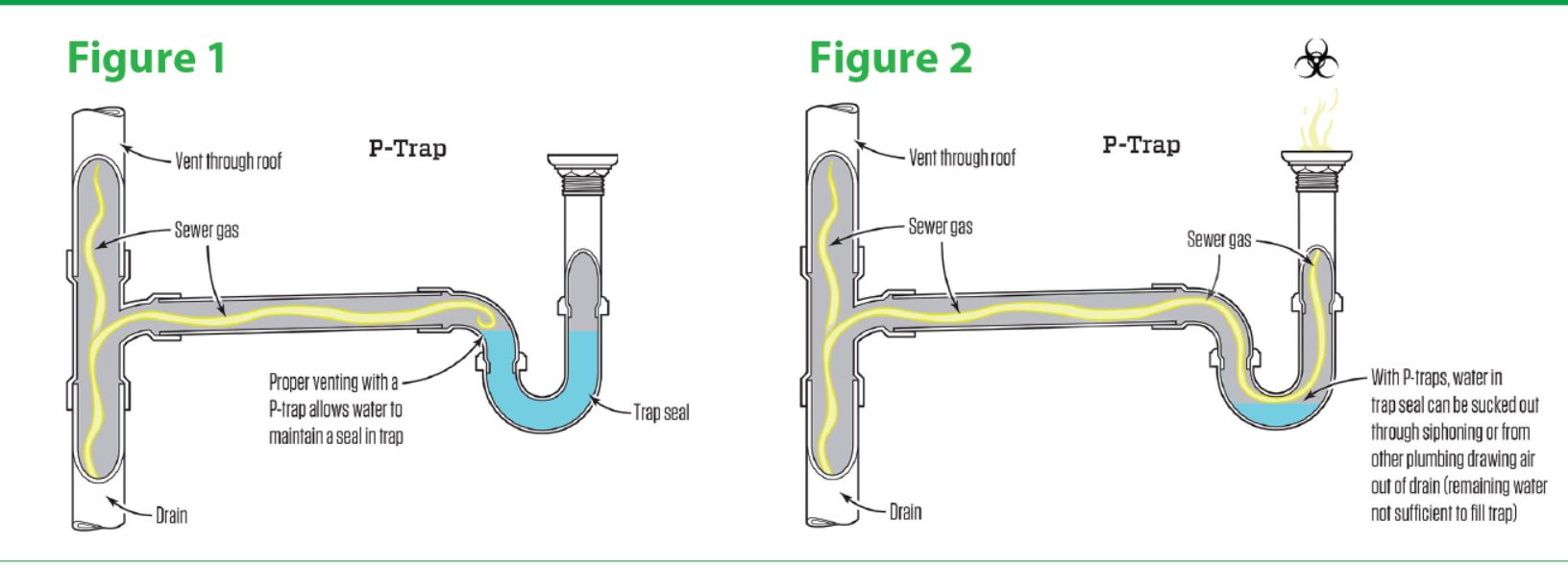
Before exploring trap primers, it's essential to understand the function of a plumbing trap. A trap is a U-shaped (or P-shaped) pipe section designed to hold a small amount of water. This water barrier, also known as a water seal, prevents sewer gases from entering a building through drain pipes. Sewer gases contain methane, hydrogen sulfide, and other potentially harmful or unpleasant substances. Without a properly functioning trap, these gases can permeate the indoor environment, causing foul odors and potential health hazards.
The Problem: Trap Seal Evaporation
The water seal in a plumbing trap can evaporate over time, especially in infrequently used drains. Consider a guest bathroom sink, a floor drain in a basement, or a drain connected to seasonal HVAC equipment like condensate drains. When water isn't regularly replenished, the water seal can dry out due to evaporation, allowing sewer gases to flow freely into the building. This is where the trap primer steps in.
How a Trap Primer Works: A Detailed Explanation
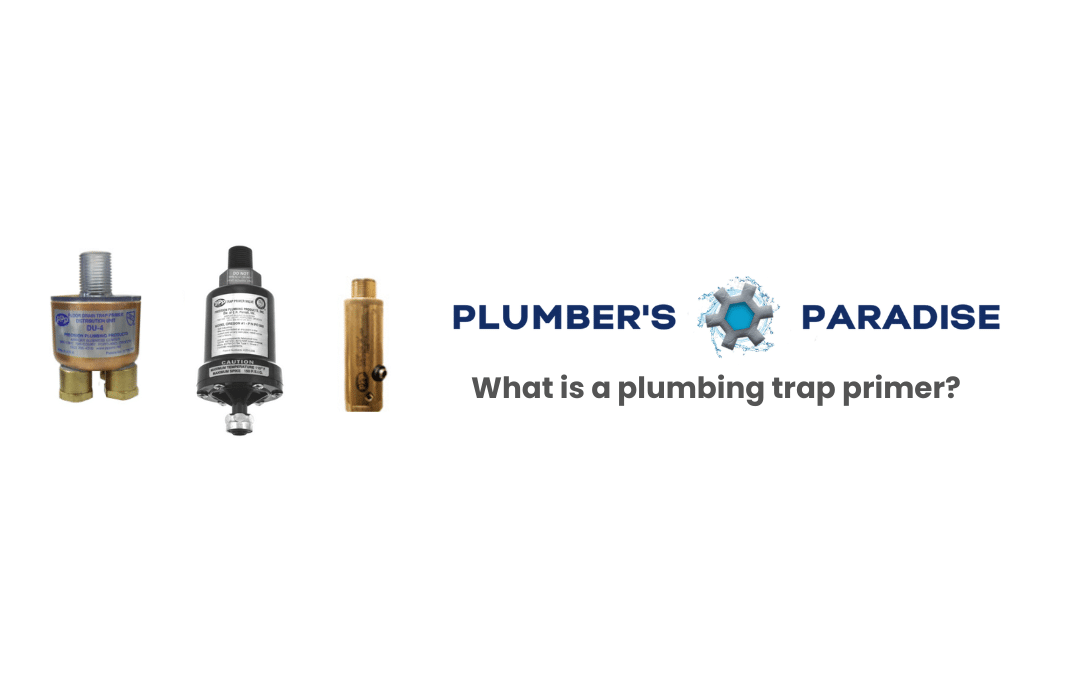
A trap primer is a device designed to automatically replenish the water in a plumbing trap, maintaining the necessary water seal. It works by releasing a small amount of fresh water into the trap on a periodic basis. There are several types of trap primers, each employing a different mechanism to achieve this goal:
1. Potable Water Trap Primers
These are the most common type. They connect directly to the potable (drinking) water supply line and use a valve mechanism to deliver a small amount of water to the trap. Here's a breakdown of how they function:
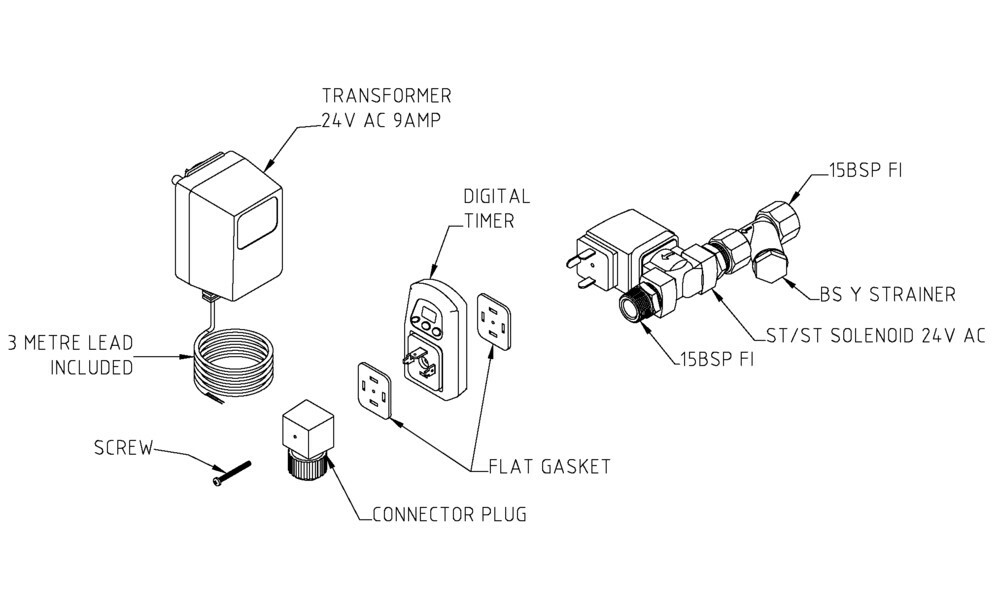
- Timing-Based Primers: These primers utilize a timer mechanism to periodically open a valve, releasing a measured amount of water into the trap. The timer can be mechanical or electronic, and the frequency and duration of the water release can be adjusted. For example, a timer might be set to release a cup of water every 24 hours.
- Pressure-Differential Primers: These primers rely on pressure fluctuations in the water supply line. When water is used elsewhere in the building, a slight drop in water pressure triggers the valve to open, releasing a small amount of water into the trap. This type of primer is particularly useful in high-demand water systems.
- Metering Valve Primers: These primers utilize a metering valve to precisely control the amount of water released into the trap. The valve is designed to deliver a consistent flow rate, ensuring that the trap receives the correct amount of water without wasting water.
2. Distribution Manifold Trap Primers
A distribution manifold utilizes the discharge from a frequently used fixture (like a lavatory or toilet) to prime multiple traps simultaneously. When the fixture is used, a portion of the wastewater is diverted to a manifold, which then distributes the water to various trap locations. This method is particularly effective in commercial buildings with multiple infrequently used drains.
3. Vacuum Breaker Considerations
Regardless of the type of trap primer used, a vacuum breaker is crucial. A vacuum breaker prevents back-siphonage, which is the unintentional reversal of water flow in the plumbing system. Back-siphonage can occur if there's a drop in water pressure in the supply line, potentially contaminating the potable water supply with wastewater from the drain. Vacuum breakers are typically installed upstream of the trap primer to ensure proper protection. The specific type of vacuum breaker required depends on local plumbing codes.
Applications of Trap Primers
Trap primers find application in a variety of settings, including:
- Residential Homes: Basements, guest bathrooms, laundry rooms, and infrequently used sinks.
- Commercial Buildings: Floor drains, restrooms, service sinks, and HVAC condensate drains.
- Industrial Facilities: Equipment drains, process drains, and safety showers.
- Healthcare Facilities: Sterile areas, laboratories, and equipment rooms.
Installation Considerations
Proper installation is crucial for the effective operation of a trap primer. Here are some key considerations:
- Plumbing Codes: Always adhere to local plumbing codes and regulations regarding the installation and use of trap primers.
- Water Quality: Ensure that the water supply to the trap primer is clean and free from debris. A filter may be necessary in some cases.
- Backflow Prevention: Install a vacuum breaker to prevent back-siphonage.
- Accessibility: Position the trap primer in an accessible location for maintenance and inspection.
- Proper Sizing: Choose a trap primer with the appropriate flow rate for the size and type of trap being primed.
Maintenance and Troubleshooting
Like any mechanical device, trap primers require periodic maintenance to ensure proper operation. Here are some common maintenance tasks:
- Inspection: Regularly inspect the trap primer for leaks, corrosion, and other signs of damage.
- Cleaning: Clean the valve and other components of the trap primer to remove any debris or mineral buildup.
- Timer Adjustment: Adjust the timer settings as needed to ensure that the trap is receiving the appropriate amount of water.
- Vacuum Breaker Inspection: Inspect the vacuum breaker to ensure that it is functioning properly.
Common problems with trap primers include:
- Clogged valve: Debris or mineral buildup can clog the valve, preventing water from flowing to the trap.
- Leaky valve: A worn or damaged valve can leak, wasting water and potentially damaging surrounding surfaces.
- Timer malfunction: A faulty timer can cause the trap primer to release too much or too little water.
- Back-siphonage: A malfunctioning vacuum breaker can allow back-siphonage to occur.
Troubleshooting typically involves cleaning, repairing, or replacing the affected components. If you are unsure about how to perform these tasks, consult a qualified plumber or HVAC technician.
Cost and Efficiency
The cost of a trap primer can vary depending on the type, size, and features of the device. Simple timer-based primers are relatively inexpensive, while more sophisticated pressure-differential or distribution manifold systems can be more costly. The efficiency of a trap primer is measured by its ability to maintain a water seal in the trap while minimizing water consumption.
While trap primers do use water, the amount is typically minimal compared to the cost and inconvenience of dealing with sewer gas intrusion. Moreover, using a trap primer is often more water-efficient than manually pouring water down the drain on a regular basis.
Alternatives to Trap Primers
While trap primers are an effective solution for maintaining trap seals, there are some alternatives to consider:
- Regular Use: The simplest and most cost-effective solution is to regularly use the fixture connected to the drain. This will naturally replenish the water in the trap.
- Trap Seal Fluids: These are special fluids that evaporate much slower than water, providing a longer-lasting seal. However, they can be more expensive than using a trap primer.
- Mechanical Trap Seal Devices: These devices use a mechanical valve to prevent sewer gases from entering the building. They do not require water to operate.
Conclusion
Trap primers are essential devices for maintaining a healthy and comfortable indoor environment. By understanding how they work, their various types, and their maintenance requirements, homeowners, HVAC technicians, and facility managers can ensure that these vital plumbing components function effectively, preventing sewer gas intrusion and protecting occupants from potential health hazards. While costs, codes and types may vary, the consistent usage and upkeep are critical to the functioning of any HVAC unit.