How Does A Trv Valve Work
Frequently Asked Questions: How TRV Valves Work
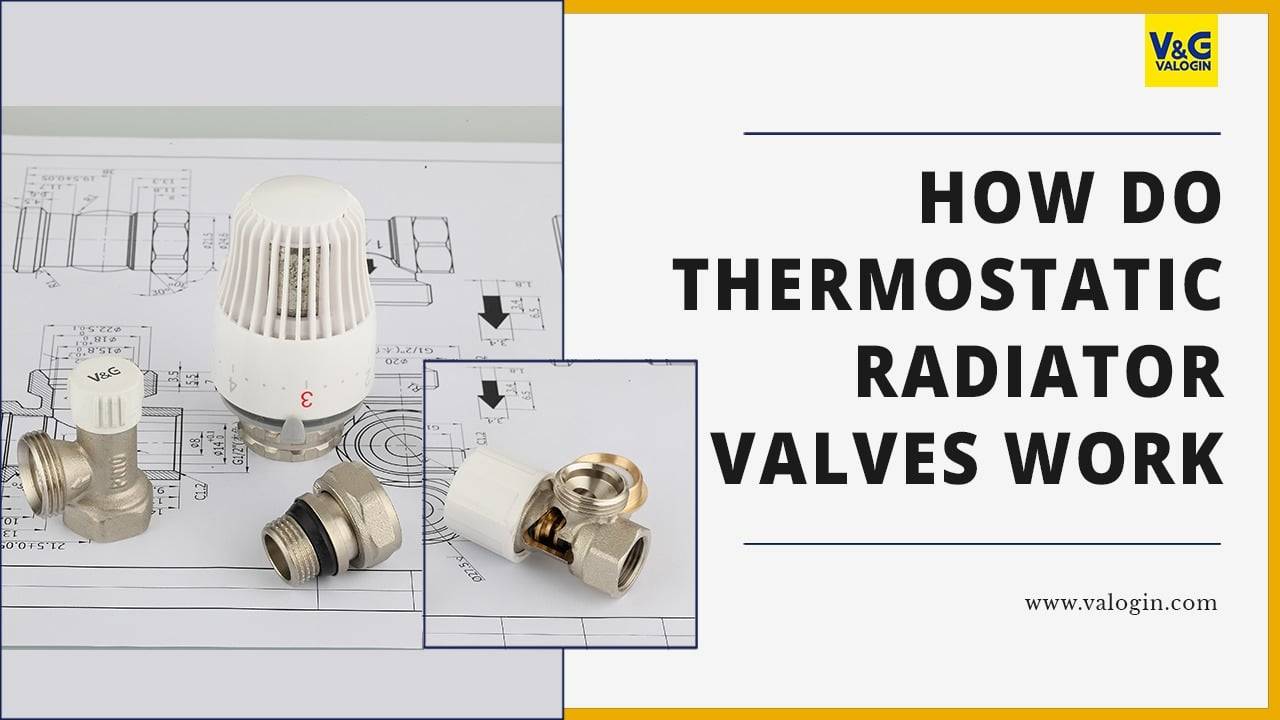
Are you wondering how those little dials on your radiators actually work? TRV valves, or Thermostatic Radiator Valves, are crucial for efficient home heating. They allow you to control the temperature in individual rooms, saving energy and money. This FAQ will answer some common questions about how TRV valves operate.
Q1: What exactly is a TRV valve and what does it do?
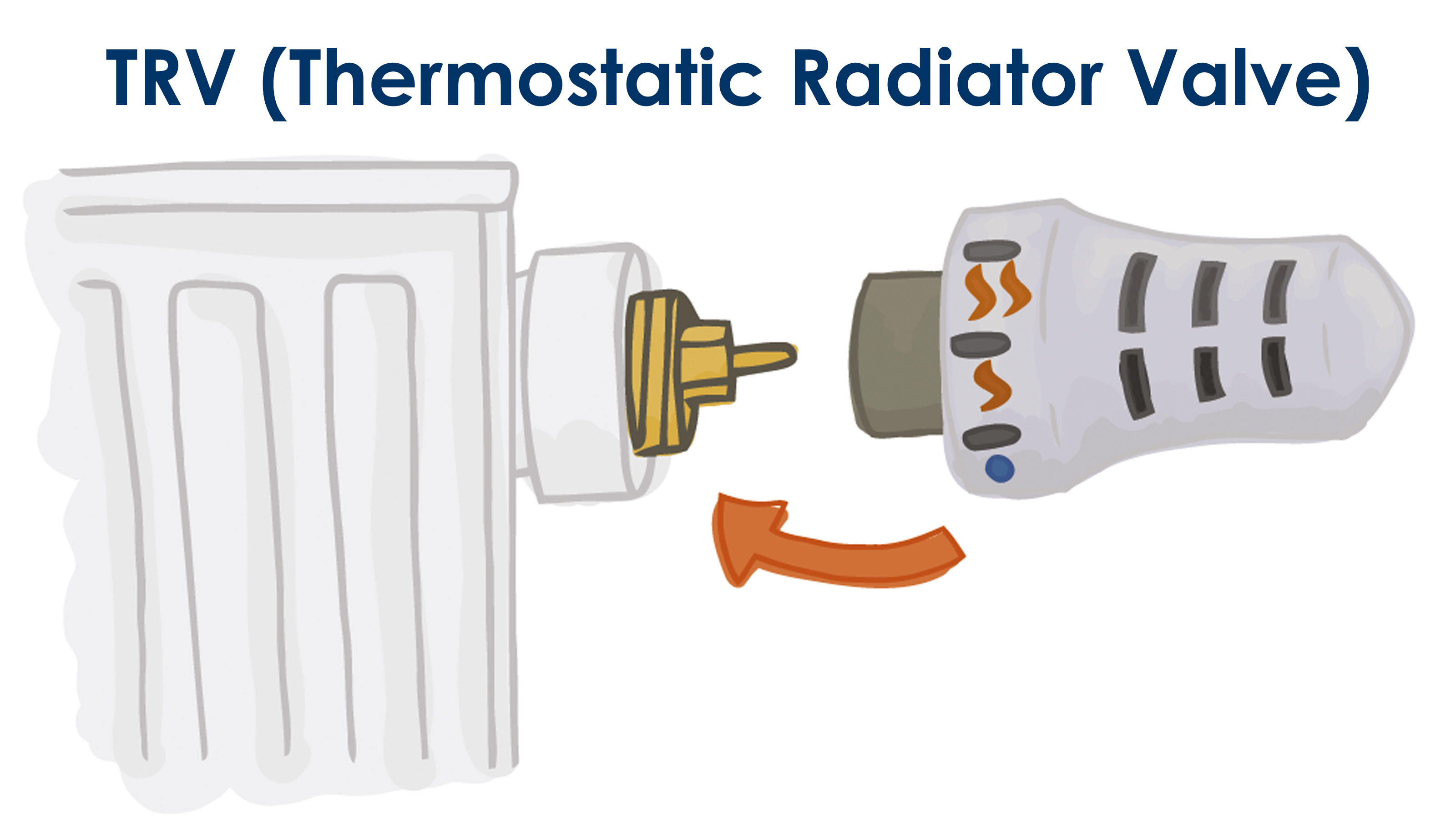
A TRV valve is a self-regulating valve fitted to a radiator. Its primary function is to control the amount of hot water flowing into the radiator, thereby regulating the room's temperature. Think of it as a mini-thermostat for each radiator. It senses the air temperature around it and adjusts the water flow accordingly.
In simple terms: It keeps your rooms at the temperature you set on the dial.
Q2: How does a TRV valve actually work? What's the mechanism inside?
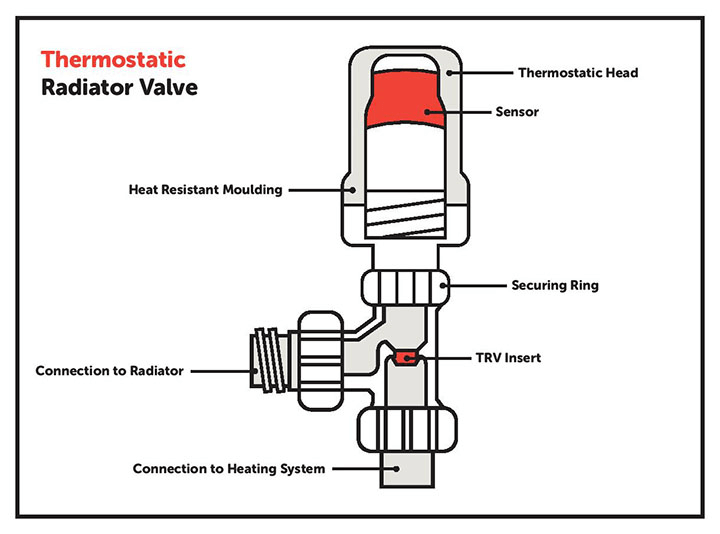
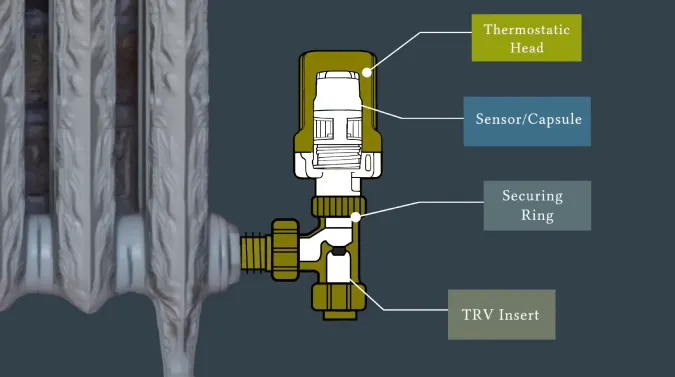
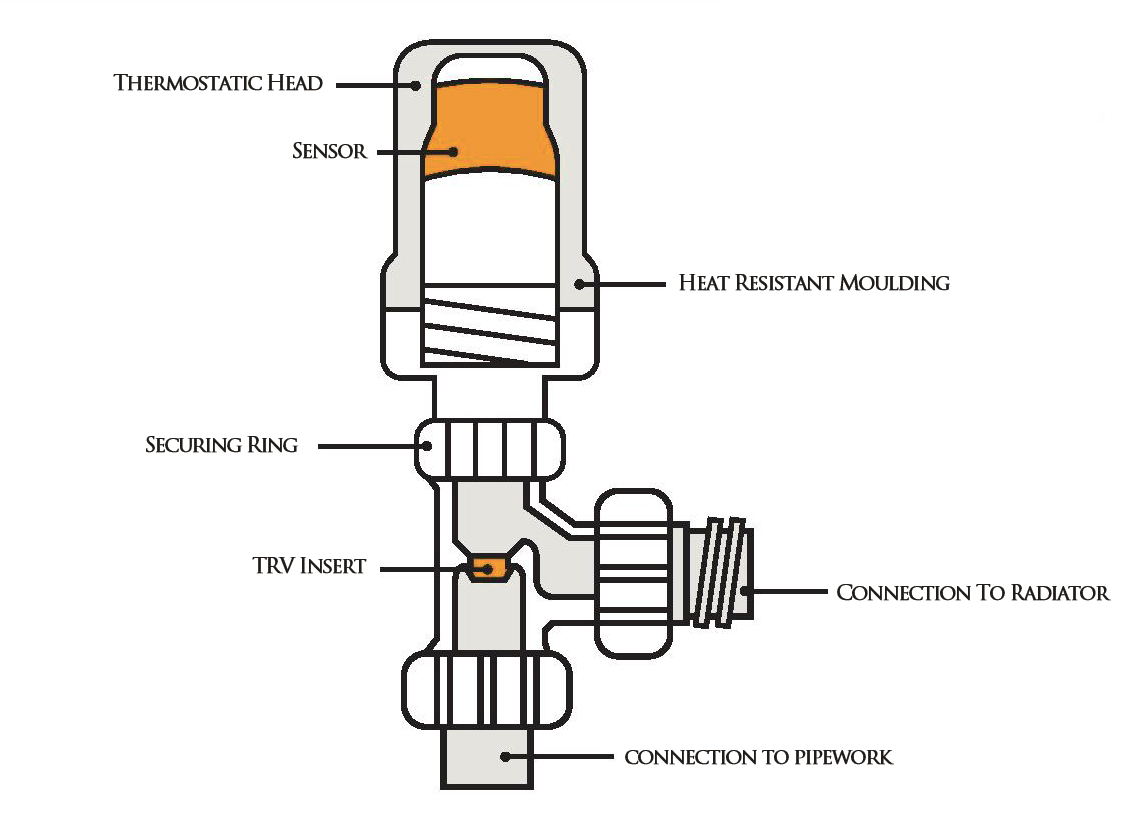
The core of a TRV's operation lies in a thermostatic element, typically containing a wax, liquid, or gas-filled capsule. Here's a breakdown of the process:
- Temperature Sensing: The thermostatic element senses the air temperature surrounding the valve.
- Expansion/Contraction: As the room temperature rises, the wax, liquid, or gas inside the element expands. Conversely, as the temperature drops, it contracts.
- Piston Action: This expansion or contraction pushes or retracts a pin (or piston) inside the valve.
- Valve Adjustment: The movement of the pin regulates the opening of the valve, which controls the flow of hot water into the radiator.
- Desired Temperature Reached: When the room reaches the temperature you've set on the dial, the valve restricts the flow of hot water, preventing the radiator from overheating the room.
- Temperature Drops: If the room temperature falls below the set point, the valve opens wider, allowing more hot water to flow into the radiator.
The dial you see on the TRV is connected to this mechanism, allowing you to set the desired room temperature. Different numbers usually correspond to different temperature settings (e.g., 1 might be 15°C, while 5 might be 25°C). Check your specific TRV model's instructions for the exact temperature settings.
Essentially, it's a mechanical feedback loop that automatically adjusts the radiator's heat output to maintain a consistent room temperature.
Q3: What are the benefits of using TRV valves? Why should I install them?
TRV valves offer several significant benefits, primarily related to energy efficiency and cost savings:
- Individual Room Temperature Control: You can set different temperatures for different rooms based on your needs and preferences. For example, you might want a warmer bedroom and a cooler hallway.
- Reduced Energy Consumption: By preventing rooms from overheating, TRVs reduce the amount of energy your heating system uses. This translates to lower heating bills.
- Improved Comfort: TRVs ensure consistent and comfortable temperatures in each room, preventing overheating or underheating.
- Compliance with Building Regulations: Many building regulations now require the installation of TRVs in new builds and during heating system upgrades.
- Reduced Carbon Footprint: By using less energy, TRVs contribute to a smaller carbon footprint, making your home more environmentally friendly.
- Easy to Install: Most TRVs are relatively easy to install, often requiring only basic plumbing skills.
In short, TRVs provide greater control, comfort, and cost savings compared to a system without them.
Q4: How do I choose the right TRV valve? Are there different types?
Yes, there are different types of TRV valves, and choosing the right one depends on your specific needs and heating system. Here are some factors to consider:
- Type of Valve:
- Liquid-Filled TRVs: Generally more responsive and accurate than wax-filled valves.
- Wax-Filled TRVs: A more traditional and often more affordable option.
- Remote Sensor TRVs: Ideal for radiators that are covered by curtains or furniture, as the sensor is located away from the radiator, providing a more accurate room temperature reading.
- Electronic TRVs: Offer more advanced features, such as programmable schedules and digital displays. They often require batteries or a mains power supply.
- Valve Size and Connection: Ensure the TRV's size and connection match your existing radiator valves and pipework. Common sizes are 15mm and 22mm.
- Valve Body Style:
- Straight Valves: Used when the pipework connects to the radiator in a straight line.
- Angled Valves: Used when the pipework connects to the radiator at a right angle.
- Design and Aesthetics: TRVs are available in various designs and finishes to complement your radiator and room decor.
- Budget: TRV prices vary depending on the type, features, and brand.
It's always a good idea to consult with a qualified heating engineer if you're unsure which type of TRV valve is best for your needs.
Q5: Are there any common problems with TRV valves, and how can I fix them?
While generally reliable, TRV valves can sometimes experience problems. Here are some common issues and potential solutions:
- Valve Stuck Open or Closed: This can be caused by dirt or debris inside the valve. Try removing the TRV head and manually exercising the pin (pushing it in and out repeatedly) to loosen it. You might also need to flush the system.
- Radiator Not Heating Up: Check that the TRV is not set to the "off" position (often marked with a snowflake symbol). Also, ensure that the valve is opening correctly when the room temperature is below the set point. If not, the valve may be faulty and need replacing. Sometimes, a balancing issue in the overall heating system can cause individual radiators not to heat effectively.
- Radiator Overheating: The TRV may be set too high, or the valve may be faulty and not closing properly. Try lowering the setting or replacing the valve.
- TRV Head Loose or Damaged: The TRV head may become loose or damaged, preventing it from accurately sensing the temperature. Replace the head with a new one.
- Noisy Radiator: This could indicate air trapped in the system. Bleed the radiator using a radiator key. If the noise persists, it might be a flow issue that requires system balancing.
Important: Before attempting any repairs, turn off your heating system and allow the radiators to cool down. If you're not comfortable working with plumbing, it's best to call a qualified heating engineer.
Q6: Where should TRV valves *not* be installed?
While TRVs are generally beneficial, there are certain situations where they shouldn't be used, or where their operation can be compromised. Here are some key considerations:
- Room with the Main Thermostat: It's generally not recommended to install a TRV in the same room as your main thermostat (the thermostat that controls your entire heating system). The TRV could interfere with the thermostat's readings and cause the system to work inefficiently. The main thermostat needs to sense the overall house temperature accurately.
- Bathrooms: In small bathrooms, the rapid temperature fluctuations caused by showers or baths can confuse the TRV and lead to inconsistent heating. Consider using a simple manual valve in this situation, especially if the bathroom is already adequately heated.
- Radiators Covered by Furniture or Curtains: If a radiator is significantly covered, the TRV will sense the temperature of the trapped air around the radiator rather than the room's overall temperature. This can lead to inaccurate temperature control and wasted energy. In these cases, a TRV with a remote sensor is a better option, or you should ensure adequate airflow around the radiator.
- Areas Prone to Freezing: If you have rooms that are prone to freezing (e.g., a rarely used guest room or a garage), it's essential to ensure that the TRV is set to a frost protection setting (usually marked with a snowflake symbol). This will prevent the radiator from freezing and potentially bursting.
- Systems with Backflow Preventers: Some older heating systems with backflow preventers may experience issues with TRVs causing pressure imbalances. Consult with a heating engineer if you're unsure whether TRVs are compatible with your system.
Proper placement and settings are crucial for TRVs to function effectively and contribute to energy savings.
Q7: How do I "balance" my radiators after installing TRV valves? What does that even mean?
Balancing your radiators is crucial for ensuring that heat is distributed evenly throughout your home, especially after installing or changing TRV valves. It ensures that each radiator receives the appropriate amount of hot water, preventing some radiators from overheating while others remain cold.
What is Radiator Balancing? Balancing involves adjusting the lockshield valves (the valves on the opposite end of the radiator from the TRV) to control the flow of hot water through each radiator. Think of it like fine-tuning each radiator's "throttle."
Why is it Important? Without balancing, the radiators closest to the boiler will often heat up first and more effectively, robbing heat from the radiators further down the line. This leads to uneven heating and wasted energy.
How to Balance Radiators:
- Turn off the Heating System: Let all the radiators cool down completely.
- Identify Lockshield Valves: These are usually covered with a plastic cap. Remove the caps.
- Open all Valves Fully: Turn all lockshield valves fully open by turning them counterclockwise. Make a note of how many turns it takes to fully open each valve.
- Adjust Lockshield Valves: Starting with the radiators *closest* to the boiler, gradually close the lockshield valve by turning it clockwise. Aim to close the valve about one-quarter to one-half of the number of turns it took to open it fully. Raditators further away would remain more open.
- Monitor Radiator Temperatures: Turn the heating system back on and monitor how quickly and evenly each radiator heats up. Use a thermometer to measure the temperature of each radiator at different points.
- Fine-Tune the Valves: If some radiators are heating up much faster than others, adjust the lockshield valves further. Close the valves on the radiators that are heating up too quickly and open the valves on the radiators that are heating up too slowly.
- Repeat as Needed: Repeat the monitoring and fine-tuning process until all radiators heat up at a relatively similar rate.
- Replace the Caps: Once you're satisfied with the balance, replace the plastic caps on the lockshield valves.
Tips for Balancing:
- Start with the Furthest Radiator: Some guides recommend starting the initial adjustments with the radiator furthest from the boiler, then working your way back. This is a valid approach, but the key is to adjust the valves incrementally and monitor the results.
- Use a Thermometer: A simple infrared thermometer can be very helpful for accurately measuring radiator temperatures.
- Take Notes: Keep track of the adjustments you make to each lockshield valve. This will help you retrace your steps if needed.
- Professional Assistance: If you're not comfortable balancing your radiators yourself, or if you're having persistent problems, consider hiring a qualified heating engineer. They have specialized tools and expertise to quickly and accurately balance your system.
Properly balanced radiators, combined with TRV valves, create a more efficient and comfortable heating system, saving you energy and money in the long run.