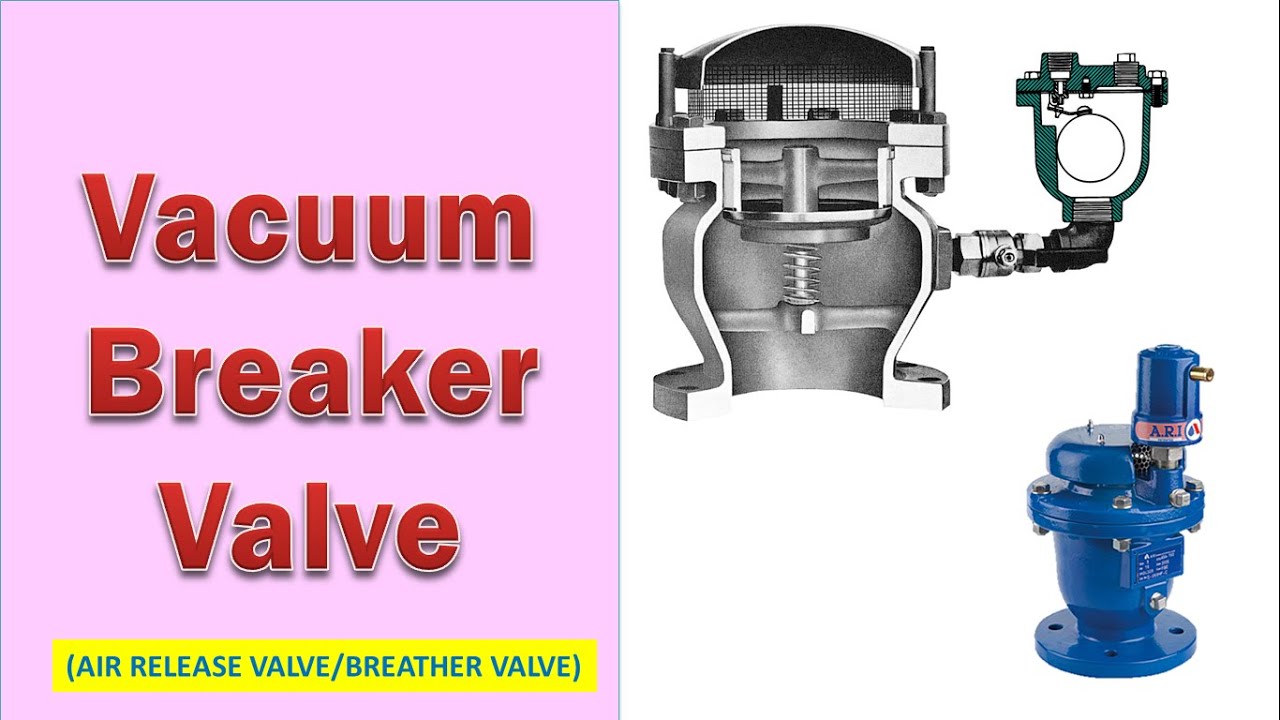
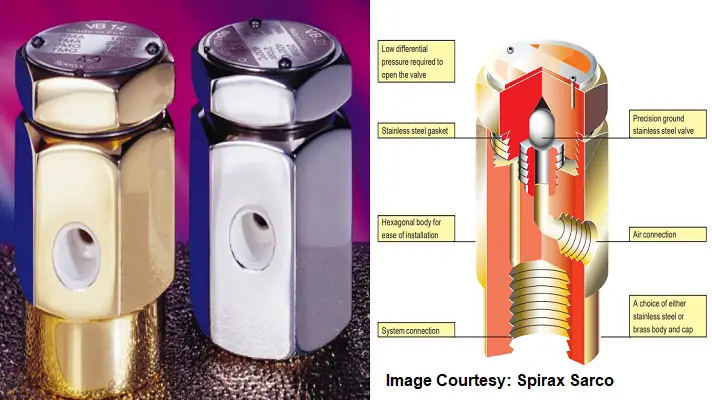
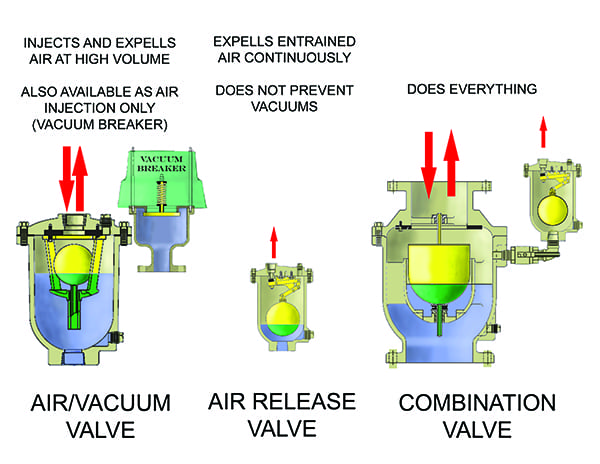
How Does A Vacuum Breaker Work
:max_bytes(150000):strip_icc()/pressure-vacuum-breaker-basics-2718896-hero-8a3453b96476497a9fd36244cbc12815.png)
Frequently Asked Questions About Vacuum Breakers
Welcome! This FAQ is designed to answer common questions about vacuum breakers – what they are, how they work, and why they're important for your plumbing systems. We aim to provide clear and concise explanations suitable for homeowners and facility managers alike.
Question 1: What exactly is a vacuum breaker, and why do I need one?
A vacuum breaker, also known as an atmospheric vacuum breaker (AVB) or a backflow preventer, is a plumbing device designed to prevent backflow. Backflow occurs when the water in your pipes flows in the opposite direction of its intended path. This can happen due to a sudden drop in water pressure in the supply line.
Why is backflow dangerous? Imagine your garden hose submerged in a bucket of soapy water. If the water pressure in your house drops suddenly, the soapy water could be siphoned back into your home's drinking water supply. A vacuum breaker stops this from happening, protecting your potable water from contamination.
In essence, a vacuum breaker is a one-way valve that allows water to flow in the intended direction but immediately shuts off if a vacuum (negative pressure) occurs, preventing back-siphonage.
Question 2: Where are vacuum breakers typically found in a home or building?
Vacuum breakers are commonly found in several key areas, particularly where a direct connection to the potable water supply poses a backflow risk:
- Outdoor Faucets/Hose Bibs: These are probably the most common locations. An AVB (atmospheric vacuum breaker) is often built into or attached to the faucet to prevent contaminated water from being drawn back into the house through a garden hose.
- Irrigation Systems: Sprinkler systems require backflow prevention to avoid fertilizers, pesticides, and other chemicals from contaminating the water supply. More robust backflow preventers like Reduced Pressure Zone (RPZ) valves might be used.
- Toilets: Many toilets have a built-in vacuum breaker in the fill valve to prevent water from the toilet tank from being siphoned back into the water supply.
- Dishwashers and Washing Machines: These appliances often have air gaps or built-in backflow prevention devices to protect the water supply from potential contamination from dirty dishwater or laundry water.
- Utility Sinks: Sinks used for cleaning or other potentially contaminating activities might have a vacuum breaker on the faucet.
- Commercial and Industrial Settings: In buildings like hospitals, laboratories, and factories, backflow preventers are crucial in areas where hazardous materials are used. These can include RPZ valves, double check valve assemblies, and pressure vacuum breakers.
It's important to check your local plumbing codes to ensure you have the correct type and number of backflow prevention devices installed.
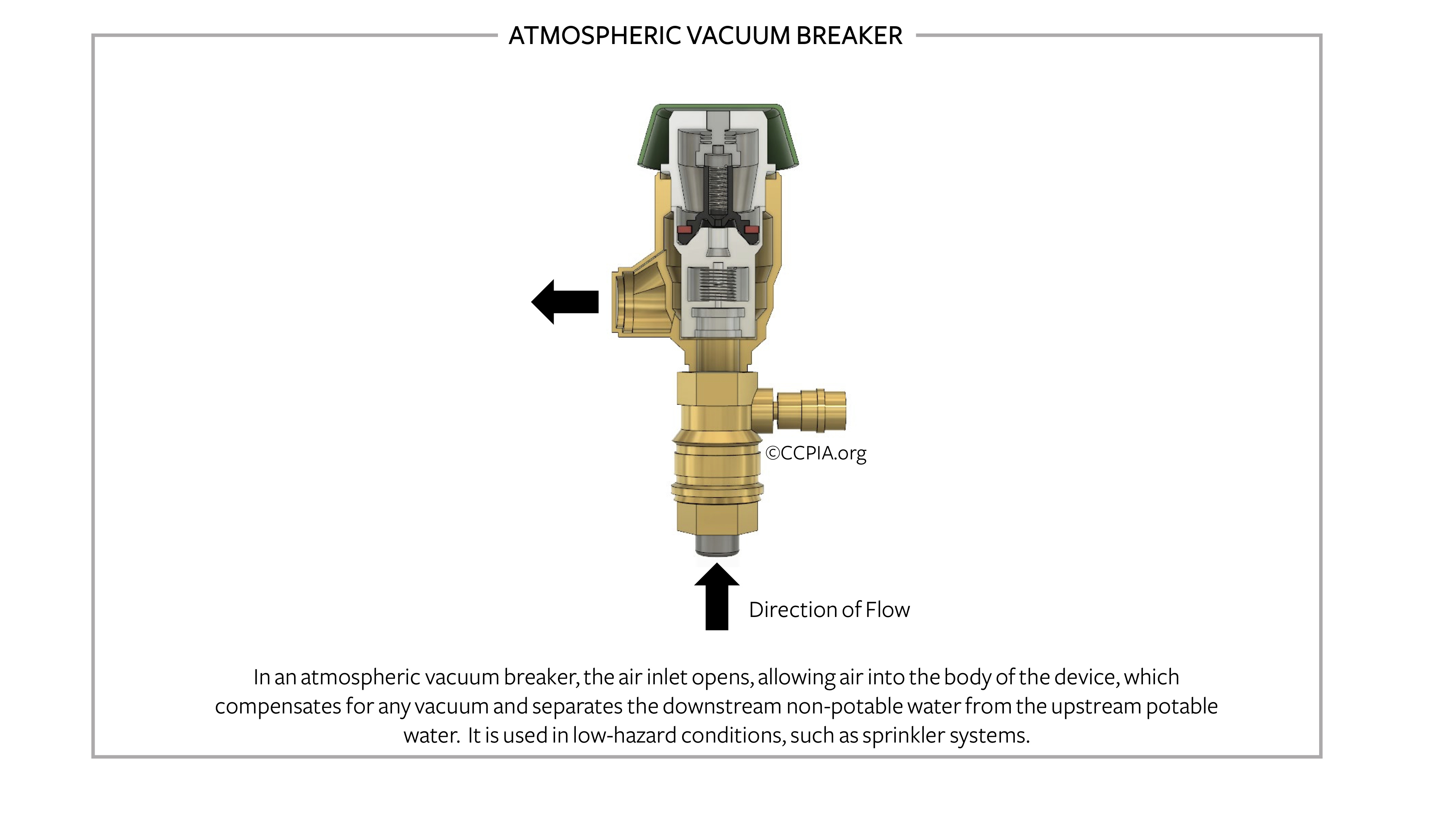
Question 3: How does an atmospheric vacuum breaker (AVB) actually work? Can you explain the mechanics?
The atmospheric vacuum breaker (AVB) is a simple yet effective device. Here's a breakdown of its mechanics:
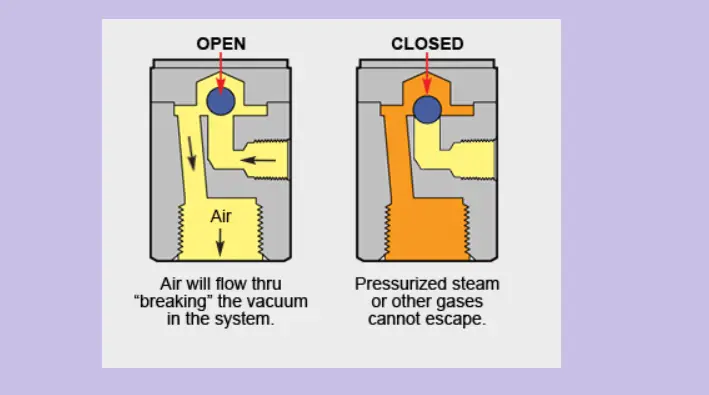
- Normal Operation (Positive Pressure): When the water pressure is normal (positive pressure), the water flows through the AVB's valve body. A poppet or disc within the AVB is held open by the incoming water pressure, allowing the water to pass through to the outlet.
- Vacuum Occurs (Negative Pressure): If the water pressure drops significantly, creating a vacuum in the supply line, the poppet or disc drops. This dropping action simultaneously seals the outlet port (preventing backflow) and opens an air inlet to the atmosphere.
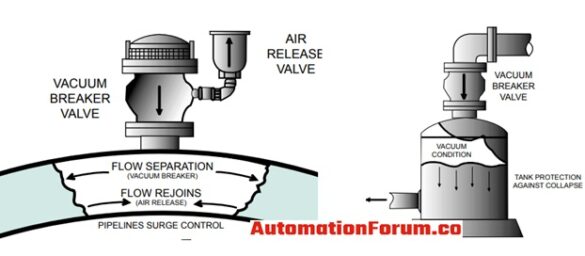
- Air Inlet Opens: The opening of the air inlet is crucial. By introducing air into the pipe, it breaks the siphon effect, preventing any contaminated water downstream from being sucked back into the potable water system.
- No Backflow: The combination of the sealed outlet and the open air inlet effectively prevents any backflow from occurring. The negative pressure is relieved by drawing in air, not by drawing water from the downstream source.
In essence, the AVB relies on gravity and atmospheric pressure to function. It's a mechanical device that responds automatically to changes in water pressure.
Important Note: AVBs must be installed vertically and above the highest point of use to function correctly. The air inlet needs to be unobstructed to allow air to enter freely.
Question 4: What are the different types of vacuum breakers, and which one is right for my situation?
While the atmospheric vacuum breaker (AVB) is common, several types of backflow preventers exist, each suited for different applications and levels of backflow risk:
- Atmospheric Vacuum Breaker (AVB): As described above, this is the simplest type. It's suitable for low-hazard applications like outdoor faucets and requires vertical installation above the highest point of use. It cannot be used under continuous pressure.
- Pressure Vacuum Breaker (PVB): A PVB is designed for higher-hazard applications and can be installed under continuous pressure. It contains a spring-loaded check valve and an air inlet valve. If the pressure drops or back-siphonage occurs, the air inlet valve opens, breaking the vacuum. PVBs require testing and certification.
- Double Check Valve Assembly (DCVA): This assembly consists of two independently operating check valves. It provides a higher level of protection than a single check valve and is suitable for medium-hazard applications. It doesn't have an air inlet and requires regular testing.
- Reduced Pressure Zone (RPZ) Valve: The RPZ valve offers the highest level of protection against backflow. It has two independently operating check valves and a pressure-regulated zone between them. If either check valve fails, the water in the reduced pressure zone is discharged to the atmosphere through a relief valve. RPZ valves are used for high-hazard applications and require regular testing and certification.
- Hose Bibb Vacuum Breaker: Typically a screw-on AVB that attaches directly to an outdoor faucet. Provides basic backflow protection for garden hoses.
Choosing the Right Type:
- For simple garden hoses, a hose bibb vacuum breaker is usually sufficient.
- For irrigation systems, a PVB or RPZ valve is often required, depending on the potential hazards.
- For indoor plumbing, integrated AVBs in toilets and dishwashers are common.
- For high-hazard industrial applications, an RPZ valve is generally recommended.
Consult a licensed plumber to determine the appropriate type of backflow preventer for your specific situation and to ensure it's installed correctly and complies with local plumbing codes.
Question 5: How do I maintain a vacuum breaker, and how do I know if it's failing?
Proper maintenance is crucial to ensure your vacuum breaker functions correctly. Here's what you need to know:
Maintenance Tips:
- Regular Inspection: Visually inspect your vacuum breakers periodically (at least twice a year) for signs of damage, corrosion, or leaks.
- Winterization: In cold climates, protect outdoor vacuum breakers from freezing temperatures. Disconnect hoses, drain the vacuum breaker, and insulate it if necessary. Freezing can damage the internal components.
- Cleaning: Remove any debris or obstructions from the air inlet of AVBs. Clean the inlet with a soft brush if needed.
- Testing (for PVBs, DCVAs, and RPZ valves): These types of backflow preventers require regular testing by a certified technician. The frequency of testing varies depending on local regulations, but it's typically done annually.
Signs of a Failing Vacuum Breaker:
- Leaks: Water leaking from the vacuum breaker, especially from the air inlet, is a common sign of a problem.
- Water Hammer: Loud banging or knocking noises in your pipes when you turn on or off a faucet can indicate a faulty vacuum breaker.
- Backflow: If you suspect backflow is occurring (e.g., discolored water or an unusual taste in your water), the vacuum breaker may be failing.
- Corrosion: Rust or corrosion on the vacuum breaker can weaken its components and lead to failure.
- Visible Damage: Cracks or other physical damage to the vacuum breaker body or components are clear indicators of a problem.
What to Do If You Suspect a Failure:
- Turn off the water supply to the affected area to prevent further backflow.
- Contact a licensed plumber to inspect and repair or replace the vacuum breaker.
- Do not attempt to repair PVBs, DCVAs, or RPZ valves yourself. These require specialized knowledge and tools.
Question 6: Can I install a vacuum breaker myself, or do I need a professional plumber?
Whether you can install a vacuum breaker yourself depends on the type of vacuum breaker and your plumbing skills.
DIY-Friendly Installations:
- Hose Bibb Vacuum Breakers: These are generally easy to install. Simply screw them onto the outdoor faucet. Make sure the connection is tight to prevent leaks.
- Replacing an Existing AVB: If you're simply replacing an existing AVB with the same type, and the plumbing connections are straightforward, you might be able to do it yourself. However, ensure you turn off the water supply first and follow the manufacturer's instructions carefully.
Professional Installation Recommended:
- PVBs, DCVAs, and RPZ Valves: These require specialized knowledge, tools, and testing procedures. Installation and testing must be done by a certified plumber to ensure proper function and compliance with local codes.
- Any New Plumbing: If you're installing a vacuum breaker as part of a new plumbing installation, it's best to hire a professional to ensure it's done correctly and meets all code requirements.
- Unsure of Your Skills: If you're not comfortable working with plumbing or are unsure about any aspect of the installation, it's always best to err on the side of caution and hire a professional. Improper installation can lead to backflow, water damage, and potential health hazards.
Remember to always check your local plumbing codes before starting any plumbing work. Some jurisdictions require a permit for certain types of plumbing installations.
Question 7: Where can I find more information about local codes and regulations regarding backflow prevention?
Ensuring compliance with local codes and regulations is crucial for protecting your water supply and avoiding potential fines. Here's how to find more information:
- Local Plumbing Codes: Your city or county's building or plumbing department is the primary source for local plumbing codes. You can often find these codes online on the department's website or by contacting them directly. Look for sections related to backflow prevention, cross-connection control, and water quality.
- State Plumbing Codes: In some states, there are statewide plumbing codes that supersede local codes. Check your state's government website for information on plumbing regulations.
- Water Utility Company: Your local water utility company often has information on backflow prevention requirements and may offer resources or programs to help customers comply with regulations. They may also conduct cross-connection surveys to identify potential backflow risks.
- Licensed Plumbers: A licensed plumber is a valuable resource for understanding local codes and regulations. They are familiar with the requirements and can ensure your plumbing systems comply with all applicable rules.
- Professional Organizations: Organizations like the American Society of Plumbing Engineers (ASPE) and the International Association of Plumbing and Mechanical Officials (IAPMO) provide resources and training on plumbing codes and best practices.
Key Things to Look For in Local Codes:
- Types of backflow preventers required for different applications.
- Installation requirements, including height, location, and accessibility.
- Testing and certification requirements for certain types of backflow preventers.
- Cross-connection control programs and requirements for inspections and surveys.
By proactively seeking information and complying with local codes, you can ensure the safety and integrity of your water supply.