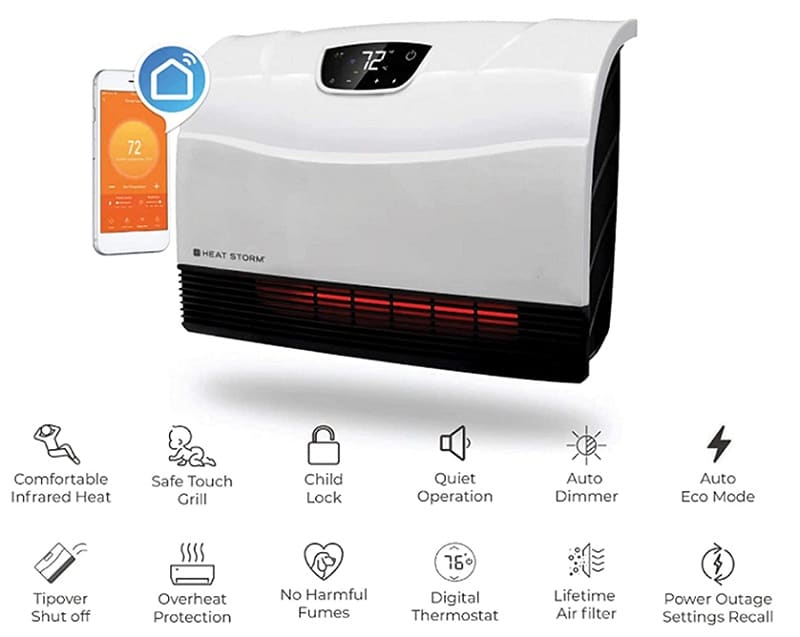
How Does A Wall Heater Work
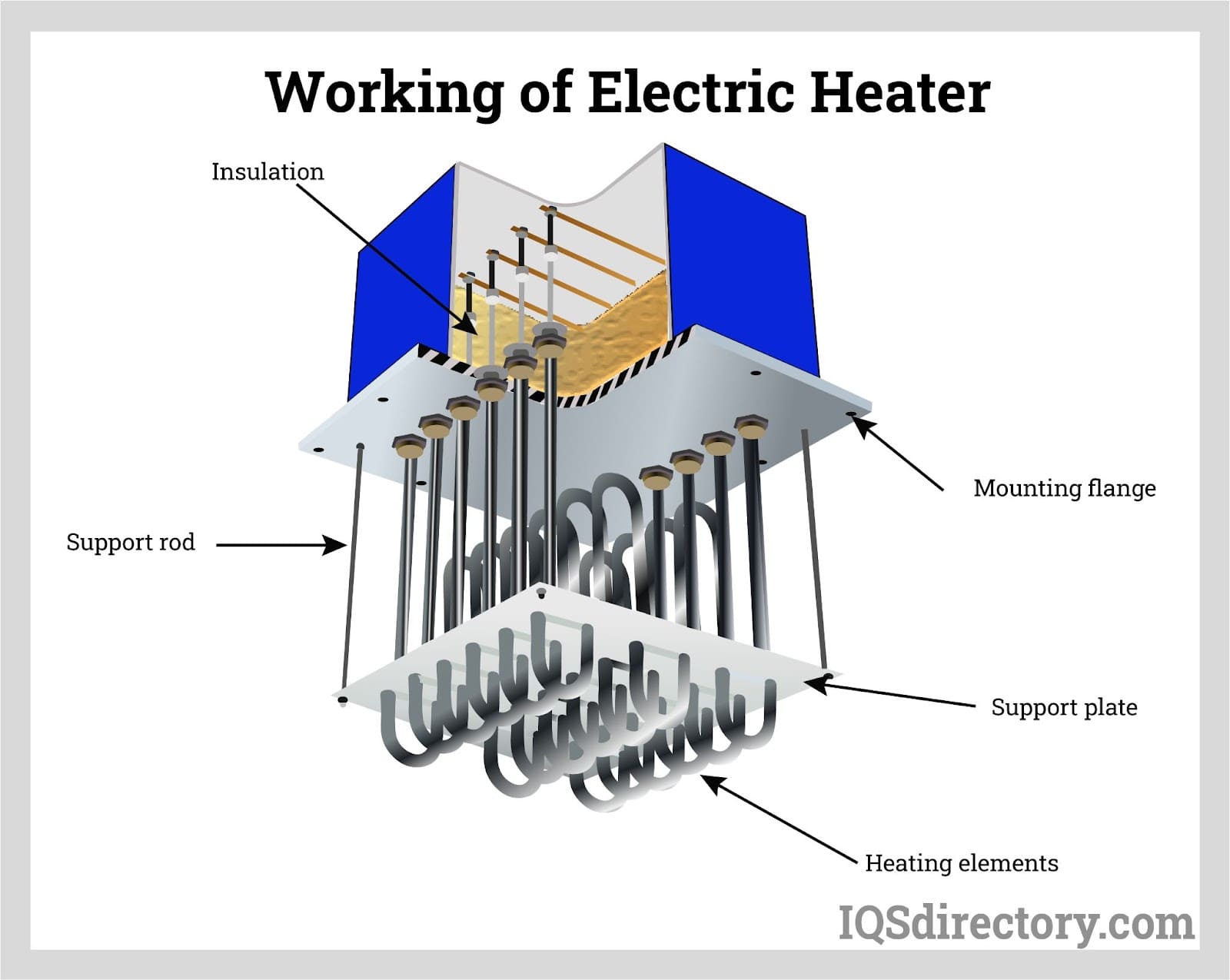
Unveiling the Inner Workings of Wall Heaters: A Comprehensive Guide
Wall heaters offer a compact and often cost-effective solution for heating individual rooms or smaller spaces. Understanding how they operate is crucial for homeowners, real estate investors, and contractors alike when deciding on the best heating option. This guide delves into the mechanics of wall heaters, exploring their different types, efficiency ratings, installation, and maintenance needs.
The Fundamental Principle: Resistance Heating
At their core, most wall heaters operate on the principle of resistance heating. This involves passing an electrical current through a resistive element, typically a coiled metal wire. As the current flows, the wire heats up, radiating thermal energy into the surrounding environment. This radiant heat warms objects and people directly in its path, creating a comfortable and localized heating effect.
Types of Wall Heaters
While the basic principle remains the same, wall heaters come in various forms, each with its own set of advantages and disadvantages.
Electric Resistance Wall Heaters
These are the most common type of wall heater. They are relatively inexpensive to purchase and install, making them a popular choice for supplemental heating. Within this category, there are two primary subtypes:
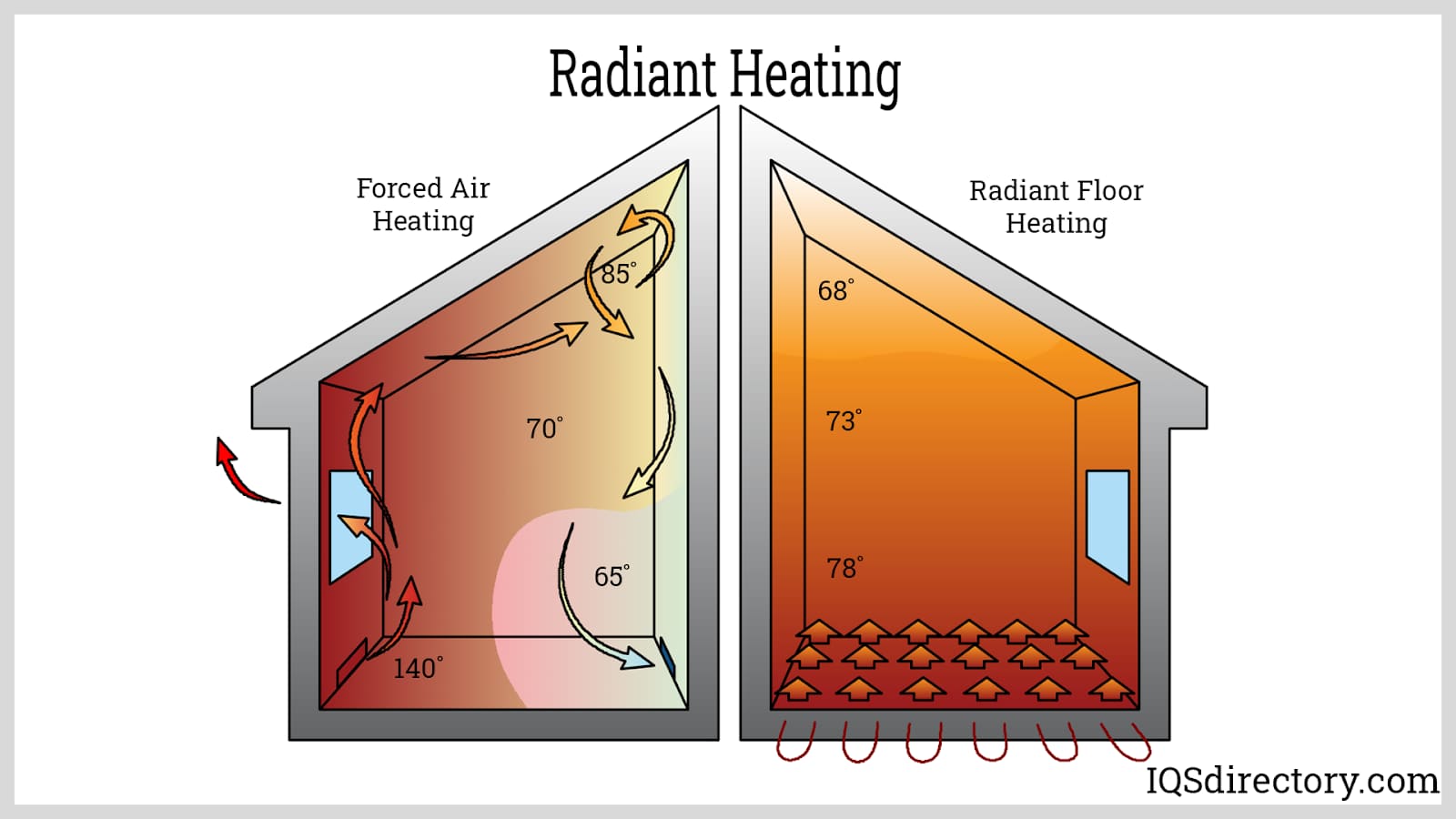
- Forced-Air Wall Heaters: These heaters utilize a fan to blow air across the heated element, distributing warm air more quickly and evenly throughout the room. They are generally more effective at heating larger spaces than radiant heaters.
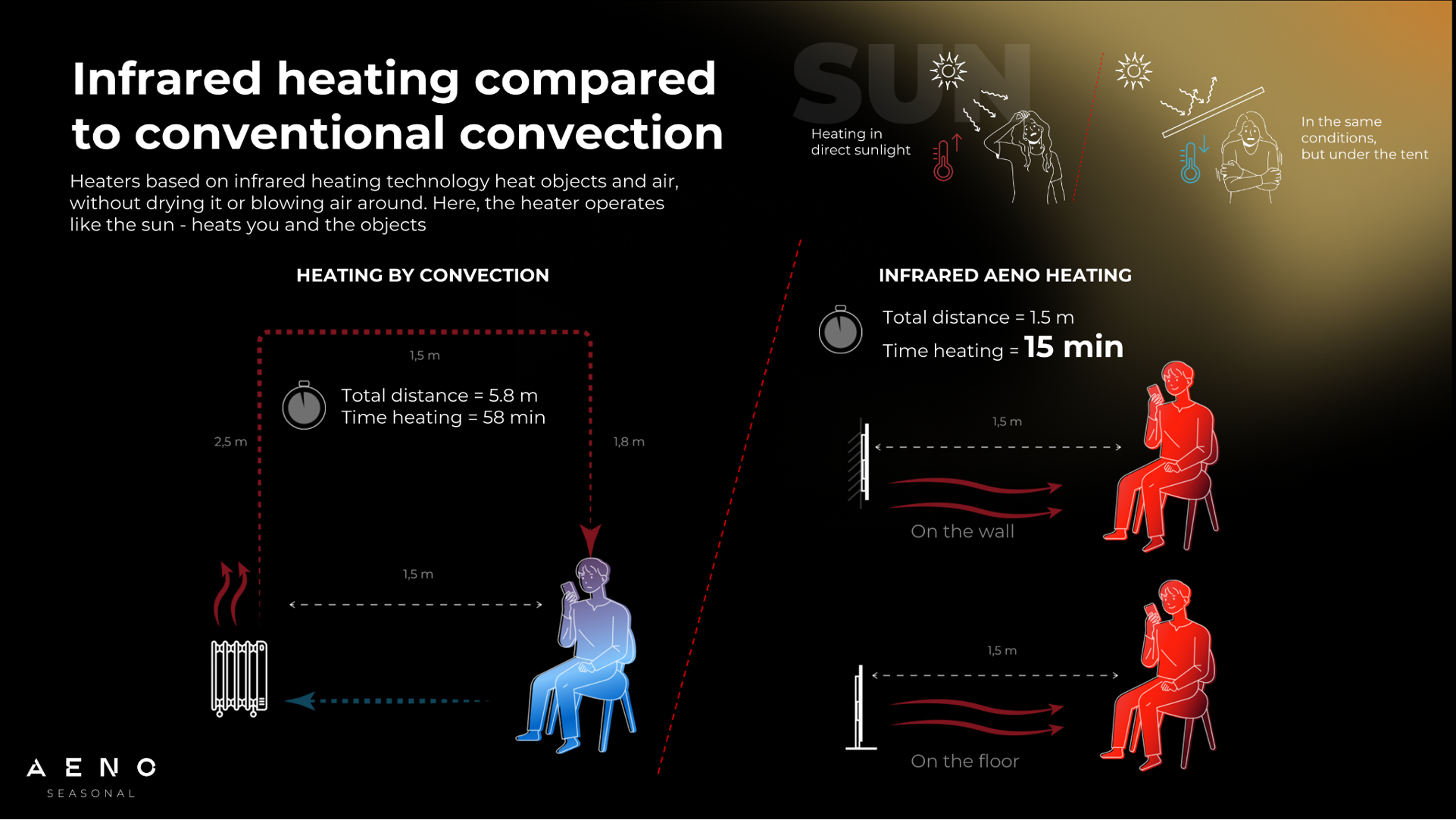
- Radiant Wall Heaters: Radiant heaters emit infrared radiation, which directly heats objects and people in their line of sight. They are quieter than forced-air heaters and provide a more focused, localized warmth.
Pros: Low initial cost, easy installation (often DIY), relatively quiet operation (radiant models).
Cons: Can be energy-intensive, potential for uneven heating (radiant models), may dry out the air.
Hydronic Wall Heaters
Hydronic wall heaters, also known as hot water wall heaters, circulate hot water through a radiator-like element. This hot water is typically heated by a central boiler or a tankless water heater. Hydronic systems offer a more consistent and comfortable heat than electric resistance heaters.
Pros: More even and consistent heating, potentially lower operating costs (depending on the primary heating source), less drying effect on the air.
Cons: Higher initial cost, require professional installation, dependent on a central heating system.
Propane and Natural Gas Wall Heaters
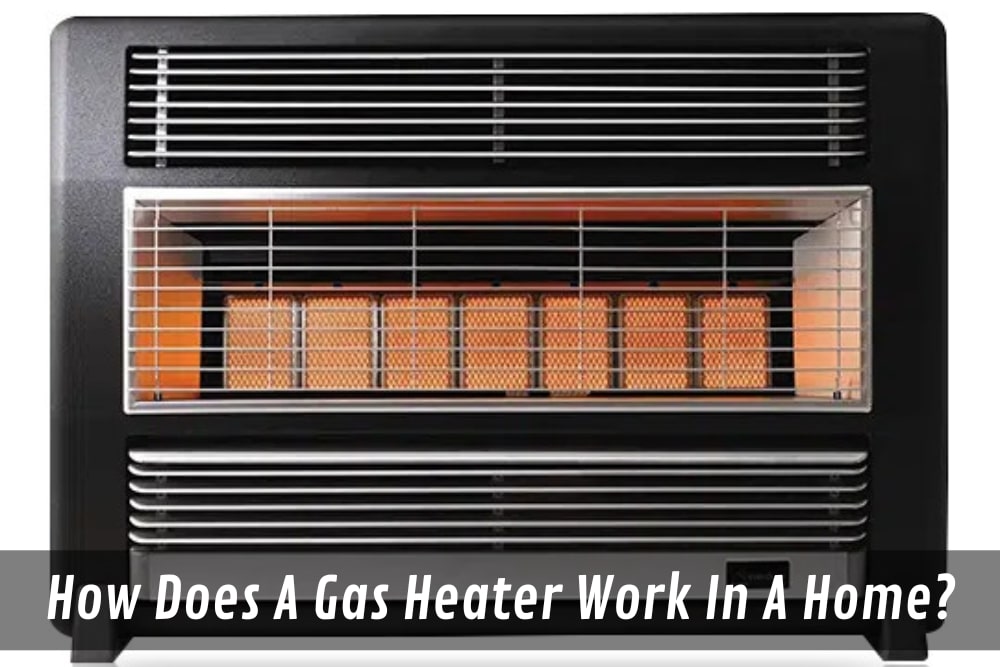
These heaters burn propane or natural gas to generate heat. They typically vent exhaust gases outside the building, requiring professional installation. They are a good option for areas where electricity is expensive or unreliable.
Pros: Can be more energy-efficient than electric resistance heaters, provide a significant amount of heat.
Cons: Require professional installation and venting, potential safety hazards (carbon monoxide), may be subject to local regulations.
Key Features to Consider
When selecting a wall heater, consider the following features:
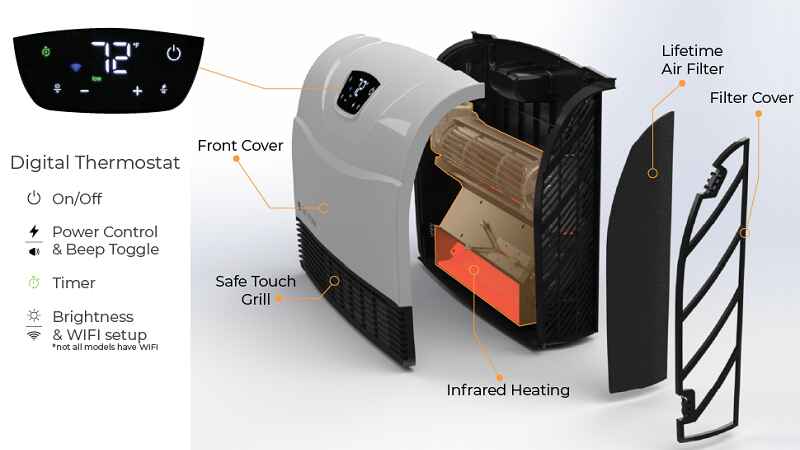
- Thermostat: A thermostat allows you to control the temperature of the room and maintain a comfortable level of warmth. Look for models with programmable thermostats for added energy savings.
- Safety Features: Overheat protection and tip-over shut-off are essential safety features, especially for electric heaters. Gas heaters should have carbon monoxide detectors.
- Fan Speed Settings (Forced-Air Heaters): Multiple fan speed settings allow you to adjust the airflow and heating intensity.
- Timer: A timer allows you to set the heater to turn on and off at specific times, saving energy and ensuring a warm room when you need it.
- Remote Control: A remote control adds convenience, allowing you to adjust the settings from across the room.
Efficiency Ratings: Understanding AFUE, SEER, and HSPF
While AFUE (Annual Fuel Utilization Efficiency), SEER (Seasonal Energy Efficiency Ratio), and HSPF (Heating Seasonal Performance Factor) are primarily used for furnaces, air conditioners, and heat pumps respectively, they are not directly applicable to most wall heaters. Electric resistance wall heaters are considered 100% efficient in converting electricity to heat at the point of use. However, the overall cost depends on the price of electricity. Natural gas and propane heaters will have AFUE ratings, indicating how efficiently they burn fuel to generate heat.
Generally, electric resistance heaters are the least efficient due to the high cost of electricity compared to natural gas or propane. A gas wall heater with a high AFUE rating (e.g., 80% or higher) will typically be more economical to operate than an electric resistance heater, depending on fuel and electricity prices.
Installation and Maintenance
Installation requirements vary depending on the type of wall heater. Electric resistance heaters are often relatively easy to install, requiring only basic wiring and mounting skills. However, it's always best to consult with a qualified electrician if you're unsure about the wiring process.
Hydronic and gas wall heaters require professional installation to ensure proper connections, venting, and safety. Improper installation can lead to leaks, carbon monoxide poisoning, and other hazards.
Maintenance for wall heaters is generally minimal. Regularly clean the heater to remove dust and debris, which can reduce its efficiency and lifespan. Inspect the wiring and connections periodically for any signs of damage. For gas heaters, schedule annual inspections by a qualified technician to ensure proper operation and safety.
Popular Brands and Models
The market offers a wide array of wall heater brands and models. Here are a few popular examples:
- Cadet Manufacturing: Cadet is a well-known brand offering a range of electric wall heaters, including both forced-air and radiant models. They are known for their durability and affordability. For example, the Cadet Com-Pak Bath Heater is a popular choice for bathrooms due to its compact size and quiet operation.
- King Electric: King Electric is another reputable brand that specializes in electric heating solutions. They offer a variety of wall heaters with different features and wattage options. The King Electric W Series Wall Heater is a durable option that features a high-limit safety switch.
- Rinnai: Rinnai is a leading manufacturer of gas appliances, including tankless water heaters and gas wall heaters. Their gas wall heaters are known for their efficiency and advanced features.
- Williams Comfort Products: Williams offers a range of gas and electric wall heaters known for their reliability and performance.
Pricing Considerations
The cost of a wall heater can vary significantly depending on the type, size, features, and brand. Electric resistance wall heaters typically range from $50 to $200. Hydronic and gas wall heaters are generally more expensive, ranging from $200 to $1000 or more, depending on the complexity of the installation.
In addition to the purchase price, consider the installation costs. Electric resistance heaters can often be installed DIY, while hydronic and gas heaters require professional installation, which can add several hundred dollars to the total cost.
Finally, factor in the operating costs. Electric resistance heaters can be expensive to run, especially if electricity rates are high. Hydronic and gas heaters may be more economical in the long run, depending on the price of fuel and electricity.
Warranties and Support
Most wall heaters come with a manufacturer's warranty, which typically covers defects in materials and workmanship. The warranty period can range from one year to several years, depending on the brand and model. Be sure to read the warranty terms carefully before purchasing a wall heater.
In addition to the manufacturer's warranty, many retailers offer extended warranties or service plans. These plans can provide additional coverage for repairs or replacements, but they may also come with restrictions and exclusions.
Conclusion: Choosing the Right Wall Heater for Your Needs
Selecting the right wall heater requires careful consideration of your individual needs and circumstances. Consider the size of the room you need to heat, your budget, your energy costs, and your installation capabilities. By understanding the different types of wall heaters, their features, and their operating costs, you can make an informed decision that will provide you with comfortable and efficient heating for years to come.