How Does A Water Boiler Work
Understanding the Inner Workings of a Water Boiler: A Comprehensive Guide for HVAC Professionals and Enthusiasts
Water boilers are a cornerstone of heating systems in residential, commercial, and industrial settings. While often overshadowed by furnaces in some regions, boilers offer efficient and reliable heat distribution, making them a vital part of the HVAC landscape. This article provides a detailed look at how water boilers function, covering essential components, operational principles, career paths, and industry trends related to this technology.
The Fundamentals: How Water Boilers Generate Heat
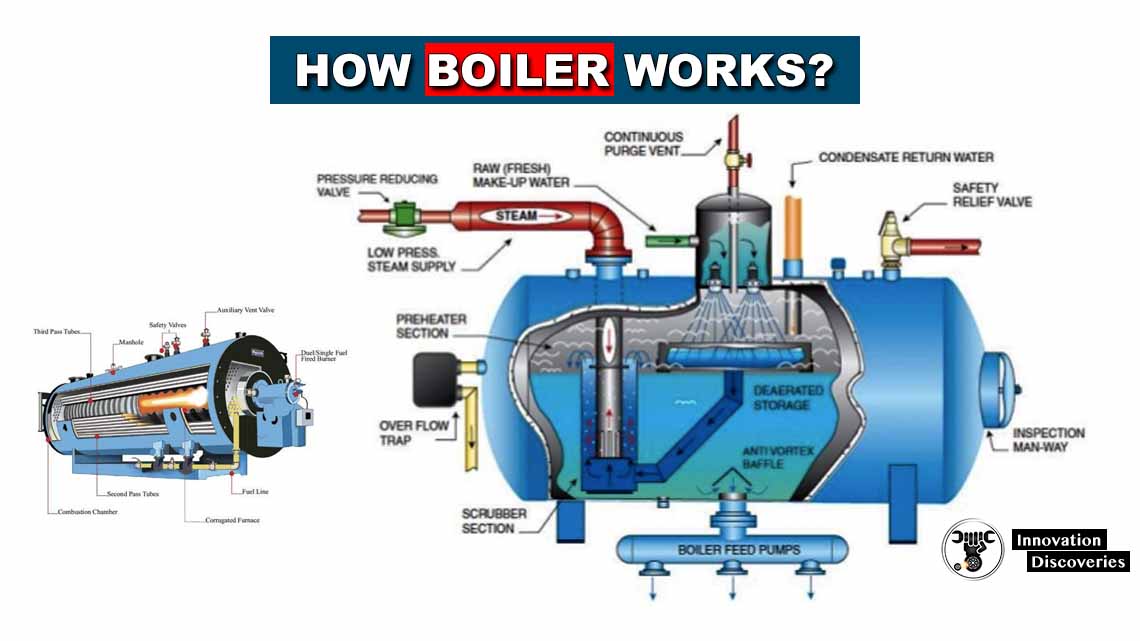
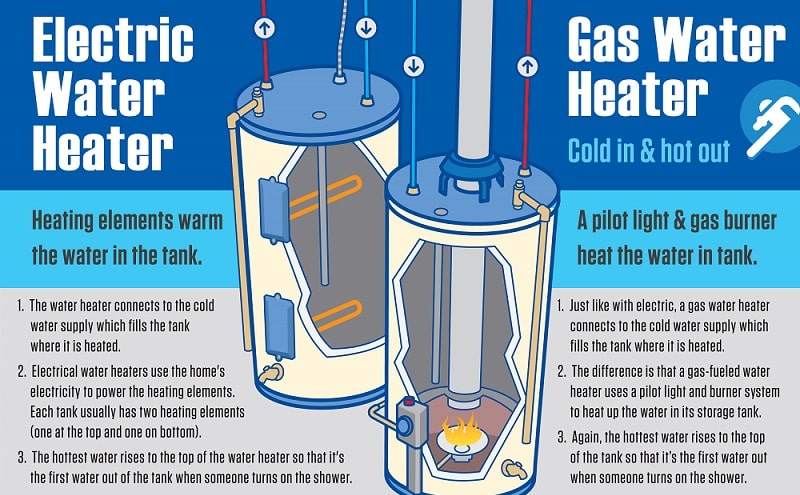
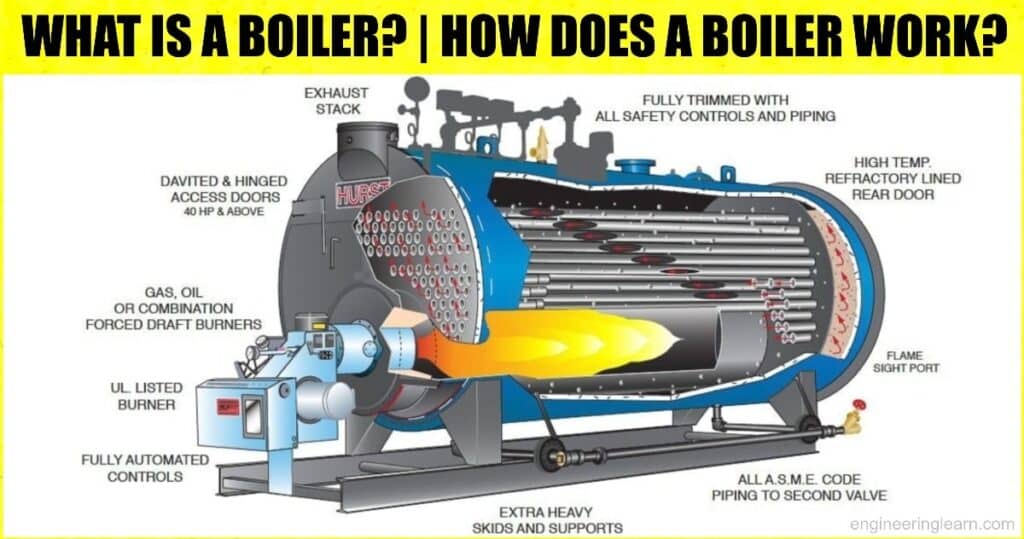
At its core, a water boiler is a closed vessel designed to heat water. Unlike steam boilers, which generate steam for heating, water boilers circulate hot water through a closed-loop system to provide warmth. The process generally involves these key steps:
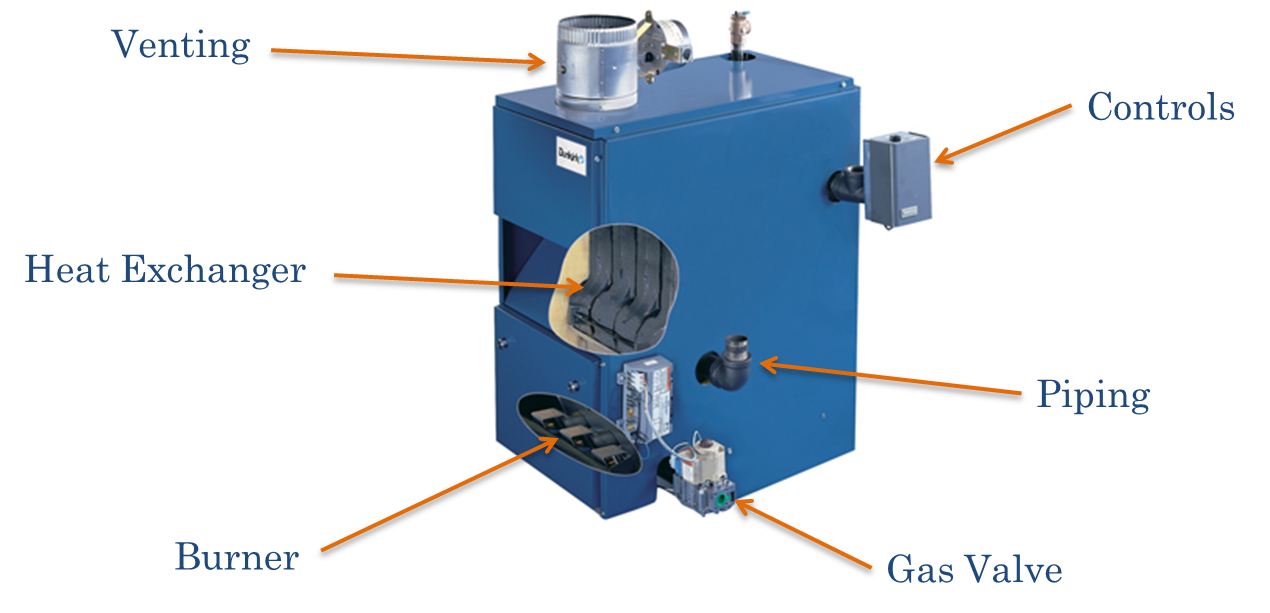
- Combustion: Fuel, typically natural gas, propane, or oil, is burned within a combustion chamber. Modern boilers often incorporate advanced burner technologies to maximize fuel efficiency and minimize emissions.
- Heat Exchanger: The heat generated from combustion is transferred to water circulating through a heat exchanger. This component is crucial for efficient heat transfer and is designed to maximize surface area exposure.
- Water Circulation: A circulating pump, often called a circulator, forces the heated water through a network of pipes to radiators, baseboard heaters, or radiant floor systems.
- Heat Emission: Radiators, baseboards, or radiant floors release heat into the living space, warming the environment.
- Return Cycle: After releasing its heat, the cooled water returns to the boiler to be reheated, completing the cycle.
Key Components of a Water Boiler System
A water boiler system comprises several essential components working in harmony. Understanding each component's function is crucial for effective troubleshooting and maintenance:
- Boiler Unit: The core component responsible for heating the water.
- Burner: Ignites the fuel and controls the combustion process.
- Heat Exchanger: Facilitates the transfer of heat from combustion gases to the water.
- Circulating Pump (Circulator): Propels the heated water through the distribution system.
- Expansion Tank: Accommodates the expansion and contraction of water as it heats and cools, preventing pressure buildup.
- Pressure Relief Valve: A safety device that releases excess pressure to prevent explosions.
- Low Water Cut-Off (LWCO): Shuts down the boiler if the water level drops too low, preventing damage to the heating element.
- Thermostat: Senses the room temperature and signals the boiler to turn on or off to maintain the desired temperature.
- Piping and Fittings: The network of pipes that transport hot water to and from the boiler and the heating elements.
Types of Water Boilers: Efficiency and Application
Water boilers come in various types, each with its own advantages and disadvantages. The most common types include:
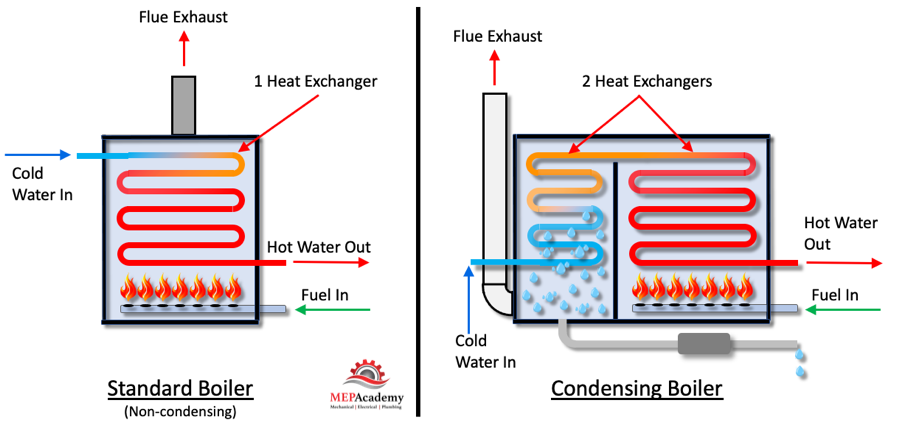
- Conventional Boilers: Also known as atmospheric boilers, these are the traditional type, typically less efficient than newer models.
- High-Efficiency Boilers: Often referred to as condensing boilers, these models extract more heat from the combustion gases, resulting in higher efficiency (typically 90% AFUE or higher). They achieve this by condensing water vapor in the exhaust gases and recovering the latent heat. Condensing boilers are becoming increasingly popular due to their energy savings.
- Combi Boilers: Combine heating and domestic hot water production in a single unit, saving space and installation costs.
The Annual Fuel Utilization Efficiency (AFUE) rating is a key metric for comparing boiler efficiency. A higher AFUE rating indicates a more efficient boiler, translating to lower energy bills.
Troubleshooting Common Boiler Issues
HVAC technicians frequently encounter common issues with water boilers. These can range from simple problems like airlocks to more complex issues such as burner malfunctions. Here are some typical problems and their potential solutions:
- No Heat: Check the thermostat, power supply, gas supply, and circulating pump. A faulty thermostat or pump may be the culprit.
- Low Water Pressure: Add water to the system to increase pressure. Investigate for leaks in the system.
- Strange Noises: Gurgling sounds often indicate air in the system. Bleed the radiators to remove trapped air. Banging sounds could indicate scale buildup in the heat exchanger.
- Pilot Light Issues: Clean the pilot light assembly. A thermocouple may need replacement.
- Leaking: Inspect pipes, fittings, and the boiler itself for leaks. Tighten connections or replace damaged components.
Career Paths in Water Boiler Technology: Opportunities and Requirements
The demand for skilled HVAC technicians with expertise in water boiler systems is consistently strong. According to the Bureau of Labor Statistics, the job outlook for HVAC mechanics and installers is projected to grow 6 percent from 2022 to 2032, about as fast as the average for all occupations. About 38,000 openings for HVAC mechanics and installers are projected each year, on average, over the decade. The median annual wage for HVAC mechanics and installers was $59,620 in May 2023.
Several career paths exist within the field, including:
- HVAC Technician: Install, maintain, and repair water boilers and related heating systems.
- HVAC Installer: Focus on the installation of new water boiler systems.
- HVAC Service Technician: Specialize in troubleshooting and repairing existing boiler systems.
- HVAC Sales Engineer: Design and sell water boiler systems to commercial and industrial clients.
To excel in these roles, individuals typically need a combination of formal education, on-the-job training, and relevant certifications.
Essential Certifications for Boiler Technicians
Certifications demonstrate competency and enhance career prospects. Key certifications for water boiler technicians include:
- NATE (North American Technician Excellence): A widely recognized certification that validates HVAC technical knowledge and skills. Specializations include gas heating, oil heating, and hydronics.
- EPA 608 Certification: Required for technicians who handle refrigerants, which may be relevant for some boiler systems that incorporate cooling components.
- Boiler Operator Licenses: Many states and municipalities require boiler operators to be licensed, especially for larger commercial and industrial systems. These licenses often require specific training and experience.
Obtaining these certifications not only validates your skills but also demonstrates your commitment to professional development, increasing your earning potential and career opportunities. Entry-level HVAC technicians can expect to earn around $35,000 - $45,000 per year, while experienced technicians with certifications and specialized skills can earn upwards of $70,000 - $90,000 annually.
The Future of Water Boiler Technology: Trends and Innovations
The HVAC industry is constantly evolving, and water boiler technology is no exception. Several trends are shaping the future of this field:
- Increased Efficiency: Manufacturers are continuously developing more efficient boilers with advanced heat exchanger designs and modulating burners.
- Smart Technology Integration: Boilers are increasingly being integrated with smart thermostats and home automation systems, allowing for remote control and energy optimization.
- Renewable Energy Integration: Boilers are being combined with renewable energy sources such as solar thermal and geothermal to create more sustainable heating systems.
- Improved Diagnostics: Modern boilers often incorporate advanced diagnostic capabilities, making troubleshooting easier and faster.
Staying abreast of these trends is essential for HVAC professionals to remain competitive and provide cutting-edge solutions to their clients.
Real-World Career Examples
Consider the career trajectory of *Maria Rodriguez*, a recent graduate of an HVAC technical school. Maria started as an apprentice at a local HVAC company, gaining hands-on experience installing and maintaining various heating systems, including water boilers. After completing her apprenticeship and obtaining her NATE certification in gas heating, Maria specialized in boiler repair and maintenance. Her expertise and dedication led to her promotion to lead technician, where she now oversees complex boiler installations and troubleshooting projects. Maria's salary has more than doubled since starting her apprenticeship, a testament to the value of specialized skills and certifications.
Another example is *David Chen*, an experienced HVAC technician who decided to pursue additional training in boiler operation and maintenance. David obtained his Boiler Operator License and transitioned to a role managing the heating systems in a large commercial building. His expertise in boiler efficiency and safety has significantly reduced the building's energy consumption and operating costs, making him a valuable asset to the organization. David's career change demonstrates the importance of continuous learning and adapting to evolving industry needs.
The water boiler industry offers diverse and rewarding career paths for skilled HVAC professionals. By understanding the fundamentals of boiler operation, staying updated on industry trends, and pursuing relevant certifications, individuals can build successful and fulfilling careers in this vital field.