How Does A Water Hammer Arrestor Work

Have you ever heard a loud banging sound coming from your pipes when you turn off a faucet or appliance? That's likely a phenomenon called water hammer, and it's more than just an annoying noise. The sudden stop of water flow can create pressure spikes that damage your plumbing system over time. A water hammer arrestor is a simple device designed to prevent this problem, protecting your pipes, fixtures, and appliances. This article will explore how water hammer arrestors work, the different types available, and why you might need one in your home.
Understanding Water Hammer
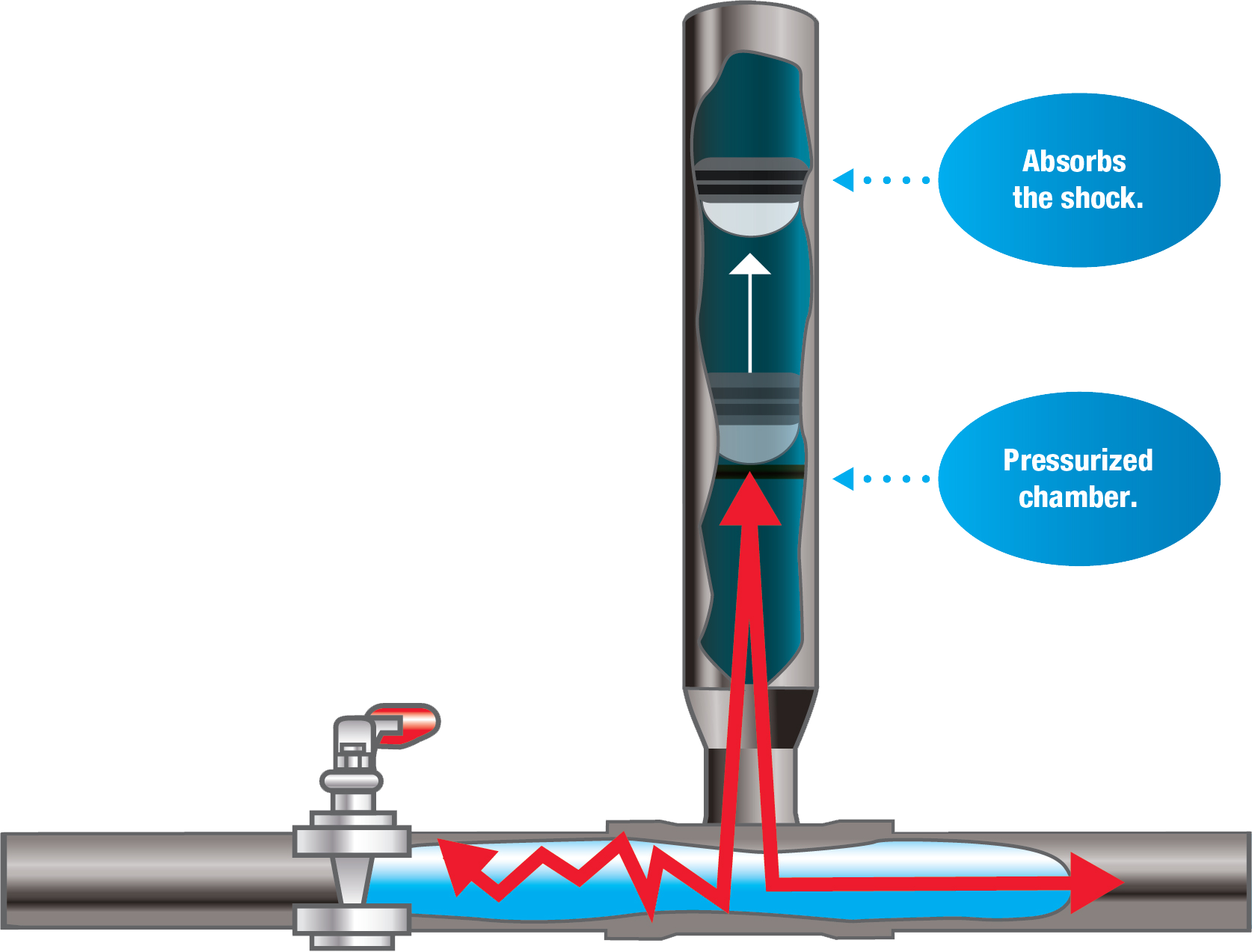
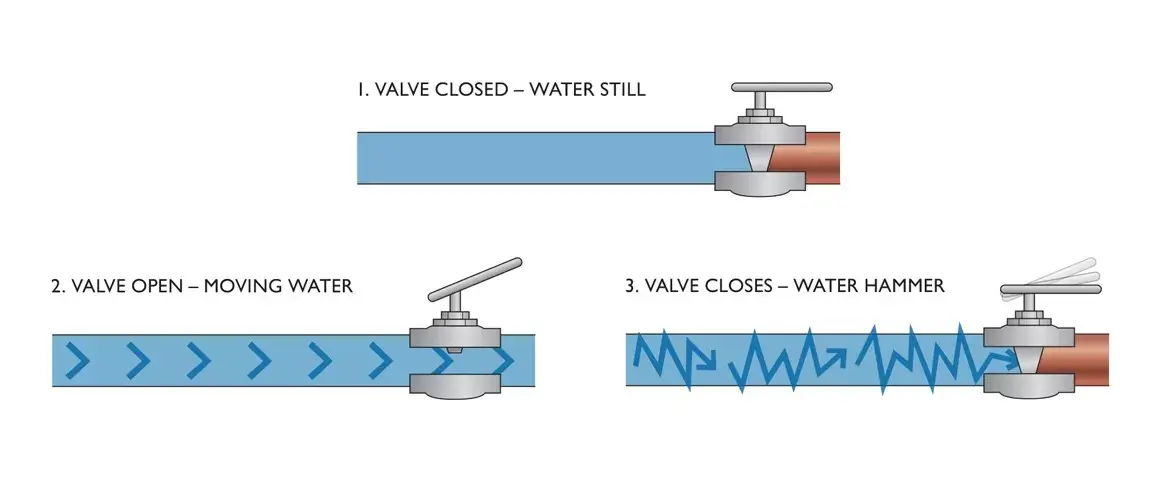
Before diving into arrestors, it’s crucial to understand the cause of water hammer. Imagine water rushing through a pipe at a significant velocity. When you quickly shut off a valve (like a faucet or washing machine solenoid), the moving water is abruptly stopped. This sudden deceleration creates a pressure wave that bounces back through the pipes, causing the characteristic banging sound. The force of this pressure surge can weaken joints, crack pipes, damage valve seats, and even lead to leaks.
The severity of water hammer depends on factors like water pressure, pipe material, the velocity of the water flow, and the length of the pipe run. Homes with long pipe runs, high water pressure, or older, more rigid piping are more susceptible to water hammer issues.
How a Water Hammer Arrestor Works: Absorbing the Shock
A water hammer arrestor works by providing a cushion or space for the water to dissipate its kinetic energy when the flow is suddenly stopped. Think of it like a shock absorber on a car. Instead of the force being transferred directly to the frame (your pipes), it's absorbed by the shock absorber. Arrestors come in different designs, but the principle remains the same: absorb the pressure surge before it damages your plumbing.
The most common type of water hammer arrestor utilizes an air chamber or a spring-loaded piston. Here’s a closer look at how each works:
Air Chamber Arrestors
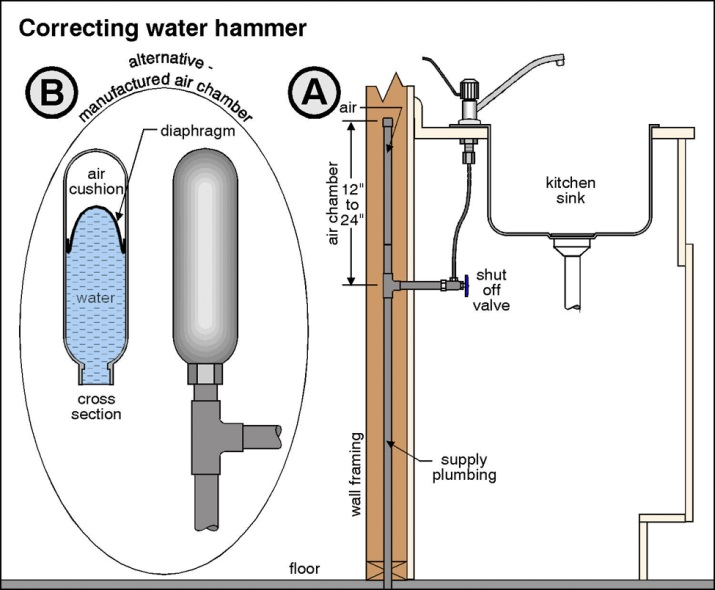
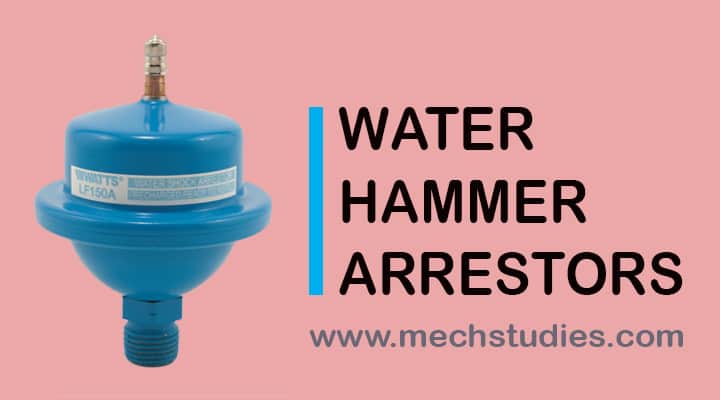
These are the simplest type of arrestors. They consist of a vertical chamber filled with air. When a pressure surge occurs, the water is forced into the chamber, compressing the air. The compressed air acts as a cushion, absorbing the energy of the water hammer. The air chamber gradually releases the pressure, preventing damage to the pipes.
However, air chamber arrestors have a significant drawback. Over time, the air in the chamber can be absorbed by the water, rendering the arrestor ineffective. This is particularly true in systems with high chlorine levels or water softeners. Therefore, air chamber arrestors require periodic recharging or replacement.
Spring-Loaded Piston Arrestors
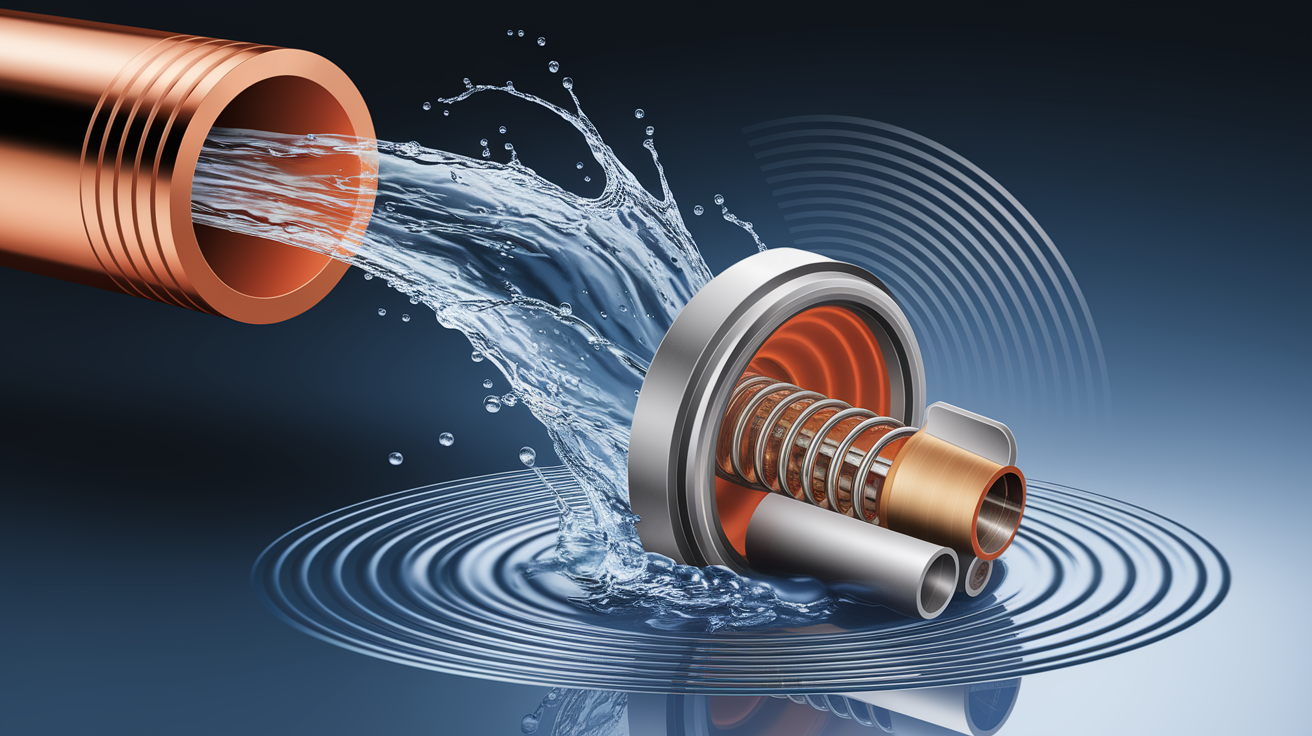
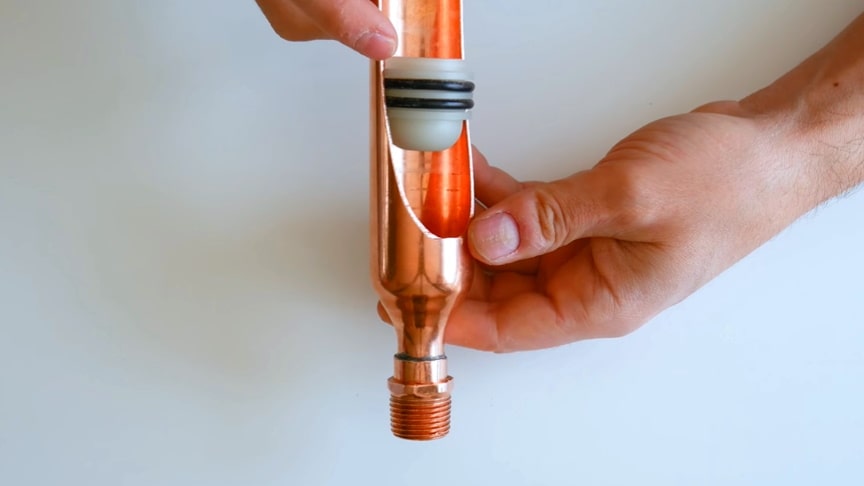
These arrestors use a piston that moves against a spring. When a pressure surge occurs, the water pushes the piston, compressing the spring. The spring absorbs the energy of the water hammer. Once the pressure stabilizes, the spring returns the piston to its original position. Spring-loaded piston arrestors are generally more reliable than air chamber arrestors because they don't rely on air to function. They are also less prone to losing their effectiveness over time.
More sophisticated arrestors may utilize a bladder or diaphragm to separate the water from the air or gas, minimizing the risk of absorption and extending the lifespan of the device. These are often found in commercial or industrial applications.
Types of Water Hammer Arrestors
Water hammer arrestors are classified based on their size and application. They are categorized using a standard developed by the Plumbing-Heating-Cooling Contractors Association (PHCC) called the "size designation." This designation (A, B, C, D, etc.) indicates the arrestor's capacity to handle specific water flow rates and pipe sizes.
- "A" Size Arrestors: These are the smallest and are typically used for individual fixtures like washing machines, dishwashers, and toilets.
- "B" Size Arrestors: Suitable for small groups of fixtures or individual appliances with higher flow rates.
- "C" and Larger Arrestors: Used for main water lines or in commercial and industrial applications to protect entire plumbing systems.
Selecting the correct size arrestor is critical for its effectiveness. Consult with a qualified plumber to determine the appropriate size based on your specific needs and plumbing system characteristics.
Installation Considerations
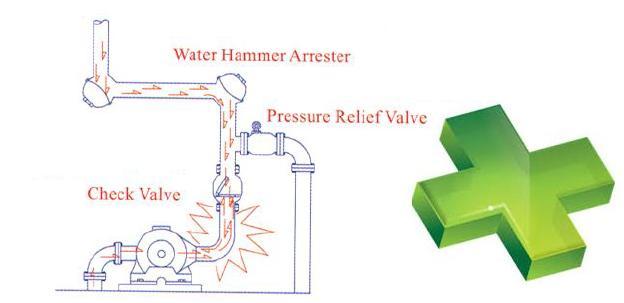
Water hammer arrestors should be installed as close as possible to the fixture or appliance that is causing the water hammer. For washing machines and dishwashers, this usually means installing them directly on the appliance's water supply hoses. For toilets, they can be installed on the fill valve connection. For main water lines, they should be installed near the source of the problem, such as a frequently used valve or a long pipe run.
Professional installation is highly recommended, especially for complex plumbing systems. A plumber can ensure that the arrestors are properly sized, located, and installed according to local plumbing codes. Incorrect installation can render the arrestors ineffective or even damage your plumbing system.
Pros and Cons of Water Hammer Arrestors
Pros:
- Protect your plumbing system: Prevent damage from pressure surges, extending the lifespan of pipes and fixtures.
- Reduce noise: Eliminate the annoying banging sound associated with water hammer.
- Prevent leaks: Protect pipe joints and valve seats from weakening, reducing the risk of leaks.
- Relatively inexpensive: Arrestors are a cost-effective way to prevent potentially expensive plumbing repairs.
- Easy to install (for some applications): Smaller arrestors can be easily installed by homeowners with basic plumbing skills.
Cons:
- Air chamber arrestors require maintenance: Air chambers can lose their air charge over time and need to be recharged or replaced.
- Can be unsightly: Some arrestors, especially larger ones, can be bulky and may not be aesthetically pleasing.
- Incorrect sizing can render them ineffective: Choosing the wrong size arrestor can result in inadequate protection.
- May not solve all water hammer problems: In some cases, other plumbing issues may be contributing to water hammer, requiring additional solutions.
Cost and Maintenance
The cost of a water hammer arrestor varies depending on its size, type, and brand. Small, "A" size arrestors for individual fixtures typically cost between $10 and $30. Larger arrestors for main water lines can cost $50 or more.
Installation costs will depend on the complexity of the job and the hourly rate of your plumber. Simple installations, such as attaching arrestors to washing machine hoses, may cost as little as $50 to $100. More complex installations, such as installing arrestors on main water lines, can cost several hundred dollars.
Maintenance requirements vary depending on the type of arrestor. Air chamber arrestors may need to be recharged periodically to maintain their effectiveness. This typically involves shutting off the water supply to the arrestor and opening a drain valve to allow air to enter the chamber. Spring-loaded piston arrestors generally require minimal maintenance.
Do You Need a Water Hammer Arrestor?
If you experience banging noises in your pipes when you turn off faucets or appliances, you likely have water hammer and should consider installing arrestors. Even if you don't hear any noise, you may still benefit from installing arrestors, especially if you have:
- Older plumbing: Older pipes are more susceptible to damage from pressure surges.
- High water pressure: High water pressure can exacerbate water hammer problems.
- Long pipe runs: Long pipe runs increase the potential for water hammer to occur.
- Expensive plumbing fixtures: Protect your investment in high-end faucets, toilets, and appliances.
Investing in water hammer arrestors is a smart way to protect your plumbing system, reduce noise, and prevent potentially costly repairs. Consult with a qualified plumber to determine the best type and size of arrestors for your specific needs.
Popular Brands and Models
Several reputable brands manufacture water hammer arrestors. Some popular options include:
- Sioux Chief: Known for their durable and reliable arrestors, including the 660 Series Mini-Rester.
- Oatey: Offers a wide range of arrestors for various applications, including the Quiet Pipes Water Hammer Arrestor.
- Watts: Provides high-quality arrestors with advanced features, such as the Intellitrol WH Series.
- Zurn: A leading manufacturer of plumbing products, including reliable water hammer arrestors for commercial and residential use.
When choosing a brand and model, consider factors such as the arrestor's size designation, material, warranty, and customer reviews.
By understanding how water hammer arrestors work and selecting the right type for your needs, you can protect your plumbing system and enjoy peace of mind.