How Does A Whole Home Dehumidifier Work
Imagine this: You walk into your home, expecting a haven of comfort, but instead you're greeted by a damp, musty smell. Your windows are fogged, and you can practically feel the humidity clinging to your skin. This is a common problem for homeowners, especially during humid seasons, and it often points to an issue with your whole-home dehumidifier.
A whole-home dehumidifier is a fantastic appliance, silently working to maintain a comfortable and healthy indoor environment. But like any mechanical system, it can sometimes malfunction. Don't panic! Before you call a professional, let's walk through some common problems and simple DIY fixes. This guide will help you diagnose the issue and potentially save you time and money.
Understanding How Your Dehumidifier Works
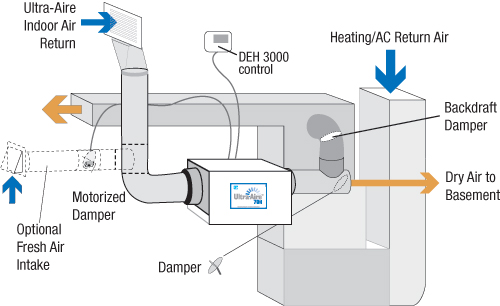
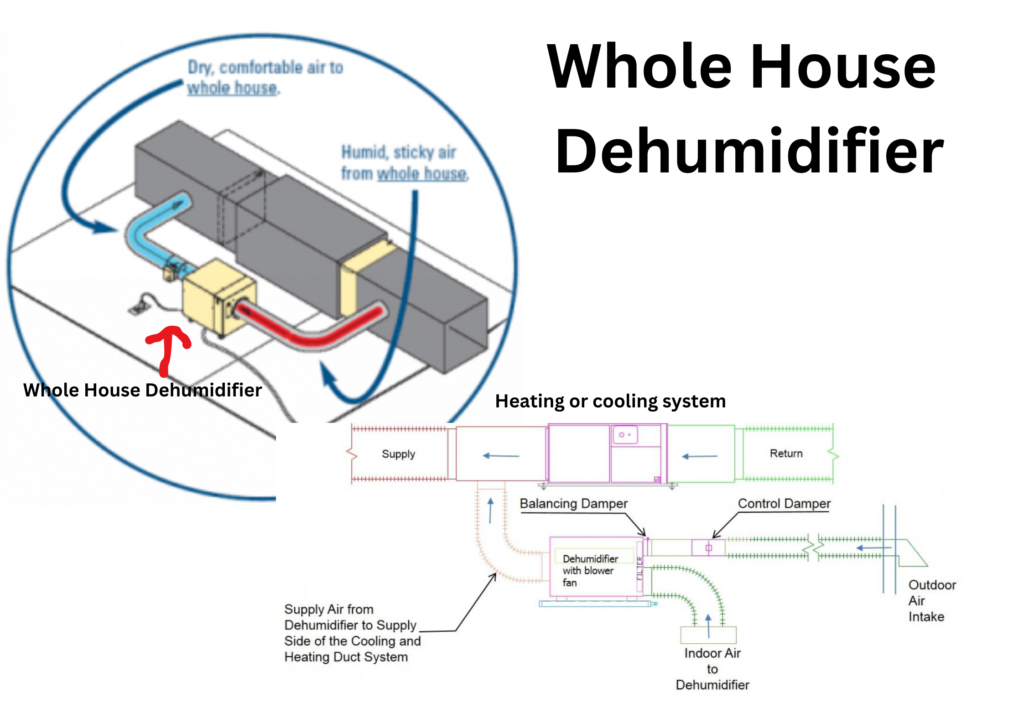
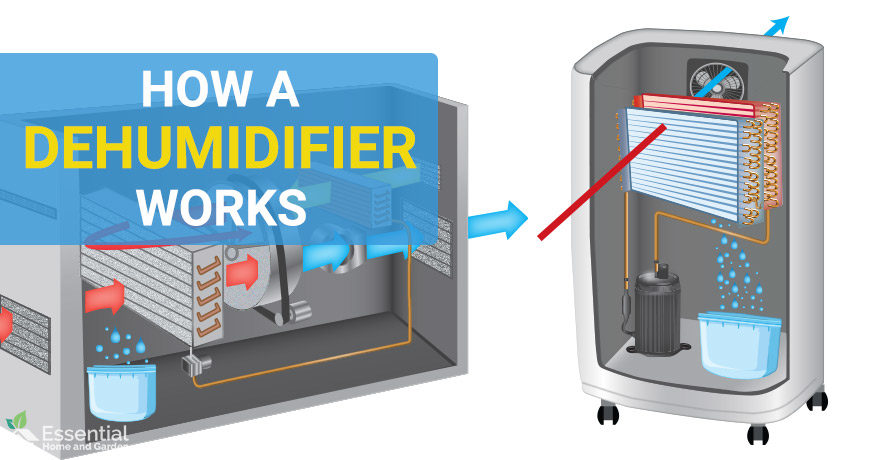
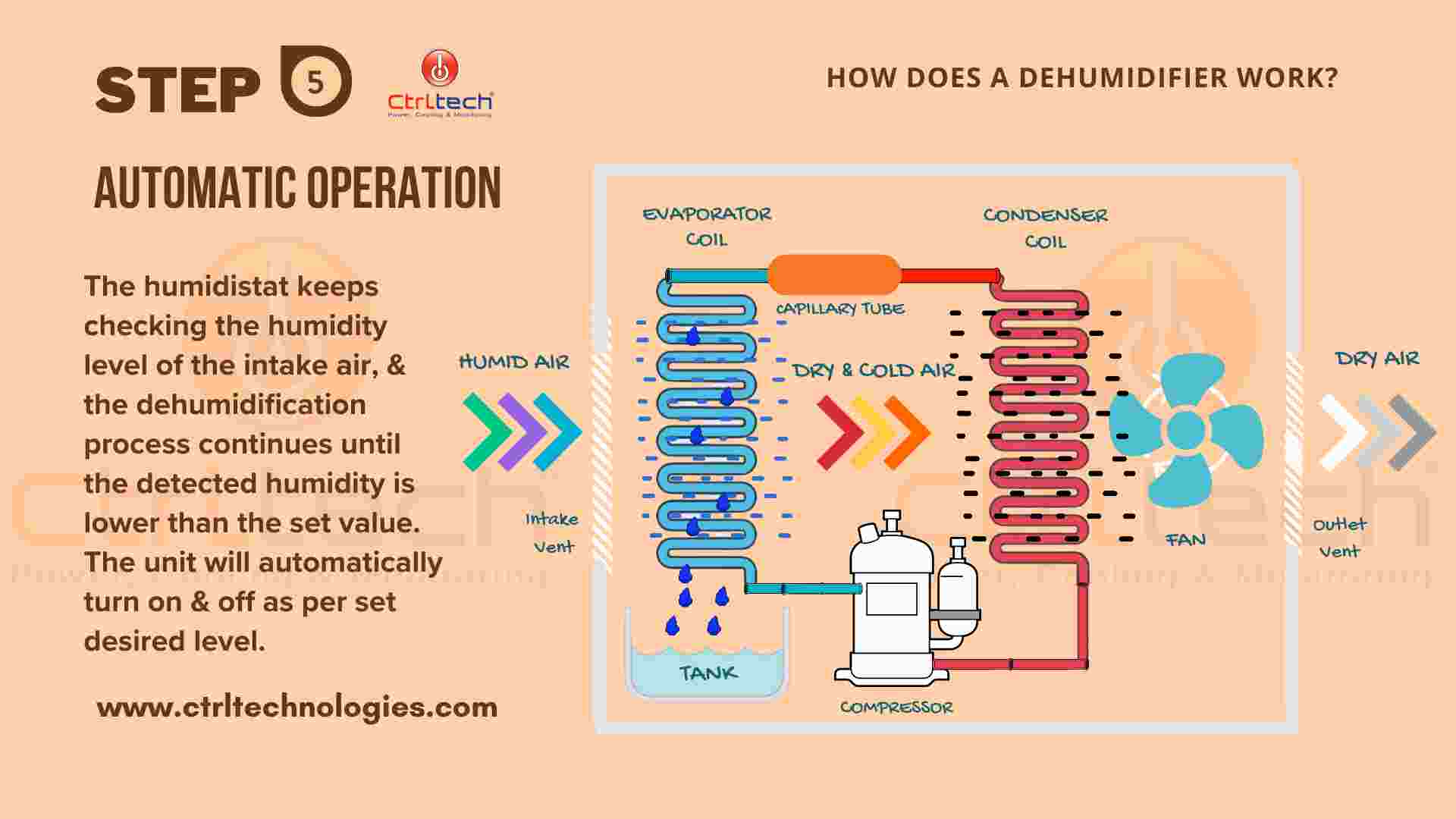
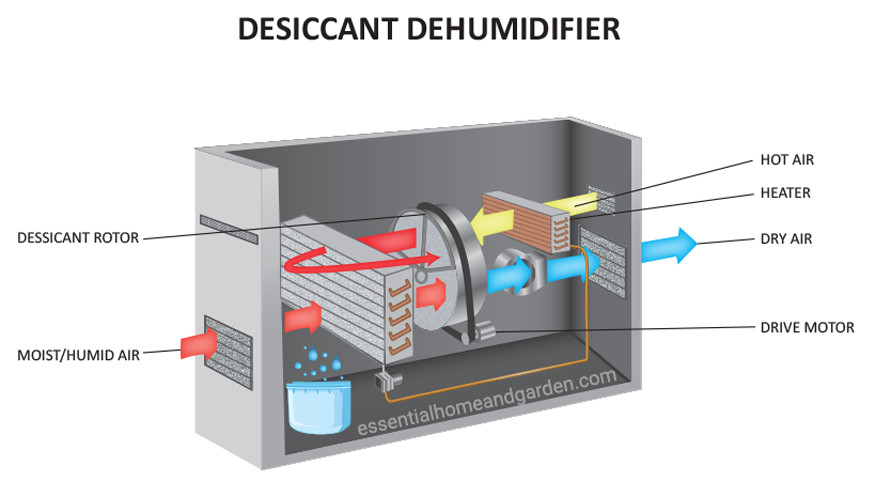
Before diving into troubleshooting, it's helpful to understand the basics of how a whole-home dehumidifier functions. Essentially, it operates like a miniature air conditioner, but instead of focusing solely on cooling, its primary goal is to remove moisture from the air.
Here's a simplified breakdown:
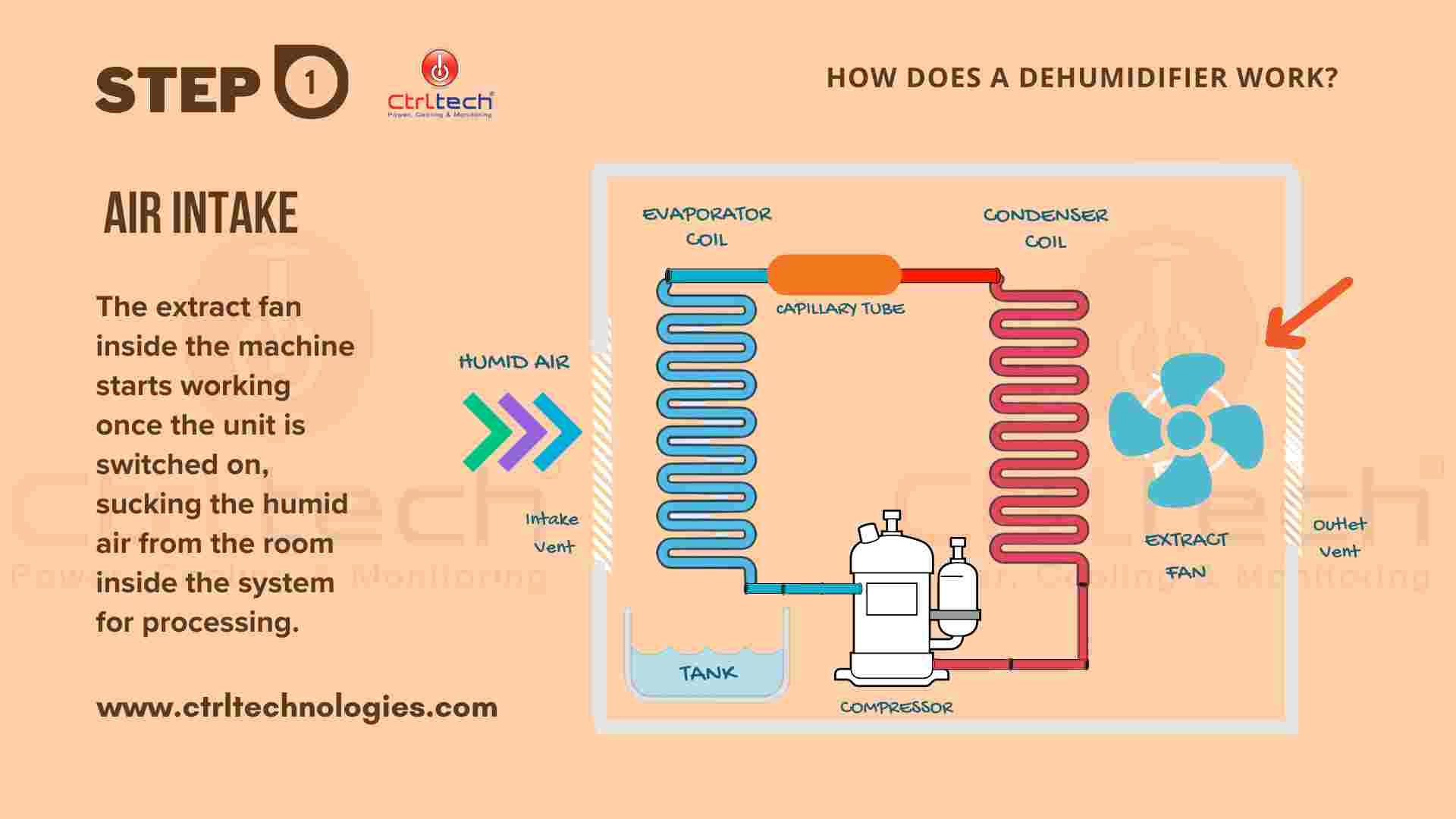
- Air Intake: The dehumidifier draws in humid air from your home through a return duct.
- Cooling Coils: This air passes over cold coils, much like those in your refrigerator. The moisture in the air condenses on these coils, turning into liquid water.
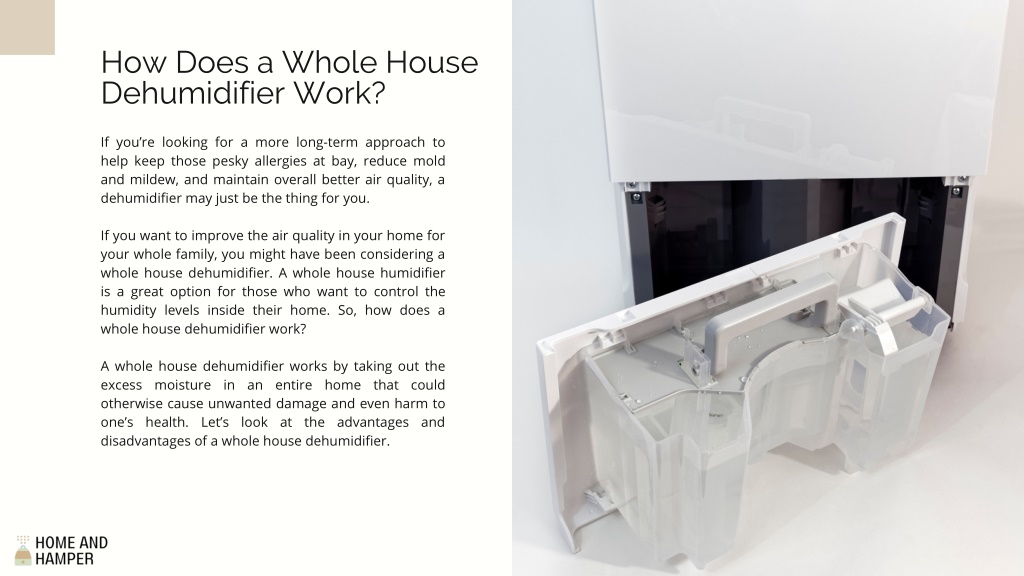
- Water Collection: The condensed water drips into a collection pan or reservoir and is then typically pumped out through a drain line.
- Reheating: The now drier (and cooler) air then passes over a reheating coil, warming it slightly.
- Air Output: Finally, the drier, slightly warmer air is returned to your home through your ductwork.
This process is repeated continuously, gradually reducing the humidity level throughout your house. Now that we understand the basic process, let's get to troubleshooting.
Troubleshooting Common Dehumidifier Problems
Problem 1: The Dehumidifier Isn't Removing Any Moisture
This is perhaps the most frustrating issue. You're running the dehumidifier, but the humidity level in your home remains stubbornly high.
Diagnosis and DIY Fixes:
- Check the Humidity Setting: This might seem obvious, but ensure the humidity setting is actually lower than the current humidity level in your home. If the setting is too high, the dehumidifier won't activate.
- Air Filter: A dirty air filter restricts airflow, significantly reducing the dehumidifier's efficiency. This is the most common culprit.
- Action: Locate the air filter (usually near the air intake vent) and inspect it. If it's visibly dirty, replace it with a new filter of the correct size and type. Refer to your dehumidifier's manual for specific filter recommendations. Aim to check and clean or replace the filter every 1-3 months, depending on usage and air quality.
- Coil Freeze-Up: If the coils become too cold, ice can form, blocking airflow and hindering the dehumidifying process.
- Action: Turn off the dehumidifier and allow it to sit for several hours (or overnight) to allow the ice to melt. Once melted, check the air filter and replace it if it's dirty. Also, ensure proper airflow around the unit and that the room temperature is within the dehumidifier's operating range (usually above 65°F). Some dehumidifiers have a "defrost" cycle; consult your manual.
- Air Leaks: If your home has significant air leaks (around windows, doors, or ductwork), humid air will constantly be entering, making it difficult for the dehumidifier to keep up.
- Action: Inspect windows and doors for gaps and cracks. Seal any leaks with weather stripping or caulk. Consider having your ductwork inspected and sealed by a professional, as leaky ducts can significantly impact your HVAC system's efficiency.
- Room Size: Is the dehumidifier properly sized for the area you're trying to dehumidify? A small dehumidifier trying to handle a large, open space will struggle.
- Action: Check your dehumidifier's specifications to ensure it's rated for the square footage of your home. If it's undersized, consider upgrading to a larger unit or supplementing it with additional dehumidifiers.
When to Call a Professional: If you've checked the humidity setting, replaced the air filter, addressed potential coil freeze-up, sealed air leaks, and confirmed the dehumidifier is properly sized, but it's still not removing moisture, it's time to call a qualified HVAC technician. The problem could be a faulty compressor, refrigerant leak, or other internal component issue that requires specialized tools and expertise.
Problem 2: The Dehumidifier is Running Constantly
You might think this is a good thing – the dehumidifier is working hard! But if it's running non-stop without ever shutting off, it could indicate a problem.
Diagnosis and DIY Fixes:
- Humidity Setting: As mentioned earlier, ensure the humidity setting is appropriately low. If it's set too high or to "continuous," the dehumidifier will run constantly.
- Action: Adjust the humidity setting to a comfortable level (typically between 45% and 55%). If the dehumidifier has a "continuous" mode, switch it to a normal setting.
- Air Filter: Again, a dirty air filter can restrict airflow and force the dehumidifier to work harder than necessary.
- Action: Inspect and replace the air filter as described in Problem 1.
- Drainage Issues: If the dehumidifier can't properly drain the collected water, it might continue to run in an attempt to empty the reservoir.
- Action: Check the drain line (if your dehumidifier is connected to one) for kinks, clogs, or obstructions. Ensure the drain line is properly sloped to allow for gravity drainage. If the dehumidifier has a collection bucket, make sure it's properly seated and not overflowing. If using a condensate pump, ensure it's functioning correctly.
- High Humidity Source: Is there an ongoing source of high humidity in your home? This could be a leaky pipe, poor ventilation in bathrooms or kitchens, or even excessive indoor plants.
- Action: Identify and address any sources of excess moisture. Repair any leaks, improve ventilation in moisture-prone areas, and consider reducing the number of indoor plants.
- Temperature: Very low temperatures can affect the efficiency. Most dehumidifiers work best between 65 and 90 degrees Fahrenheit.
- Action: See if the temperature falls within the operating range of the unit.
When to Call a Professional: If you've ruled out these causes and the dehumidifier continues to run constantly, there could be a problem with the humidistat (the sensor that measures humidity) or other internal components. A professional can diagnose and repair these issues.
Problem 3: The Dehumidifier is Leaking Water
A leaky dehumidifier can cause water damage to your floors and surrounding areas. Identifying and addressing the source of the leak is crucial.
Diagnosis and DIY Fixes:
- Collection Bucket/Reservoir: If your dehumidifier uses a collection bucket, ensure it's properly seated and not cracked or damaged.
- Action: Carefully inspect the bucket for cracks or leaks. If damaged, replace it with a new bucket designed for your specific dehumidifier model. Ensure the bucket is properly aligned and seated in the dehumidifier.
- Drain Line: Check the drain line (if your dehumidifier is connected to one) for leaks, cracks, or loose connections.
- Action: Inspect the drain line for any signs of damage. Tighten any loose connections and replace damaged sections of the drain line. Ensure the drain line is properly connected to the dehumidifier and the drain outlet.
- Condensate Pump (If Applicable): If your dehumidifier uses a condensate pump to remove water, check the pump and its connections for leaks.
- Action: Inspect the condensate pump for leaks or damage. Ensure the pump is properly connected to the dehumidifier and the drain outlet. If the pump is malfunctioning, it may need to be repaired or replaced.
- Internal Leaks: Sometimes, leaks can originate from within the dehumidifier itself, due to damaged components or seals.
- Action: Carefully inspect the area around the dehumidifier for signs of water. If you can locate a leak source, try to identify the affected part, but *do not attempt to disassemble the unit beyond what is specified in the user manual*.
When to Call a Professional: If you suspect an internal leak or are unable to locate the source of the leak, it's best to call a professional. Attempting to repair internal components yourself could damage the dehumidifier further and potentially void the warranty.
Problem 4: The Dehumidifier is Making Unusual Noises
Unusual noises coming from your dehumidifier can indicate a variety of issues, from minor inconveniences to more serious problems.
Diagnosis and DIY Fixes:
- Fan Blade Obstruction: Debris or foreign objects can sometimes get caught in the fan blades, causing a rattling or grinding noise.
- Action: Turn off the dehumidifier and carefully inspect the fan blades for any obstructions. Remove any debris that may be caught in the blades.
- Loose Components: Over time, screws or other components can loosen, causing rattling or buzzing noises.
- Action: Carefully inspect the dehumidifier for any loose screws or panels. Tighten any loose components to eliminate the noise.
- Worn-Out Motor: A failing motor can produce a humming or grinding noise.
- Action: Listen closely to the motor. If the noise is persistent and sounds like a grinding or humming, this may indicate that a motor is failing. Unfortunately, replacing a motor is best left to the professionals.
- Vibrations: The unit is vibrating against something causing noises.
- Action: Check that the unit is sitting on a level surface and is not touching any walls or other objects that it can vibrate against.
When to Call a Professional: If the unusual noises persist after checking for obstructions and loose components, or if you suspect a motor problem, it's best to consult a professional. Attempting to repair motor issues yourself can be dangerous and may void the warranty.
Preventative Maintenance: Keeping Your Dehumidifier Running Smoothly
Like any appliance, regular maintenance can significantly extend the lifespan and efficiency of your whole-home dehumidifier. Here are some key preventative measures:
- Regular Air Filter Changes: As emphasized throughout this guide, replacing the air filter regularly is crucial for optimal performance.
- Annual Cleaning: Once a year, thoroughly clean the dehumidifier's exterior and interior (as much as is safely accessible). Use a mild detergent and water to remove any dust or debris.
- Professional Inspection: Consider having your dehumidifier professionally inspected every few years. A technician can identify potential problems early and perform preventative maintenance to keep it running smoothly.
By following these troubleshooting steps and preventative maintenance tips, you can keep your whole-home dehumidifier working efficiently and maintain a comfortable and healthy indoor environment. Remember, when in doubt, consult a qualified professional!