How Does A Wood Stove Heat A House

How Does a Wood Stove Heat a House? A Comprehensive Guide
Wood stoves have provided warmth and comfort for centuries, and while modern heating systems offer convenience, the allure of a crackling fire remains strong. Understanding how a wood stove heats your home can help you use it efficiently, troubleshoot minor issues, and determine when it's time to call in a professional. This guide will break down the process, offering insights for homeowners, DIY enthusiasts, and even aspiring HVAC technicians.
The Fundamentals of Wood Stove Heating
At its core, a wood stove is a relatively simple device. It relies on the principle of radiant heat, convection, and in some cases, conduction, to distribute warmth throughout your living space. Let's explore each of these mechanisms:
- Radiant Heat: This is the most immediate and noticeable form of heat transfer. The fire within the stove heats the stove's surfaces (typically cast iron or steel) to very high temperatures. These hot surfaces then radiate infrared energy outwards in all directions. This energy directly warms objects and people in its path, much like the sun warms the earth.
- Convection: As the air around the stove heats up, it becomes less dense and rises. This creates a natural convection current, drawing cooler air in at the bottom of the stove, which then heats up and rises, creating a continuous cycle. This process helps to circulate warm air throughout the room. Some stoves are equipped with fans to enhance convection and distribute heat more rapidly.
- Conduction: While less significant than radiation and convection, conduction also plays a role. The metal of the stove conducts heat from the firebox to other parts of the stove, contributing to overall warmth.
The Combustion Process: Fueling the Fire
The effectiveness of a wood stove hinges on efficient and complete combustion. This involves several stages:
- Kindling and Initial Burn: Small pieces of dry wood, along with tinder, are used to start the fire. The initial burn aims to create enough heat to ignite the larger pieces of firewood.
- Gasification: As the firewood heats up, it releases volatile gases (wood gas). These gases are highly flammable and contribute significantly to the fire's heat output.
- Combustion of Gases: For optimal efficiency and reduced emissions, these gases need to be burned completely. This requires sufficient oxygen, high temperatures, and adequate mixing of the gases and air. Modern wood stoves often incorporate secondary combustion systems to achieve this.
- Burning of Charcoal: After the gases are burned off, the remaining charcoal continues to smolder and release heat.
Key Components of a Wood Stove
Understanding the function of each component is crucial for troubleshooting and maintenance:
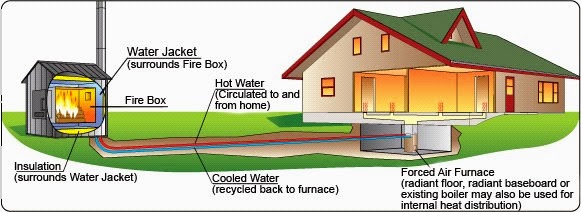
- Firebox: The chamber where the wood is burned. It's typically made of cast iron or steel and designed to withstand high temperatures.
- Air Inlet: Controls the amount of air entering the firebox, which affects the combustion rate and heat output.
- Baffle: A metal plate located inside the firebox that helps to direct the flow of hot gases and improve combustion efficiency.
- Chimney/Flue: The vertical pipe that vents the smoke and combustion gases out of the house. Proper chimney drafting is essential for safe and efficient operation.
- Damper: A movable plate in the flue that regulates the draft.
- Ash Pan: A removable container located beneath the firebox that collects ash.
Factors Affecting Heating Performance
Several factors influence how effectively a wood stove heats a house:
- Wood Type and Moisture Content: Hardwoods like oak and maple provide more heat per volume than softwoods like pine. Wood should be properly seasoned (dried) to a moisture content of 20% or less for optimal burning and reduced creosote buildup.
- Stove Size: Selecting the right size stove for your home's square footage and insulation is crucial. An undersized stove won't provide enough heat, while an oversized stove can lead to overheating and inefficient burning.
- Insulation: Proper insulation in your home is essential to retain the heat generated by the wood stove.
- Airflow: Obstructions to airflow around the stove can hinder convection and reduce heating efficiency.
- Chimney Draft: A properly functioning chimney draft is essential for drawing smoke and combustion gases out of the house.
Common Problems and Troubleshooting
Here are some common issues you might encounter with your wood stove and potential solutions:
- Problem: Difficulty starting the fire.
- Possible Causes: Wet wood, insufficient kindling, poor chimney draft.
- Troubleshooting Steps: Use dry, well-seasoned wood. Ensure adequate kindling. Check for obstructions in the chimney. Open the damper fully.
- Problem: Smoky stove.
- Possible Causes: Poor chimney draft, wet wood, clogged chimney, insufficient air supply.
- Troubleshooting Steps: Check for obstructions in the chimney (bird nests, creosote buildup). Ensure the air inlet is open. Use dry wood. Consider adding a chimney extension to improve draft.
- Problem: Excessive creosote buildup.
- Possible Causes: Burning wet wood, low fire temperatures, restricted airflow.
- Troubleshooting Steps: Use dry, well-seasoned wood. Burn hotter fires periodically to burn off creosote. Schedule regular chimney inspections and cleanings.
- Problem: Stove overheating.
- Possible Causes: Burning too much wood, excessive airflow, oversized stove.
- Troubleshooting Steps: Reduce the amount of wood in the firebox. Close the air inlet slightly. Consider installing a stove thermometer to monitor temperatures.
DIY Maintenance and Safety Tips
Regular maintenance is crucial for safe and efficient wood stove operation:
- Regular Chimney Inspections and Cleaning: Schedule professional chimney inspections and cleanings at least once a year, or more frequently if you burn wood regularly. Creosote buildup is a fire hazard.
- Ash Removal: Empty the ash pan regularly to prevent it from overflowing and blocking airflow. Dispose of ashes in a metal container away from flammable materials.
- Gasket Inspection: Inspect the door and glass gaskets for wear and tear. Replace them as needed to maintain a tight seal and prevent air leaks.
- Stovepipe Inspection: Regularly inspect the stovepipe for signs of corrosion or damage. Replace sections as needed.
- Install Carbon Monoxide Detectors: Install carbon monoxide detectors on every level of your home, especially near sleeping areas. Test them regularly.
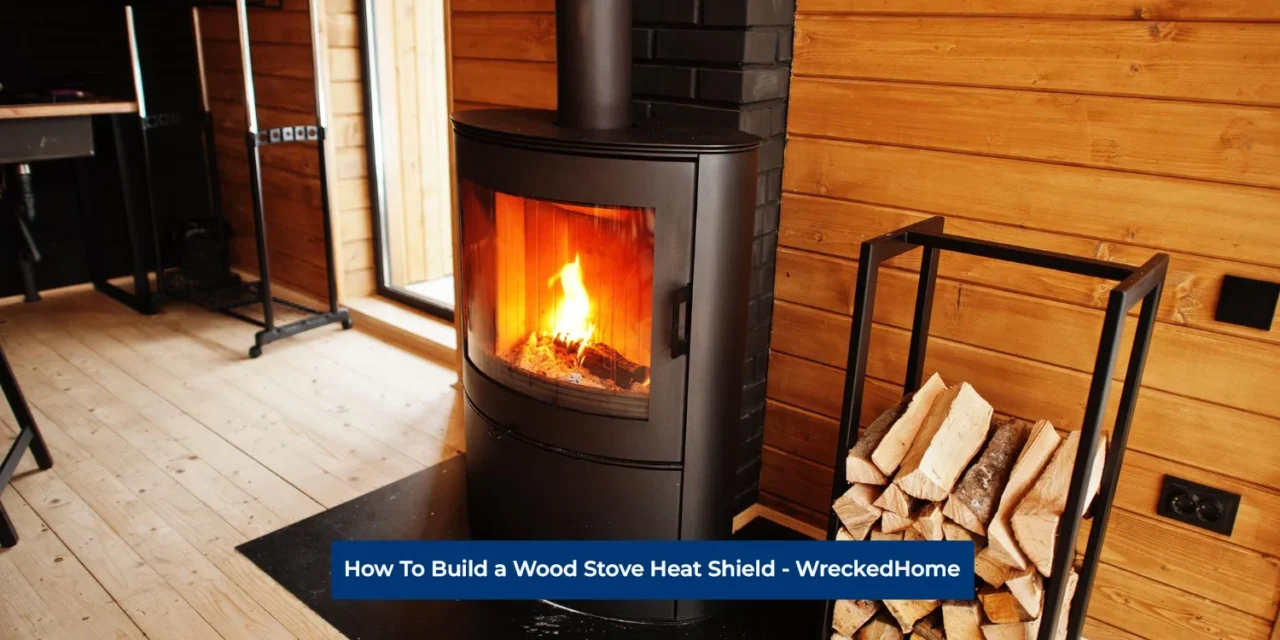
- Keep Flammable Materials Away: Maintain a safe distance (typically 36 inches) between the stove and any flammable materials, such as furniture, curtains, and rugs.
- Use a Fireplace Screen: Use a fireplace screen to prevent sparks from escaping the firebox.
When to Call a Professional
While some wood stove maintenance tasks can be handled by homeowners, certain repairs and issues require the expertise of a qualified professional:
- Chimney Repairs: Damaged chimneys can pose a significant safety hazard. Call a professional for any structural repairs.
- Stove Repairs: Cracks in the firebox, damaged baffles, or other significant stove repairs should be handled by a qualified technician.
- Persistent Chimney Draft Problems: If you've tried troubleshooting chimney draft issues without success, a professional can diagnose and resolve the problem.
- Carbon Monoxide Leaks: If your carbon monoxide detector alarms, evacuate the house immediately and call the fire department.
- Unsure What To Do: If you are ever unsure about a repair or maintenance task, it is always best to contact a qualified professional.
Estimated Repair Costs
Wood stove repair costs can vary depending on the severity of the problem and the region you live in. Here are some general estimates:
- Chimney Cleaning: $150 - $300
- Chimney Inspection: $75 - $200
- Gasket Replacement: $50 - $150
- Stovepipe Replacement: $100 - $300
- Baffle Replacement: $150 - $400
- Firebox Repair: $300 - $1000+ (depending on the extent of the damage)
Important Note: These are just estimates. Always get a quote from a qualified professional before proceeding with any repairs.
Conclusion
Understanding how your wood stove heats your home allows you to operate it safely and efficiently, troubleshoot minor issues, and make informed decisions about maintenance and repairs. While DIY maintenance can save you money, don't hesitate to call a professional when faced with complex problems or safety concerns. By following the guidelines outlined in this article, you can enjoy the warmth and comfort of your wood stove for years to come.