How Does Air Admittance Valve Work
:strip_icc()/How-to-install-air-admittance-valve_color-d37370f034c54b19bae09572f532f40d.jpg)
Understanding Air Admittance Valves (AAVs): A Key to Energy-Efficient Plumbing and HVAC
In the quest for a more sustainable and energy-efficient home or business, often the unseen components play a critical role. One such component is the air admittance valve (AAV). While seemingly simple, AAVs are a crucial element in your plumbing system, directly impacting your HVAC performance and potentially saving you money on energy bills. This article dives deep into the workings of AAVs, their benefits, and how they contribute to an overall energy-efficient ecosystem.
What is an Air Admittance Valve?
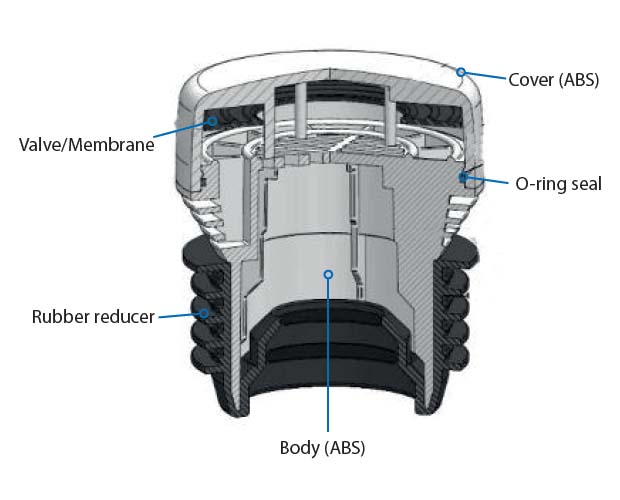
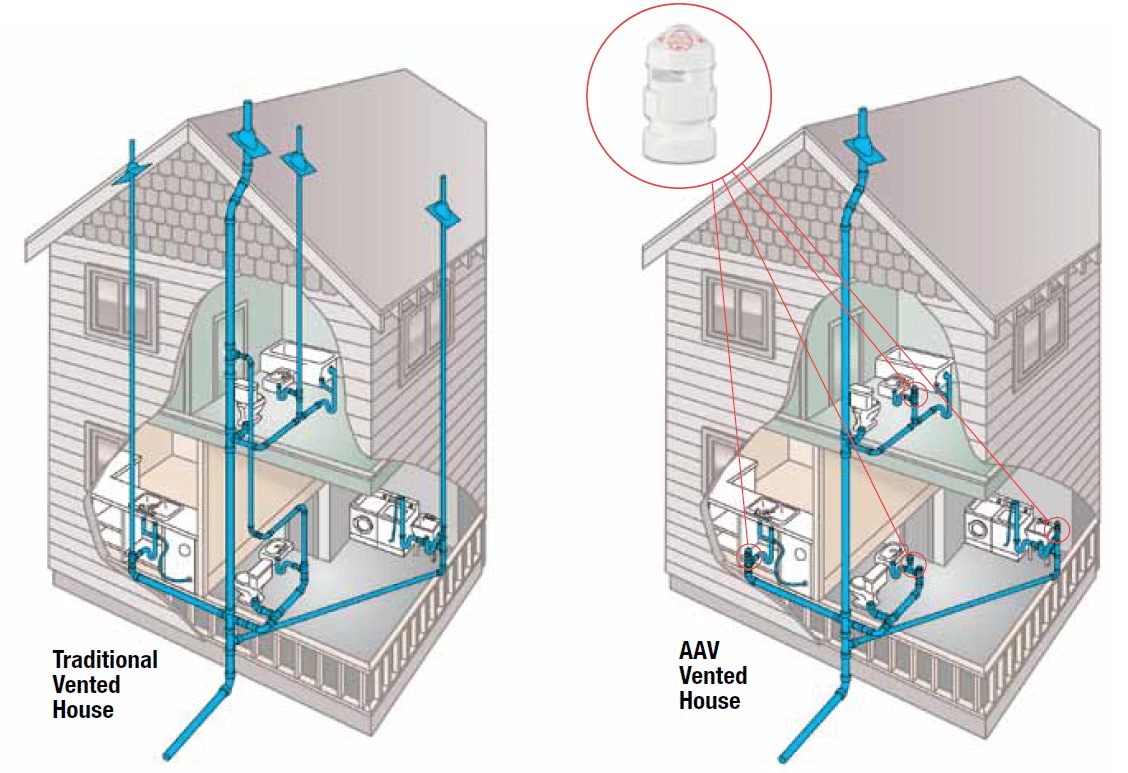
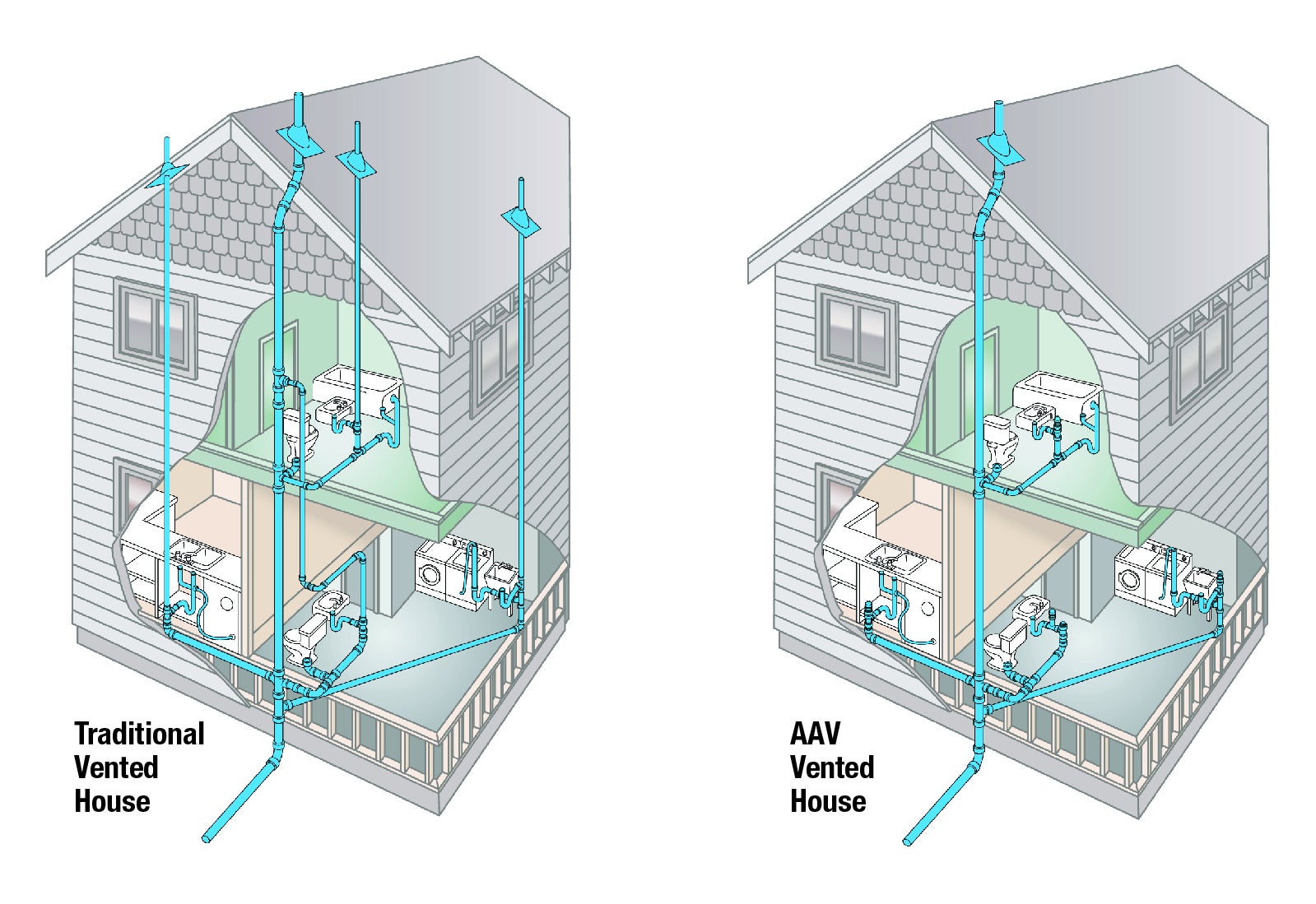
An AAV, also known as a cheater vent, is a one-way valve used in plumbing drainage systems to allow air into the drainpipe, preventing the siphoning of water from plumbing traps. Traditional plumbing systems rely on vent stacks that extend through the roof to provide this necessary airflow. However, AAVs offer a more localized and often more cost-effective solution, especially in situations where running a vent stack isn't feasible or economical.
How Does an Air Admittance Valve Work? The Mechanics Explained
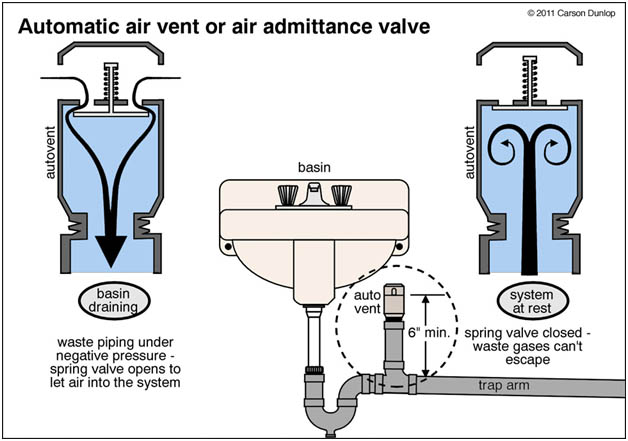
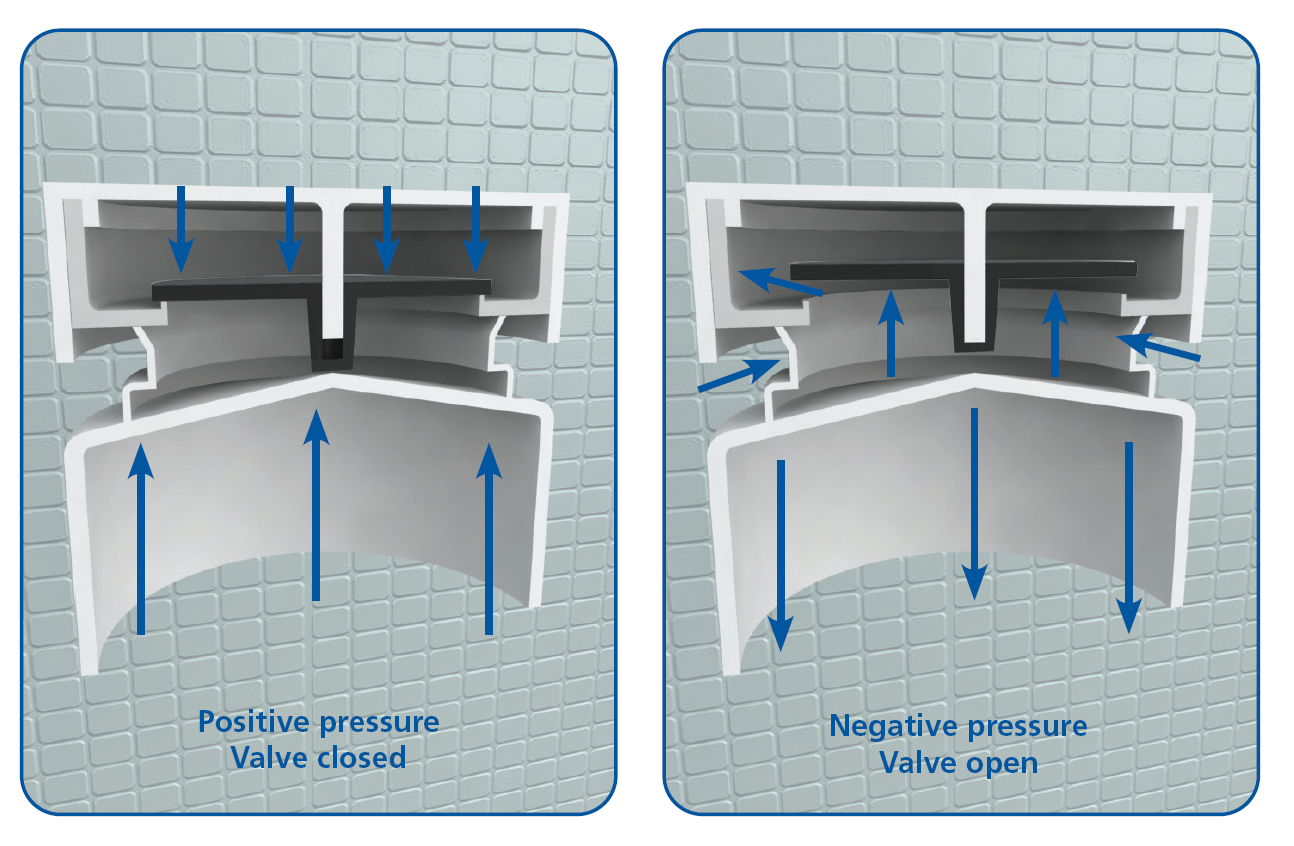
The core function of an AAV is to break the vacuum that can occur when water drains from a fixture. Here's a step-by-step breakdown:
- Normal State: Under normal conditions, when no water is draining, the AAV remains closed. A spring or weighted mechanism keeps the valve sealed, preventing sewer gases from escaping into your home or building.
- Vacuum Creation: When a fixture like a toilet or sink is drained, a rush of water flows through the drainpipe. This rapid flow can create a negative pressure, or a vacuum, behind the water.
- Valve Activation: The vacuum pressure pulls the valve open. This allows air to enter the drainpipe.
- Pressure Equalization: The incoming air equalizes the pressure within the drainpipe, preventing a siphon from forming. A siphon would otherwise pull water out of the P-trap, the curved section of pipe under your sink or toilet.
- Valve Closure: Once the water flow stops and the pressure returns to normal, the spring or weighted mechanism closes the valve, sealing the system again and preventing the escape of sewer gases.
It's important to understand that AAVs are not designed to vent positive pressure. They only allow air in, not out. For positive pressure situations, a traditional vent stack is still required.
AAVs vs. Traditional Vent Stacks: The Pros and Cons
Traditional vent stacks, which run vertically through the roof, have been the standard for decades. While reliable, they can be costly to install and maintain. AAVs offer several advantages:
- Cost Savings: Installation is typically cheaper and faster than running vent stacks. This can translate to significant savings during new construction or remodeling projects.
- Flexibility: AAVs offer greater flexibility in plumbing design, especially in situations where running vent stacks is difficult or impossible.
- Improved Aesthetics: Eliminating the need for numerous roof penetrations can improve the overall aesthetics of a building.
- Reduced Heat Loss: Roof penetrations for vent stacks can be a source of heat loss, especially in cold climates. AAVs minimize these penetrations.
However, AAVs also have some limitations:
- Local Codes: Some local plumbing codes may restrict or prohibit the use of AAVs. Always check with your local authorities before installing them.
- Lifespan: AAVs have a limited lifespan and may need to be replaced periodically.
- Proper Installation: Incorrect installation can lead to malfunctions and sewer gas leaks. Proper installation is crucial.
Energy Efficiency and AAVs: The Unexpected Connection
While AAVs primarily function within the plumbing system, their impact on energy efficiency is often overlooked. Here's how they contribute:
- Reduced Heat Loss: As mentioned earlier, minimizing roof penetrations for vent stacks directly reduces heat loss, especially during winter. This can translate to lower heating bills.
- Optimized HVAC Performance: A properly vented plumbing system prevents pressure imbalances that can affect the overall building envelope. Pressure imbalances can force your HVAC system to work harder to maintain a comfortable temperature, leading to increased energy consumption. AAVs, by ensuring proper venting, contribute to a more balanced and efficient building environment.
- Prevention of Sewer Gas Intrusion: A malfunctioning or improperly installed plumbing system, including inadequate venting, can lead to sewer gas intrusion. This can necessitate increased ventilation to eliminate odors, again increasing energy consumption by diluting conditioned air. AAVs, when properly installed and maintained, help prevent this issue.
Smart Home Integration and AAVs: Monitoring and Maintenance
While you can't directly "integrate" an AAV into a smart home system in the traditional sense, smart home technology can indirectly help you monitor and maintain your plumbing system, leading to greater energy efficiency.
- Water Leak Detection: Smart water leak detectors can identify leaks in your plumbing system, which can lead to increased water usage and potentially affect the performance of your HVAC system (e.g., humidity issues). By detecting and addressing leaks promptly, you can prevent these issues and maintain optimal energy efficiency.
- Humidity Sensors: High humidity levels can strain your HVAC system, forcing it to work harder to maintain a comfortable temperature. Smart humidity sensors can alert you to elevated humidity levels, which may indicate a problem with your plumbing system or ventilation.
Remember that regular plumbing inspections by a qualified professional are essential for maintaining a healthy and energy-efficient home. A plumber can assess the condition of your AAVs and other plumbing components and identify any potential issues before they escalate.
Choosing the Right AAV: Key Considerations
Selecting the correct AAV is crucial for optimal performance and compliance with local codes. Consider these factors:
- Size: Choose an AAV with the appropriate diameter for your drainpipe.
- Flow Rate: Ensure the AAV has a sufficient flow rate to handle the expected drainage volume.
- Code Compliance: Verify that the AAV is approved for use in your area and meets all applicable plumbing codes. Energy Star requirements may reference specific plumbing code compliance.
- Brand Reputation: Opt for reputable brands known for quality and reliability.
- Installation Location: Select an AAV designed for the intended installation location (e.g., under a sink, in a wall cavity).
Installation and Maintenance Tips for AAVs
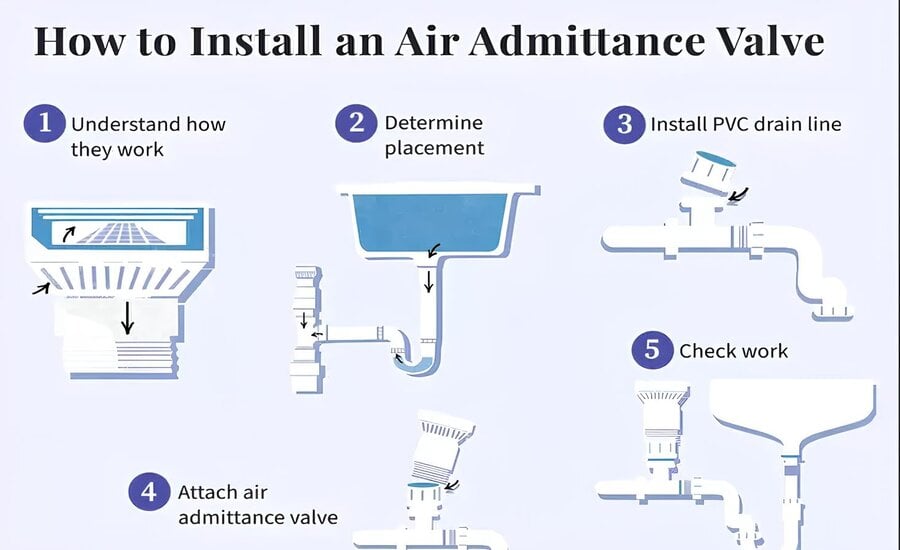
Proper installation and maintenance are essential for ensuring the long-term performance and reliability of your AAVs.
Installation:
- Always follow the manufacturer's instructions carefully.
- Ensure the AAV is installed in a readily accessible location for inspection and maintenance.
- Install the AAV in a vertical position.
- Avoid installing AAVs in areas subject to freezing temperatures.
- Use appropriate fittings and sealants to ensure a leak-proof connection.
Maintenance:
- Inspect AAVs periodically for signs of damage or wear.
- Clean AAVs regularly to remove any debris that may obstruct airflow.
- Replace AAVs as needed, typically every 5-10 years.
Government Guidelines and Rebates
While specific rebates directly targeting AAV installations are rare, improving your home's overall energy efficiency can unlock various rebates and incentives. Check the Energy Star website and your local utility company for available programs. A properly functioning plumbing system, including well-maintained AAVs, contributes to the overall energy efficiency of your home, potentially making you eligible for these incentives.
Conclusion: AAVs – Small Component, Big Impact
Air admittance valves are an often-overlooked but critical component of a well-functioning and energy-efficient plumbing system. By understanding how AAVs work, their benefits, and their role in reducing energy consumption, you can make informed decisions about your plumbing system and contribute to a more sustainable and cost-effective home or business. Investing in quality AAVs, ensuring proper installation, and performing regular maintenance are all crucial steps towards maximizing their benefits and minimizing your energy footprint. Consult with a qualified HVAC or plumbing professional to assess your specific needs and determine the best solutions for your property.

:strip_icc()/air-admittance-valve-b5d78cbecf6e4b26bd8a37f76691a632.jpg)