How Does Air Heat Pump Work
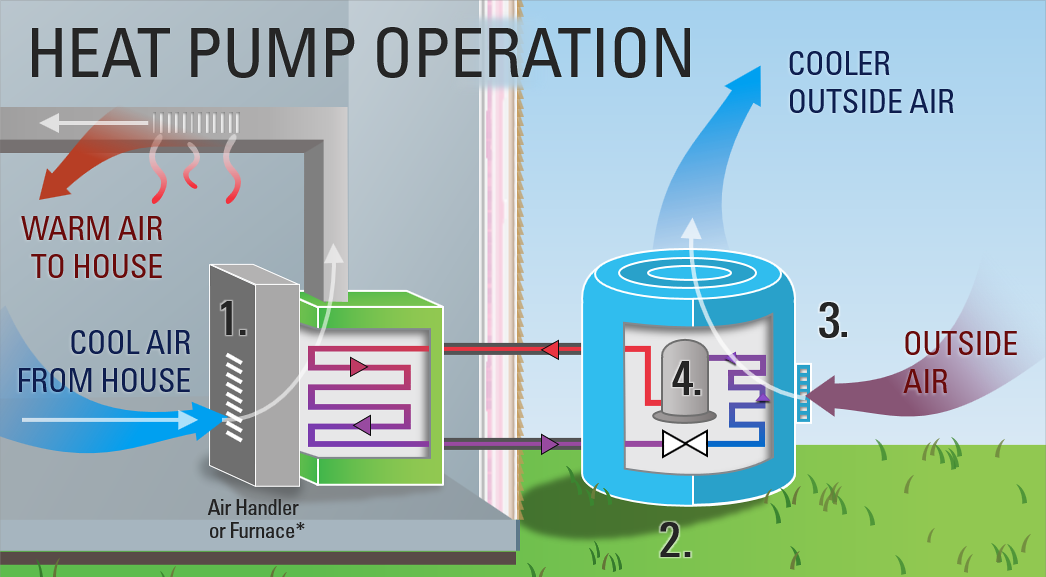
The air source heat pump is a cornerstone of modern HVAC systems, offering both heating and cooling capabilities in a single unit. Understanding how it works is crucial for HVAC students, seasoned technicians, and employers alike. This article delves into the intricacies of air source heat pump technology, its applications, and the career opportunities surrounding it.
The Science Behind Air Source Heat Pumps
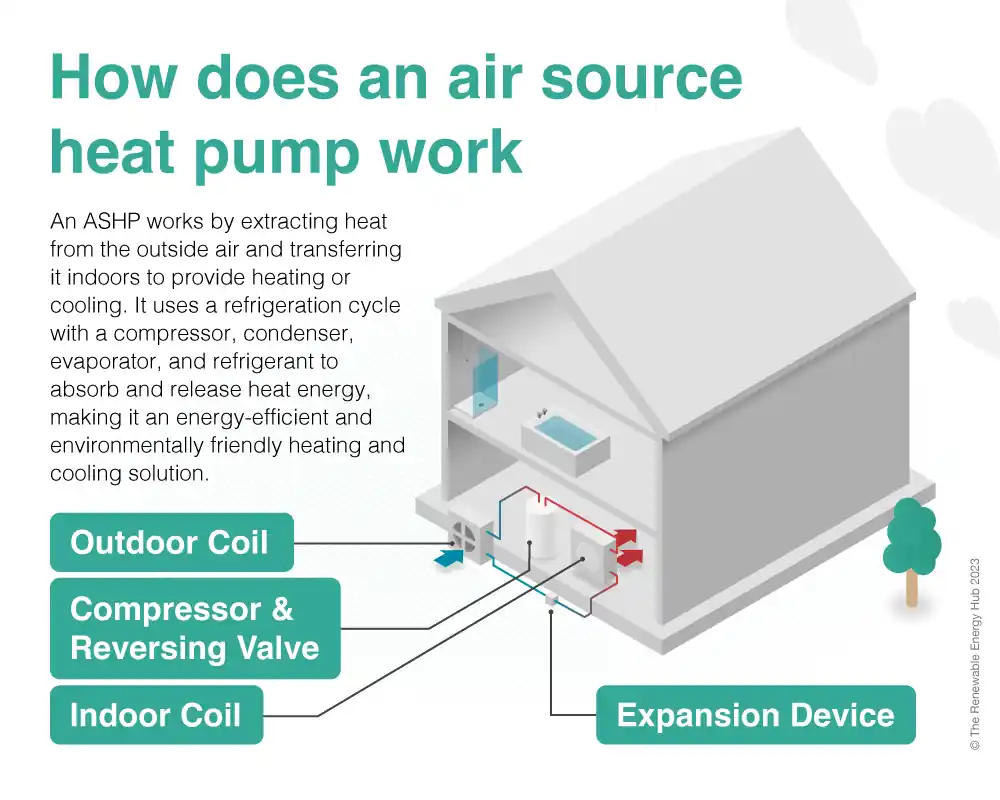
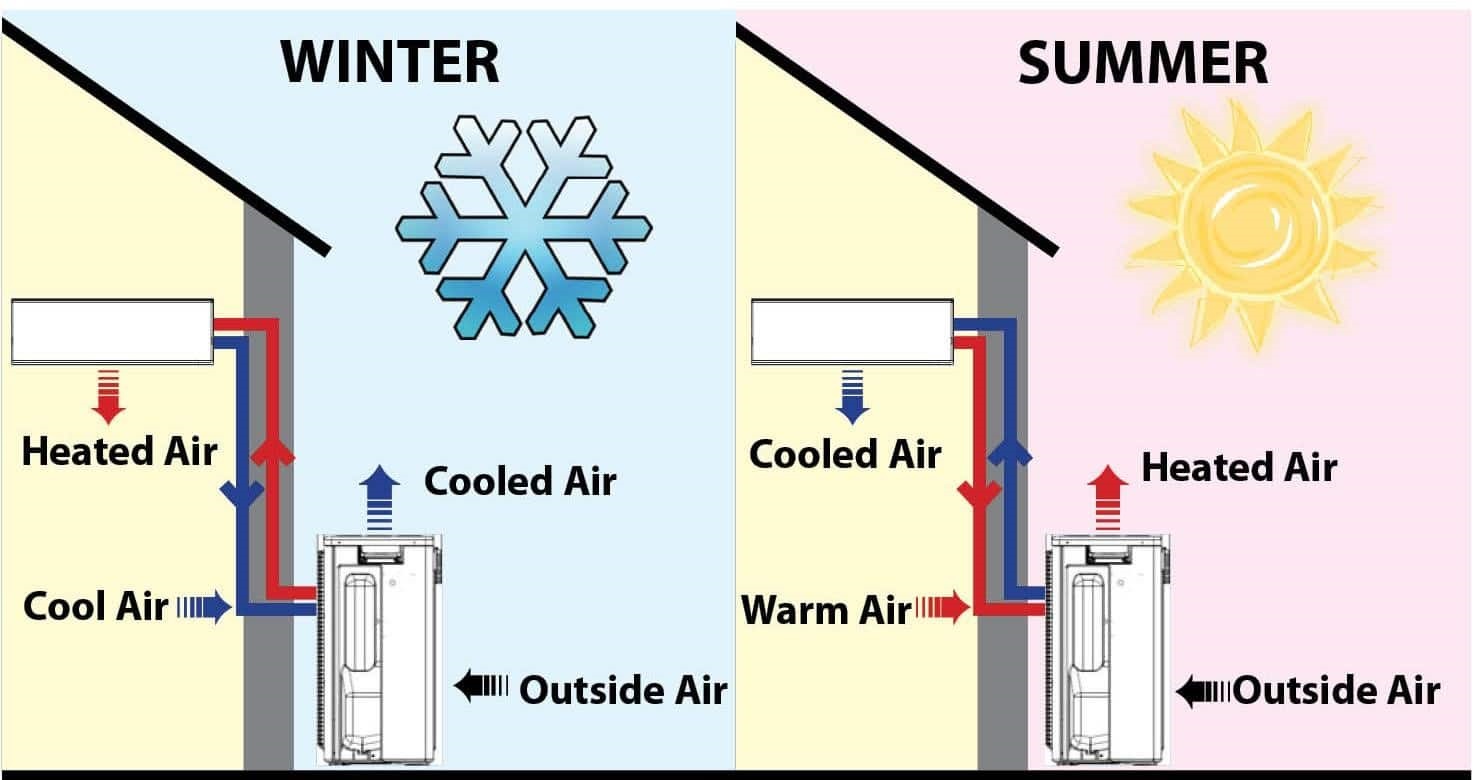
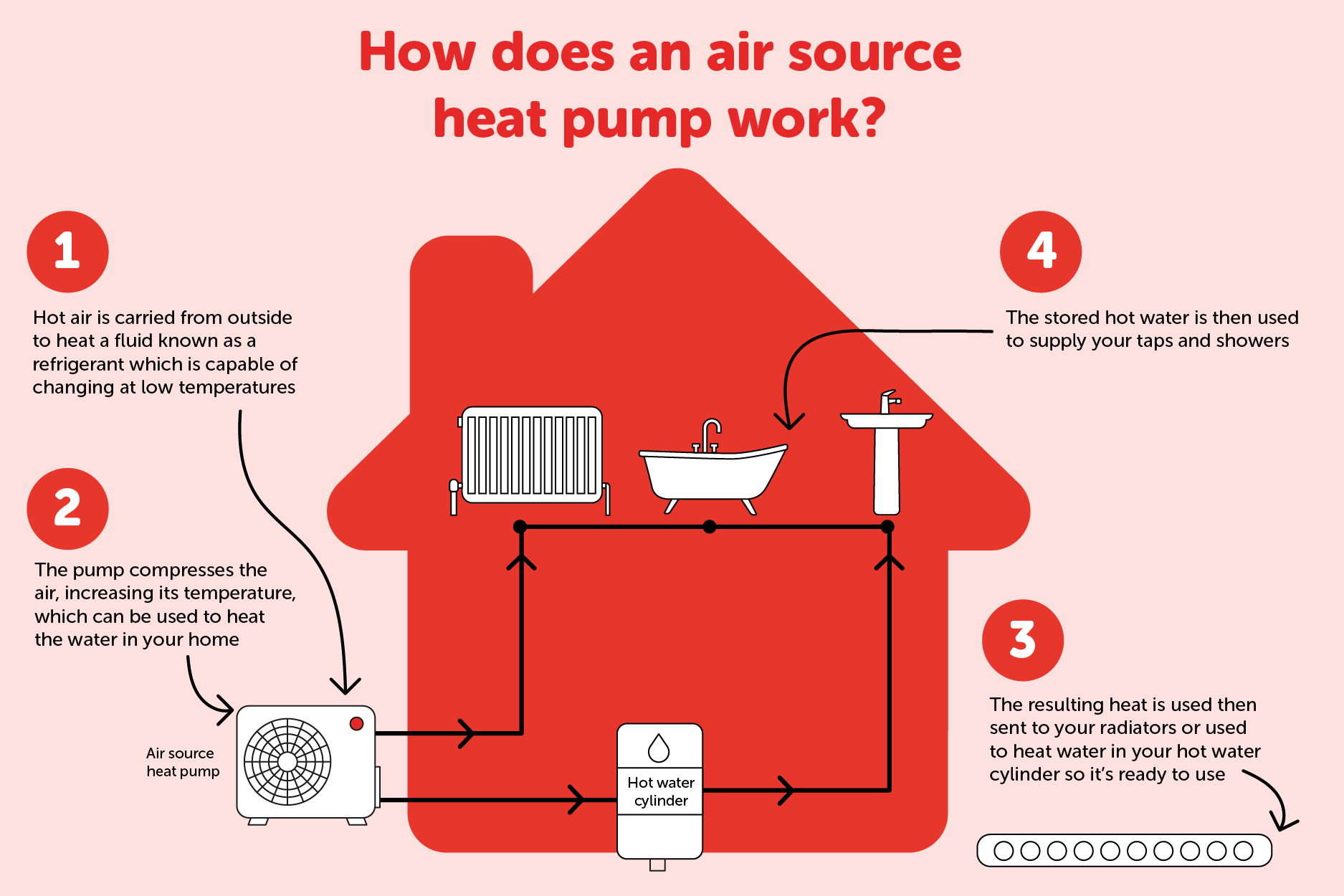
Unlike furnaces that generate heat by burning fuel, heat pumps transfer heat from one place to another. In heating mode, an air source heat pump extracts heat from the outside air, even in cold temperatures, and transfers it inside. In cooling mode, the process is reversed, removing heat from the inside and transferring it outside.
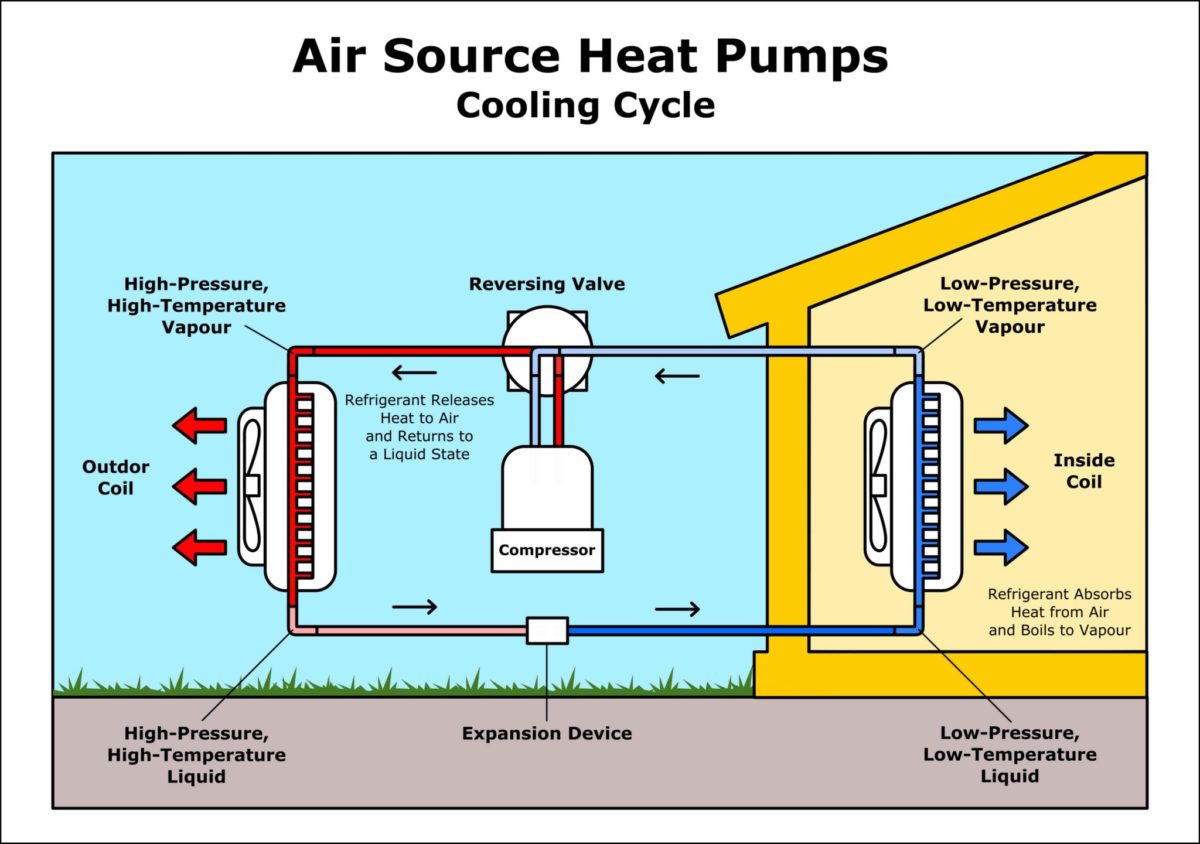
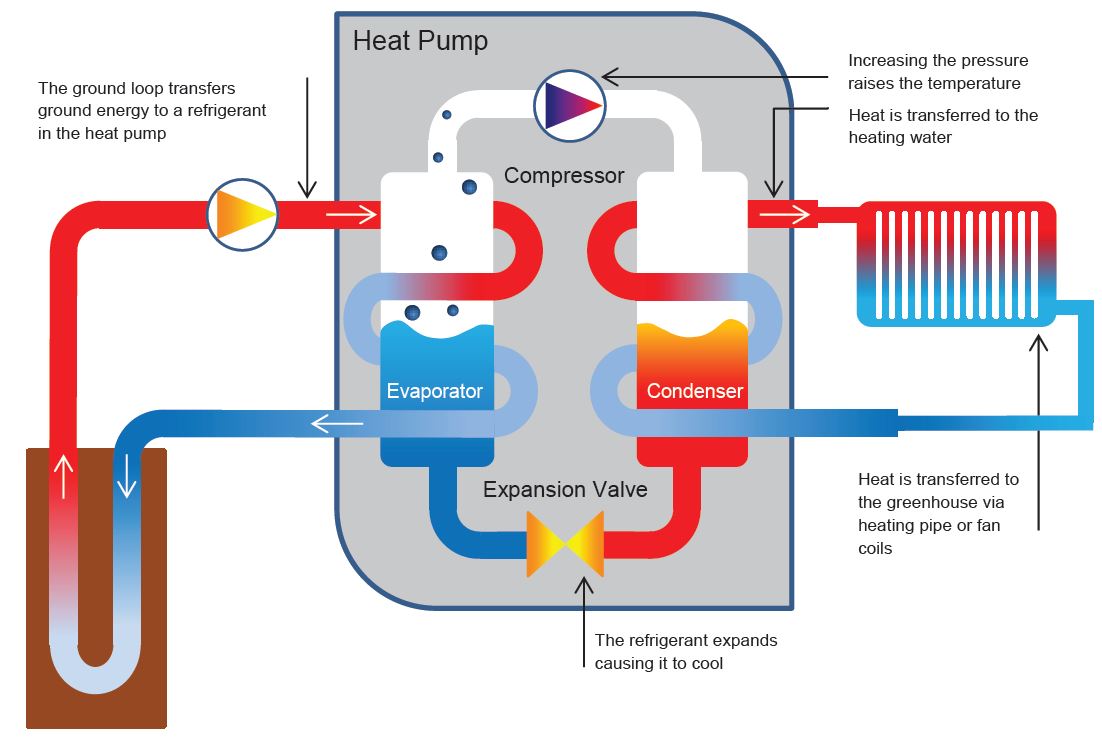
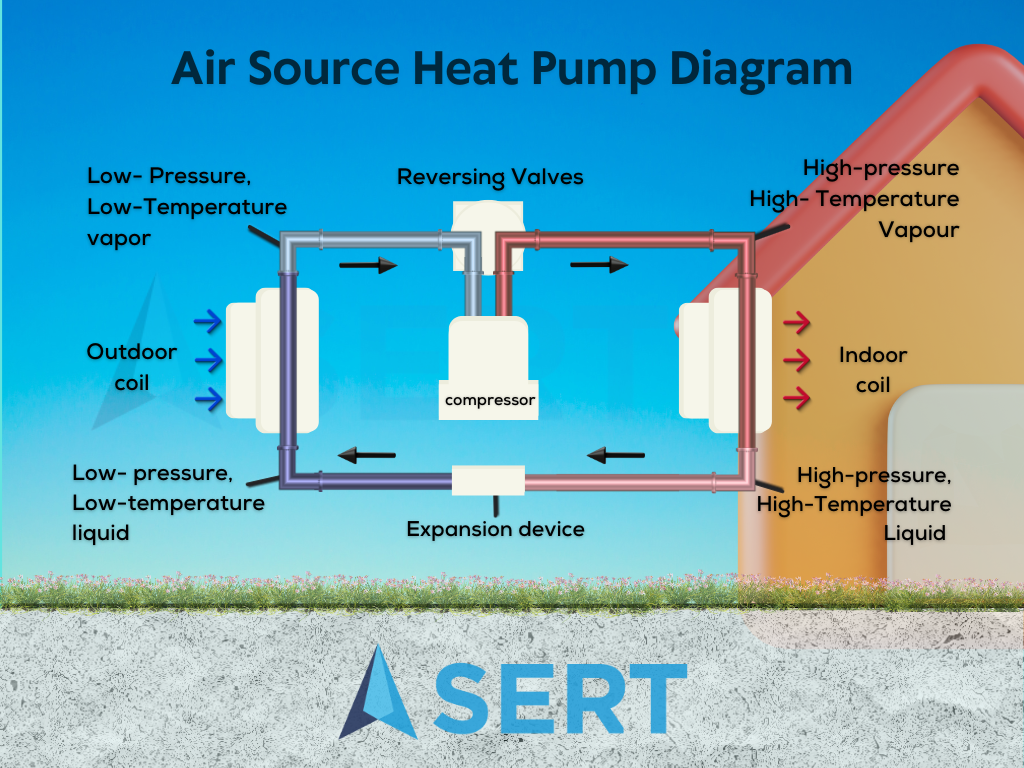
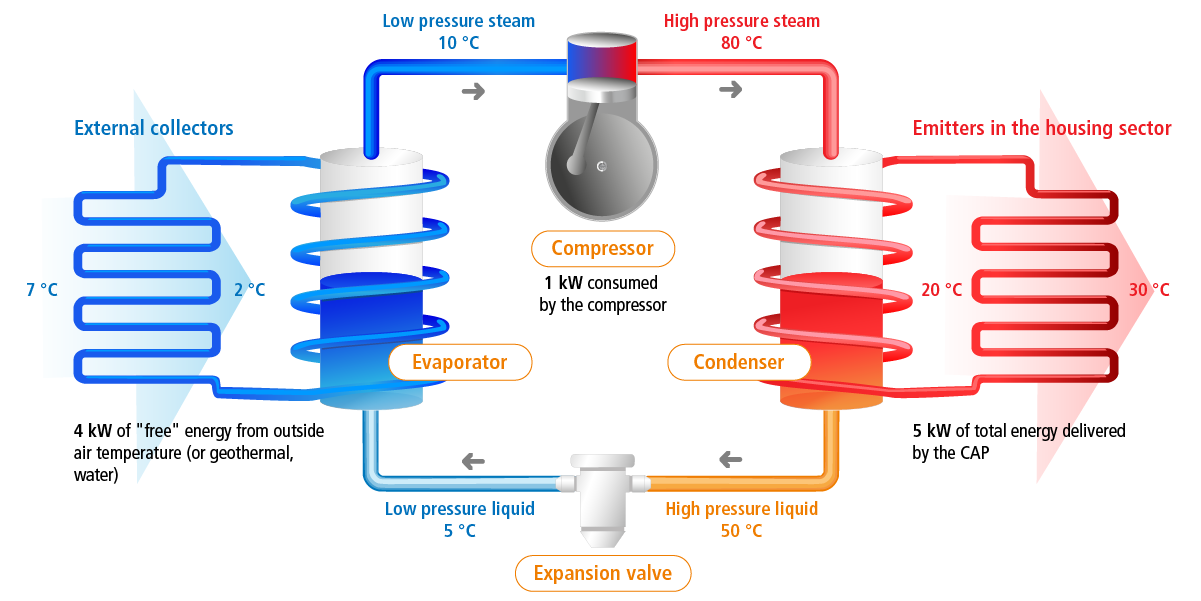
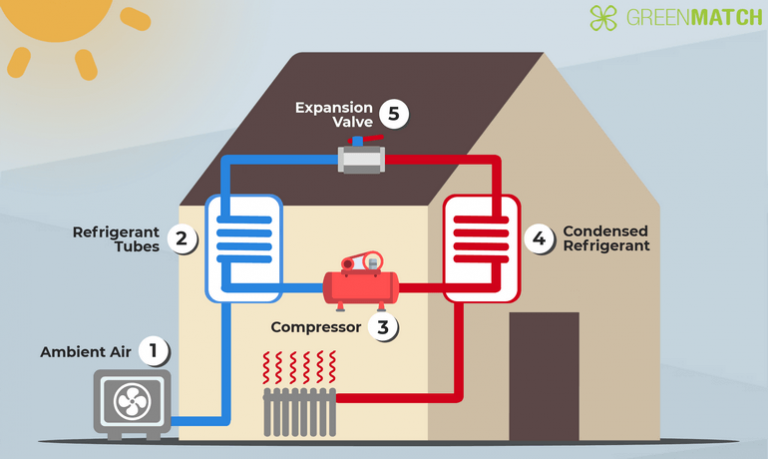
This transfer is achieved through a refrigerant, a special fluid that absorbs and releases heat as it changes between liquid and gas states. The process involves four main components:
- Evaporator Coil: This coil absorbs heat from the surrounding air, causing the refrigerant to evaporate into a gas.
- Condenser Coil: This coil releases heat into the surrounding air, causing the refrigerant to condense back into a liquid.
- Compressor: The compressor increases the pressure and temperature of the refrigerant gas, facilitating the heat transfer process. Think of it as the heart of the system.
- Expansion Valve (or Metering Device): This valve reduces the pressure of the refrigerant liquid, allowing it to evaporate easily in the evaporator coil.
A reversing valve controls the direction of refrigerant flow, switching the system between heating and cooling modes. When heating, the outdoor coil acts as the evaporator, and the indoor coil acts as the condenser. When cooling, the roles are reversed.
How Efficient are Air Source Heat Pumps?
The efficiency of air source heat pumps is measured by two primary metrics:
- Heating Seasonal Performance Factor (HSPF): This measures the heating efficiency over an entire heating season. A higher HSPF indicates greater efficiency. Modern heat pumps often achieve HSPF ratings of 8.5 or higher.
- Seasonal Energy Efficiency Ratio (SEER): This measures the cooling efficiency over an entire cooling season. A higher SEER indicates greater efficiency. Current models can reach SEER ratings of 20 or higher.
The US Department of Energy has implemented regional efficiency standards, requiring higher minimum HSPF and SEER ratings in certain areas. This emphasizes the growing importance of energy-efficient HVAC solutions. According to Energy Star, replacing an old, inefficient HVAC system with a new, high-efficiency heat pump can save homeowners up to 30% on their energy bills.
Career Opportunities in Heat Pump Technology
The growing demand for energy-efficient heating and cooling solutions has created a significant demand for skilled HVAC technicians proficient in heat pump installation, maintenance, and repair. Here are some potential career paths:
- HVAC Technician: Install, maintain, and repair heat pump systems in residential and commercial buildings.
- HVAC Installer: Focus on the installation of new heat pump systems, ensuring proper sizing, wiring, and ductwork.
- HVAC Service Technician: Specialize in troubleshooting and repairing malfunctioning heat pump systems.
- HVAC Design Engineer: Design and develop new heat pump systems, optimizing for energy efficiency and performance.
- HVAC Sales Engineer: Sell heat pump systems to residential and commercial clients, providing technical expertise and support.
Salary Expectations and Job Outlook
The median annual salary for HVAC technicians in the United States was $51,390 in May 2021, according to the Bureau of Labor Statistics. However, salary can vary significantly based on experience, location, and certifications. Experienced technicians with specialized skills in heat pump technology can earn significantly more. The job outlook for HVAC technicians is projected to grow 5 percent from 2021 to 2031, about average for all occupations.
Demand for skilled technicians is particularly strong in regions with a high adoption rate of heat pump technology, such as the Pacific Northwest and the Northeast. The increasing focus on energy efficiency and sustainability is driving this demand.
Essential Certifications for Heat Pump Technicians
Earning industry-recognized certifications can significantly enhance your career prospects and earning potential. Here are some key certifications for heat pump technicians:
- EPA Section 608 Certification: Required for technicians who handle refrigerants. This certification demonstrates competency in safe refrigerant handling practices.
- NATE (North American Technician Excellence) Certification: This certification demonstrates a technician's knowledge and skills in specific HVAC areas, including heat pumps. NATE offers several specialized certifications, such as the NATE Certified HVAC Technician.
- HVAC Excellence Certification: Another respected certification that validates a technician's expertise in HVAC systems, including heat pumps.
Employers often prioritize candidates with these certifications, as they provide assurance of competence and professionalism. Obtaining certifications also demonstrates a commitment to continuous learning and professional development.
Real-World Examples
Consider the career path of Maria, a recent HVAC graduate. After completing her apprenticeship, she obtained her EPA 608 certification and then pursued NATE certification in heat pumps. This allowed her to specialize in heat pump installation and repair. Within two years, she was promoted to a lead technician position at a reputable HVAC company, earning a significantly higher salary than her peers without specialized certifications.
Another example is John, an experienced HVAC technician who wanted to update his skills and knowledge. He attended training courses on the latest heat pump technologies and obtained his NATE certification. This allowed him to take on more complex projects and become a valuable asset to his company. He also started offering his services as a consultant, advising homeowners and businesses on the best heat pump solutions for their needs.
The Future of Air Source Heat Pumps
Air source heat pump technology is constantly evolving, with ongoing research and development focused on improving energy efficiency, performance in cold climates, and integration with smart home systems. Some key trends include:
- Variable Speed Compressors: These compressors adjust their speed based on heating or cooling demand, resulting in greater energy efficiency and comfort.
- Cold Climate Heat Pumps: Designed to operate effectively in extremely cold temperatures, these heat pumps are becoming increasingly popular in colder regions.
- Smart Heat Pumps: Integrated with smart thermostats and home automation systems, these heat pumps can be controlled remotely and optimized for energy savings.
- Refrigerant Advancements: Research is underway to develop more environmentally friendly refrigerants with lower global warming potential.
The increasing adoption of renewable energy sources, such as solar and wind power, is also driving the demand for heat pumps. Heat pumps can be powered by renewable energy, further reducing their environmental impact and making them a sustainable heating and cooling solution. According to a report by the International Energy Agency (IEA), heat pumps are expected to play a critical role in decarbonizing the heating sector and achieving global climate goals.
Employers need to recognize these trends and invest in training and development programs to ensure their workforce has the skills and knowledge to install, maintain, and repair these advanced systems.
Conclusion
Understanding how air source heat pumps work is essential for anyone involved in the HVAC industry. From students learning the basics to experienced technicians seeking to upgrade their skills, a thorough knowledge of heat pump technology is crucial for success. The growing demand for energy-efficient and sustainable heating and cooling solutions is creating exciting opportunities for skilled HVAC professionals. By obtaining relevant certifications, staying up-to-date on the latest technologies, and continuously developing their skills, HVAC technicians can build rewarding and fulfilling careers in this dynamic and growing field.