How Does An Air Purifier Work
Indoor air quality is a growing concern for homeowners, HVAC technicians, and facility managers alike. While we often focus on temperature control, the air we breathe inside our homes and buildings can be significantly more polluted than outdoor air. An air purifier is a device designed to improve indoor air quality by removing contaminants from the air. But how does it actually work? This article breaks down the different types of air purifiers, their mechanisms, and factors to consider when choosing one.
Understanding Air Purification Technologies
Air purifiers employ various technologies to capture and eliminate airborne pollutants. Understanding these technologies is crucial for selecting the right purifier for your specific needs.
Mechanical Filtration: The Foundation of Air Purification
Mechanical filtration is the most common and often the first line of defense in air purification. It works by physically trapping particles as air passes through a filter. The effectiveness of mechanical filtration depends on the filter's material and pore size.
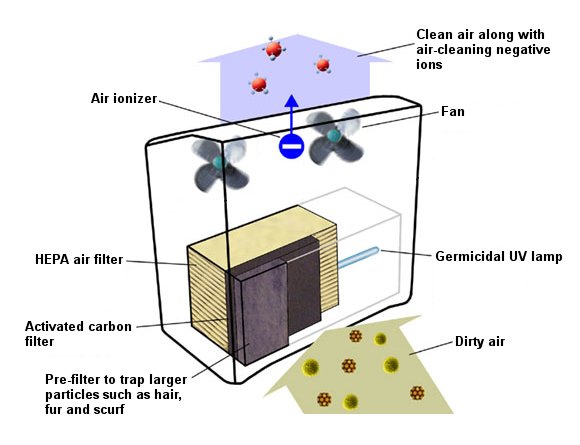
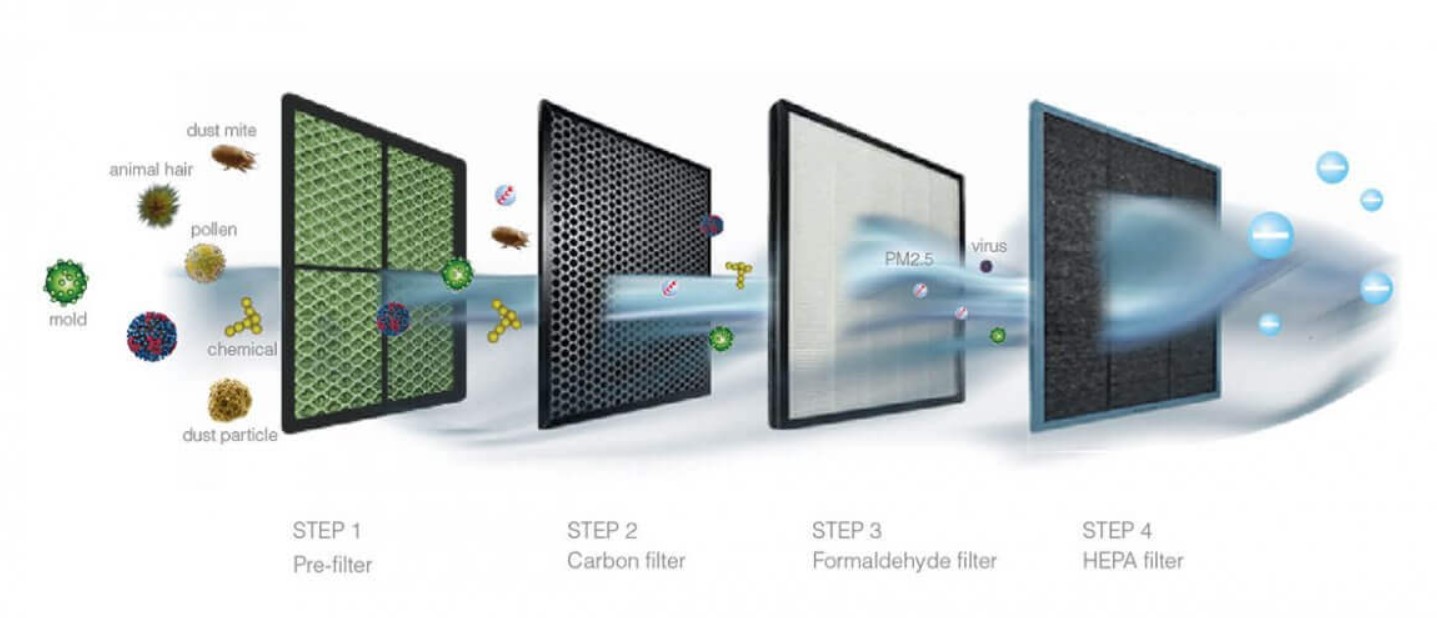
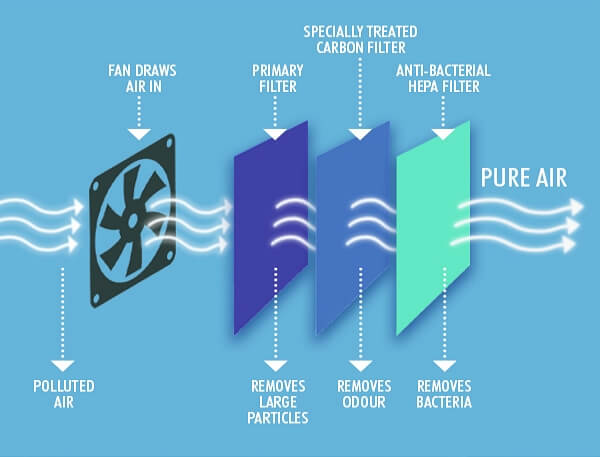
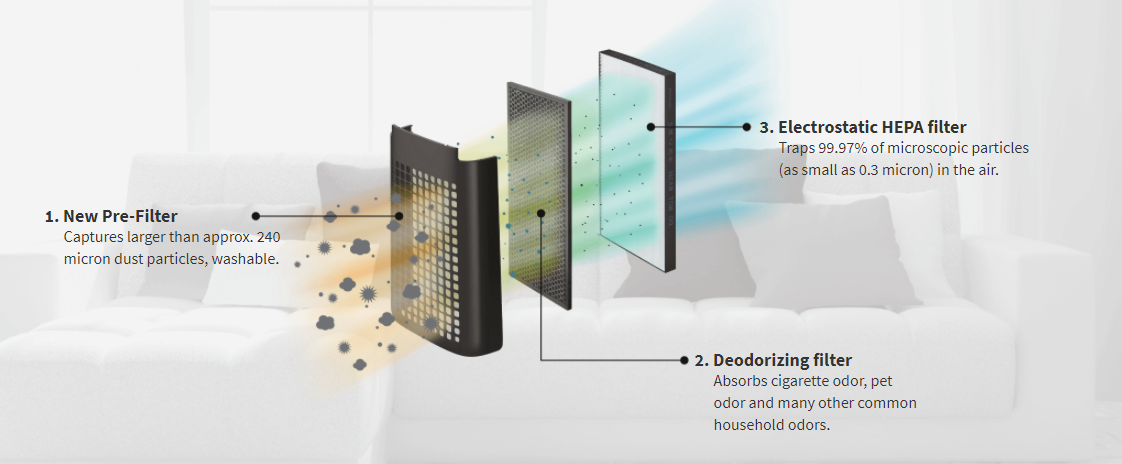
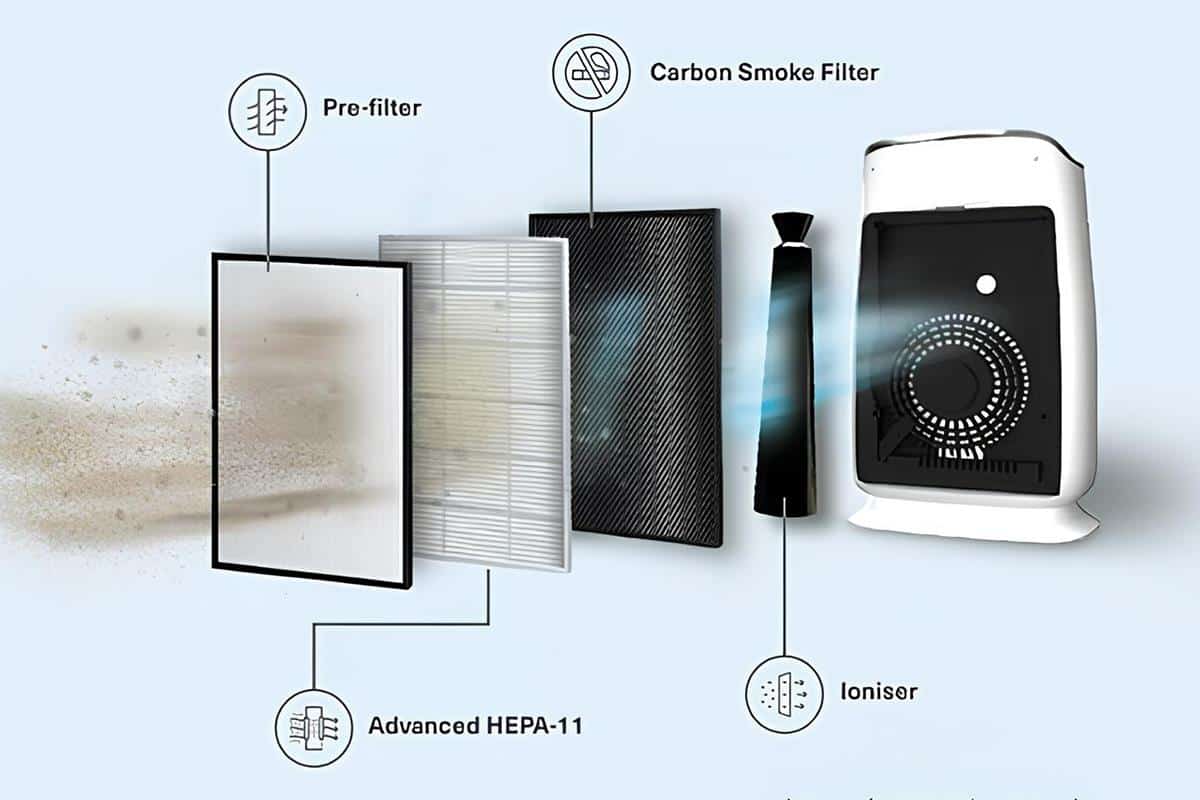
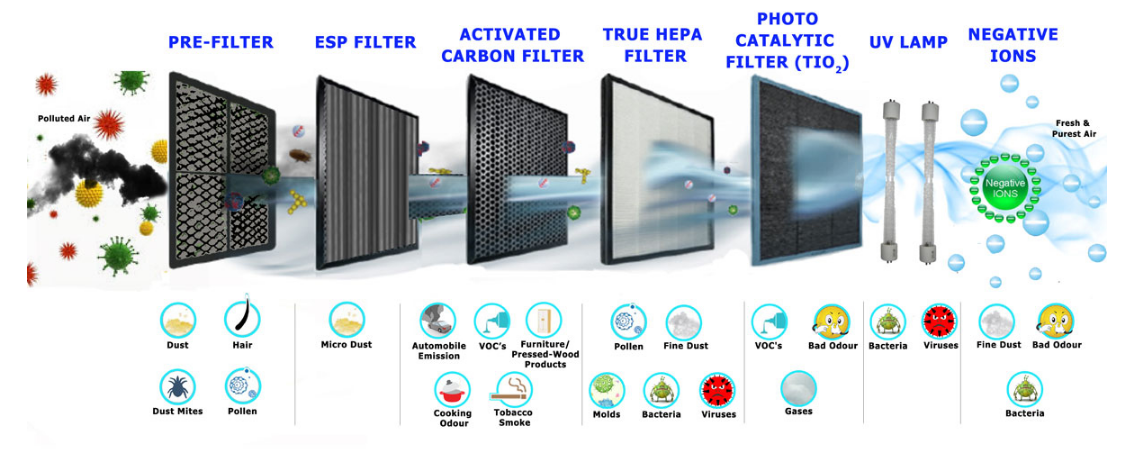
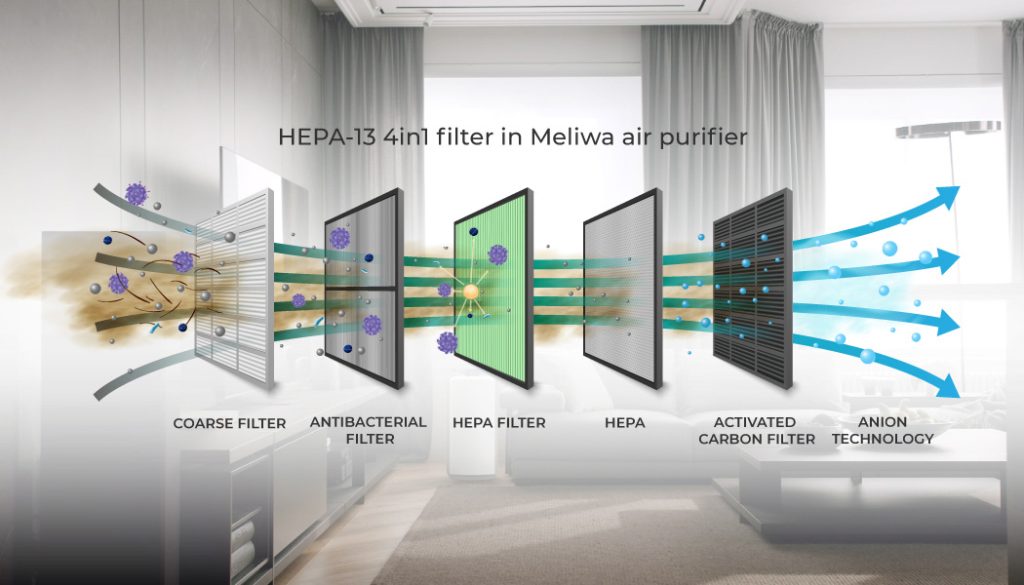
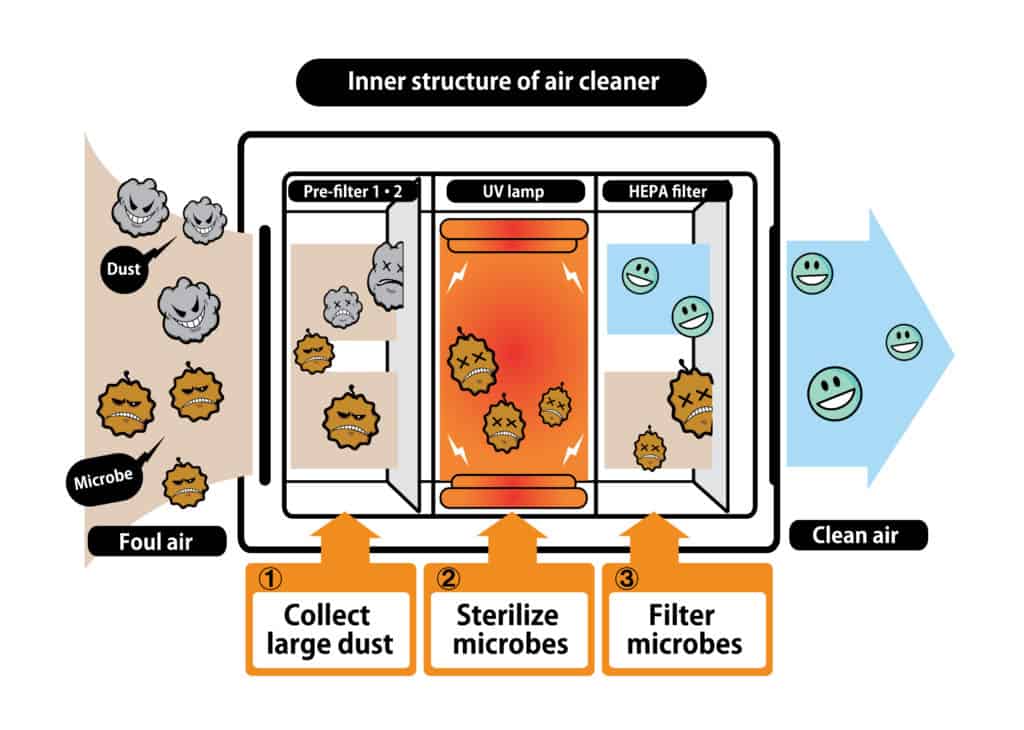
HEPA Filters (High-Efficiency Particulate Air): HEPA filters are the gold standard in mechanical filtration. To be certified as HEPA, a filter must capture at least 99.97% of particles that are 0.3 microns in diameter. This size is considered the "most penetrating particle size" (MPPS), meaning it's the hardest to trap. HEPA filters effectively remove dust, pollen, pet dander, mold spores, and some bacteria.
Pre-filters: These are typically less dense filters that capture larger particles like dust and pet hair. They protect the HEPA filter from becoming clogged prematurely, extending its lifespan and maintaining its efficiency. Think of it like a first line of defense catching the bigger debris before it reaches the finer, more expensive filter.
Activated Carbon Filters: While not technically mechanical filters for particles, activated carbon filters are often included in air purifiers to remove odors and gases. They work through a process called adsorption, where gas molecules bind to the porous surface of the carbon. Activated carbon filters are effective at removing volatile organic compounds (VOCs) emitted from paints, cleaning products, and other household items, as well as smoke and other odors.
Electronic Air Purification: Ionizers and Ozone Generators
Electronic air purifiers use electrical charges to remove particles from the air. However, it's essential to distinguish between different types and understand their potential drawbacks.
Ionizers: Ionizers work by emitting negatively charged ions into the air. These ions attach to airborne particles, giving them a negative charge. These charged particles are then attracted to nearby surfaces, such as walls or furniture, or to a positively charged collection plate within the purifier. While ionizers can effectively remove particles from the air, they don't eliminate them completely. The particles simply settle onto surfaces, requiring regular cleaning. Some ionizers also produce small amounts of ozone, which can be harmful to human health.
Important Note: The EPA warns against using ozone generators for air purification. Ozone is a lung irritant and can worsen respiratory conditions like asthma. While some air purifiers emit ozone as a byproduct, it's best to choose models that are certified to have low or no ozone emissions.
Electrostatic Precipitators: These devices use a two-stage process. First, particles pass through a charging section where they receive an electrical charge. Then, they pass through a collection section with alternating charged plates. The charged particles are attracted to the plates, effectively removing them from the air. Electrostatic precipitators can be very effective at removing small particles, but they require regular cleaning to maintain their efficiency. If the collection plates become dirty, the purifier's performance will decline.
UV-C Light: Targeting Biological Contaminants
UV-C light is a type of ultraviolet light that can kill bacteria, viruses, and mold spores. Air purifiers with UV-C lamps use this light to irradiate the air as it passes through the unit. The UV-C light disrupts the DNA of these microorganisms, rendering them inactive. However, UV-C light is only effective if the air is exposed to it for a sufficient amount of time and at a sufficient intensity. Some air purifiers use UV-C light as a supplementary technology to enhance their overall effectiveness.
Choosing the Right Air Purifier: Key Considerations
Selecting the appropriate air purifier involves several factors, including room size, the types of pollutants you want to remove, and your budget.
Room Size and CADR Ratings
Air purifiers are designed to clean the air in a specific size room. The CADR (Clean Air Delivery Rate) rating indicates how quickly an air purifier can clean a room of a certain size. CADR ratings are typically provided for three types of pollutants: smoke, dust, and pollen. The higher the CADR rating, the faster the purifier can clean the air. To determine the appropriate CADR rating for your room, multiply the room's square footage by a factor based on the type of pollutant you're most concerned about. For example, if you have a 200-square-foot room and are concerned about pollen, multiply 200 by 2/3 (the recommended factor for pollen) to get a CADR of 133.
Filter Replacement and Maintenance
Air purifier filters need to be replaced regularly to maintain their effectiveness. The frequency of filter replacement depends on the type of filter and the amount of pollution in the air. Pre-filters may need to be cleaned or replaced every few months, while HEPA filters typically last for 6-12 months. Activated carbon filters may need to be replaced even more frequently, depending on the level of odors and gases in the air. Consider the cost of replacement filters when choosing an air purifier. Some models have more expensive filters than others.
Proper maintenance is also crucial for ensuring optimal performance. This includes regularly cleaning the exterior of the purifier and vacuuming or washing pre-filters. Electrostatic precipitators require regular cleaning of the collection plates to prevent a buildup of dust and debris.
Noise Level
Air purifiers can generate noise, especially at higher fan speeds. Consider the noise level when choosing a purifier, especially if you plan to use it in a bedroom or other quiet space. Look for models with multiple fan speed settings and a low-noise mode.
Energy Efficiency
Air purifiers consume electricity, so it's important to consider their energy efficiency. Look for models with the Energy Star label, which indicates that they meet certain energy efficiency standards. The power consumption of an air purifier can vary depending on the fan speed and other features.
Cost Considerations
The cost of an air purifier can range from a few hundred dollars to several thousand dollars, depending on the size, features, and technology. HEPA-based models are available in a broad price range, while more advanced technologies like PECO (Photo Electrochemical Oxidation) can be significantly more expensive. Consider the long-term costs, including filter replacements and energy consumption, when evaluating the overall value of an air purifier.
For example, a basic HEPA filter air purifier for a 500 sq. ft. room might cost $200-$400 upfront, with annual filter costs of $50-$100. A more advanced PECO air purifier for the same space could cost $800-$1200, but might have lower annual filter costs due to longer filter lifespans. Evaluate your budget and long-term costs to make the right choice.
Air Purifiers in HVAC Systems
Many modern HVAC systems now offer integrated air purification options. These can include:
- Whole-house HEPA filters: Installed within the ductwork of the HVAC system, these filters purify the air circulating throughout the entire home.
- UV-C lamps in air handlers: These lamps help to kill mold and bacteria within the HVAC system, preventing them from spreading throughout the home.
- Electronic air cleaners: These devices use ionization or electrostatic precipitation to remove particles from the air as it passes through the HVAC system.
Integrating air purification into your HVAC system can provide a comprehensive solution for improving indoor air quality throughout your home.
Conclusion
Air purifiers are valuable tools for improving indoor air quality. By understanding the different technologies, CADR ratings, filter types, and other factors, you can choose the right air purifier to meet your specific needs. Whether you're a homeowner concerned about allergies or a facility manager responsible for maintaining a healthy environment, investing in an air purifier can significantly improve the air you breathe.