How Does An Anode Rod Work

The Unsung Hero of Water Heating: Understanding How An Anode Rod Works
In the world of HVAC and plumbing, certain components quietly perform vital functions, often overlooked until a problem arises. One such hero is the anode rod, a sacrificial component within your water heater. Understanding how it works is crucial for HVAC students, seasoned technicians, and employers alike, impacting everything from preventative maintenance to efficient system operation and, ultimately, customer satisfaction.
What is an Anode Rod?
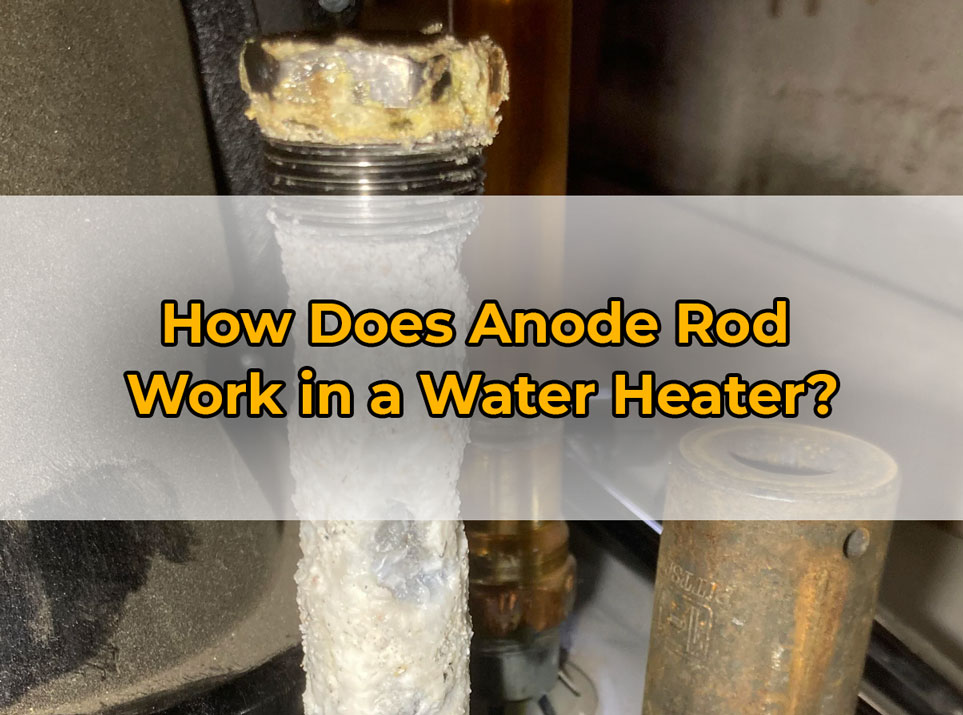
Simply put, an anode rod is a metal rod, typically made of aluminum, magnesium, or a combination of both, that's installed inside a water heater tank. Its primary purpose is to protect the steel tank from corrosion. To understand how it does this, we need to delve into the science of electrochemistry.
The Science Behind Sacrificial Protection: How it Works
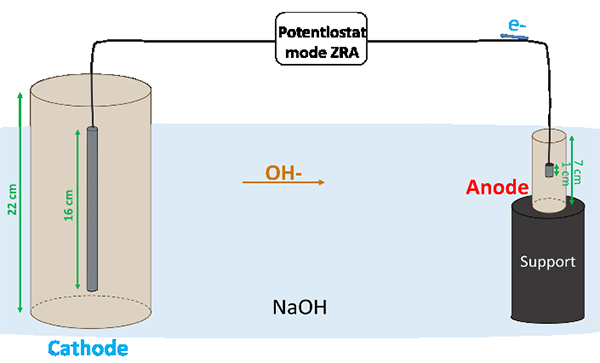
Water, especially when heated, is a corrosive environment for steel. This corrosion happens due to a process called electrolysis, where an electrical current flows between different metals in the presence of an electrolyte (in this case, water). The steel tank of your water heater wants to give up electrons and corrode (rust). The anode rod interferes with this process.
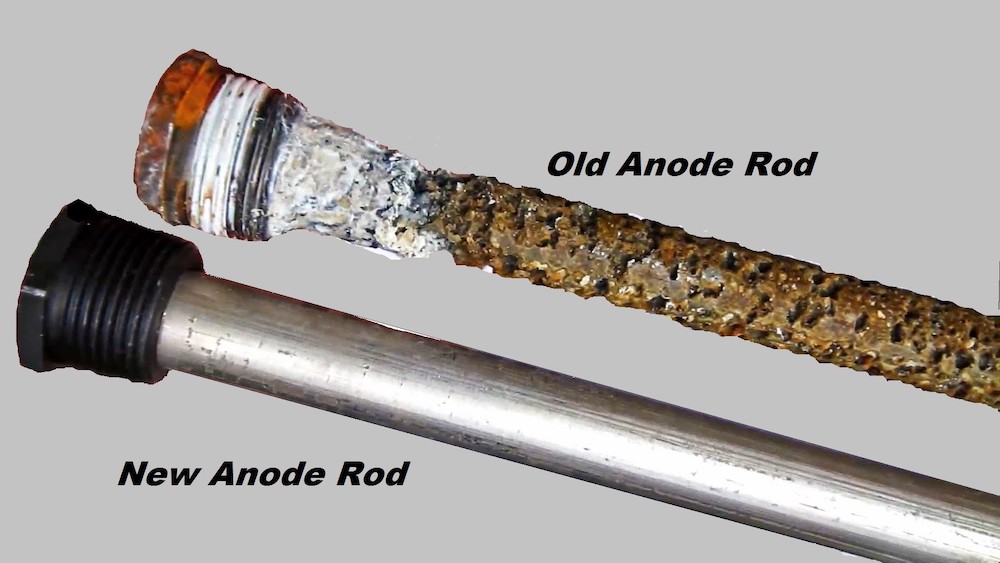
The anode rod is made of a more electronegative metal than the steel tank. This means it has a greater tendency to lose electrons. When both the steel tank and the anode rod are submerged in water, the anode rod corrodes instead of the tank. It's essentially sacrificing itself to protect the steel. This is why it's often referred to as a "sacrificial anode."
"The anode rod is the first line of defense against corrosion in a water heater. Regularly checking and replacing it can significantly extend the life of the tank," explains Mark Johnson, a NATE-certified HVAC technician with 15 years of experience.
The electrolytic process continues until the anode rod is completely consumed. Once that happens, the steel tank becomes vulnerable to corrosion, leading to leaks, reduced efficiency, and eventual water heater failure.
Types of Anode Rods
There are several types of anode rods, each with its own advantages and disadvantages:
- Magnesium Anode Rods: These are highly reactive and provide excellent protection, especially in areas with soft water. However, they tend to corrode faster and may produce a sulfur-like odor in some water conditions.
- Aluminum Anode Rods: They offer a good balance of protection and longevity. They are less reactive than magnesium and less likely to cause odor issues.
- Aluminum/Zinc Alloy Anode Rods: The addition of zinc helps to combat the sulfur odor that can sometimes occur with magnesium rods.
- Powered Anode Rods: These are electronically controlled and provide consistent protection regardless of water quality. They are more expensive but can be a good option in areas with highly corrosive water.
- Flexible Anode Rods: These are segmented and connected by a flexible wire, making them ideal for tight spaces where a standard rod won't fit.
Why Understanding Anode Rods Matters for HVAC Professionals
For HVAC professionals, understanding anode rods is crucial for several reasons:
- Preventative Maintenance: Checking the anode rod during routine water heater maintenance is a proactive way to prevent costly repairs and extend the lifespan of the unit.
- Troubleshooting: Water heater problems like rusty water or strange odors can often be traced back to a corroded anode rod.
- Customer Service: Educating customers about the importance of anode rods and offering replacement services can build trust and generate repeat business.
- Efficiency: A corroded water heater is less efficient, leading to higher energy bills. Replacing the anode rod can help restore efficiency.
Career Paths and Certifications in HVAC
A strong understanding of water heating systems, including anode rods, is essential for a successful career in HVAC. Here's a look at some common career paths and relevant certifications:
- HVAC Technician: Install, maintain, and repair heating, ventilation, and air conditioning systems, including water heaters. Median salary: $51,470 per year (Bureau of Labor Statistics, May 2021).
- HVAC Installer: Specialize in installing new HVAC systems, including water heaters.
- HVAC Service Manager: Oversee a team of HVAC technicians and ensure customer satisfaction.
Relevant Certifications:
- NATE (North American Technician Excellence): Demonstrates competency in specific HVAC areas. NATE offers certifications for various specialties, including installation and service.
- EPA Section 608 Certification: Required for technicians who handle refrigerants.
- Manufacturer-Specific Certifications: Many manufacturers offer training and certification programs for their equipment.
- Plumbing Certifications/Licenses: Depending on the location, some work on water heaters might require a plumbing license or certification.
The job outlook for HVAC technicians is projected to grow 5 percent from 2021 to 2031, about average for all occupations. This growth is driven by new construction and the need to replace or upgrade existing systems. (Bureau of Labor Statistics)
Anode Rod Replacement: A Practical Guide
Replacing an anode rod is a relatively straightforward process, but it's essential to follow safety precautions and manufacturer instructions. Here's a general overview:
- Turn off the power and water supply to the water heater.
- Drain a few gallons of water from the tank.
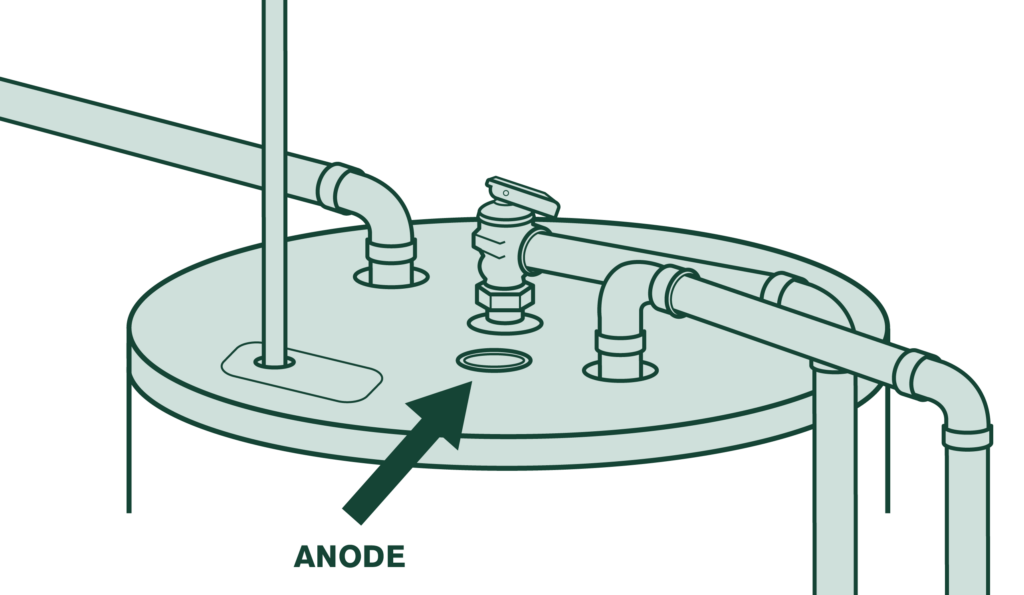
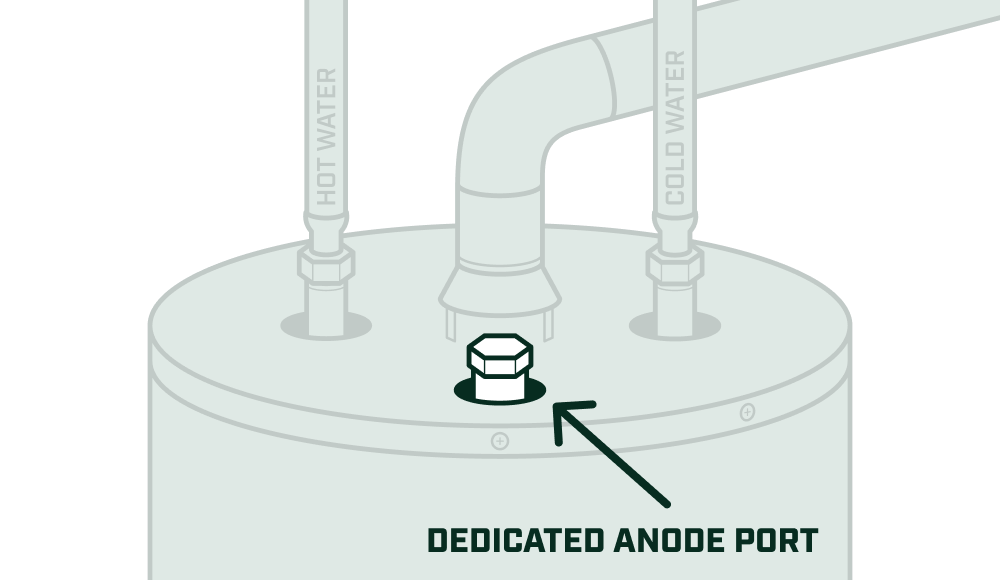
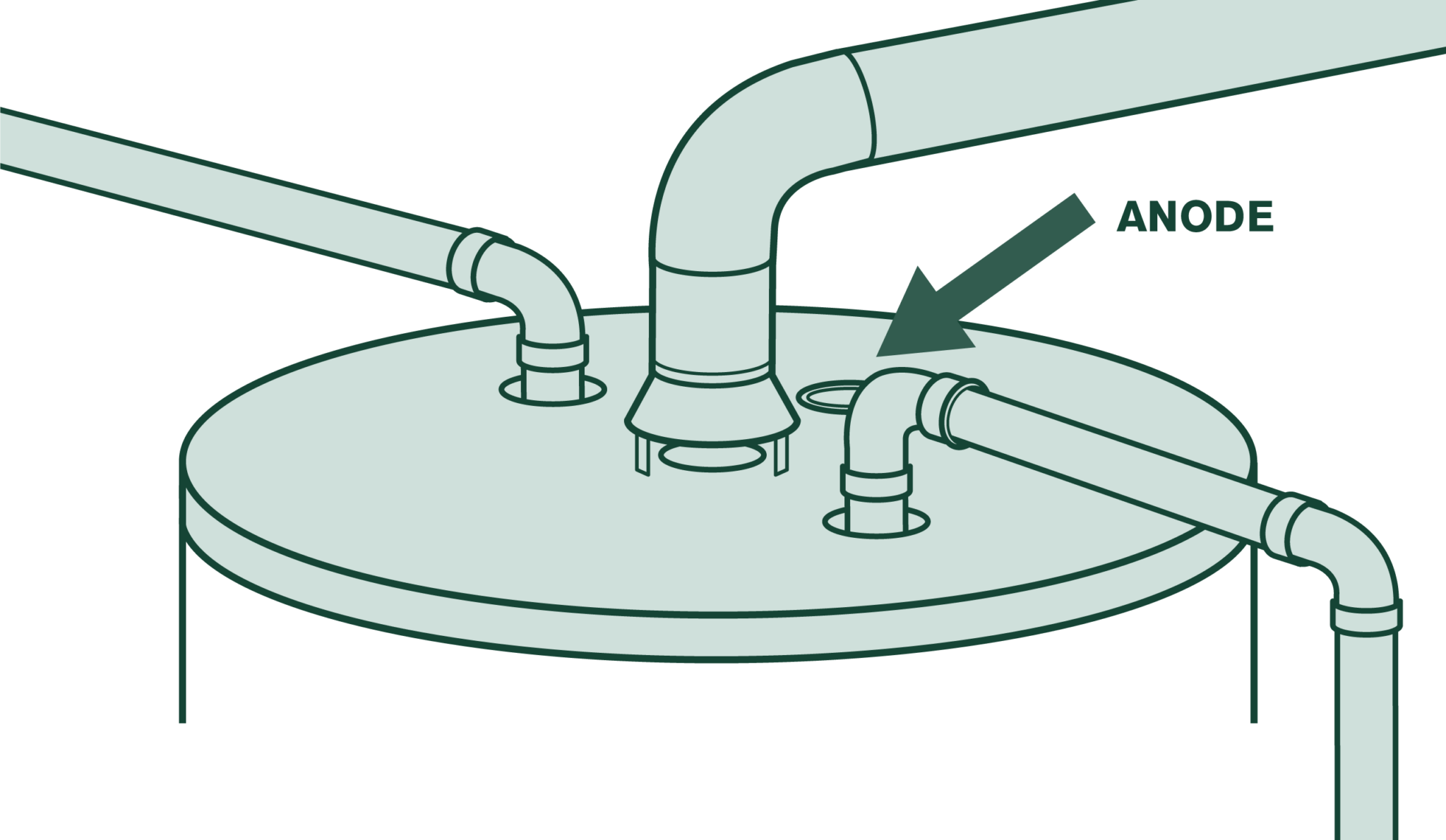
- Locate the anode rod. It's typically found on the top of the tank, under a cap or fitting.
- Use a wrench to loosen and remove the old anode rod. Be prepared for some resistance.
- Install the new anode rod. Use Teflon tape on the threads to prevent leaks.
- Tighten the new anode rod securely.
- Turn the water and power back on.
- Check for leaks.
Important Considerations:
- Water Quality: The type of anode rod you choose should be based on your local water quality. If you're unsure, consult with a local plumbing or HVAC professional.
- Tank Size: The length of the anode rod should be appropriate for the size of your water heater tank.
- Space Constraints: If you have limited headroom above your water heater, a flexible anode rod may be necessary.
The Employer Perspective: Hiring and Training
For employers in the HVAC industry, ensuring that technicians have a solid understanding of anode rods and water heater maintenance is crucial. This can be achieved through:
- Comprehensive Training Programs: Include anode rod inspection and replacement in your training curriculum.
- Continuing Education: Offer opportunities for technicians to stay up-to-date on the latest technologies and best practices.
- Mentorship Programs: Pair experienced technicians with newer employees to provide hands-on training and guidance.
Investing in employee training not only improves the quality of service but also enhances employee retention. A well-trained technician is more confident, more efficient, and more likely to stay with your company.
Real-World Example: From Apprentice to Lead Technician
Consider the career path of Sarah Miller. Sarah started as an HVAC apprentice, learning the basics of heating and cooling systems. She paid close attention to water heater maintenance and quickly grasped the importance of anode rods. Her attention to detail and proactive approach to preventative maintenance impressed her supervisors. Within a few years, Sarah earned her NATE certification and was promoted to lead technician. She now leads a team of technicians and is responsible for training new employees. Sarah's success is a testament to the value of a solid foundation in the fundamentals of HVAC, including the often-overlooked anode rod.
Conclusion: A Small Part, a Big Impact
The anode rod may be a small and relatively inexpensive component, but it plays a crucial role in protecting your water heater and ensuring its longevity. By understanding how it works, HVAC professionals can provide better service, prevent costly repairs, and build lasting relationships with their customers. For employers, investing in training and development related to water heater maintenance, including anode rod replacement, is a smart investment that can pay dividends in terms of improved service quality, increased customer satisfaction, and enhanced employee retention. Staying informed about industry trends and best practices, like proper anode rod selection and installation, is vital for success in the ever-evolving HVAC landscape.