How Does An Ecm Motor Work

Unlocking HVAC Efficiency: Understanding ECM Motors
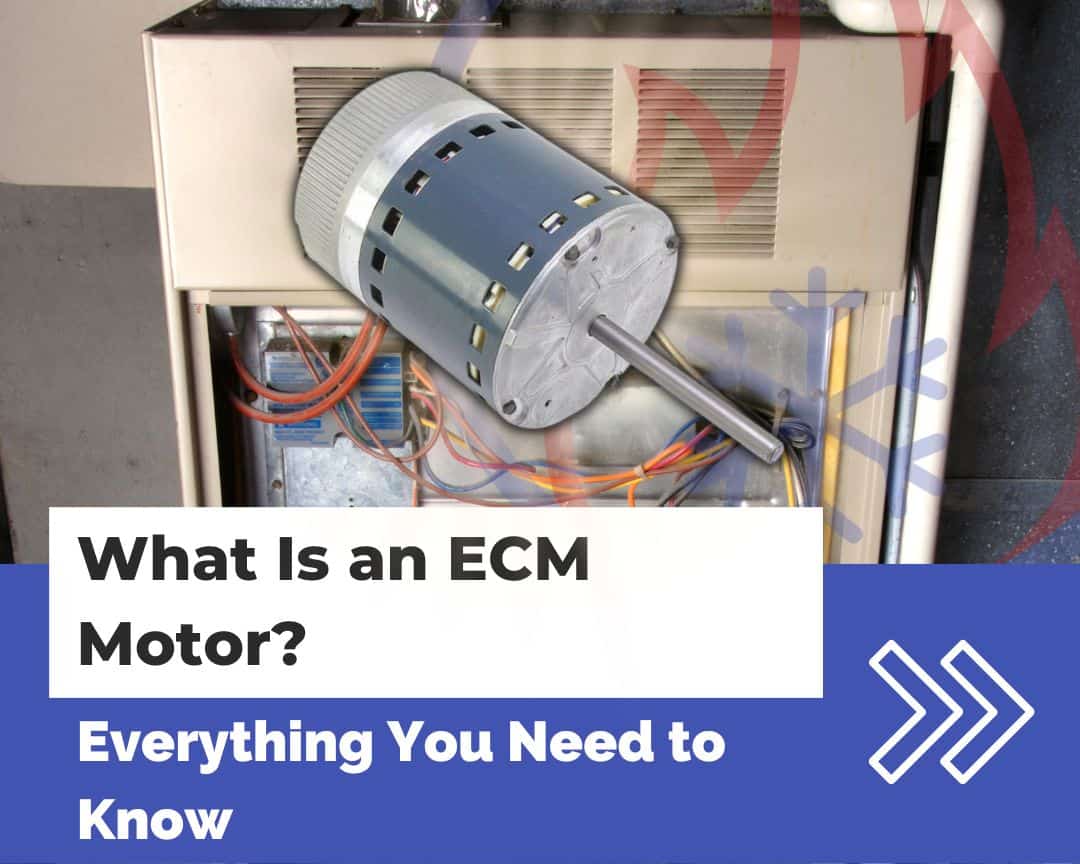
When it comes to upgrading your home's heating and cooling system, the motor powering the air handler or furnace blower is a crucial component to consider. Modern HVAC systems are increasingly equipped with Electronically Commutated Motors (ECMs), touted for their superior energy efficiency and performance compared to traditional motors. This guide will delve into the workings of ECM motors, exploring their benefits, drawbacks, and how they impact your overall HVAC experience.
What is an ECM Motor?
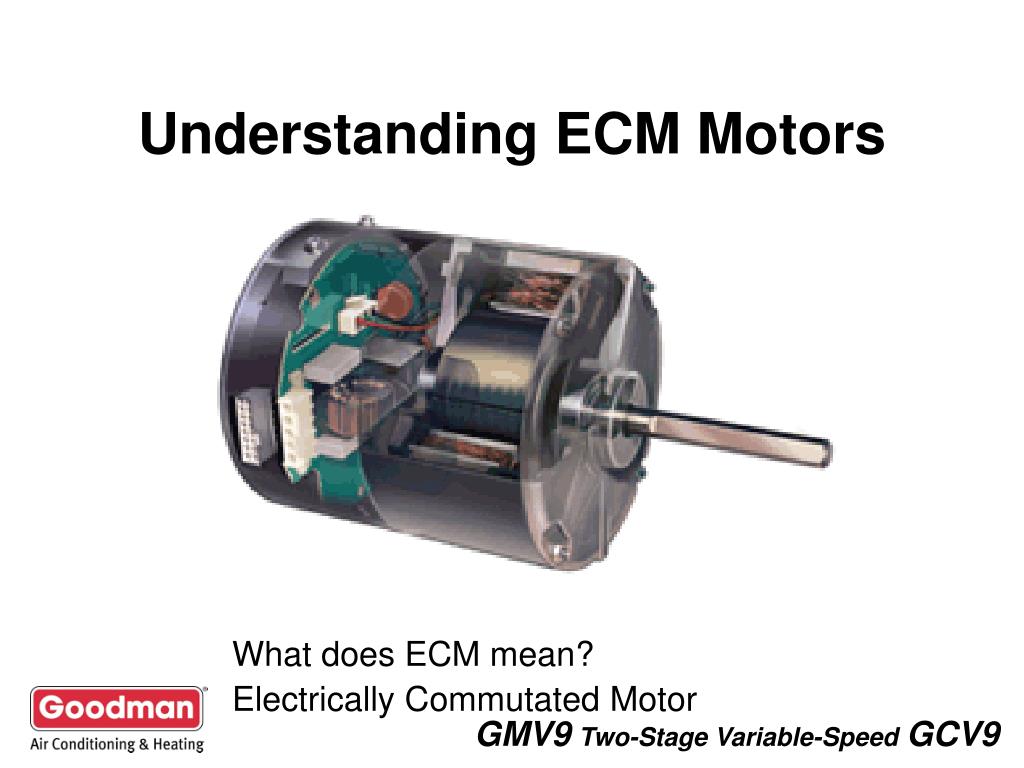
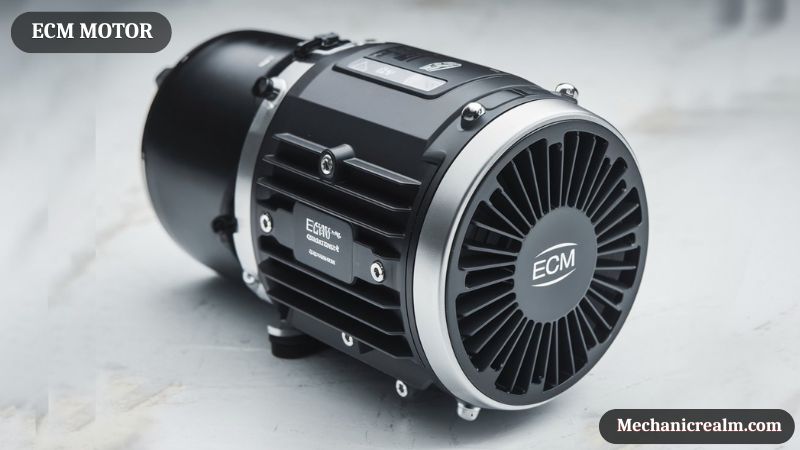
An ECM, also known as a brushless DC motor, is a type of electric motor that uses electronic circuitry to control the speed and torque of the motor. Unlike traditional AC induction motors, which rely on alternating current to induce a magnetic field, ECMs utilize a permanent magnet rotor and electronic controls to achieve precise and efficient operation.
How Does an ECM Motor Work? A Deep Dive
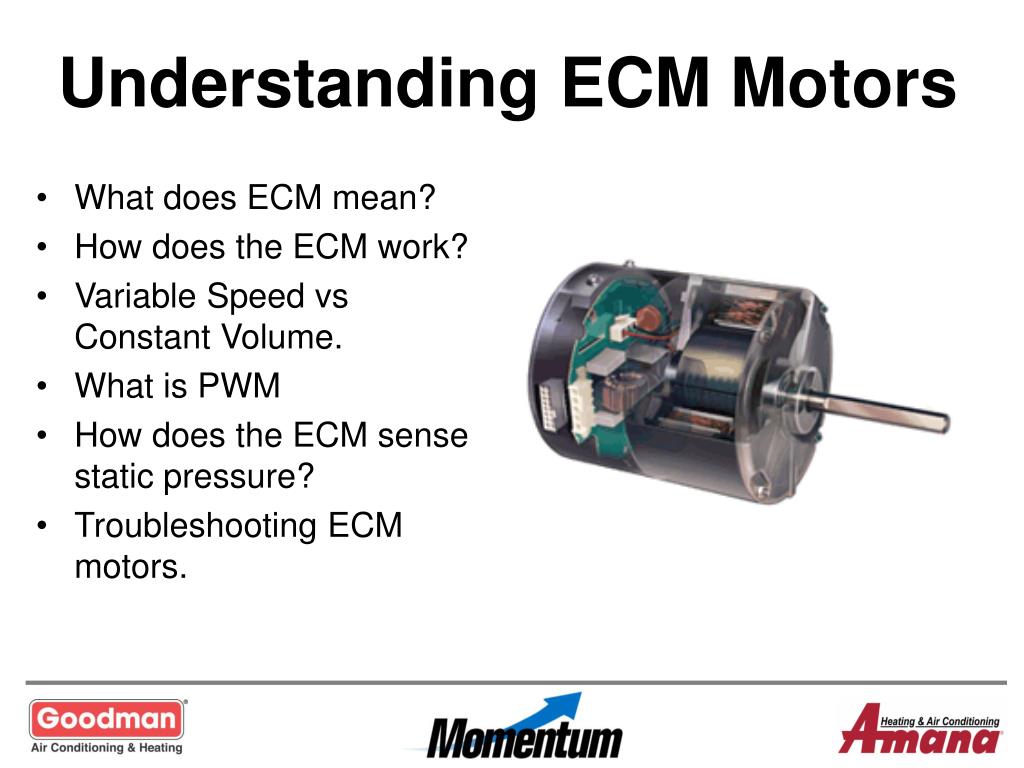
To truly understand the advantages of an ECM, let's break down its working principle:
- Permanent Magnets: The rotor of an ECM contains powerful permanent magnets. These magnets create a constant magnetic field.
- Stator Windings: Surrounding the rotor are stator windings, which are coils of wire.
- Electronic Control: This is the brain of the ECM. An electronic control module (ECM) precisely controls the current flowing through the stator windings.
- Magnetic Field Manipulation: The ECM strategically energizes the stator windings to create a rotating magnetic field. This field interacts with the permanent magnets on the rotor.
- Rotor Rotation: The interaction between the rotating magnetic field and the rotor's permanent magnets causes the rotor to spin.
- Feedback and Adjustment: Sensors provide feedback to the ECM about the rotor's position and speed. The ECM continuously adjusts the current to the stator windings to maintain the desired speed and torque.
This precise control allows ECMs to operate at variable speeds, matching the airflow to the specific heating or cooling demand. In contrast, traditional AC motors often run at a fixed speed, regardless of the actual need, wasting energy.
The Benefits of ECM Motors
The advantages of ECMs translate to tangible benefits for homeowners:
- Energy Efficiency: This is the primary advantage. ECMs can use significantly less electricity than traditional AC motors, leading to lower energy bills. Savings can range from 25% to 50% depending on usage and the system's design.
- Variable Speed Operation: ECMs can adjust their speed based on demand. This allows for more consistent temperature control and reduced temperature swings in your home. Variable speed also facilitates better dehumidification in cooling mode.
- Quieter Operation: ECMs generally operate more quietly than traditional motors, contributing to a more comfortable indoor environment.
- Improved Airflow Control: Precise airflow control can improve the distribution of heated or cooled air throughout your home, eliminating hot and cold spots.
- Increased System Lifespan: The smoother operation of ECMs can reduce wear and tear on other HVAC components, potentially extending the lifespan of your entire system.
Potential Drawbacks of ECM Motors
While ECMs offer numerous benefits, it's important to consider potential drawbacks:
- Higher Initial Cost: HVAC systems with ECM motors typically have a higher upfront cost compared to systems with traditional motors.
- Potential for Complex Repairs: ECMs are more complex than traditional motors, potentially requiring specialized knowledge and tools for repairs. This can translate to higher repair costs in some cases.
- Sensitivity to Power Surges: ECMs can be more sensitive to power surges and voltage fluctuations than traditional motors. A surge protector is highly recommended.
ECM Motors and HVAC Efficiency Ratings: SEER, AFUE, and HSPF
ECMs play a significant role in achieving higher efficiency ratings for HVAC systems. Here's how they relate to common rating metrics:
- SEER (Seasonal Energy Efficiency Ratio): Measures the cooling efficiency of an air conditioner or heat pump. ECMs contribute to higher SEER ratings by optimizing airflow and reducing energy consumption during cooling operation.
- AFUE (Annual Fuel Utilization Efficiency): Measures the heating efficiency of a furnace. While the burner technology is the primary factor in AFUE, ECMs can improve overall furnace efficiency by using less electricity to circulate heated air.
- HSPF (Heating Seasonal Performance Factor): Measures the heating efficiency of a heat pump. Similar to SEER, ECMs contribute to higher HSPF ratings by optimizing airflow and reducing energy consumption during heating operation.
When comparing HVAC systems, pay attention to these ratings. Systems with ECM motors often boast higher SEER, AFUE, and HSPF values, indicating better energy efficiency.
Popular HVAC Brands and Models Featuring ECM Motors
Many leading HVAC brands offer models with ECM motors. Here are a few examples:
- Carrier: Carrier's Infinity series air conditioners and furnaces often feature variable-speed ECM motors for enhanced efficiency and comfort. Consider models like the Carrier Infinity 26 air conditioner or the Carrier Infinity 98 furnace.
- Trane: Trane's XV series air conditioners and furnaces are known for their advanced features, including variable-speed ECM motors. Look at the Trane XV20i air conditioner or the Trane XV95 furnace.
- Lennox: Lennox offers a range of high-efficiency HVAC systems with ECM motors, such as the Dave Lennox Signature Collection. Explore models like the Lennox SL280V furnace.
- American Standard: American Standard, closely related to Trane, also provides similar high-efficiency options with ECM motors. Consider their Platinum series units.
Note: Availability and specific features may vary depending on your region and the dealer. Always consult with a qualified HVAC professional to determine the best system for your needs.
Warranty Considerations
HVAC warranties typically cover the ECM motor, but the terms and conditions can vary. Pay close attention to the following:
- Warranty Length: Standard warranties on HVAC components are typically 5-10 years, but extended warranties are often available.
- Coverage Details: Understand what parts and labor are covered under the warranty. Some warranties may only cover parts, while others cover both parts and labor.
- Registration Requirements: Many manufacturers require you to register your HVAC system within a specific timeframe to activate the full warranty.
- Maintenance Requirements: Warranties often require regular maintenance by a qualified HVAC technician to remain valid.
Maintenance Tips for ECM Motors
Proper maintenance is crucial for ensuring the longevity and performance of your ECM motor:
- Regular Filter Changes: A dirty air filter restricts airflow, which can put extra strain on the motor. Change your air filter regularly, typically every 1-3 months.
- Professional Inspections: Schedule annual inspections with a qualified HVAC technician to check the motor's performance and identify any potential issues.
- Surge Protection: Use a surge protector to protect the ECM from voltage spikes and power surges.
- Keep the Unit Clean: Ensure the area around the outdoor unit is clear of debris that could obstruct airflow.
ECM Motor Replacement Costs
If your ECM motor fails, the cost of replacement can vary depending on the make and model of your HVAC system, the complexity of the repair, and your location. Expect to pay anywhere from $500 to $1500 for ECM motor replacement, including parts and labor. Get quotes from multiple HVAC contractors to ensure you're getting a fair price.
Making the Right Choice
Choosing an HVAC system with an ECM motor is a significant investment that can pay off in the long run through energy savings, improved comfort, and enhanced performance. While the initial cost may be higher, the benefits often outweigh the drawbacks, especially for homeowners who prioritize energy efficiency and long-term value. Consult with a qualified HVAC professional to determine if an ECM motor is the right choice for your home and your specific needs.
Remember to always compare multiple quotes and consider the total cost of ownership, including energy bills and potential maintenance expenses, when making your decision.
Ultimately, understanding how an ECM motor works empowers you to make informed decisions about your HVAC system and enjoy a more comfortable and energy-efficient home.