How Does An Electric Furnace Work

How Does an Electric Furnace Work? A Guide to Understanding and Maximizing Efficiency
With rising energy costs and a growing emphasis on sustainability, understanding your home's heating system is more important than ever. While gas furnaces have traditionally dominated the market, electric furnaces are gaining popularity as a cleaner and often more cost-effective alternative, especially when paired with renewable energy sources. This article delves into the inner workings of electric furnaces, exploring their efficiency, cost-effectiveness, and how they can be integrated into smart home ecosystems to optimize energy consumption.
The Basic Principles of Electric Resistance Heating
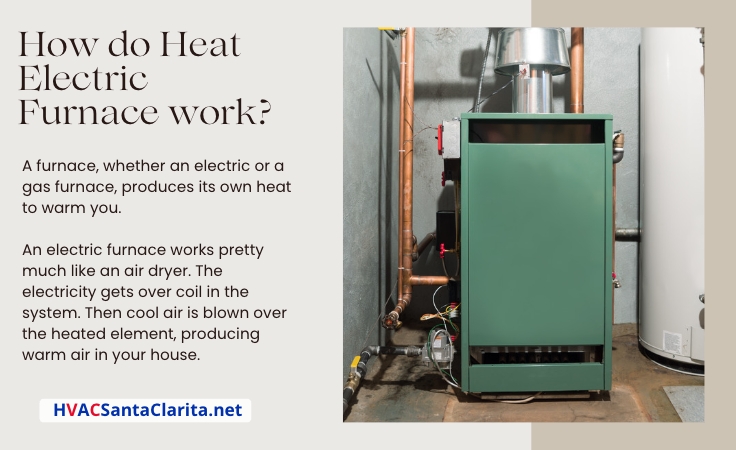
At its core, an electric furnace operates on a simple principle: electric resistance heating. This process involves passing an electric current through a high-resistance material, converting electrical energy into heat. Think of it like a giant toaster oven for your entire house. The key components include:
- Heating Elements: These are the heart of the furnace, typically made of durable, heat-resistant alloys like nichrome. When electricity flows through these elements, they heat up significantly.
- Blower Fan: A powerful fan circulates air across the heated elements, drawing cool air from your home's return vents.
- Ductwork: The heated air is then distributed throughout your home via a network of ducts.
- Thermostat: This controls the entire process, signaling the furnace to turn on or off based on the desired temperature.
- Safety Controls: Overheat sensors and limit switches are crucial for preventing the unit from overheating and ensuring safe operation.
The efficiency of an electric furnace is typically expressed as a percentage. Because they convert almost all of the electricity they use into heat, electric furnaces boast a high efficiency rating, often approaching 100%. However, this doesn't necessarily translate to lower energy bills, as the cost of electricity is often higher than the cost of natural gas in many regions.
Step-by-Step Operation
Here's a breakdown of how an electric furnace works:
- Thermostat Activation: When the thermostat detects that the room temperature is below the setpoint, it sends a signal to the furnace's control panel.
- Heating Element Activation: The control panel activates the heating elements, allowing electricity to flow through them. These elements quickly heat up to a high temperature.
- Blower Fan Activation: Simultaneously, the blower fan starts, drawing cool air from the return vents.
- Air Heating and Circulation: The cool air passes over the hot heating elements, absorbing the heat. The now-heated air is then forced through the ductwork and distributed throughout the house.
- Thermostat Deactivation: Once the thermostat detects that the room temperature has reached the setpoint, it sends a signal to the control panel to turn off the heating elements and the blower fan (or, in some systems, the blower fan continues to run for a short period to cool down the elements).
Efficiency and Cost Considerations: A Deeper Dive
While electric furnaces can be highly efficient at converting electricity into heat, their overall cost-effectiveness depends on several factors:
- Electricity Costs: The price of electricity varies significantly by region. In areas with low electricity rates, electric furnaces can be a very economical choice.
- Insulation: Proper insulation is crucial for minimizing heat loss, regardless of the heating system. Well-insulated homes require less energy to heat, making electric furnaces more efficient.
- Home Size: Larger homes require more powerful furnaces, which can consume more electricity.
- Climate: In extremely cold climates, electric furnaces may struggle to keep up with the heating demand, leading to higher energy bills. Heat pumps might be a better alternative in such climates.
- Energy Efficiency Ratings: Look for Energy Star certified electric furnaces, as these models meet strict energy efficiency guidelines.
Before investing in an electric furnace, it's wise to compare the cost of electricity to the cost of other fuels like natural gas or propane in your area. Use online calculators or consult with an HVAC professional to estimate your potential energy savings.
Electric Furnaces vs. Gas Furnaces: A Comparison
Here's a quick comparison between electric and gas furnaces:
| Feature | Electric Furnace | Gas Furnace |
|---|---|---|
| Efficiency | ~100% | 80-98% |
| Fuel Source | Electricity | Natural Gas, Propane |
| Installation Cost | Generally Lower | Generally Higher |
| Operating Cost | Dependent on Electricity Prices | Dependent on Gas Prices |
| Maintenance | Lower | Higher |
| Emissions | Zero On-Site | Produces Greenhouse Gases |
| Safety | Lower Risk of Carbon Monoxide Poisoning | Risk of Carbon Monoxide Poisoning |
The Benefits of Smart HVAC Integration
Integrating your electric furnace with smart home technology can significantly enhance its efficiency and convenience. Here are some key benefits:
- Smart Thermostats: Smart thermostats learn your heating preferences and adjust the temperature automatically, optimizing energy consumption. Many models also offer remote control via smartphone apps. Energy Star certified smart thermostats can save you up to 8% on heating and cooling costs annually.
- Zoning Systems: Zoning systems allow you to control the temperature in different areas of your home independently. This can be particularly beneficial if you have rooms that are rarely used.
- Smart Sensors: Smart sensors can monitor temperature and humidity levels throughout your home, providing valuable data for optimizing your heating settings.
- Remote Monitoring and Control: Monitor and control your furnace from anywhere with a smartphone or tablet. This can be especially useful if you travel frequently.
- Energy Usage Tracking: Many smart HVAC systems provide detailed reports on your energy consumption, allowing you to identify areas where you can save money.
Maintenance Tips for Electric Furnaces
Proper maintenance is crucial for ensuring the longevity and efficiency of your electric furnace. Here are some essential tips:
- Regularly Replace Air Filters: Dirty air filters restrict airflow, forcing the furnace to work harder and reducing its efficiency. Replace air filters every 1-3 months, depending on usage and air quality.
- Inspect Ductwork: Check your ductwork for leaks or damage. Seal any leaks with duct tape or hire a professional to repair them.
- Clean Heating Elements: Dust and debris can accumulate on the heating elements, reducing their efficiency. Clean the elements periodically with a vacuum cleaner.
- Schedule Professional Maintenance: Have your furnace inspected and serviced by a qualified HVAC technician at least once a year. They can identify and address any potential problems before they become major issues.
Government Incentives and Rebates
Many government agencies and utility companies offer incentives and rebates for homeowners who install energy-efficient heating systems, including electric furnaces. Be sure to check with your local utility company and state energy office for available programs. The federal tax credit for energy efficiency can also help offset the cost of upgrading to a more efficient system.
Conclusion
Electric furnaces offer a clean, efficient, and often cost-effective heating solution for many homes. By understanding how they work, optimizing their performance with smart home technology, and taking advantage of available incentives, you can significantly reduce your energy bills and contribute to a more sustainable future. Consider all factors including local electricity costs, home insulation, and climate to decide if an electric furnace is the right choice for you.