How Does An Energy Recovery Unit Work
Are you tired of watching your energy bills skyrocket every month? Do you want to breathe fresher, healthier air indoors without sacrificing your budget? Then it's time to explore the world of Energy Recovery Units, or ERUs. These often-overlooked HVAC powerhouses can dramatically reduce your energy consumption while enhancing indoor air quality. This article breaks down exactly how they work, the different types available, and why they're a smart investment for homeowners, businesses, and anyone passionate about sustainable living.
Understanding the Basics: What is an Energy Recovery Unit (ERU)?
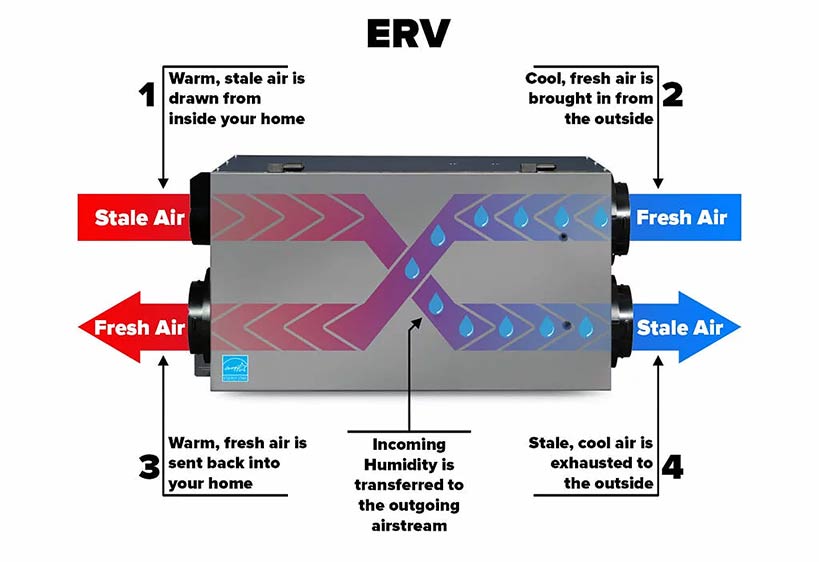
An Energy Recovery Unit, often called an Energy Recovery Ventilator (ERV) or Heat Recovery Ventilator (HRV), is a mechanical ventilation system designed to exchange stale indoor air with fresh outdoor air. But unlike a simple open window, an ERU pre-conditions the incoming fresh air by transferring heat and/or moisture from the outgoing stale air. This process significantly reduces the workload on your heating and cooling system, leading to substantial energy savings.
Think of it like this: During the winter, an ERU captures heat from the warm air being exhausted from your home or business and uses it to preheat the incoming cold air. Conversely, in the summer, it removes heat and humidity from the incoming hot, humid air, pre-cooling it before it enters your air conditioning system. This minimizes the temperature difference your HVAC system needs to overcome, resulting in lower energy consumption and reduced utility bills.
How Does an ERU Actually Work? The Core Principles
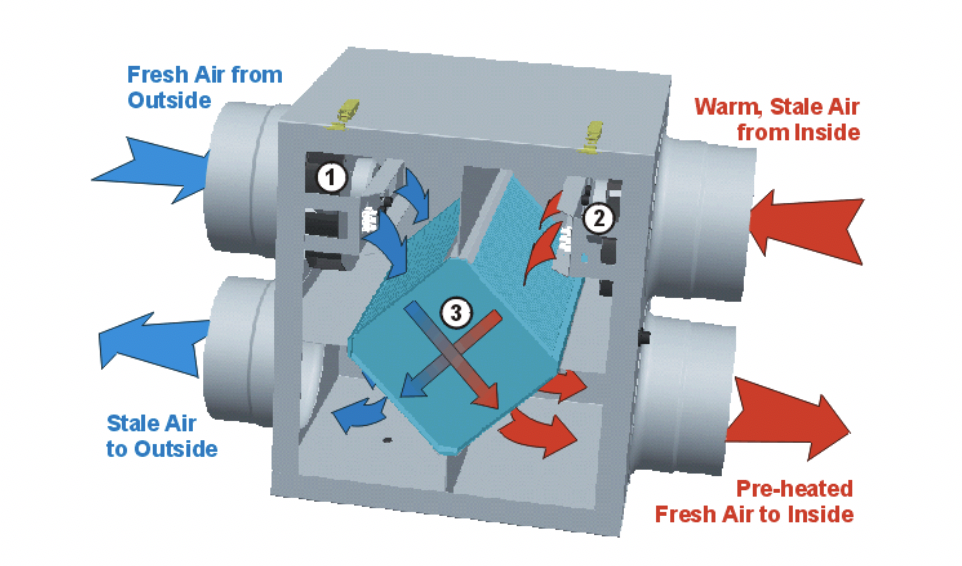
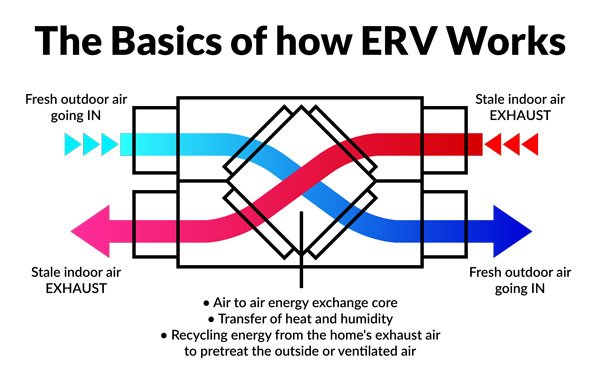
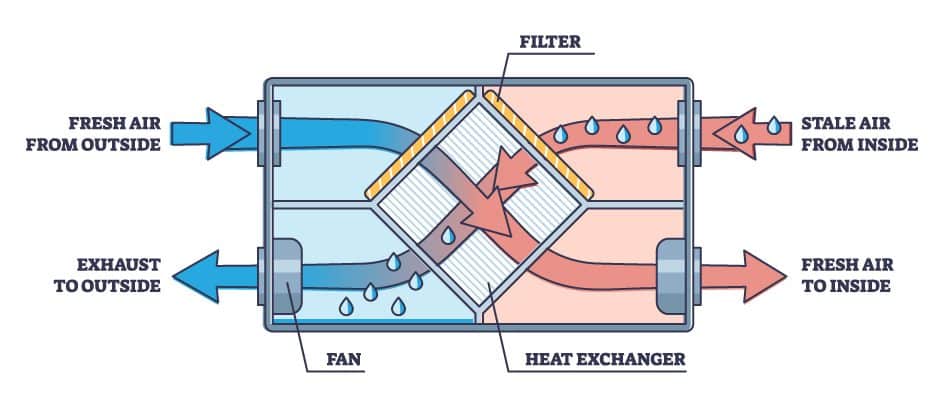
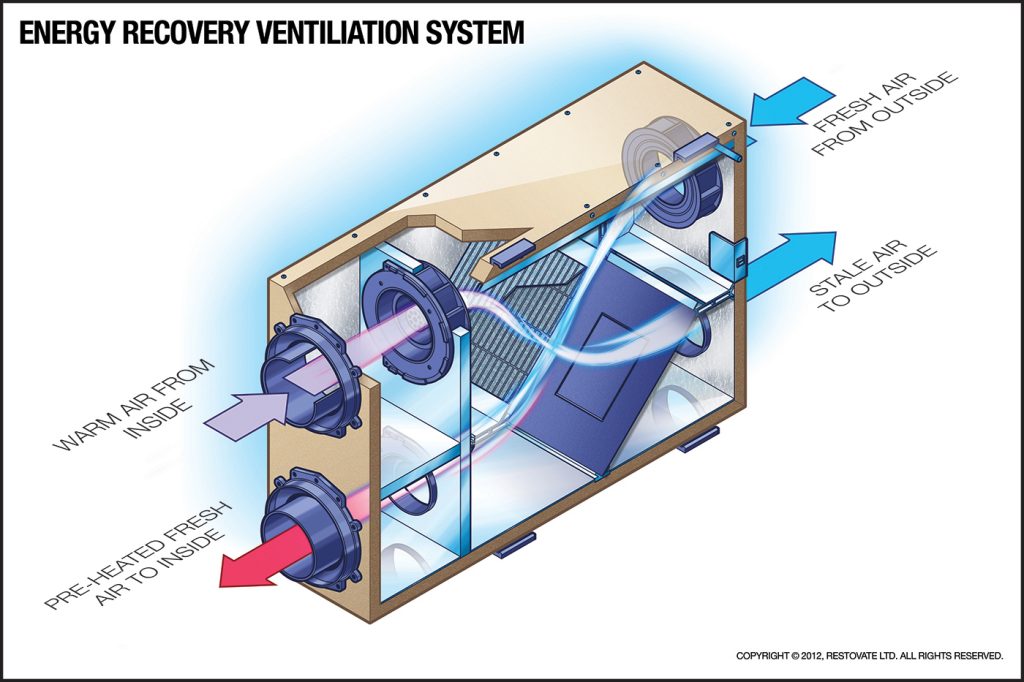
The magic of an ERU lies in its core components, primarily the energy exchange core. This core, made from various materials like aluminum, plastic, or specialized membranes, allows for the transfer of heat and moisture without mixing the air streams. Here’s a step-by-step breakdown:
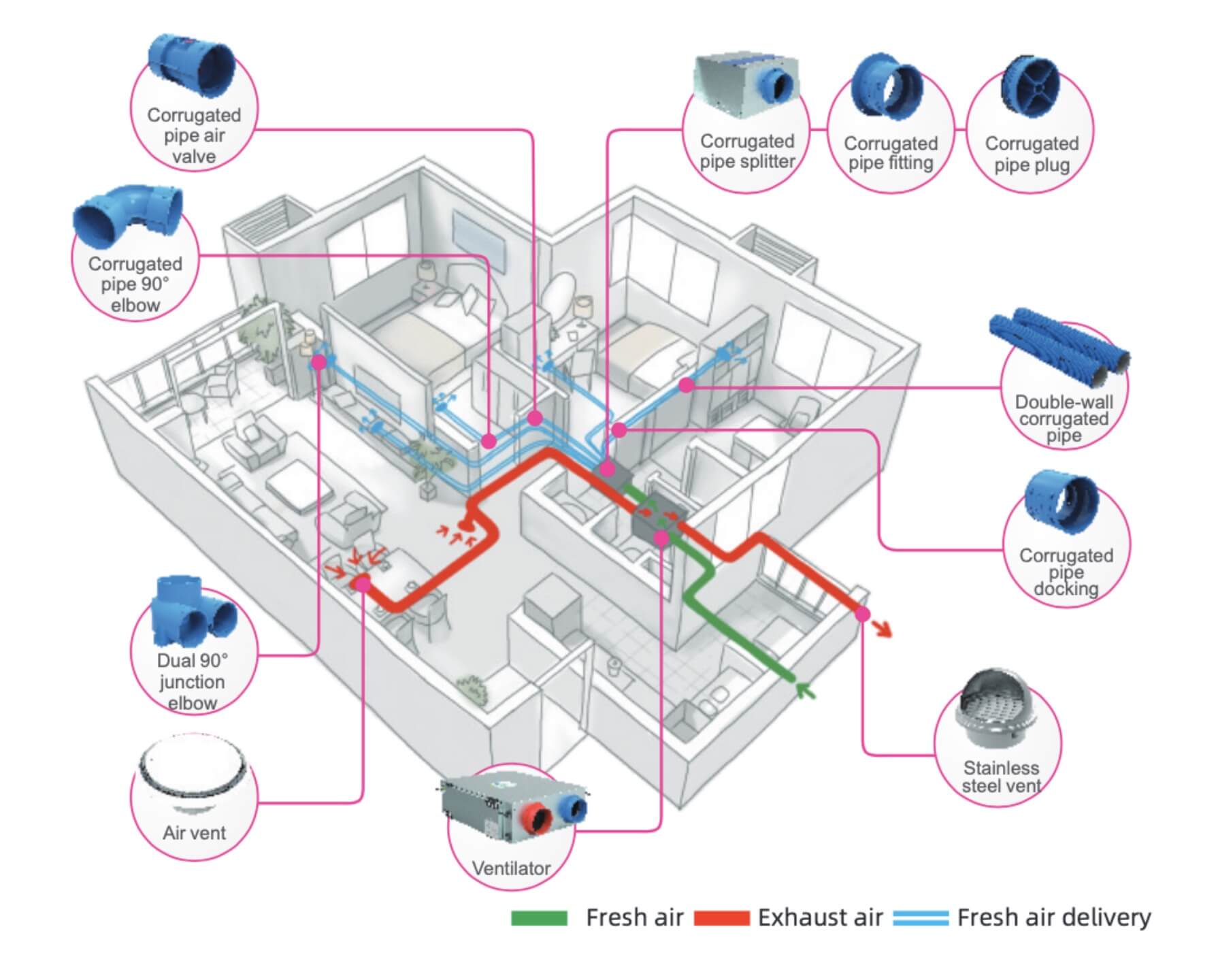
- Air Intake: Stale indoor air is drawn from areas like bathrooms, kitchens, and laundry rooms – places where moisture and pollutants tend to accumulate. Simultaneously, fresh outdoor air is drawn in through a separate intake.
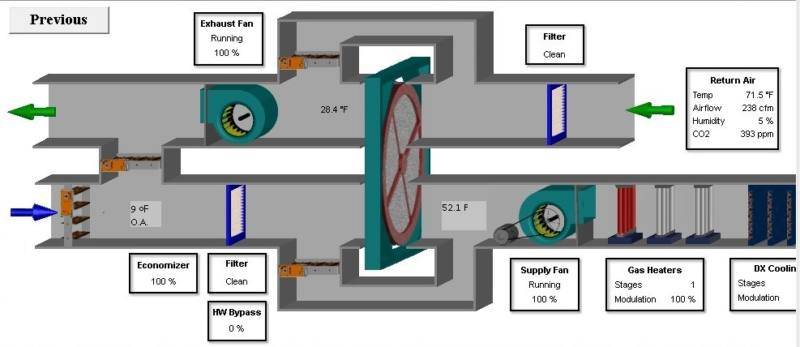
- Energy Exchange: The two air streams, without physically mixing, pass through the energy exchange core. In winter, the warm exhaust air heats the cold incoming air. In summer, the cool exhaust air cools the hot incoming air. ERVs also transfer moisture, which can be beneficial in dry climates and detrimental in humid ones.
- Exhaust: The now-cooled (in winter) or heated (in summer) stale air is exhausted outside.
- Supply: The pre-conditioned fresh air is supplied to living areas like bedrooms, living rooms, and offices.
- Filtration: Both incoming and outgoing air streams are typically filtered to remove dust, pollen, and other airborne particles, further enhancing indoor air quality.
The type of energy exchange core determines whether the unit is an HRV or ERV.
HRV vs. ERV: What's the Difference?
While both HRVs (Heat Recovery Ventilators) and ERVs (Energy Recovery Ventilators) are ERUs, they differ in their ability to transfer moisture. HRVs primarily transfer heat, making them ideal for colder climates where humidity control isn't a major concern and where the primary goal is to retain heat in the winter. ERVs, on the other hand, transfer both heat and moisture. This makes them better suited for humid climates where removing excess moisture from the incoming air is crucial for comfort and energy efficiency. In arid climates, the moisture transfer can help maintain comfortable humidity levels indoors.
Consider these examples:
- Cold Climate (e.g., Minnesota): An HRV is a great choice to recover heat from exhaust air and preheat incoming cold air.
- Humid Climate (e.g., Florida): An ERV is preferable to remove humidity from the incoming air, reducing the load on your air conditioner and preventing mold growth.
- Dry Climate (e.g., Arizona): An ERV can help retain indoor moisture levels, preventing dry skin and discomfort.
The Benefits: Why Invest in an Energy Recovery Unit?
The benefits of installing an ERU extend far beyond simple energy savings. Here's a comprehensive look at the advantages:
- Reduced Energy Consumption: By pre-conditioning the incoming air, ERUs significantly reduce the workload on your heating and cooling systems. Studies show that ERUs can reduce heating and cooling costs by 20-40%, depending on climate and usage patterns.
- Improved Indoor Air Quality (IAQ): ERUs continuously introduce fresh, filtered air, removing stale air, pollutants, allergens, and excess moisture. This leads to a healthier and more comfortable indoor environment.
- Moisture Control: ERVs, in particular, can help control humidity levels, preventing mold growth and improving overall comfort. Excessive humidity can lead to dust mite infestation, allergic reactions and uncomfortable environments.
- Increased Comfort: By maintaining consistent temperatures and humidity levels, ERUs create a more comfortable indoor environment year-round.
- Reduced Condensation: ERUs can help prevent condensation on windows and walls, reducing the risk of mold and structural damage.
- Quieter Operation: Compared to window AC units or fans, ERUs operate much more quietly, providing ventilation without disruptive noise.
- Enhanced Resale Value: Installing an ERU can increase the value of your home or business, as it demonstrates a commitment to energy efficiency and sustainability.
Integration with Smart Home Systems and Smart Thermostats
Modern ERUs can be seamlessly integrated with smart home systems and smart thermostats, offering even greater control and energy savings. For instance, you can use smart sensors to monitor indoor air quality (CO2 levels, VOCs, humidity) and automatically adjust the ERU's ventilation rate. Some smart thermostats can communicate directly with ERUs, coordinating heating, cooling, and ventilation for optimal efficiency and comfort.
Imagine setting up a rule that automatically increases ventilation when the CO2 level in your bedroom rises above a certain threshold, ensuring fresh air while you sleep. Or imagine your ERU automatically adjusting its operation based on real-time weather data, maximizing energy savings without sacrificing comfort.
Installation and Maintenance: What to Expect
While some DIY enthusiasts may be tempted to install an ERU themselves, professional installation is generally recommended. Proper installation ensures optimal performance, prevents air leaks, and avoids potential safety hazards. Here's a brief overview of the installation process:
- Sizing: A qualified HVAC contractor will assess your home or business's size, layout, and ventilation needs to determine the appropriate ERU size.
- Ductwork: Ductwork is installed to connect the ERU to the intake and exhaust points, as well as the supply and return vents.
- Wiring: The ERU is wired to your electrical system.
- Balancing: The airflows are balanced to ensure proper ventilation and prevent pressure imbalances.
- Testing: The system is tested to ensure it is operating correctly.
Regular maintenance is essential to keep your ERU running efficiently. This typically involves:
- Filter Replacement: Replace filters every 1-3 months, depending on usage and air quality.
- Core Cleaning: Clean the energy exchange core periodically (usually once or twice a year) to remove dust and debris.
- Duct Cleaning: Clean ductwork every few years to prevent the buildup of dust and allergens.
- Professional Inspection: Schedule a professional inspection every 1-2 years to ensure the system is operating optimally and identify any potential issues.
Cost and ROI: Is an ERU Worth the Investment?
The initial cost of an ERU can range from $1,000 to $4,000, depending on the size and features of the unit. Installation costs can add another $500 to $2,000, depending on the complexity of the project. However, the long-term energy savings and health benefits can easily justify the investment.
Here's a simplified ROI calculation:
Example:
- ERU Cost (including installation): $3,000
- Annual Energy Savings: $500
- Payback Period: $3,000 / $500 = 6 years
Keep in mind that this is a simplified calculation. Actual savings may vary depending on climate, energy prices, and usage patterns. Furthermore, the improved indoor air quality and health benefits are difficult to quantify in monetary terms but can significantly improve your quality of life.
Rebates and Incentives: Lowering the Upfront Cost
Many utility companies and government agencies offer rebates and incentives for installing energy-efficient HVAC equipment, including ERUs. Be sure to check with your local utility company and the Energy Star website for available programs. These rebates can significantly reduce the upfront cost of an ERU, making it even more affordable.
For example, the federal tax credit for energy-efficient home improvements, as outlined in the Inflation Reduction Act, includes incentives for certain energy-efficient ventilation systems. Always consult with a tax professional for the most up-to-date information and eligibility requirements.
Choosing the Right ERU: Key Considerations
Selecting the right ERU for your needs requires careful consideration. Here are some key factors to keep in mind:
- Climate: Choose an HRV for colder climates and an ERV for humid climates.
- Size: Select the appropriate size ERU based on your home or business's square footage and ventilation needs.
- Airflow: Consider the required airflow rate in cubic feet per minute (CFM) based on the number of occupants and the size of the space.
- Efficiency: Look for ERUs with high Sensible Recovery Efficiency (SRE) and Total Recovery Efficiency (TRE) ratings. These ratings indicate how efficiently the unit transfers heat and energy.
- Features: Consider features like variable speed fans, automatic defrost, and smart home integration.
- Noise Level: Check the unit's noise rating (in decibels) to ensure it won't be disruptive.
- Warranty: Choose an ERU with a comprehensive warranty for peace of mind.
- Professional Advice: Consult with a qualified HVAC contractor to get personalized recommendations and ensure proper installation.
The Future of Energy Recovery: Smart, Sustainable, and Efficient
Energy Recovery Units are becoming increasingly sophisticated, with advancements in smart technology, materials science, and energy efficiency. Expect to see more ERUs with features like:
- AI-powered optimization: ERUs that use artificial intelligence to learn your usage patterns and optimize ventilation for maximum energy savings.
- Self-cleaning cores: ERUs with self-cleaning energy exchange cores, reducing maintenance requirements.
- Advanced filtration: ERUs with advanced filtration systems that remove even the smallest airborne particles, improving indoor air quality.
- DC motor technology: ERUs that utilize highly efficient DC motors for even lower energy consumption.
By investing in an Energy Recovery Unit, you're not just saving money on your energy bills. You're also improving your indoor air quality, enhancing your comfort, and contributing to a more sustainable future. So, take the first step towards a healthier and more energy-efficient home or business today. Your wallet and your lungs will thank you.