How Does An Energy Recovery Ventilator Work
Ensuring proper ventilation is crucial for maintaining healthy indoor air quality, controlling humidity, and conserving energy. While simply opening windows might seem like a solution, it often leads to energy loss and compromised comfort. This is where Energy Recovery Ventilators (ERVs) come into play. ERVs offer a sophisticated solution for exchanging stale indoor air with fresh outdoor air while minimizing energy waste. This article will provide a comprehensive overview of how ERVs function, their benefits, applications, and considerations for installation and maintenance.
The Core Function: Energy Recovery
At its heart, an ERV is designed to pre-condition incoming fresh air using the energy from outgoing stale air. This process significantly reduces the load on your heating and cooling system. Instead of directly introducing cold outdoor air in winter or hot humid air in summer, the ERV moderates its temperature and humidity levels before it enters your living space.
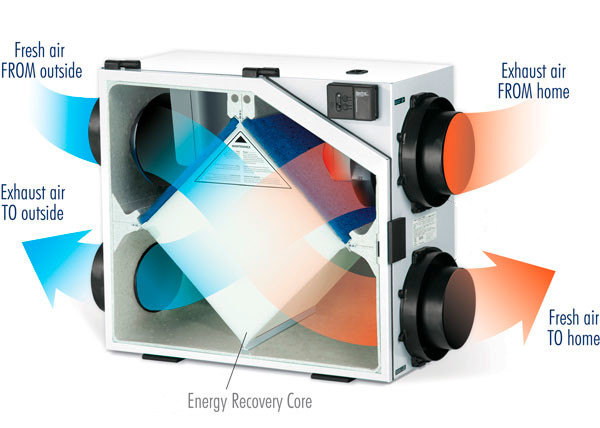
The key component responsible for this energy exchange is the enthalpic core. Unlike Heat Recovery Ventilators (HRVs) which primarily transfer heat, an ERV core transfers both heat and moisture. This is a crucial distinction, particularly in humid climates. The core is typically constructed of a specialized material, often a membrane or a coated material, that allows water vapor to pass through while preventing the mixing of air streams and contaminants. This material facilitates the transfer of energy in the form of heat (sensible heat) and moisture (latent heat).
How the Enthalpic Core Works
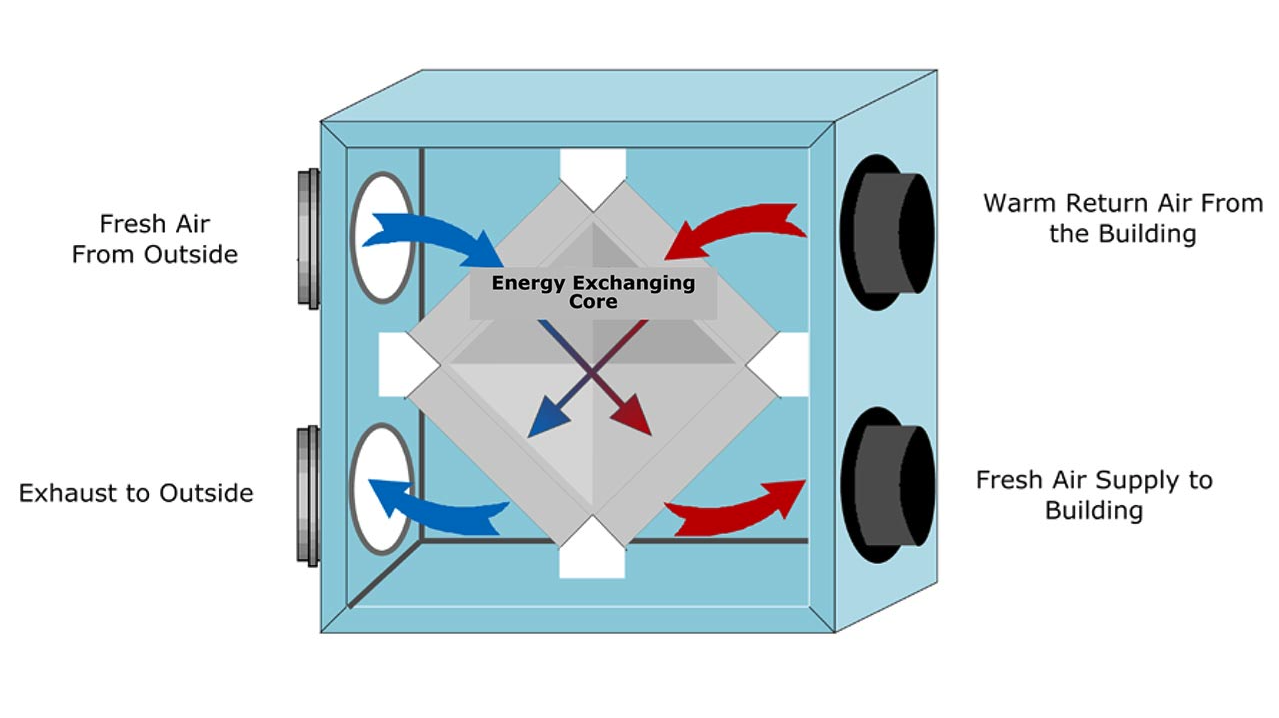
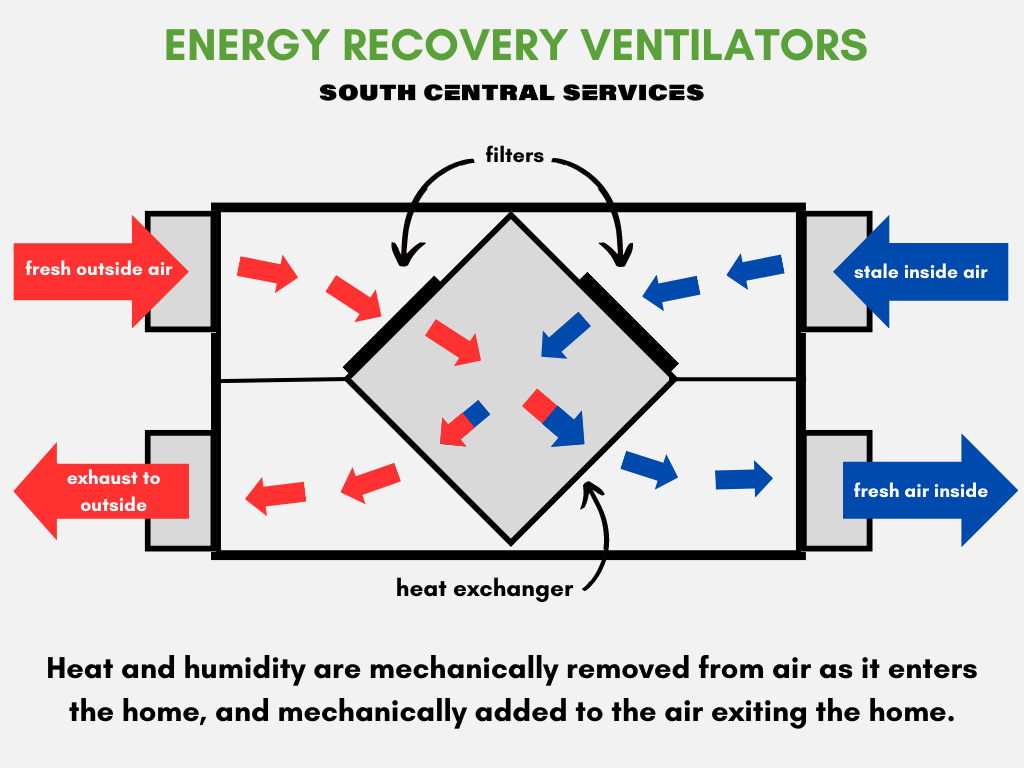
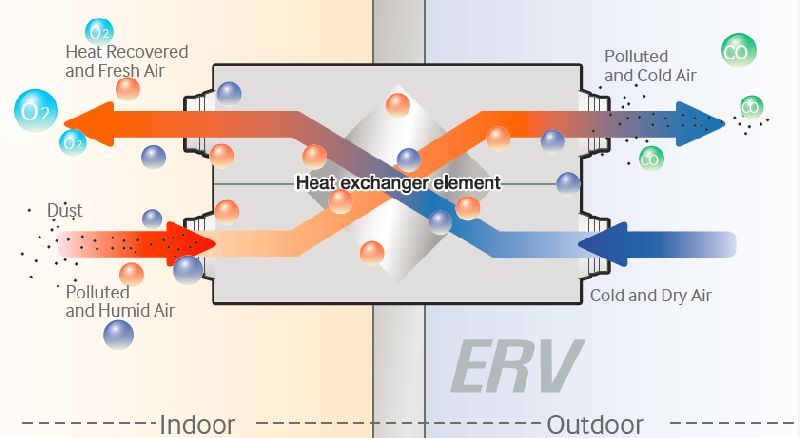
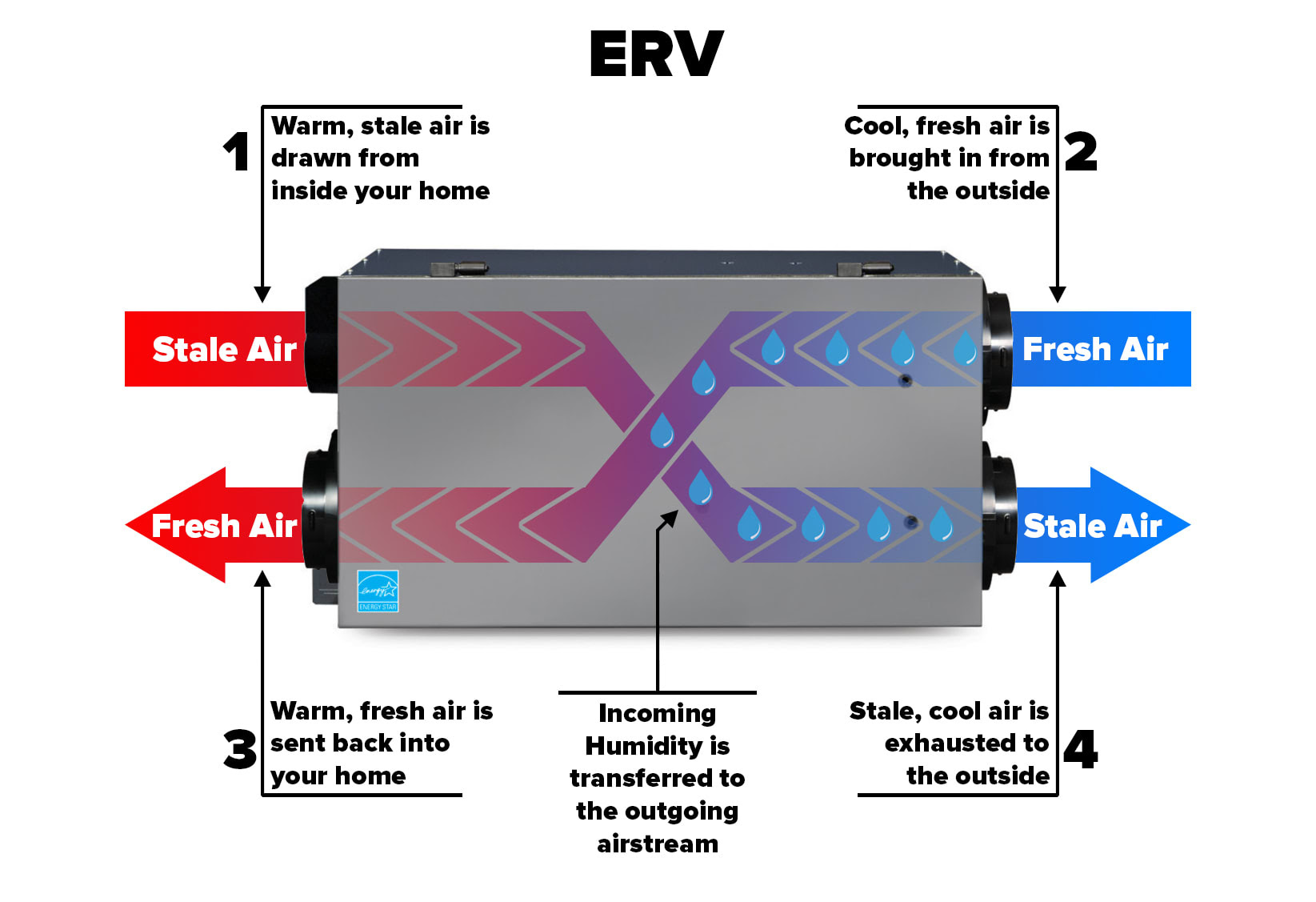
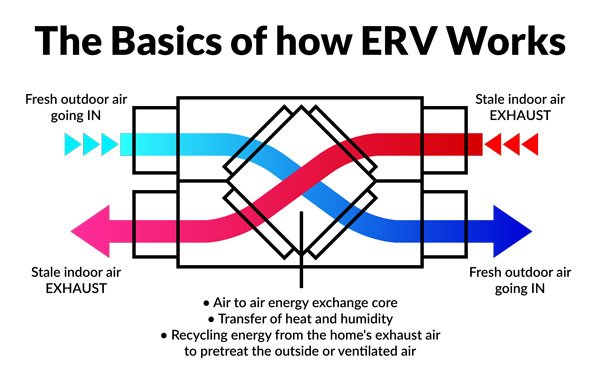
Imagine two separate air streams flowing in opposite directions through the ERV core. One stream is the stale, often warm and humid, air being exhausted from inside your home or building. The other is the fresh, but potentially cold and dry (in winter) or hot and humid (in summer) air being drawn in from outside.
As the two air streams pass through the core, heat is transferred from the warmer stream to the cooler stream. In winter, the warm exhaust air preheats the incoming cold air. In summer, the cool exhaust air precools the incoming hot air. Simultaneously, moisture is transferred from the more humid stream to the drier stream. In winter, some moisture from the exhaust air humidifies the incoming dry air. In summer, some moisture from the incoming humid air is transferred to the exhaust air, dehumidifying the incoming air. This process is not a transfer of air; the two air streams remain separate and isolated. Only heat and moisture are transferred.
ERV System Components and Airflow
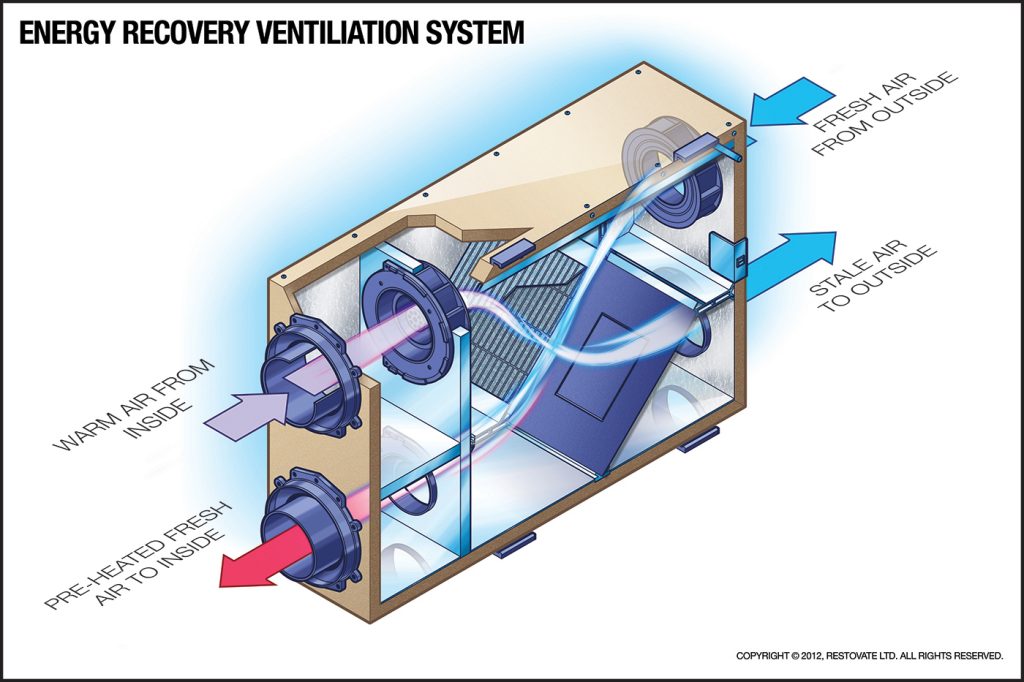
A typical ERV system consists of several key components:
- Enthalpic Core: As described above, this is the heart of the ERV, facilitating heat and moisture transfer.
- Filters: ERVs incorporate filters to remove dust, pollen, and other particulate matter from both incoming and outgoing air streams, improving indoor air quality.
- Fans: Two fans are essential: one to exhaust stale indoor air and another to draw in fresh outdoor air. These fans are typically variable speed, allowing for customized ventilation rates.
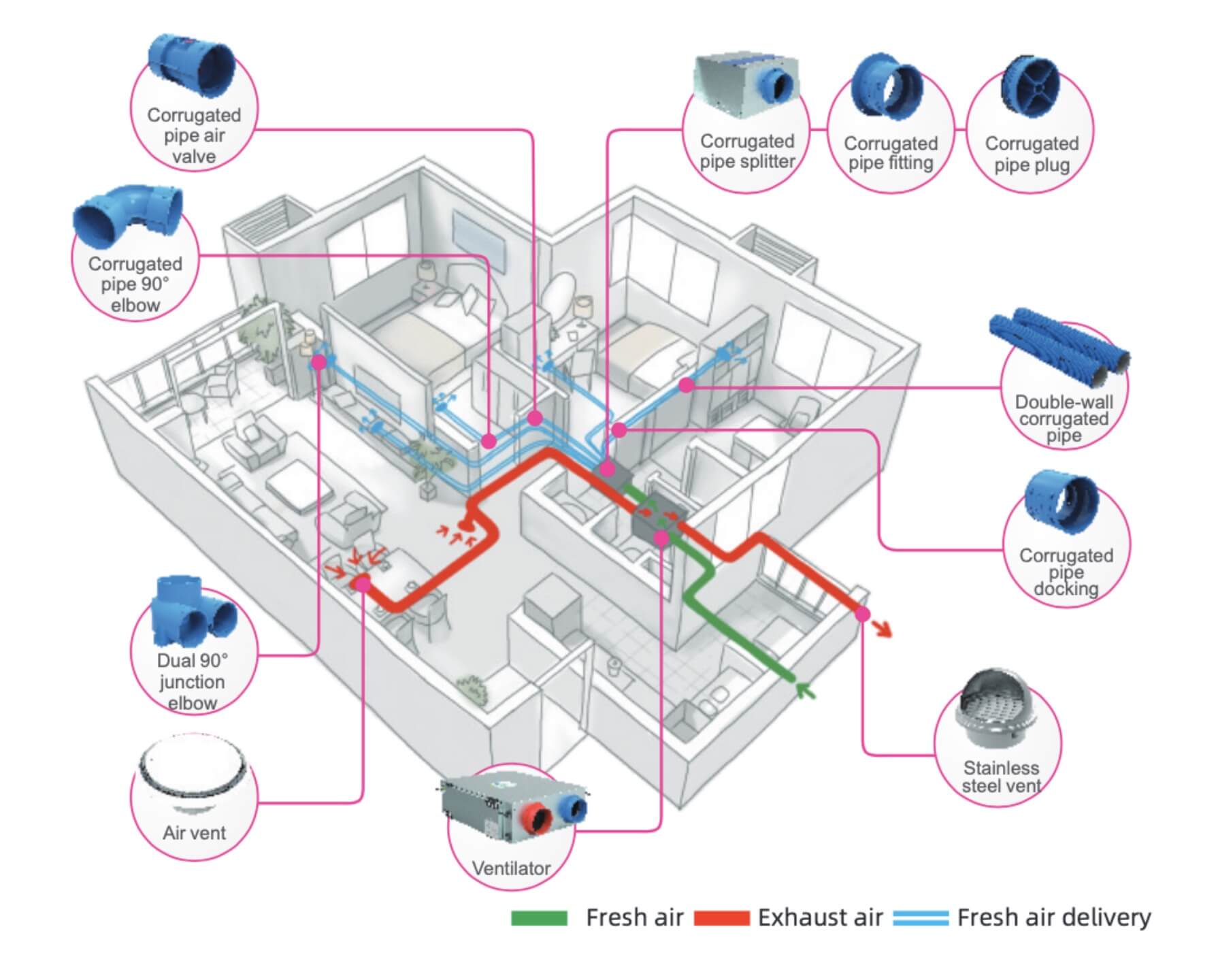
- Ductwork: ERVs are integrated into your existing or new ductwork system to distribute fresh air throughout the building and exhaust stale air.
- Controls: ERV systems have controls to adjust fan speeds, operating modes, and timers. Some advanced systems integrate with smart home platforms for automated operation.
Airflow Patterns
ERVs typically employ one of two main airflow configurations:
- Counter-flow: The incoming and outgoing air streams flow in opposite directions through the core, maximizing heat and moisture transfer efficiency. This is the most common and efficient configuration.
- Parallel-flow: The air streams flow in the same direction. While simpler to design, this configuration is generally less efficient than counter-flow.
Benefits of Using an ERV
Installing an ERV offers a multitude of benefits:
- Improved Indoor Air Quality: By continuously introducing fresh, filtered air, ERVs help dilute indoor pollutants such as VOCs (volatile organic compounds), allergens, and odors.
- Energy Savings: Pre-conditioning incoming air reduces the load on your HVAC system, resulting in lower energy bills. The actual savings depend on climate, building insulation, and operating conditions. For example, in a moderate climate, an ERV could potentially reduce heating and cooling costs by 15-30%.
- Humidity Control: ERVs help maintain optimal humidity levels, preventing issues such as mold growth and discomfort associated with overly dry or humid air.
- Enhanced Comfort: By providing a constant supply of fresh air, ERVs contribute to a more comfortable and healthy indoor environment.
- Reduced Condensation: In colder climates, ERVs can help reduce condensation on windows and walls by removing excess moisture from the air.
Applications of ERVs
ERVs are suitable for a wide range of applications, including:
- Residential Homes: Ideal for new construction or retrofits to improve air quality and energy efficiency.
- Commercial Buildings: Offices, schools, hospitals, and other commercial spaces benefit from improved ventilation and energy savings.
- Apartment Buildings: ERVs can be installed in individual units or as a centralized ventilation system for the entire building.
- Manufacturing Facilities: ERVs can help control air quality and remove pollutants generated by industrial processes.
ERV vs. HRV: Understanding the Key Differences
While both ERVs and Heat Recovery Ventilators (HRVs) are designed to recover energy from exhaust air, the key difference lies in their ability to transfer moisture. HRVs primarily transfer heat, making them best suited for colder climates where humidity control is less of a concern. ERVs, on the other hand, transfer both heat and moisture, making them a better choice for climates with significant humidity, both hot and cold.
Choosing between an ERV and an HRV depends largely on your climate and specific needs. If you live in a cold, dry climate, an HRV might be sufficient. However, if you live in a climate with high humidity levels, an ERV is generally the better option.
Installation and Maintenance Considerations
Installation
Proper installation is crucial for optimal ERV performance. It is highly recommended to hire a qualified HVAC technician for the installation process. Key considerations include:
- Ductwork Design: Ensure proper duct sizing and layout to minimize airflow resistance and maximize efficiency.
- Location: Choose a location for the ERV that is easily accessible for maintenance and protected from extreme temperatures.
- Sealing: Seal all ductwork connections to prevent air leaks and ensure proper airflow.
- Balancing: After installation, the ERV should be properly balanced to ensure equal airflow in both the supply and exhaust streams.
Maintenance
Regular maintenance is essential to keep your ERV running efficiently and extend its lifespan. Key maintenance tasks include:
- Filter Replacement: Replace air filters every 1-3 months, depending on air quality and usage. Dirty filters can restrict airflow and reduce efficiency.
- Core Cleaning: Clean the enthalpic core periodically according to the manufacturer's instructions. This typically involves removing the core and washing it with a mild detergent.
- Duct Cleaning: Have your ductwork professionally cleaned every few years to remove dust and debris.
- Inspection: Inspect the ERV system regularly for any signs of damage or leaks.
Costs, Efficiency, and Lifespan
Costs
The cost of an ERV system can vary depending on the size of your home or building, the complexity of the installation, and the brand and features of the ERV. Generally, you can expect to pay between $1,000 and $4,000 for the unit itself, plus installation costs, which can range from $500 to $2,000 or more.
Efficiency
ERV efficiency is typically measured by two metrics:
- Sensible Recovery Efficiency (SRE): This measures the percentage of heat recovered from the exhaust air.
- Total Recovery Efficiency (TRE): This measures the total energy recovered, including both heat and moisture.
Look for ERVs with high SRE and TRE ratings to maximize energy savings. Energy Star certified ERVs typically have an SRE of at least 70% and a TRE of at least 50%.
Lifespan
With proper maintenance, an ERV can last for 15-20 years or more. Regular filter changes and core cleaning are essential for maximizing lifespan.
Conclusion
Energy Recovery Ventilators offer a smart and effective solution for improving indoor air quality, controlling humidity, and saving energy. By understanding how ERVs work, their benefits, and the considerations for installation and maintenance, homeowners, HVAC technicians, and facility managers can make informed decisions about incorporating this technology into their buildings. While the initial investment may seem significant, the long-term benefits of improved air quality, reduced energy costs, and enhanced comfort make ERVs a valuable addition to any building.