How Does An Energy Recovery Wheel Work

Ah, the elusive promise of fresh air without skyrocketing energy bills. That's the dream an Energy Recovery Wheel (ERW), also known as an enthalpy wheel, offers. But what happens when that dream turns into a drafty reality? Many homeowners find their ERW system isn't performing as expected, leading to uncomfortable temperatures and higher energy consumption. This usually manifests as the house not feeling as warm in the winter or as cool in the summer, despite the HVAC system working overtime. Before you resign yourself to expensive professional repairs, let's walk through some troubleshooting steps you can take.
Understanding the Energy Recovery Wheel
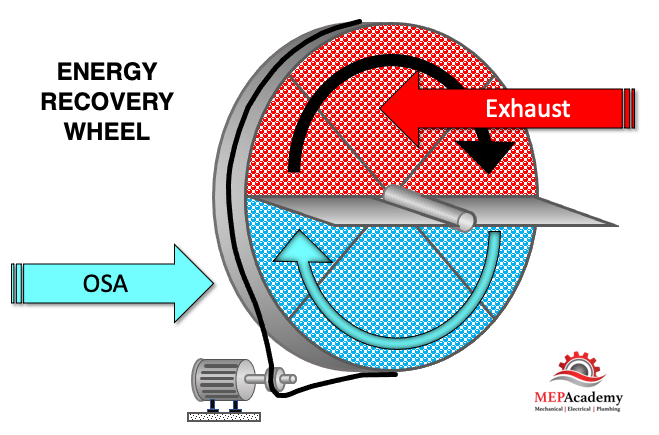
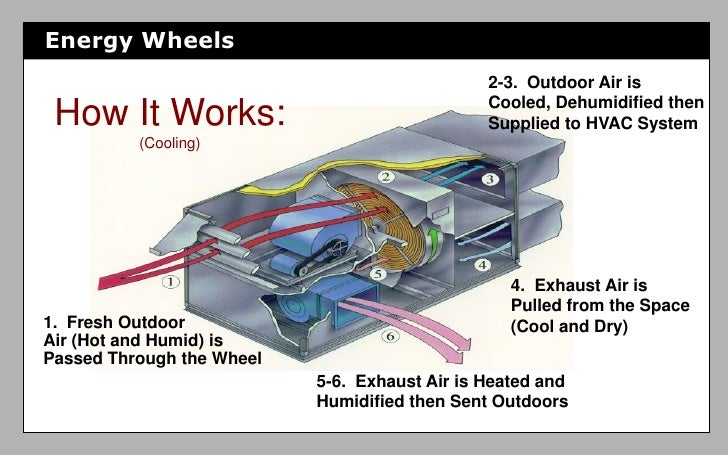
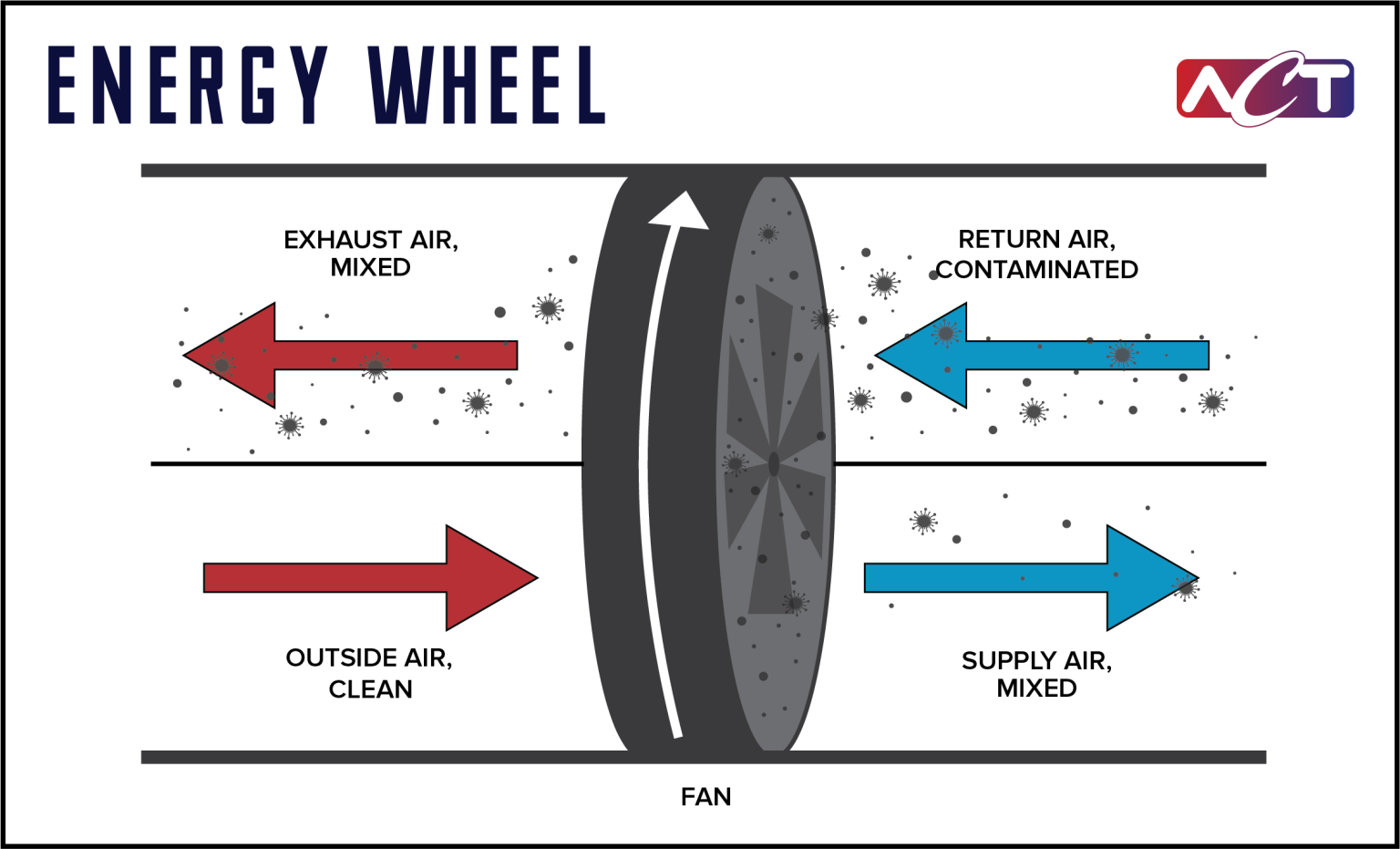
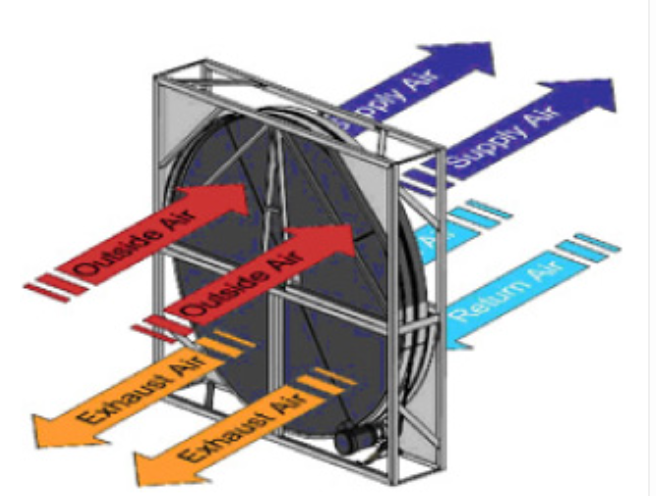
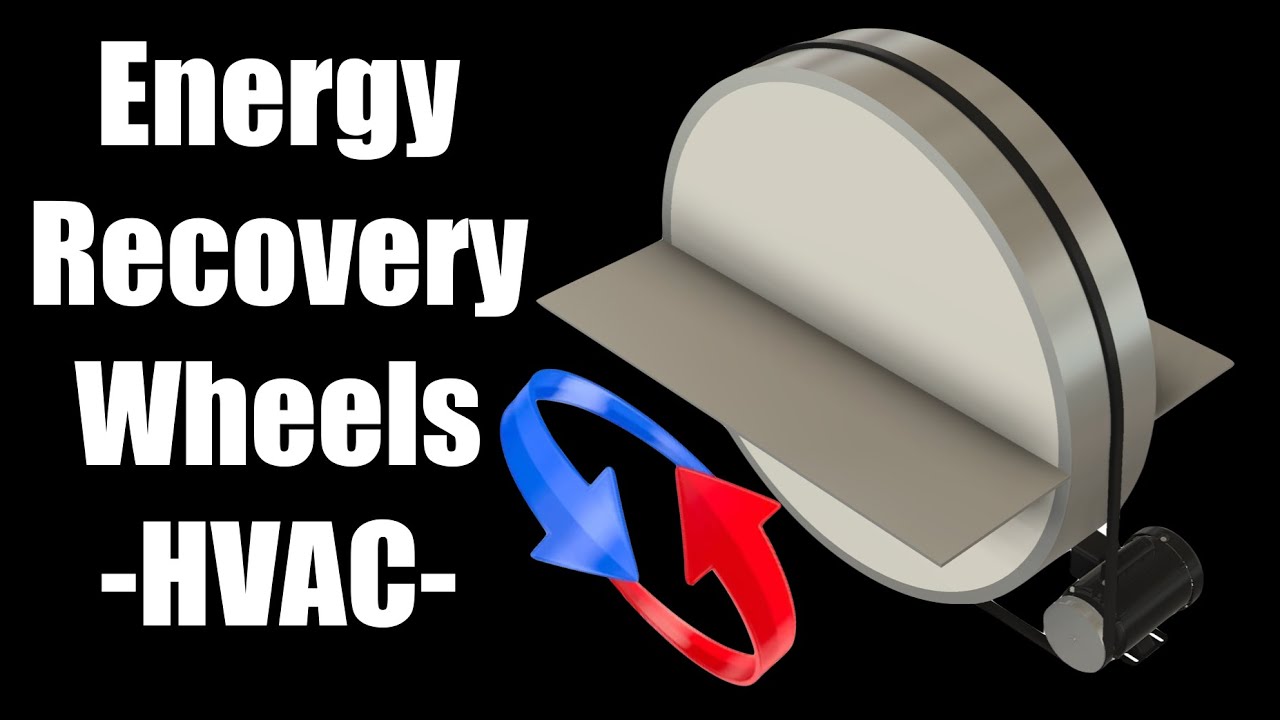
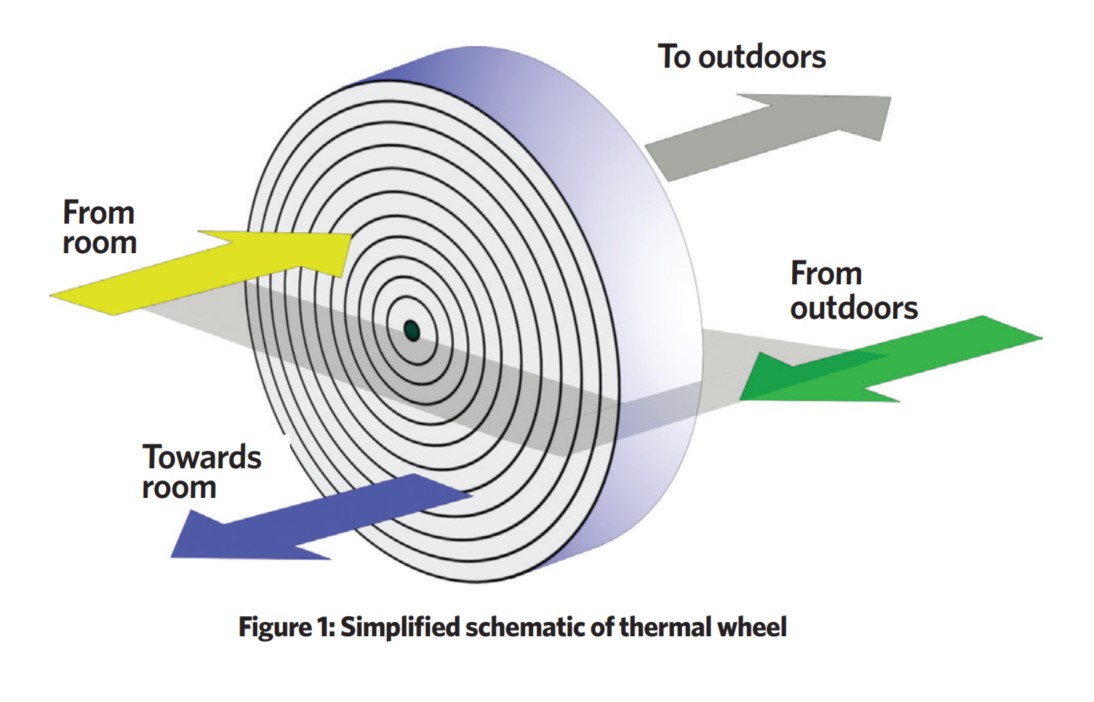
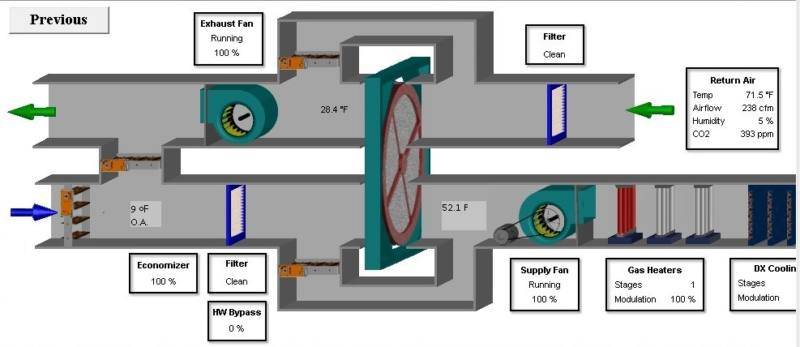
First, a quick refresher. An ERW is a rotating wheel filled with a material designed to absorb and transfer both heat and moisture. It's installed within your HVAC system's ductwork. In winter, as the wheel rotates, it absorbs heat and moisture from the warm, humid exhaust air leaving your house. This stored energy is then transferred to the incoming cold, dry fresh air. The opposite happens in summer – the wheel cools and dehumidifies the incoming hot, humid air using the cool, dry air leaving your home. This pre-conditioning of the incoming air drastically reduces the load on your furnace or air conditioner, saving you energy and improving indoor air quality.
Diagnosis: Is Your ERW the Culprit?
Before diving into the wheel itself, it's crucial to confirm that the ERW is indeed the source of your problem. Here's how:
-
Check the Basics: Ensure your thermostat settings are correct and that your HVAC system is functioning correctly in general. A faulty furnace or AC unit will overshadow any ERW performance issues.
-
Assess Airflow: Feel the airflow from your supply vents. Is it significantly weaker than usual? A blocked or restricted airflow within the ERW system can hinder its performance.
-
Monitor Humidity Levels: A properly functioning ERW should help maintain relatively stable humidity levels. Drastic swings in indoor humidity, especially during extreme weather, can indicate an issue. Use a hygrometer to track indoor humidity.
-
Listen for Unusual Noises: Grinding, squealing, or rattling sounds coming from the ERW unit are red flags indicating mechanical problems.
-
Visual Inspection (with system OFF): Carefully examine the ERW unit (after safely turning off the power to the system!). Look for visible signs of damage, excessive dust buildup, or obstructions in the airflow paths. Wear a mask and gloves for this!
DIY Troubleshooting Steps
Okay, you've narrowed it down – the ERW seems to be the problem. Here are some simple fixes you can attempt before calling a professional:
1. Cleaning the ERW
This is the most common issue. Dust and debris accumulate on the wheel, reducing its ability to transfer heat and moisture. Always turn off the power to the ERW unit at the breaker before attempting any cleaning or maintenance.
-
Locate the Access Panel: Your ERW unit will have an access panel that allows you to reach the wheel. Consult your owner's manual for its exact location.
-
Remove the Wheel (Carefully!): Most ERWs are designed to be easily removed. Follow the manufacturer's instructions. Usually, this involves releasing a few latches or clips. Be gentle; the wheel can be delicate.
-
Vacuum the Wheel: Use a vacuum cleaner with a brush attachment to remove loose dust and debris from the surface of the wheel. Work slowly and methodically, ensuring you cover the entire surface.
-
Gentle Washing (If Necessary): If vacuuming isn't enough, you can gently wash the wheel with a mild detergent solution (dish soap diluted in water). Do NOT submerge the wheel completely. Use a soft brush or sponge to scrub the surface. Rinse thoroughly with clean water.
-
Dry Completely: This is crucial! Allow the wheel to air dry completely before reinstalling it. This may take several hours. You can use a fan to speed up the drying process. Reinstalling a damp wheel can lead to mold growth and further damage.
-
Reinstall the Wheel and Access Panel: Once the wheel is completely dry, carefully reinstall it into the ERW unit. Ensure it's properly seated and that all latches or clips are securely fastened. Replace the access panel.
-
Restore Power: Turn the power back on to the ERW unit at the breaker.
-
Monitor Performance: Observe the system for a few days to see if the cleaning improved its performance.
2. Checking and Replacing Filters
Just like your furnace or AC unit, ERWs often have filters to protect the wheel from dust and debris. Clogged filters restrict airflow and reduce the ERW's efficiency.
-
Locate the Filters: Refer to your owner's manual to find the location of the ERW filters. They are usually located near the air intake and exhaust ducts.
-
Inspect the Filters: Examine the filters for dirt and debris. If they are visibly dirty, they need to be replaced.
-
Replace the Filters: Replace the old filters with new ones of the correct size and type. Your owner's manual will specify the appropriate filter type. Make sure to install the filters with the correct airflow direction (indicated by an arrow on the filter frame).
3. Inspecting Belts (If Applicable)
Some ERW models use a belt to drive the rotation of the wheel. Over time, belts can wear out, stretch, or break. This will cause the wheel to rotate improperly or not at all.
-
Locate the Belt: Refer to your owner's manual to find the location of the belt. You may need to remove an access panel to see it.
-
Inspect the Belt: Examine the belt for signs of wear, such as cracks, fraying, or stretching. Also, check the belt tension. It should be firm but not too tight.
-
Replace the Belt (If Necessary): If the belt is worn or broken, it needs to be replaced. Consult your owner's manual for the correct belt size and type. To replace the belt, you may need to loosen the motor mounting bolts to create slack. Install the new belt and tighten the motor mounting bolts to the correct tension.
4. Checking Dampers and Airflow
Dampers are used to control the airflow through the ERW system. If dampers are stuck or misadjusted, they can restrict airflow and reduce the ERW's efficiency.
-
Locate the Dampers: Refer to your owner's manual to find the location of the dampers. They are usually located in the ductwork near the ERW unit.
-
Inspect the Dampers: Examine the dampers to ensure they are moving freely and are in the correct position. Some dampers are manually adjusted, while others are automatically controlled by the ERW system. If a damper is stuck, try to gently loosen it. If it's an automated system, ensure its receiving power and responding to changes.
-
Adjust the Dampers (If Necessary): If the dampers are misadjusted, adjust them to the correct position according to your owner's manual.
When to Call a Professional
While these DIY steps can address many common ERW problems, some issues require professional expertise. It's time to call in a qualified HVAC technician if you encounter any of the following:
-
Electrical Issues: If you suspect any electrical problems with the ERW unit (e.g., frayed wires, burnt components), do NOT attempt to fix them yourself. Electricity and DIY repairs don't mix.
-
Refrigerant Leaks: Some ERW models use a refrigerant to enhance heat transfer. If you suspect a refrigerant leak (e.g., hissing sound, oily residue), call a professional immediately. Refrigerants can be harmful.
-
Mechanical Failures: If the ERW wheel is damaged or if there are internal mechanical problems that you cannot diagnose or repair, it's best to leave it to the experts.
-
Complex Control System Issues: Modern ERWs often have sophisticated control systems. If you suspect a problem with the control system, a professional HVAC technician has the tools and knowledge to diagnose and repair it.
-
Persistent Performance Issues: If you've tried the DIY troubleshooting steps and the ERW still isn't performing as expected, it's time to get professional help. There may be underlying issues that you're not able to identify.
Specifically, listen for these indications
- Excessive Vibration: Continuous and strong vibrations beyond normal operation are a signal
- Unusual smells: Burnt wire or moldy smells
- Water leaks: Presence of moisture near any components.
Preventative Maintenance
The best way to avoid ERW problems is to perform regular preventative maintenance. This includes:
-
Regular Filter Changes: Replace the ERW filters every 3-6 months, or more often if you have pets or live in a dusty environment.
-
Annual Cleaning: Clean the ERW wheel at least once a year, or more often if necessary.
-
Professional Inspection: Schedule a professional HVAC inspection every 1-2 years to check the ERW and other components of your HVAC system.
-
Keep Area Clear: Maintain the area around the HVAC and ERW unit free of obstructions.
By understanding how your Energy Recovery Wheel works and performing regular maintenance, you can keep it running efficiently and enjoy the benefits of fresh air and energy savings for years to come. Don't be afraid to tackle the simple fixes yourself – you've got this! And remember, when in doubt, call a professional. Your comfort and safety are always the top priority.