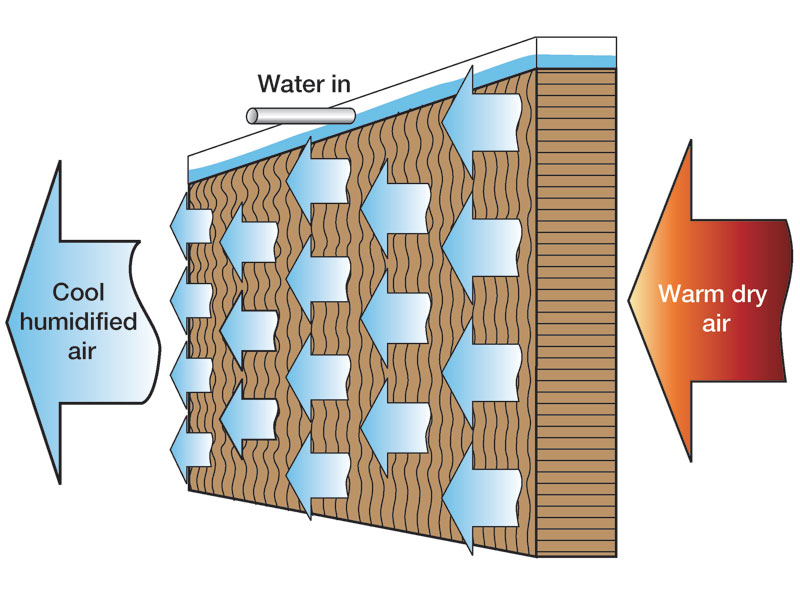
How Does An Evaporative Humidifier Work

Ah, the dry air of winter! Many of us rely on evaporative humidifiers to combat the chapped lips, static shocks, and overall discomfort that comes with low humidity. But what happens when your trusty humidifier suddenly stops working? Don't panic! This guide will walk you through some common issues and simple fixes you can try at home.
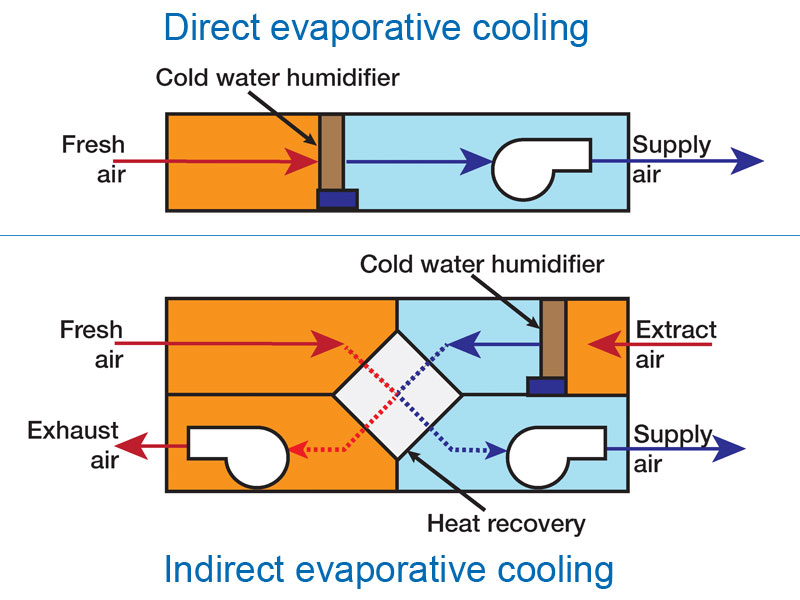
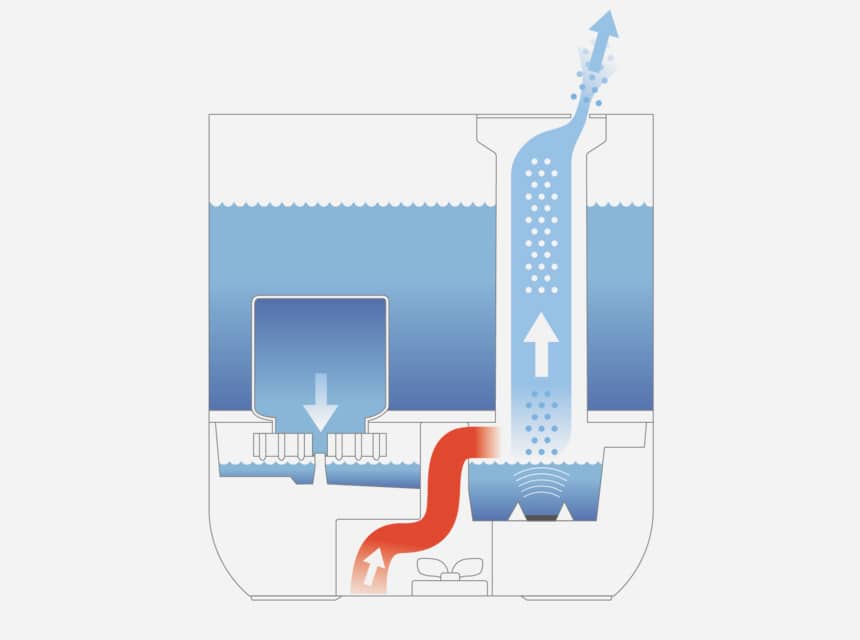
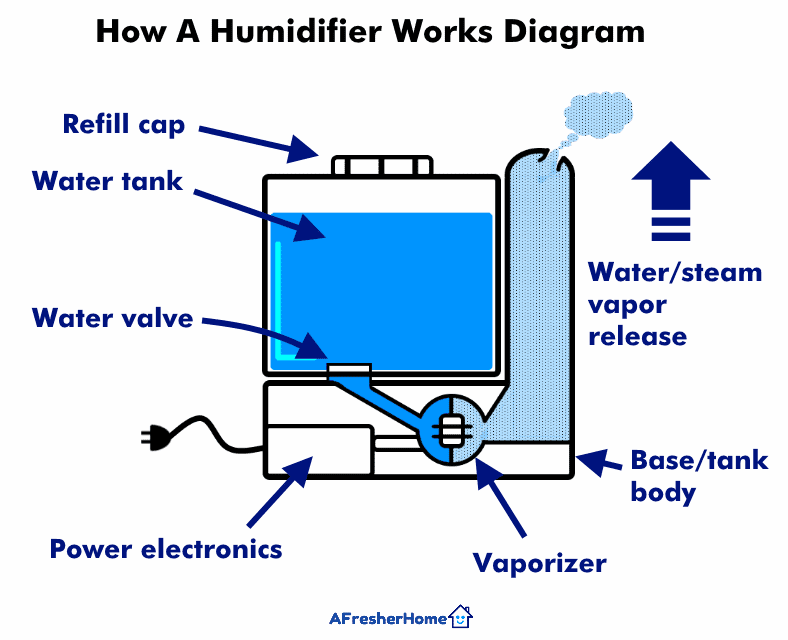
Understanding How Your Evaporative Humidifier Works
Before diving into troubleshooting, let's briefly recap how an evaporative humidifier operates. This will help you understand the potential problem areas.
- The Water Reservoir: This holds the water that will eventually be humidified.
- The Wick/Filter: This porous material soaks up water from the reservoir. It's the surface area where evaporation occurs.
- The Fan: A fan blows dry air across the wet wick/filter, accelerating evaporation.
- The Humidified Air Outlet: This is where the moisture-enriched air is released into the room.
- Control Panel: Allows you to adjust humidity settings and fan speed.
The basic principle is simple: the fan helps water evaporate from the wick, increasing the humidity in the surrounding air. When it stops working, the air remains dry.
Common Problem: Humidifier Not Producing Moisture
This is the most frequent complaint. Let's tackle it step-by-step.
Step 1: Power Check - Is it Plugged In and Turned On?
It sounds obvious, but always start with the simplest checks. Verify that the humidifier is plugged securely into a working electrical outlet. Test the outlet with another device (a lamp, phone charger) to confirm it's delivering power. Make sure the humidifier is actually switched on! Many models have a power button that needs to be engaged.
Step 2: Control Panel Settings – Are They Correct?
Ensure the humidifier isn't set to a very low humidity level or a low fan speed. If the target humidity is already reached (or set too low), the humidifier might not run. Turn up the humidity setting and/or increase the fan speed to see if it kicks in.
Step 3: Water Level Check – Is There Enough Water?
Most humidifiers have a low-water indicator light that will illuminate when the water level is too low. Even if the light isn't on, visually inspect the water reservoir. If it's empty or near empty, refill it with cool, clean water. Some humidifiers have a safety mechanism that prevents them from operating without sufficient water to prevent damage.
Step 4: Wick/Filter Inspection – Is it Clean and Properly Installed?
The wick/filter is the heart of an evaporative humidifier. It needs regular attention. Here's what to look for:
- Mineral Buildup: Over time, minerals from hard water can accumulate on the wick, hindering its ability to absorb and release water. This buildup can appear as a white, crusty coating.
- Dirt and Debris: Dust, pet dander, and other airborne particles can clog the wick's pores.
- Proper Installation: Make sure the wick is correctly positioned in the humidifier according to the manufacturer's instructions. An improperly installed wick won't absorb water effectively.
How to Clean or Replace the Wick/Filter:
- Unplug the Humidifier: Safety first! Always unplug the humidifier before performing any maintenance.
- Remove the Wick/Filter: Consult your humidifier's manual for the correct removal procedure.
- Cleaning (If Applicable): Some wicks can be cleaned. Soak the wick in a solution of white vinegar and water (approximately a 1:1 ratio) for 30-60 minutes to dissolve mineral deposits. Rinse thoroughly with clean water and allow it to air dry completely before reinstalling. Note: Not all wicks are designed to be cleaned. Check your humidifier's manual.
- Replacement: If the wick is heavily soiled, damaged, or cleaning doesn't improve its performance, replace it with a new one. Use only the wick specifically designed for your humidifier model. You can usually find replacement wicks at appliance stores, online retailers, or directly from the humidifier manufacturer.
- Reinstall the Wick/Filter: Follow the manufacturer's instructions for proper installation.
Step 5: Fan Operation – Is the Fan Working?
If the wick is clean and the water level is adequate, but you still aren't getting any moisture, the problem might be with the fan. Listen carefully when you turn the humidifier on. Do you hear the fan running? If not, there are a few possibilities:
- Obstruction: Something might be blocking the fan blades. Unplug the humidifier and carefully inspect the fan housing. Remove any visible obstructions (dust bunnies, small objects).
- Motor Failure: The fan motor itself might have failed. This is a more serious issue that often requires professional repair or humidifier replacement.
- Electrical Issue: There could be an electrical problem preventing power from reaching the fan motor. Do not attempt to diagnose or repair electrical problems yourself unless you are a qualified electrician. This can be extremely dangerous.
If you suspect a fan motor failure or an electrical issue, it's best to consult a qualified appliance repair technician.
Other Potential Problems and Solutions
Strange Odors
A musty or moldy smell coming from your humidifier usually indicates bacterial or mold growth. Regular cleaning is crucial to prevent this.
- Clean the Reservoir: Empty and thoroughly clean the water reservoir with a mild bleach solution (1 tablespoon of bleach per gallon of water). Rinse thoroughly and allow it to air dry completely before refilling.
- Disinfect Regularly: Follow the manufacturer's recommendations for disinfecting the humidifier. Some models have specific cleaning cycles.
- Use Distilled Water: Using distilled water instead of tap water can help reduce mineral buildup and inhibit bacterial growth.
Leaking
Leaks can be caused by cracks in the reservoir, loose connections, or a damaged seal.
- Inspect the Reservoir: Carefully examine the reservoir for any cracks or damage. If you find a crack, the reservoir will likely need to be replaced.
- Check Connections: Ensure all connections (hoses, valves) are tight and secure.
- Replace Seals: If you suspect a damaged seal, try replacing it with a new one. You may be able to find replacement seals online or at an appliance parts store.
Humidifier Turns Off Frequently
This could be due to several reasons:
- Low Water Level: As mentioned earlier, the humidifier may be shutting off due to a low water level.
- Humidity Setting Reached: The humidifier may be turning off because the desired humidity level has been reached. Try increasing the humidity setting.
- Overheating: Some humidifiers have a safety feature that automatically shuts them off if they overheat. Ensure the humidifier is properly ventilated and not obstructed. If overheating persists, it could indicate a more serious problem.
When to Call a Professional
While many humidifier problems can be resolved with simple DIY fixes, there are situations where it's best to call a professional appliance repair technician.
- Electrical Issues: As mentioned before, never attempt to diagnose or repair electrical problems yourself unless you are a qualified electrician.
- Fan Motor Failure: Replacing a fan motor can be complex and may require specialized tools and knowledge.
- Complex Internal Problems: If you've tried all the basic troubleshooting steps and your humidifier still isn't working, there might be a more serious internal problem that requires professional diagnosis and repair.
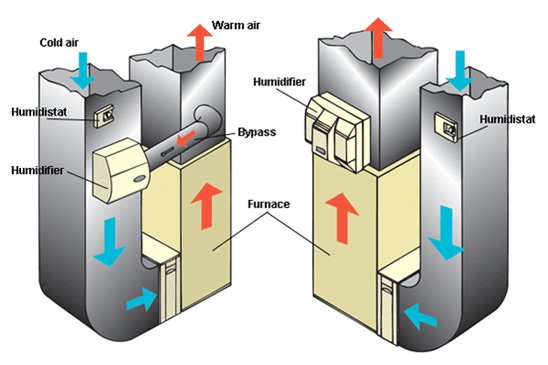
- Gas Humidifiers: If you have a whole-house humidifier connected to your home's gas line, any repairs or maintenance should be performed by a licensed HVAC technician. Gas appliances can be dangerous if not handled properly.
Preventative Maintenance for Longer Humidifier Life
Regular maintenance is key to keeping your evaporative humidifier running smoothly and extending its lifespan.
- Clean Regularly: Clean the water reservoir and wick/filter regularly, following the manufacturer's instructions.
- Use Distilled Water: Using distilled water can help reduce mineral buildup.
- Change the Wick/Filter: Replace the wick/filter as recommended by the manufacturer.
- Empty and Dry: When storing your humidifier for the off-season, empty the water reservoir completely and allow all parts to dry thoroughly to prevent mold and mildew growth.
By following these troubleshooting steps and preventative maintenance tips, you can keep your evaporative humidifier working effectively and enjoy the benefits of properly humidified air.