How Does An Expansion Vessel Work

Understanding Expansion Vessels: A Deep Dive for HVAC Professionals
In the dynamic world of HVAC (Heating, Ventilation, and Air Conditioning), a thorough understanding of each component is crucial for success. One such critical component, often overlooked but vital for system efficiency and longevity, is the expansion vessel. This article provides a comprehensive overview of how an expansion vessel works, its importance, and its relevance to your career in the HVAC industry.
The Core Function: Managing Thermal Expansion
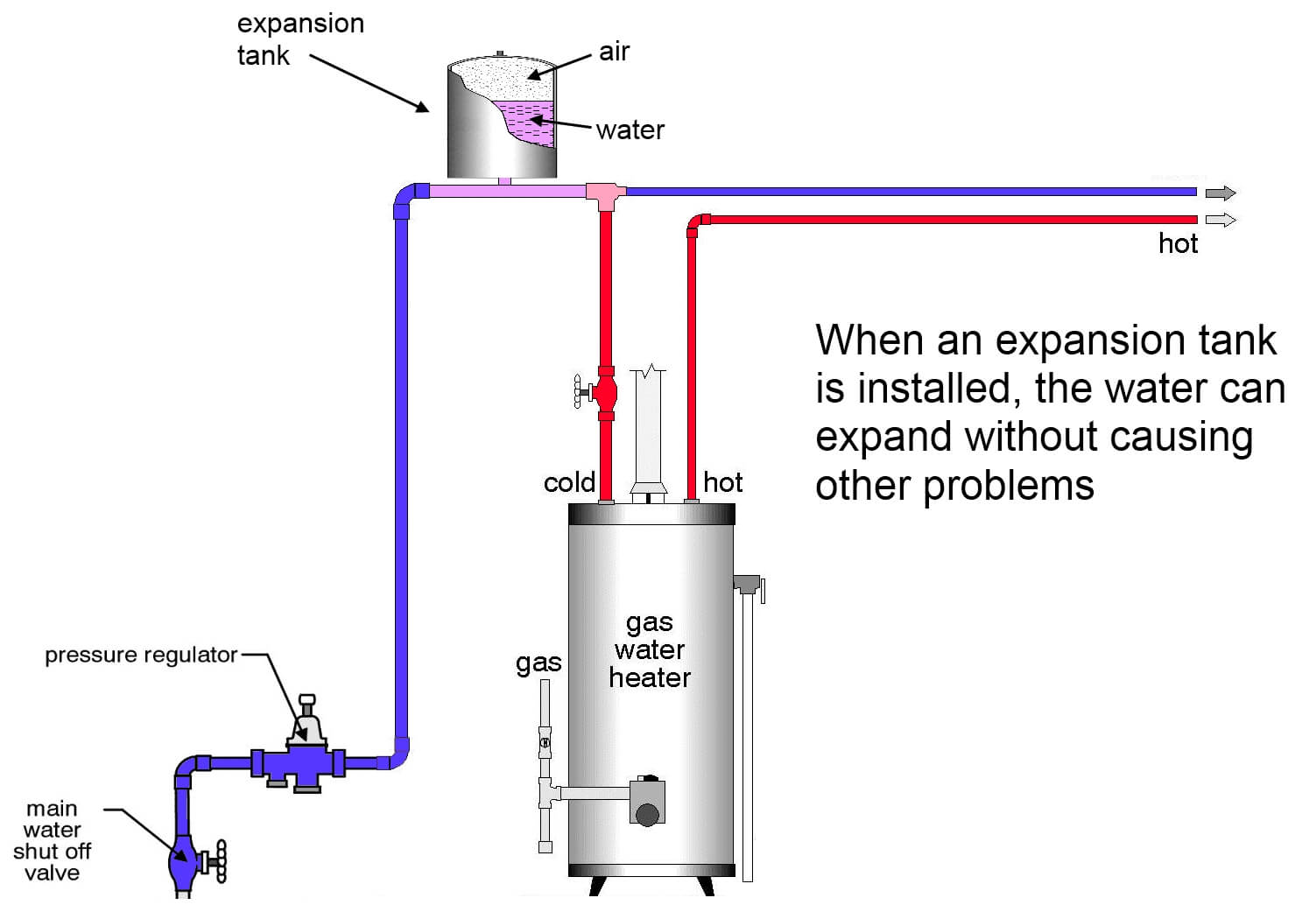
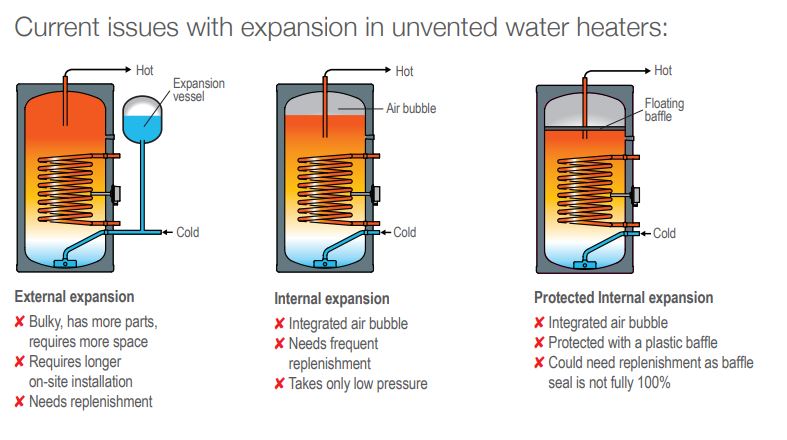
The fundamental principle behind the expansion vessel is managing the thermal expansion of water in closed heating or chilled water systems. Water expands as it heats up, and without a mechanism to accommodate this increased volume, the pressure within the system would rise dramatically. This pressure surge could damage system components such as pipes, pumps, and heat exchangers, potentially leading to costly repairs and system downtime. The expansion vessel acts as a buffer, absorbing the excess volume created by thermal expansion and maintaining a stable pressure within the system.
Anatomy of an Expansion Vessel: Key Components
A typical expansion vessel consists of two primary components:
- Steel Tank: The outer shell of the vessel, typically made of steel, provides the structural integrity to withstand system pressure.
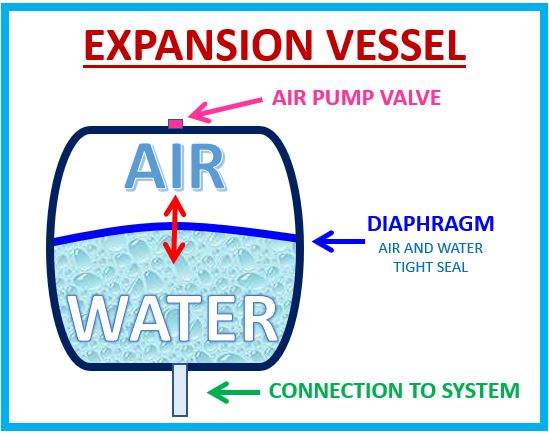
- Flexible Diaphragm or Bladder: A flexible membrane, usually made of rubber or another elastomeric material, divides the tank into two separate chambers. One chamber is pre-charged with compressed gas (typically nitrogen), while the other is connected to the system water.
How It Works: A Step-by-Step Explanation
The operation of an expansion vessel can be broken down into the following steps:
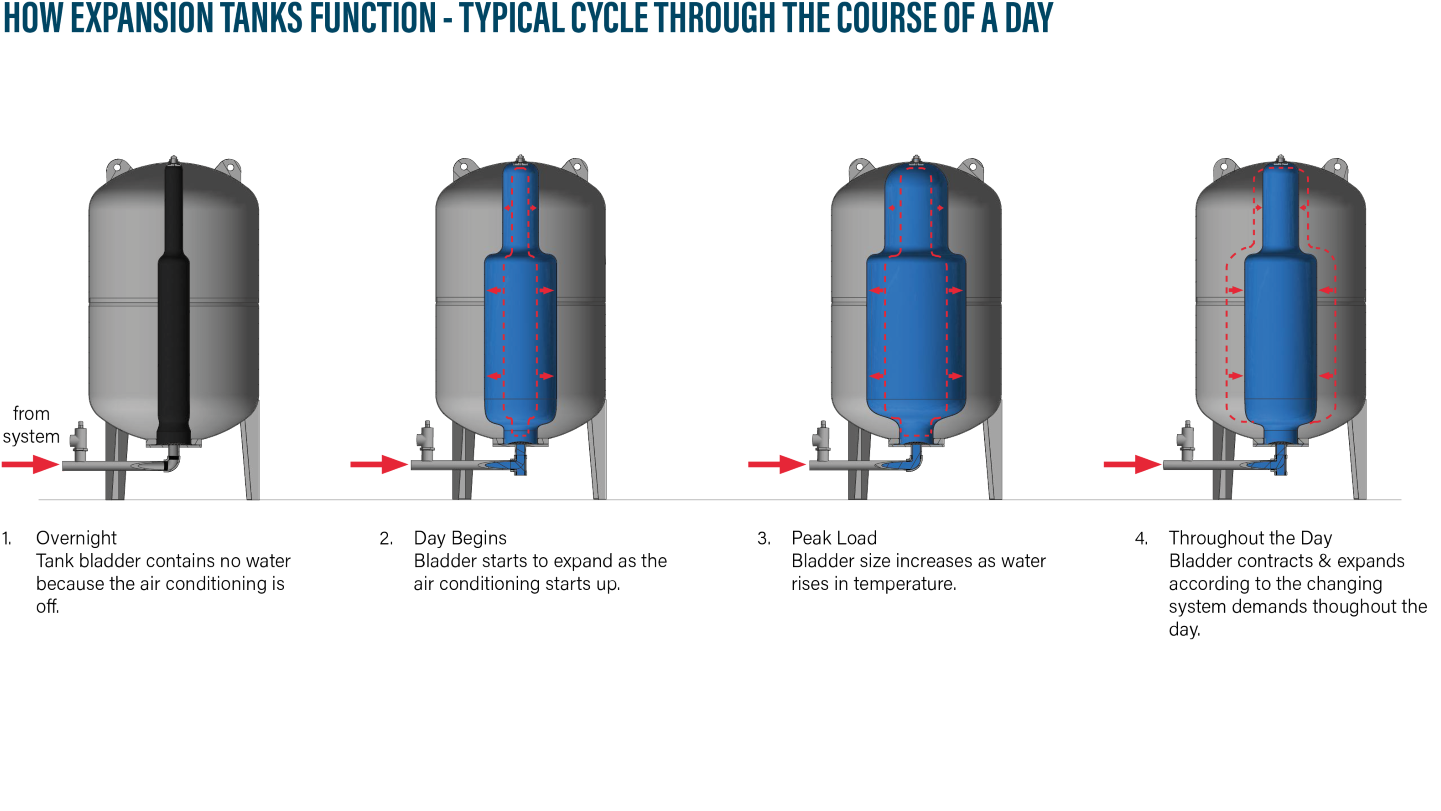
- Initial State: When the system is cold and the water volume is at its minimum, the compressed gas in the vessel's chamber exerts pressure against the diaphragm, occupying most of the tank's volume.
- Water Heating and Expansion: As the water in the system heats up, it expands in volume.
- Water Enters the Vessel: This expanded water enters the vessel, pushing against the diaphragm.
- Gas Compression: The diaphragm compresses the gas in the other chamber, increasing its pressure. The gas acts as a spring, resisting the water's expansion and preventing excessive pressure buildup in the system.
- Equilibrium: The system reaches an equilibrium where the pressure of the compressed gas balances the pressure of the water. This equilibrium point determines the system's operating pressure.
- Cooling and Contraction: When the water cools down, it contracts, reducing the volume of water in the system. The compressed gas then pushes the diaphragm back, forcing water out of the vessel and back into the system, maintaining pressure even as the water volume decreases.
Types of Expansion Vessels
While the fundamental principle remains the same, there are different types of expansion vessels available, each suited to specific applications:
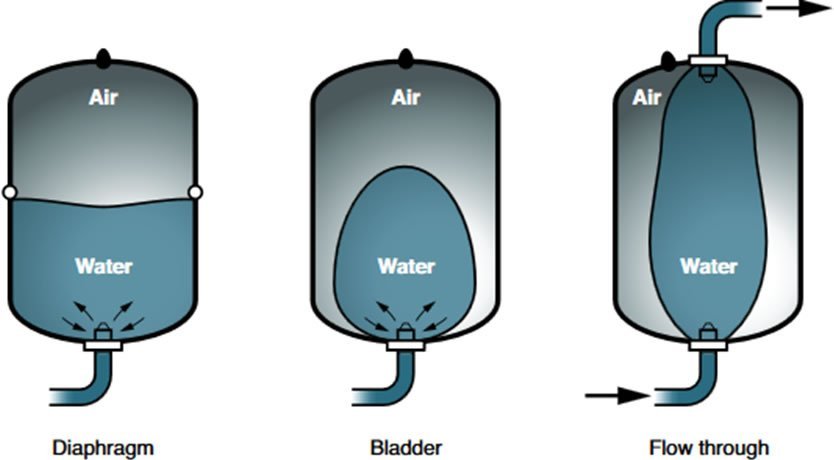
- Diaphragm Expansion Vessels: These are the most common type, utilizing a diaphragm to separate the water and gas. They are generally suitable for smaller to medium-sized systems.
- Bladder Expansion Vessels: Similar to diaphragm vessels, but using a bladder instead of a diaphragm. Bladder vessels often offer greater water capacity and are preferred for larger systems.
- Non-Bladder Expansion Vessels: Older designs where the water and air are in direct contact. These are less common now due to the air gradually dissolving into the water, requiring periodic recharging of the air volume.
Importance in HVAC Systems
The expansion vessel plays a crucial role in the overall health and efficiency of HVAC systems. Without it, the system would be susceptible to:
- Over-Pressurization: Leading to leaks, component failure, and even potentially dangerous explosions.
- Water Hammer: Sudden pressure surges caused by rapid changes in water flow, which can damage pipes and fittings.
- Reduced System Lifespan: Constant stress on system components due to pressure fluctuations shortens their lifespan and increases maintenance costs.
By mitigating these risks, the expansion vessel contributes to:
- Increased System Efficiency: Maintaining stable pressure allows the system to operate at its optimal performance level.
- Reduced Maintenance Costs: Preventing damage and extending component life reduces the frequency and cost of repairs.
- Improved System Reliability: Ensures consistent and dependable operation, minimizing downtime.
Career Relevance: Skills and Certifications
Understanding expansion vessels is essential for various roles within the HVAC industry. Here's how:
- HVAC Technicians: Diagnosing issues with expansion vessels, performing maintenance, and replacing faulty units are common tasks. A strong understanding of their operation is crucial for effective troubleshooting. The median salary for HVAC technicians in the United States is around $50,590 per year (Bureau of Labor Statistics, May 2022), with top earners making over $80,000. Obtaining certifications like NATE (North American Technician Excellence) or industry-specific manufacturer certifications can significantly boost earning potential.
- HVAC Installers: Correctly sizing and installing expansion vessels is vital for ensuring proper system operation. Installers must be able to calculate expansion volumes and select the appropriate vessel for the application. Entry-level installer positions can start around $35,000 per year, increasing with experience and expertise.
- HVAC System Designers: Specifying the correct expansion vessel is a critical aspect of system design. Designers must consider factors such as system volume, operating temperature range, and pressure requirements. Becoming a certified professional engineer (PE) can significantly advance your career in system design, potentially leading to salaries exceeding $90,000.
- HVAC Sales Engineers: Possessing a strong technical understanding of expansion vessels and their applications allows sales engineers to effectively communicate the benefits of different products and solutions to clients. Sales engineers often earn a base salary plus commission, with earning potential easily exceeding $75,000.
In addition to general HVAC knowledge, specific certifications related to hydronic systems (systems that use water for heating or cooling) can be beneficial. Familiarity with codes and standards related to pressure vessels is also important.
Job Outlook and Salary Trends
The job outlook for HVAC technicians remains positive. The Bureau of Labor Statistics projects a growth rate of 6 percent from 2022 to 2032, about as fast as the average for all occupations. This growth is driven by factors such as increasing demand for energy-efficient heating and cooling systems, the need for maintenance and repair of existing systems, and the expansion of the construction industry. As mentioned, the median salary for HVAC technicians is around $50,590 per year, but this can vary depending on experience, location, and specialization. Technicians with advanced skills and certifications, particularly those related to complex systems and energy efficiency, are in high demand and can command higher salaries.
Real-World Career Paths
Here are a few examples of career paths within the HVAC industry that heavily rely on knowledge of expansion vessels and hydronic systems:
- Hydronic Heating Specialist: Focusing specifically on the design, installation, and maintenance of hydronic heating systems, including radiant floor heating, baseboard heating, and fan coil units. These specialists possess in-depth knowledge of expansion vessels and other components specific to hydronic systems.
- Commercial HVAC Technician: Working on larger, more complex HVAC systems in commercial buildings, such as office buildings, hospitals, and schools. Commercial systems often utilize chilled water systems, which require careful management of expansion and contraction.
- Energy Auditor: Assessing the energy efficiency of buildings and recommending improvements. Understanding how expansion vessels and hydronic systems contribute to overall energy consumption is essential for energy auditors.
EPA 608 Certification and Beyond
While expansion vessels don't directly handle refrigerants, it's crucial to remember that any HVAC professional working with refrigerants must hold a valid EPA Section 608 certification. This certification demonstrates competency in handling refrigerants safely and responsibly, protecting the environment from ozone depletion. Obtaining your EPA 608 certification is a fundamental requirement for many HVAC jobs and demonstrates your commitment to professional standards.
Staying Current: Industry Trends and Future Developments
The HVAC industry is constantly evolving, with new technologies and regulations emerging regularly. To stay competitive, it's essential to stay current on industry trends. Some key areas to watch include:
- Smart HVAC Systems: Integration of smart technologies for remote monitoring, control, and optimization of HVAC systems.
- Variable Refrigerant Flow (VRF) Systems: Increasingly popular for their energy efficiency and zoning capabilities.
- Geothermal Heating and Cooling: Utilizing the earth's natural temperature to provide heating and cooling.
- Sustainable HVAC Practices: Focus on reducing energy consumption and minimizing environmental impact.
Continuous learning and professional development are essential for success in the HVAC industry. By investing in your knowledge and skills, you can build a rewarding and fulfilling career.
Conclusion
The expansion vessel is a seemingly simple component with a vital role in maintaining the integrity and efficiency of HVAC systems. A thorough understanding of its function, types, and applications is essential for HVAC professionals at all levels. By investing in your knowledge and skills, you can position yourself for success in this growing and dynamic industry.