How Does An Oil Burning Furnace Work
Understanding Your Oil Burning Furnace: A Homeowner's Guide
Oil burning furnaces are a reliable heating source for many homes, especially in areas where natural gas isn't readily available. Knowing how your oil furnace works can help you understand its operation, troubleshoot minor issues, and communicate effectively with HVAC technicians. This guide breaks down the process, from fuel delivery to warm air circulation.
The Key Components of an Oil Furnace
Before diving into the operation, let's identify the main parts:
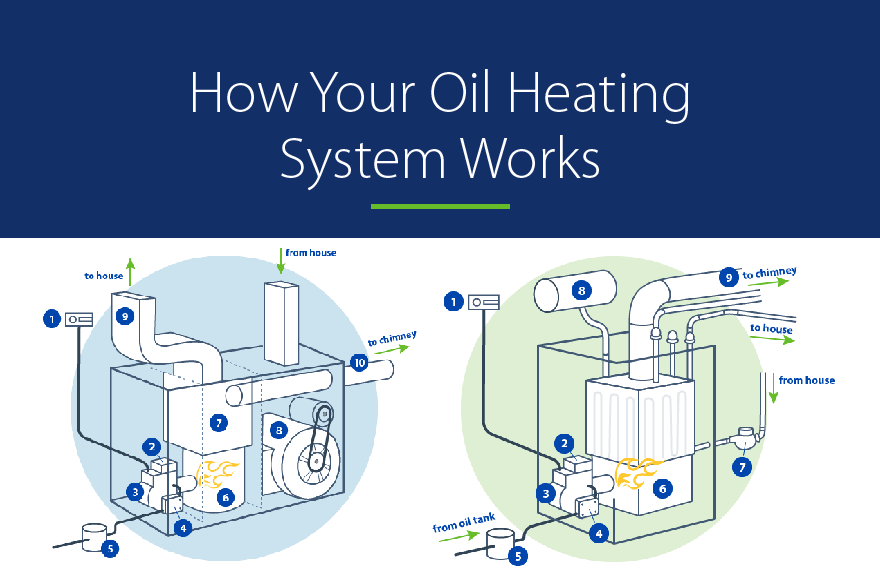
- Oil Tank: Stores the fuel oil.
- Oil Line: Transports oil from the tank to the furnace.
- Oil Filter: Removes impurities from the oil to prevent burner clogs.
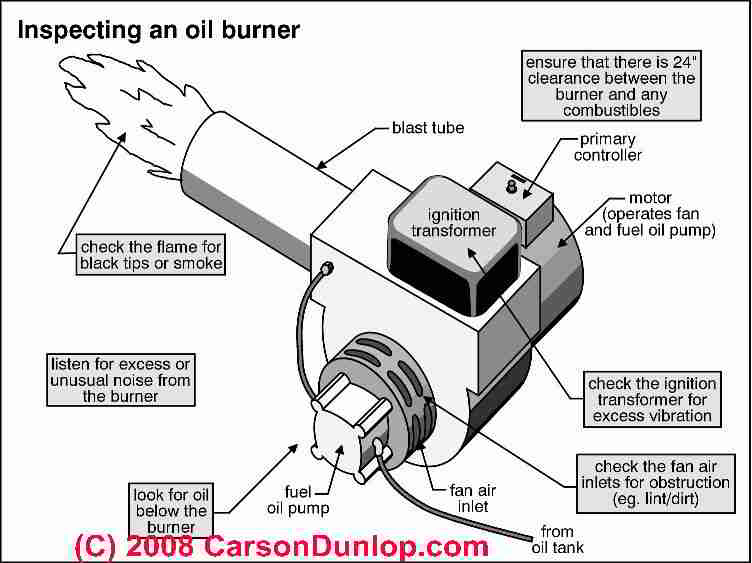
- Oil Pump: Draws oil from the tank and pressurizes it for the burner.
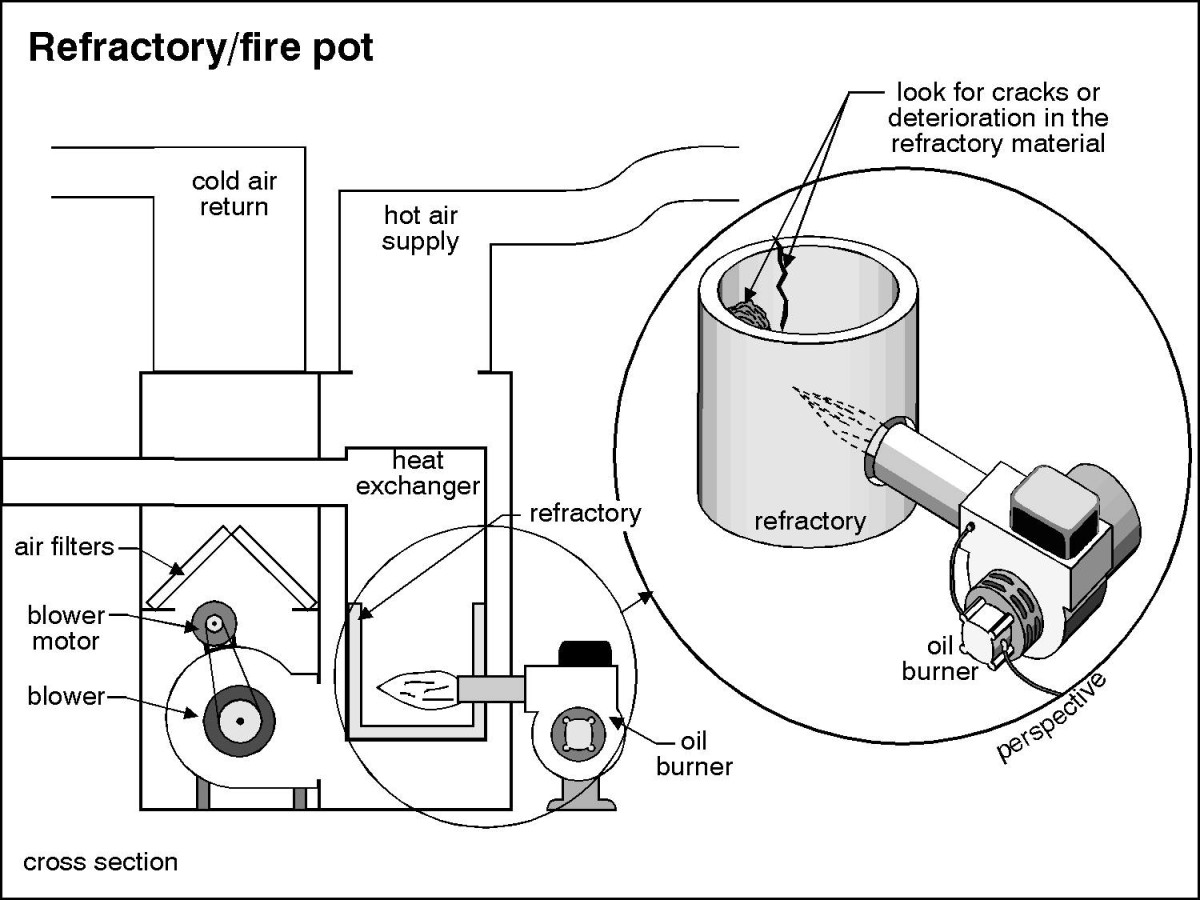
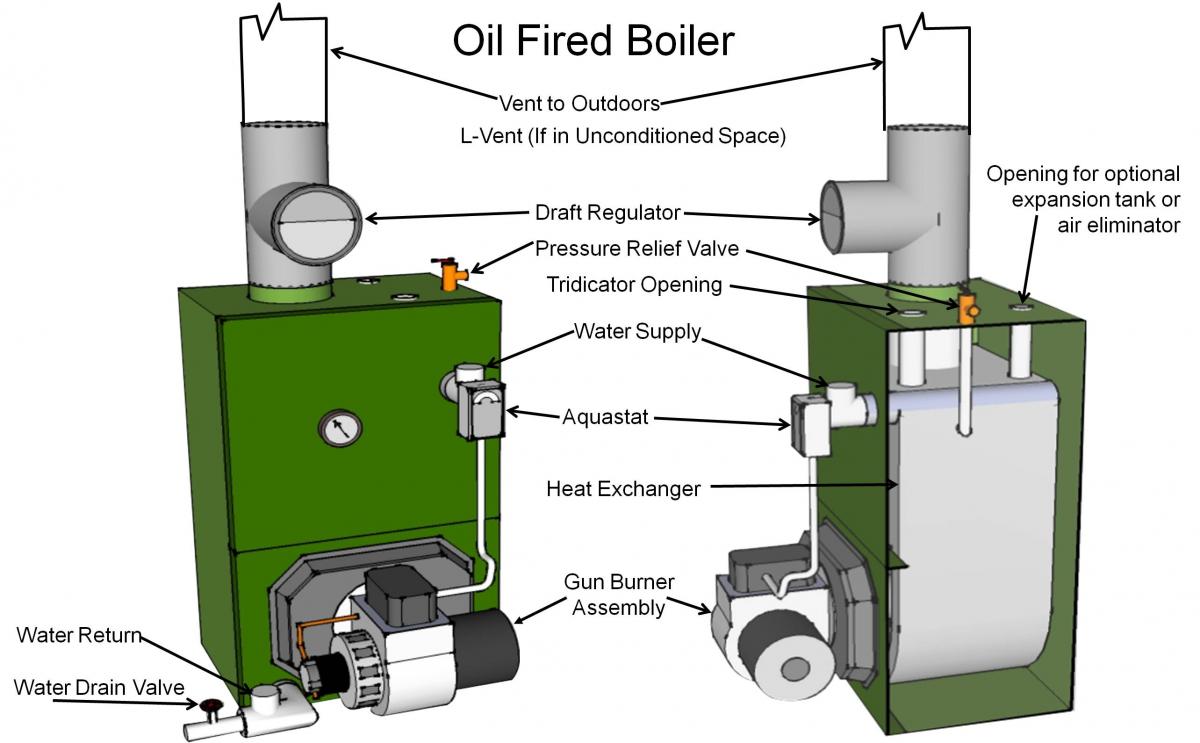
- Burner: Mixes oil and air to create a flame for combustion.
- Nozzle: Sprays the oil into the combustion chamber in a fine mist.
- Ignition System (Electrodes): Creates a spark to ignite the oil-air mixture.
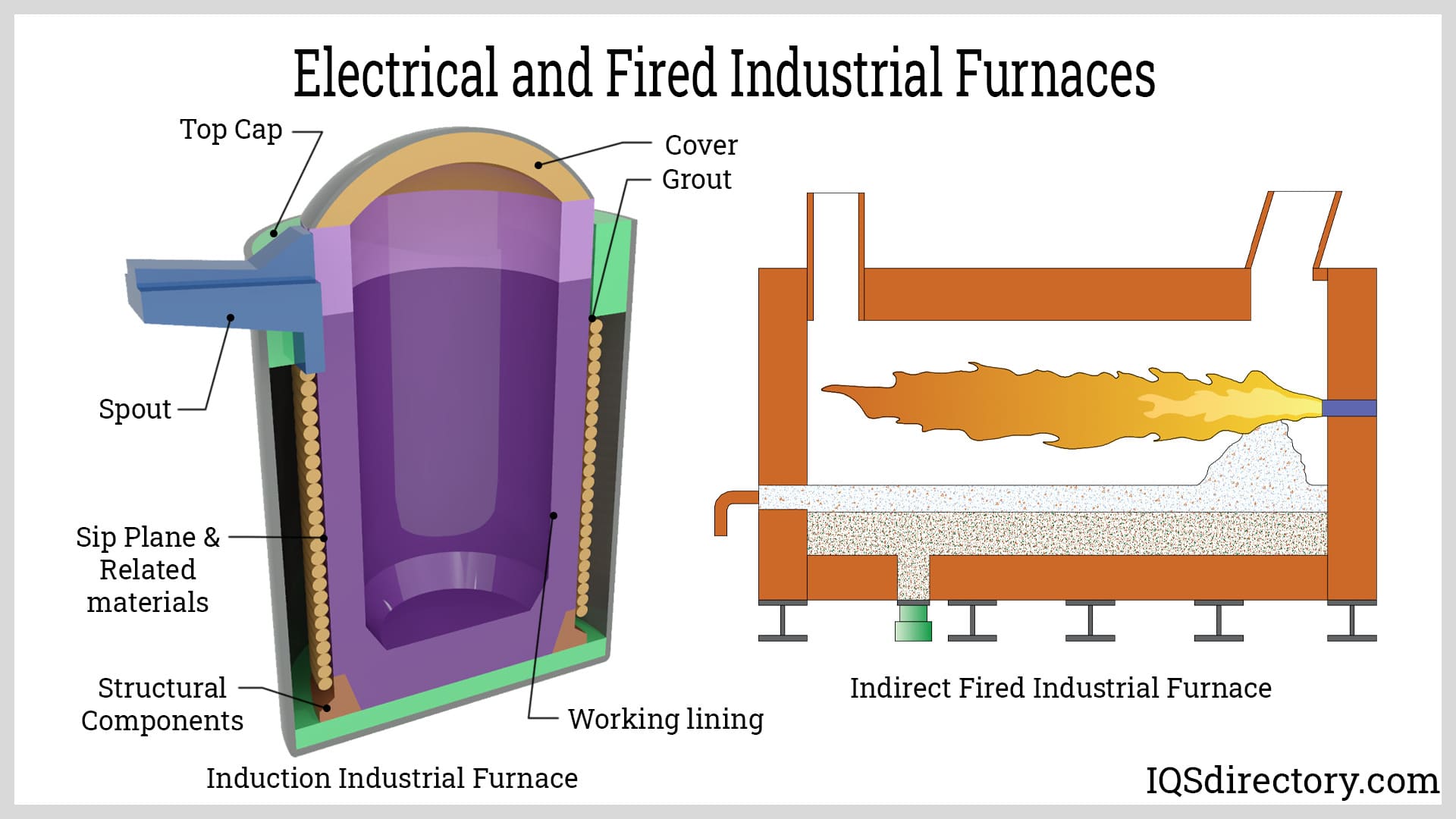
- Combustion Chamber: Where the burning of oil takes place.
- Heat Exchanger: Transfers heat from the combustion gases to the air circulating through the furnace.
- Blower Motor: Circulates air through the heat exchanger and into your home's ductwork.
- Flue Pipe (Vent): Vents exhaust gases from the combustion chamber outside your home.
- Cad Cell (Flame Sensor): Detects the presence of a flame.
- Control System (Furnace Control Board): Manages the operation of all components, including safety features.
- Thermostat: Senses the room temperature and signals the furnace to turn on or off.
The Combustion Process: Step-by-Step
Here's a breakdown of the combustion process in an oil furnace:
- Thermostat Call: When your thermostat senses that the room temperature is below the setpoint, it sends a signal to the furnace control board.
- Safety Checks: The control board performs a series of safety checks. It verifies that the system is properly grounded, that the cad cell is not detecting a false flame, and that other safety switches are in the correct position.
- Draft Induction (Optional): Some newer furnaces have an induced draft fan that starts up to ensure proper venting. This fan creates a negative pressure in the flue, helping to draw exhaust gases out of the combustion chamber.
- Oil Pump Activation: The control board starts the oil pump, which draws oil from the tank through the oil filter. The oil pump increases the oil pressure, preparing it for injection into the combustion chamber.
- Ignition: The ignition system, typically consisting of two electrodes, generates a high-voltage spark near the nozzle.
- Oil Spray and Ignition: The pressurized oil is forced through the nozzle, creating a fine mist. This mist mixes with air, and the spark ignites the oil-air mixture.
- Combustion: The burning oil produces hot combustion gases inside the combustion chamber.
- Flame Confirmation: The cad cell (flame sensor) detects the presence of a flame. If no flame is detected within a specific timeframe, the control board shuts down the furnace to prevent oil from accumulating and potentially causing a hazardous situation.
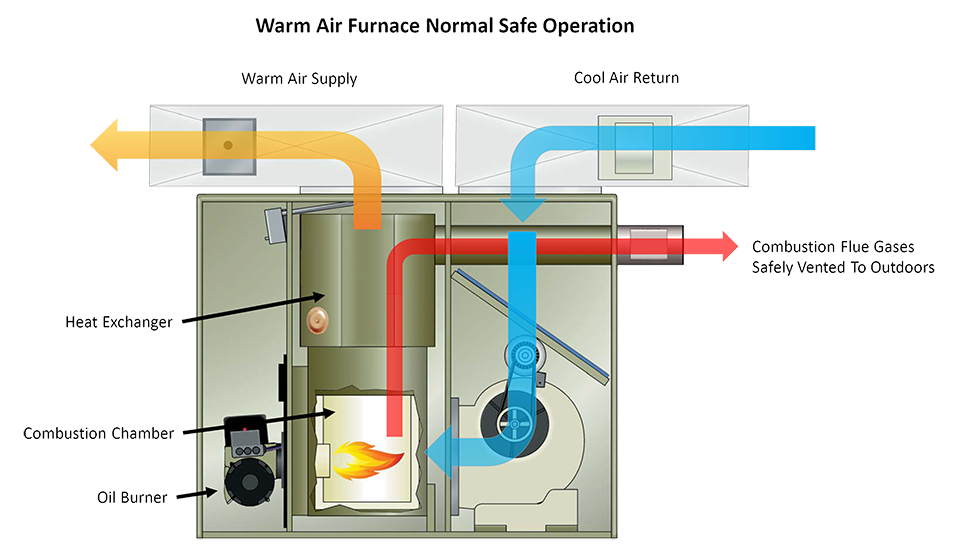
- Heat Transfer: The hot combustion gases circulate through the heat exchanger. The heat exchanger is a series of metal chambers that transfer heat to the air flowing around them.
- Blower Motor Activation: Once the heat exchanger reaches a safe operating temperature, the blower motor turns on.
- Air Circulation: The blower motor draws air from the return ducts, forces it across the heat exchanger (where it's warmed), and then pushes the heated air into the supply ducts, distributing it throughout your home.
- Exhaust Venting: The combustion gases, now cooled, are vented out of your home through the flue pipe.
- Thermostat Satisfaction: When the thermostat reaches the setpoint temperature, it signals the furnace to shut down. The burner turns off, and after a short cool-down period, the blower motor also shuts off.
Troubleshooting Common Oil Furnace Problems
Here are some common issues you might encounter and how to address them (with appropriate safety precautions):
- No Heat:
- Check the thermostat settings and batteries.
- Ensure the oil tank isn't empty.
- Check the emergency shut-off switch (usually located near the furnace) to make sure it's in the "on" position.
- Inspect the oil filter for clogs (If you're comfortable doing so, you can try replacing the oil filter. Always shut off the power to the furnace and the oil supply valve before attempting this).
- Check the circuit breaker for the furnace.
- When to call a professional: If you've checked these basic items and the furnace still isn't working, it's time to call a qualified HVAC technician. The problem could be a faulty oil pump, burner, ignition system, or control board.
- Furnace Short Cycling (Turning On and Off Frequently):
- Check the air filter. A dirty air filter can restrict airflow, causing the furnace to overheat and shut down prematurely.
- Make sure vents are not blocked.
- When to call a professional: Short cycling can also be caused by a malfunctioning flame sensor, a faulty thermostat, or problems with the burner. These issues require professional diagnosis and repair.
- Blower Runs Constantly:
- Check the thermostat settings. Some thermostats have a "fan on" setting that keeps the blower running continuously.
- When to call a professional: A stuck relay on the control board or a wiring issue could also cause the blower to run constantly. A technician can diagnose and repair these problems.
- Soot or Smoke:
- Immediately call a professional: This is a serious safety concern and indicates incomplete combustion. Do not operate the furnace until it has been inspected and repaired by a qualified technician. Soot and smoke can lead to carbon monoxide poisoning.
- Unusual Noises (Banging, Whistling, Grinding):
- When to call a professional: Unusual noises can indicate a variety of problems, such as a failing blower motor, a loose component, or issues with the oil pump. It's best to have a technician investigate the source of the noise and make the necessary repairs.
- Oil Odor:
- Immediately call a professional: This could indicate an oil leak, a problem with the burner, or incomplete combustion. Turn off the furnace and ventilate the area before calling a technician.
Essential Safety Tips
Working with oil furnaces involves potential hazards. Always prioritize safety:
- Turn off the power: Before performing any maintenance or troubleshooting, always disconnect the power to the furnace at the circuit breaker.
- Shut off the oil supply: Locate the oil shut-off valve near the furnace and close it before working on any oil-related components.
- Wear safety glasses and gloves: Protect your eyes and hands from dirt, oil, and sharp edges.
- Never work on a furnace if you smell oil or gas: Leave the area immediately and call a qualified technician.
- Carbon Monoxide Detector: Ensure you have a working carbon monoxide detector installed near your furnace. Test it regularly.
- Proper Ventilation: Always ensure adequate ventilation when working around the furnace.
When to Call a Professional HVAC Technician
While some basic maintenance and troubleshooting tasks can be performed by homeowners, certain repairs require the expertise of a qualified HVAC technician. Call a professional if you encounter any of the following situations:
- You are uncomfortable working with electrical components or fuel oil.
- You suspect a gas or oil leak.
- You are dealing with soot or smoke.
- You are unable to diagnose the problem.
- The furnace requires repairs to the burner, oil pump, control board, or other major components.
Estimated Repair Costs
Repair costs for oil furnaces can vary depending on the problem and the location. Here are some general estimates (note that these are just estimates and actual costs may differ):
- Oil Filter Replacement: $50 - $150
- Nozzle Replacement: $100 - $250
- Ignition Electrode Replacement: $150 - $350
- Oil Pump Replacement: $400 - $800
- Blower Motor Replacement: $300 - $700
- Control Board Replacement: $300 - $900
- Heat Exchanger Replacement: $1500 - $4000 (This is a major repair and may be more cost-effective to replace the entire furnace).
It's always a good idea to get quotes from multiple HVAC contractors before proceeding with any major repairs.
Preventative Maintenance: Extending the Life of Your Furnace
Regular maintenance can help prevent costly repairs and extend the life of your oil furnace. Consider these preventative measures:
- Annual Inspection and Tune-up: Schedule an annual inspection and tune-up with a qualified HVAC technician. This typically includes cleaning the burner, checking the ignition system, inspecting the heat exchanger, and adjusting the burner for optimal efficiency.
- Air Filter Replacement: Replace the air filter every 1-3 months, depending on the type of filter and the air quality in your home.
- Oil Filter Replacement: Replace the oil filter annually.
- Keep the Area Around the Furnace Clear: Make sure there is adequate space around the furnace for proper ventilation and maintenance.
By understanding how your oil furnace works and taking steps to maintain it properly, you can ensure reliable heating for your home for years to come. Remember, when in doubt, always consult with a qualified HVAC professional.