How Does An Ultrasonic-type Leak Detector Work

Frequently Asked Questions: How Ultrasonic Leak Detectors Work
Have you ever wondered how professionals can pinpoint leaks in pipes, HVAC systems, or even vehicles without seeing or hearing them? The answer often lies in ultrasonic leak detectors. This FAQ addresses common questions about how these devices work, their benefits, and their applications. We aim to provide clear and concise information for homeowners and facility managers alike.
Q1: What exactly is an ultrasonic leak detector, and what does it do?
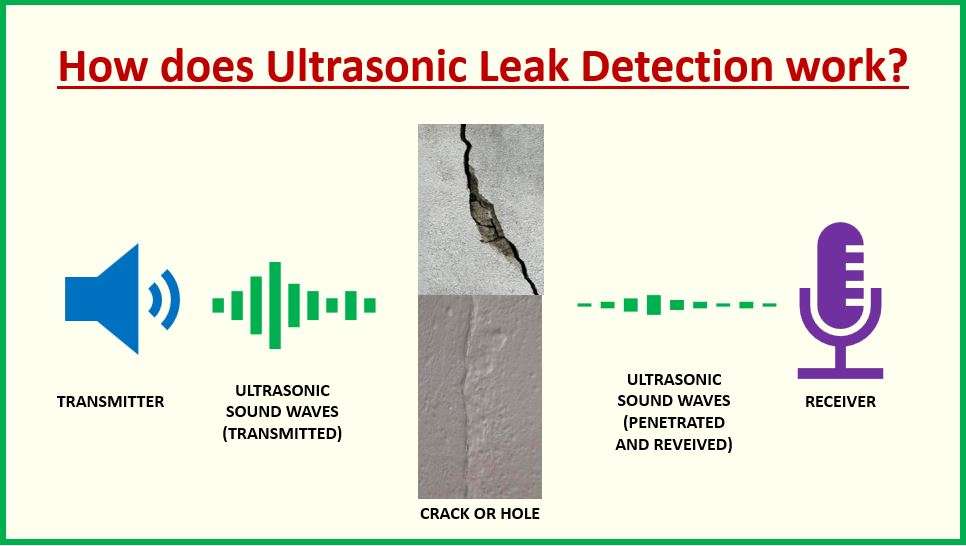
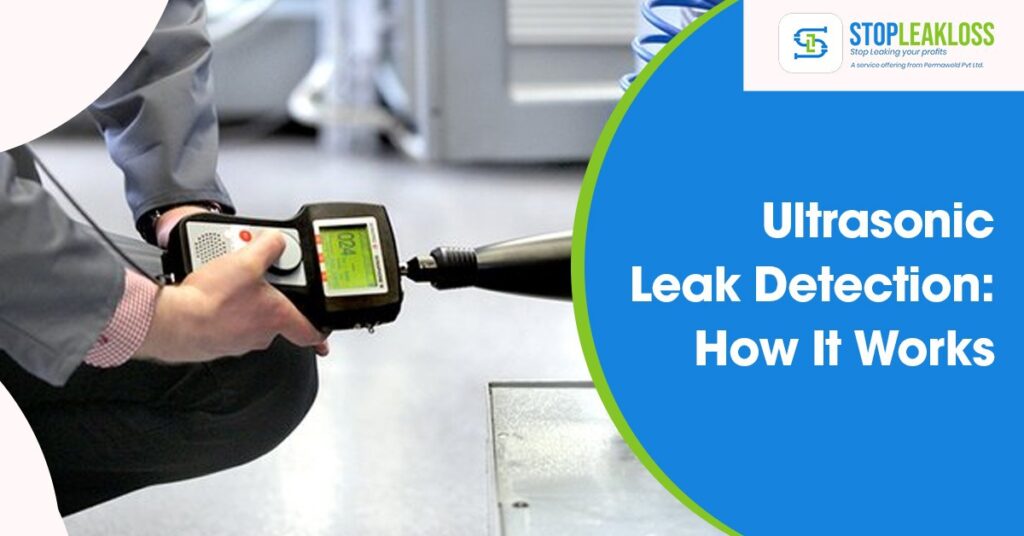
An ultrasonic leak detector is a device that detects high-frequency sounds, typically in the range of 20 kHz to 100 kHz. These frequencies are well above the range of human hearing (which is generally between 20 Hz and 20 kHz). Leaks, even small ones, often create these ultrasonic sounds as pressurized gas or liquid escapes through a tiny opening. The detector picks up these sounds, amplifies them, and translates them into a form we can understand, such as an audible tone or a visual reading on a display.
Essentially, it allows you to "hear" leaks that are otherwise undetectable. It's a powerful tool for finding leaks quickly and efficiently, saving time, money, and resources.
Q2: How does an ultrasonic leak detector actually detect these ultrasonic sounds? What's the core technology involved?
The core technology revolves around a sensitive microphone that is designed to pick up ultrasonic frequencies. Here's a breakdown of the process:
- Sensing the Sound: The microphone, often a piezoelectric sensor, vibrates when it detects ultrasonic sound waves. Piezoelectric sensors generate an electrical signal when they are subjected to mechanical stress (in this case, sound vibrations).
- Amplifying the Signal: The weak electrical signal from the microphone is then amplified by an electronic circuit within the detector. This amplification makes the signal strong enough to be processed.
- Filtering Out Noise: A sophisticated filter is used to isolate the ultrasonic frequencies from background noise. This ensures that the detector isn't triggered by everyday sounds that fall within the human hearing range. The filter focuses specifically on the higher frequencies associated with leaks.
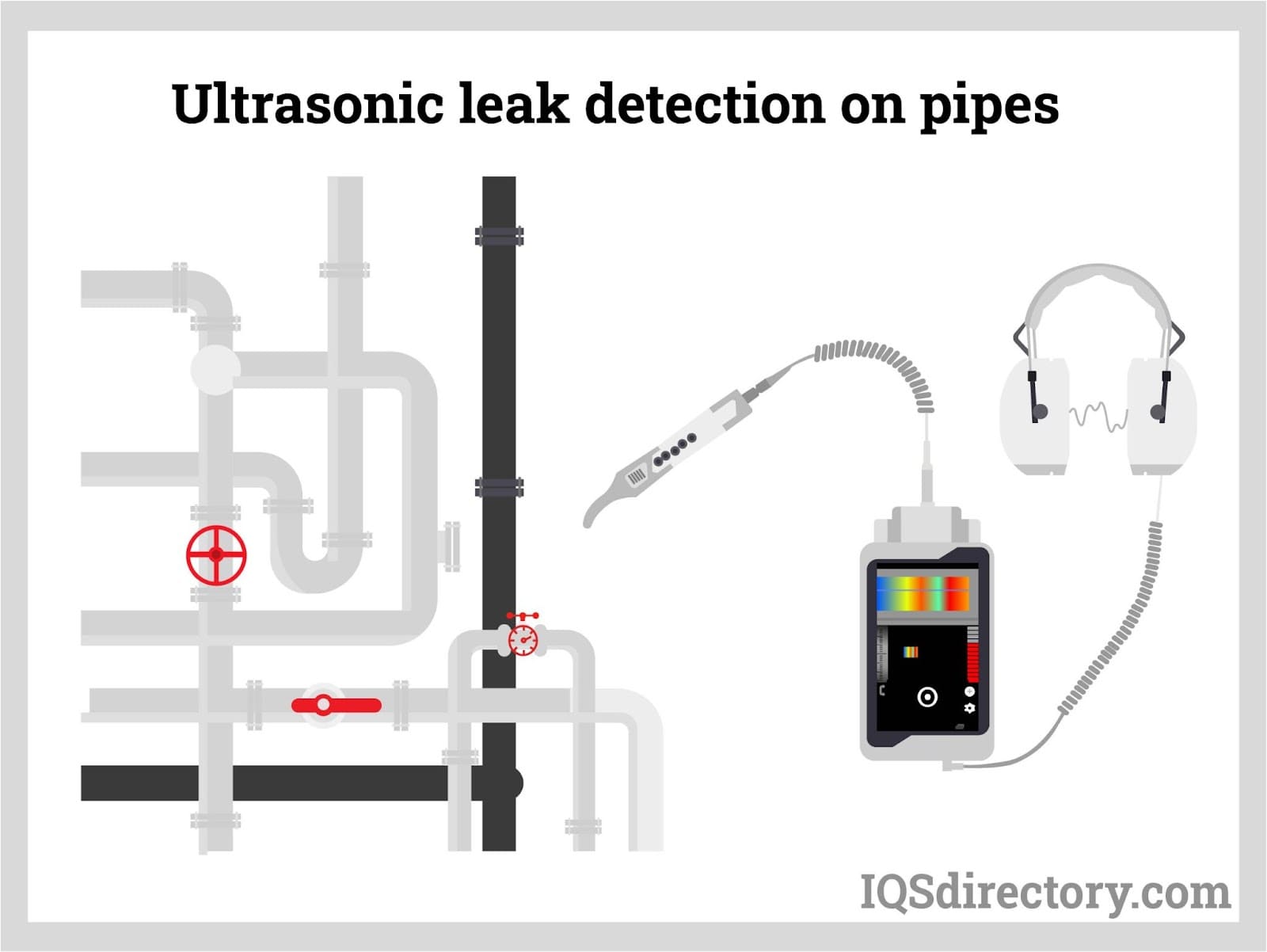
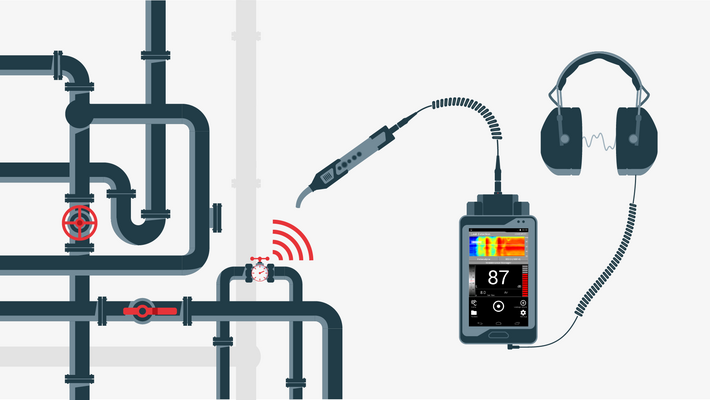
- Signal Processing and Display: The filtered and amplified signal is then processed and converted into a usable output, such as an audible tone through headphones or a visual reading on a digital display. Some advanced detectors also provide signal strength indicators or even spectrograms that visually represent the ultrasonic frequencies.
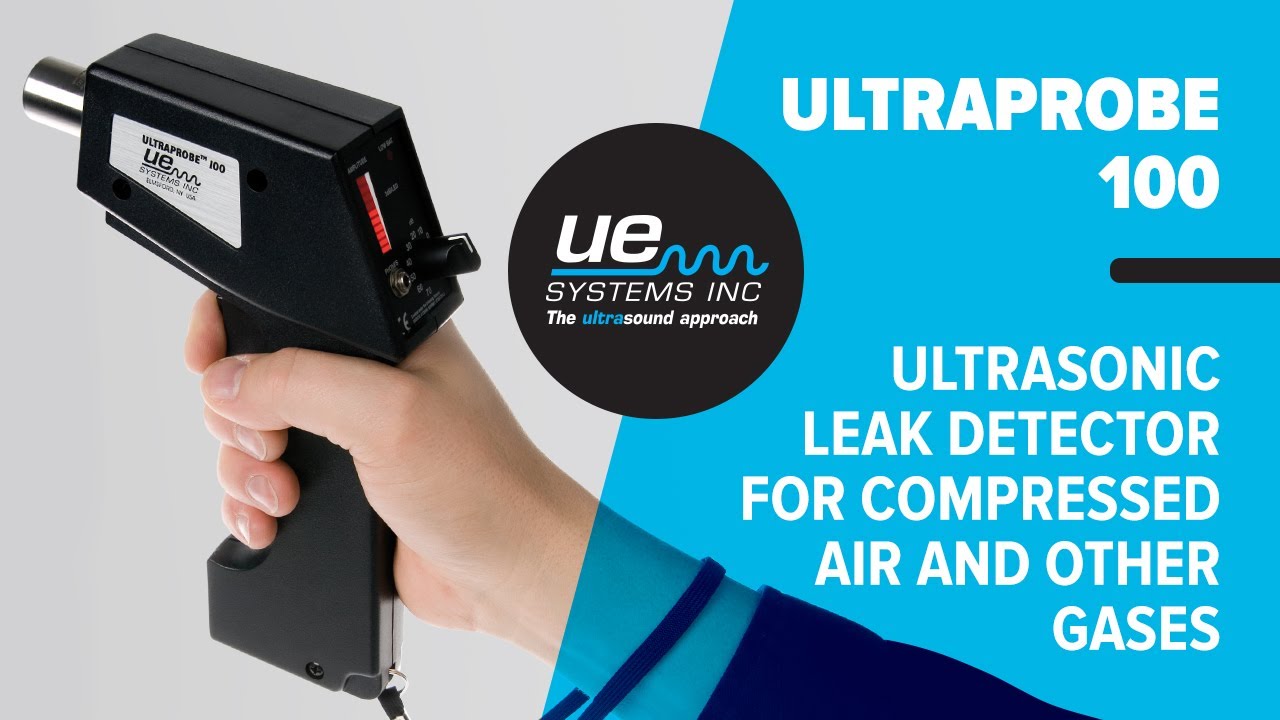
- Directional Sensitivity: Many detectors have a directional probe or focusing cone to help pinpoint the exact location of the leak. By moving the probe around and observing the signal strength, you can trace the source of the ultrasonic sound.
In simpler terms, the device acts like a highly sensitive stethoscope for ultrasonic sounds. It amplifies these sounds, filters out unwanted noise, and presents the information in a way that makes it easy to locate the source of the leak.
Q3: What are the advantages of using an ultrasonic leak detector compared to other leak detection methods (like soap bubbles or visual inspection)?
Ultrasonic leak detectors offer several significant advantages over traditional leak detection methods:
- Non-Invasive: Unlike some methods that require system shutdown or disassembly, ultrasonic detection is non-invasive. You can often detect leaks while the system is operating under normal conditions.
- Speed and Efficiency: Ultrasonic detectors can locate leaks much faster than methods like soap bubble testing, especially in large or complex systems. They can quickly scan large areas and pinpoint the source of the leak.
- Sensitivity: They can detect very small leaks that might be missed by other methods. This is especially important in systems where even a tiny leak can lead to significant energy loss or equipment damage.
- Versatility: Ultrasonic detectors can be used to detect leaks in a wide range of systems, including compressed air, gas, vacuum, steam, and even hydraulic systems. They can also be used to detect electrical discharge, which also produces ultrasonic sound.
- Reduced Downtime: By quickly locating and repairing leaks, you can minimize system downtime and reduce associated costs.
- Safety: In some cases, ultrasonic detection can be safer than other methods, as it allows you to identify leaks from a distance, avoiding direct contact with potentially hazardous materials.
- Works in Noisy Environments: Because they focus on ultrasonic frequencies, these detectors are less affected by ambient noise compared to relying on hearing the leak directly.
While soap bubbles and visual inspections have their place, ultrasonic leak detection offers a more efficient, sensitive, and versatile approach for many applications. They provide a distinct advantage when pinpointing leaks in hard-to-reach or noisy areas.
Q4: What types of leaks can an ultrasonic leak detector identify, and in what kind of systems? Give some practical examples.
Ultrasonic leak detectors are incredibly versatile and can detect various types of leaks in a wide range of systems. Here are some practical examples:
- Compressed Air Systems: Leaks in air lines, fittings, valves, and pneumatic equipment. This is a very common application, as compressed air leaks can be a significant source of energy waste in industrial facilities. Example: Finding leaks in the air lines powering robotic arms in a manufacturing plant.
- Gas Systems: Leaks in natural gas pipelines, propane tanks, and other gas-handling equipment. This is particularly important for safety reasons, as gas leaks can be hazardous. Example: Detecting a slow leak in a natural gas line within a building.
- Vacuum Systems: Leaks in vacuum pumps, chambers, and related equipment. Vacuum leaks can compromise the performance of sensitive equipment used in manufacturing, research, and medical applications. Example: Identifying a leak in a vacuum chamber used for semiconductor manufacturing.
- Steam Systems: Leaks in steam traps, valves, and pipelines. Steam leaks can be costly and dangerous. Example: Locating a faulty steam trap in a heating system.
- Hydraulic Systems: Leaks in hydraulic lines, cylinders, and pumps. Hydraulic leaks can cause equipment malfunctions and environmental contamination. Example: Detecting a leak in a hydraulic line on a construction machine.
- Refrigeration Systems (HVAC): Leaks in refrigerant lines, compressors, and evaporators. Refrigerant leaks can reduce system efficiency and contribute to environmental damage. Example: Finding a refrigerant leak in an air conditioning unit.
- Automotive Systems: Leaks in vacuum lines, brake lines, and fuel lines. Example: Pinpointing a vacuum leak in an engine that is causing poor performance.
- Electrical Systems: Detecting partial discharge in electrical components. While not technically a "leak," electrical discharge produces ultrasonic sounds that can indicate insulation breakdown or other potential problems. Example: Identifying a loose connection in an electrical panel.
In short, if a pressurized fluid or gas is escaping through a small opening, an ultrasonic leak detector can likely detect it. Its broad applicability makes it a valuable tool across many industries and applications.
Q5: Are ultrasonic leak detectors difficult to use? What kind of training is needed to operate one effectively?
Most ultrasonic leak detectors are relatively easy to use, especially basic models. However, understanding the principles of operation and practicing proper techniques will significantly improve your effectiveness. Here's a breakdown:
- Basic Operation: Most detectors have simple controls for adjusting sensitivity (gain) and volume. You typically turn the device on, adjust the sensitivity until you can hear ambient ultrasonic noise, and then slowly scan the area where you suspect a leak. When the detector picks up a stronger ultrasonic signal, you move closer to pinpoint the source.
- Understanding the Display: Many detectors have a visual display that shows the signal strength. This can be helpful for determining the relative intensity of the ultrasonic sound and for pinpointing the exact location of the leak.
- Filtering Out Noise: It's important to understand how to use the filters on the detector to minimize interference from background noise. Some detectors have adjustable filters that allow you to target specific frequencies.
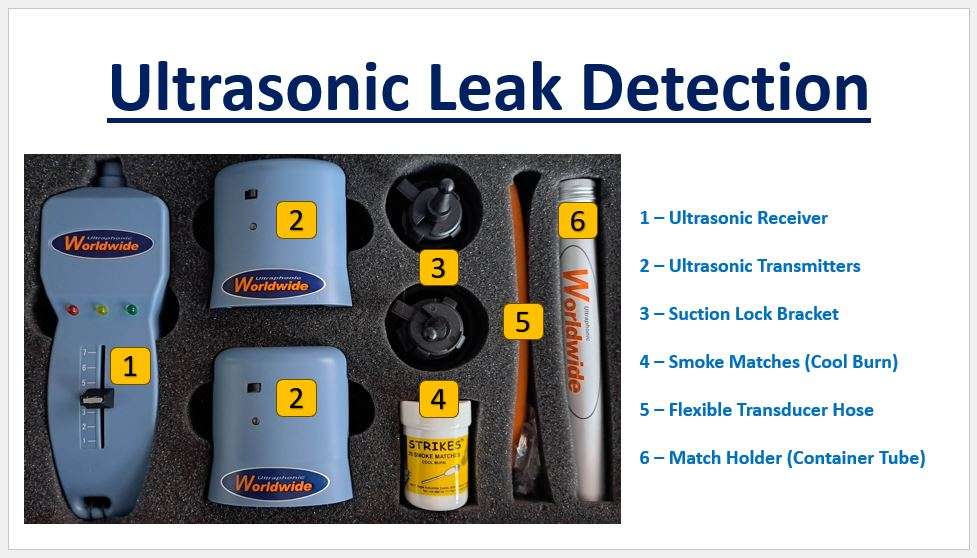
- Using Accessories: Some detectors come with accessories like probes or focusing cones that can help you access hard-to-reach areas or improve the directionality of the detector. Learning how to use these accessories effectively can enhance your ability to locate leaks.
- Interpreting the Results: Experience is key to accurately interpreting the results. With practice, you'll learn to distinguish between genuine leak sounds and other ultrasonic noise sources.
While formal training isn't always required, it's beneficial to have some basic knowledge of acoustics and leak detection principles. Many manufacturers offer training courses or online resources that can help you get the most out of your ultrasonic leak detector. A few hours of familiarization and practice will make a significant difference in your ability to use the device effectively and accurately.
Q6: What are some factors that can affect the accuracy of an ultrasonic leak detector? How can I ensure reliable results?
Several factors can influence the accuracy of ultrasonic leak detection. Being aware of these factors and taking steps to mitigate them will ensure more reliable results:
- Background Noise: Excessive background noise, particularly in the ultrasonic range, can interfere with the detector's ability to pick up leak sounds. Try to minimize noise sources or use the detector's filters to isolate the leak sounds.
- Distance: The strength of the ultrasonic signal decreases with distance. The closer you are to the leak, the stronger the signal will be and the easier it will be to pinpoint the source.
- Obstructions: Obstructions between the detector and the leak can block or weaken the ultrasonic signal. Try to position the detector so that it has a clear line of sight to the potential leak source.
- Wind: Wind can carry away or distort the ultrasonic signal, making it difficult to pinpoint the leak. Try to shield the detector from the wind or wait for calmer conditions.
- Leak Size and Pressure: The size of the leak and the pressure of the fluid or gas escaping will affect the strength of the ultrasonic signal. Larger leaks and higher pressures will generally produce stronger signals. Very small leaks may be more difficult to detect.
- Detector Sensitivity: The sensitivity of the detector should be adjusted appropriately for the specific application. Too much sensitivity can lead to false positives, while too little sensitivity can cause you to miss small leaks.
- User Experience: As mentioned before, user experience plays a crucial role. Understanding the nuances of ultrasonic sound and being able to differentiate between leak sounds and other noise sources is essential for accurate results.
- Regular Calibration: Ensure your detector is properly calibrated according to the manufacturer's recommendations. Calibration ensures the detector is providing accurate readings.
By being mindful of these factors and following proper operating procedures, you can minimize errors and ensure that your ultrasonic leak detector provides accurate and reliable results.
Q7: What kind of maintenance do ultrasonic leak detectors require, and how long can I expect them to last?
Ultrasonic leak detectors generally require minimal maintenance. Proper care and storage are key to extending their lifespan. Here are some common maintenance tips and considerations:
- Cleaning: Keep the detector clean and free of dust and debris. Use a soft, dry cloth to wipe down the exterior. Avoid using harsh chemicals or solvents, as these can damage the plastic or electronic components.
- Battery Care: If your detector uses batteries, follow the manufacturer's recommendations for battery replacement or charging. Remove the batteries if you plan to store the detector for an extended period.
- Probe/Sensor Care: The probe or sensor is the most sensitive part of the detector. Protect it from physical damage and avoid exposing it to excessive moisture or extreme temperatures.
- Storage: Store the detector in a clean, dry place when not in use. A carrying case can help protect it from dust, dirt, and physical damage.
- Calibration: Periodically calibrate the detector to ensure its accuracy. The frequency of calibration will depend on the manufacturer's recommendations and the usage of the detector.
- Repairs: If the detector malfunctions, do not attempt to repair it yourself unless you are qualified to do so. Contact the manufacturer or a qualified service technician for repairs.
With proper care and maintenance, a good quality ultrasonic leak detector can last for many years. The lifespan will depend on the frequency of use, the environmental conditions, and the quality of the device. Regularly inspecting the detector for signs of damage and following the manufacturer's recommendations will help ensure its longevity and optimal performance.