How Does Deforestation Affect The Environment

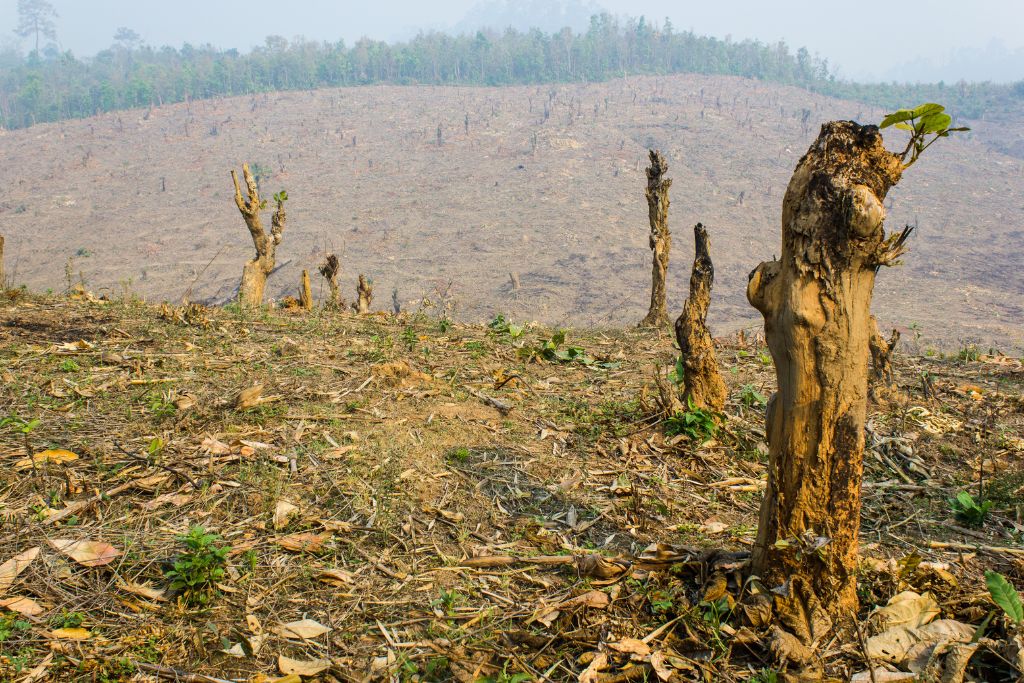
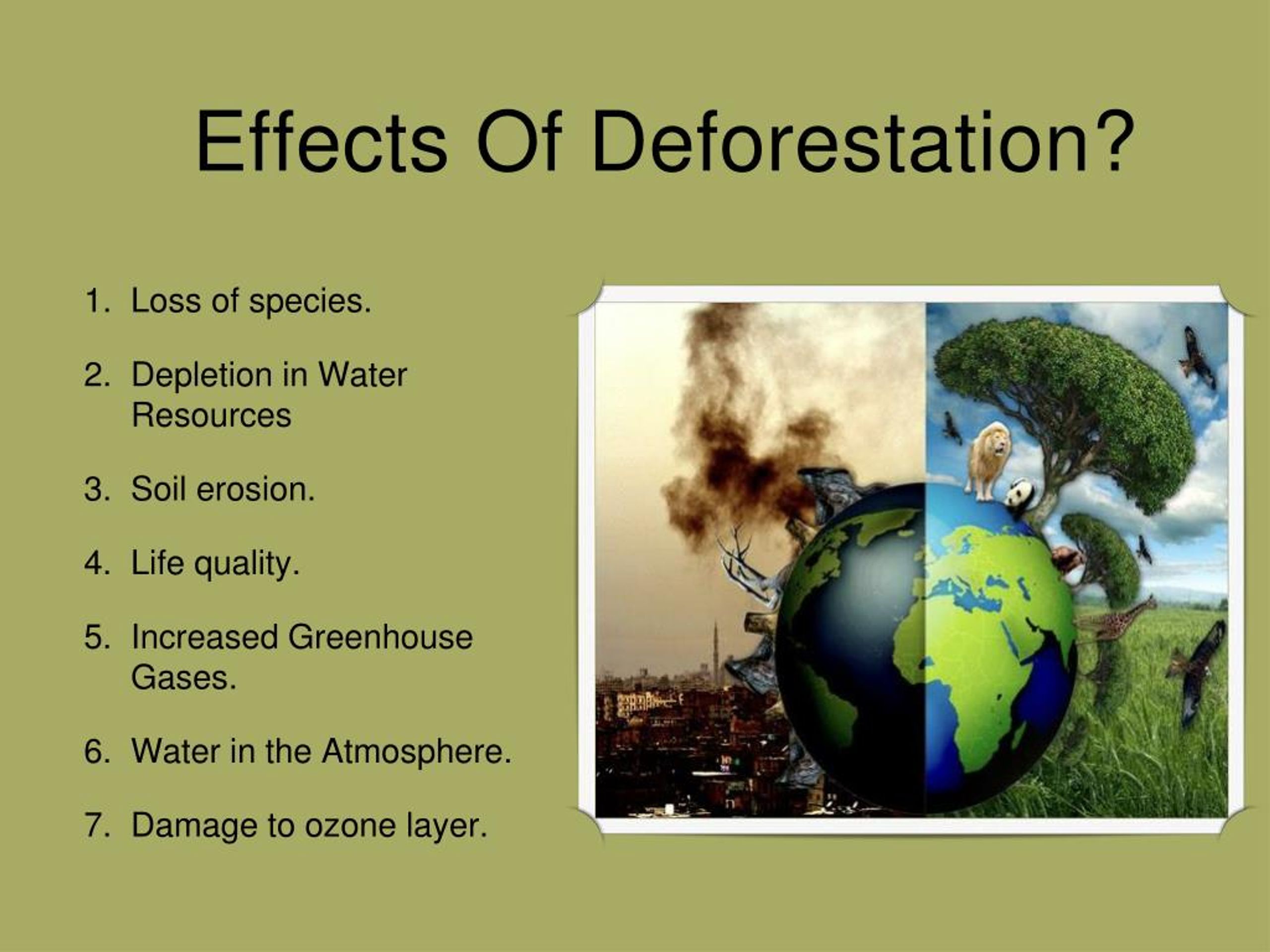
Deforestation, the clearing of forests for other land uses, has profound and far-reaching consequences for the environment. It's not just about losing trees; it's about disrupting intricate ecosystems and contributing to global challenges like climate change. Understanding these effects is crucial for making informed decisions about our planet's future. This guide will break down the key ways deforestation impacts our environment.
Loss of Biodiversity
One of the most devastating effects of deforestation is the loss of biodiversity. Forests are home to an estimated 80% of the world's terrestrial biodiversity. They are complex ecosystems supporting a vast array of plant, animal, and insect species.
When forests are cleared, habitats are destroyed, leading to the displacement, endangerment, and even extinction of countless species. Imagine a rainforest as a bustling city. Each tree, each plant, and each animal has its role and its home. When the city is destroyed, where do its inhabitants go?
Habitat fragmentation is a major issue. Deforestation often leaves behind smaller, isolated patches of forest. These fragments cannot support the same level of biodiversity as a large, contiguous forest because they:
- Limit the movement of animals, restricting access to food and mates.
- Increase the risk of inbreeding and genetic bottlenecks within populations.
- Expose species to the harsh conditions of the surrounding deforested landscape.
This loss of biodiversity weakens ecosystems, making them less resilient to disturbances like disease and climate change.
Climate Change
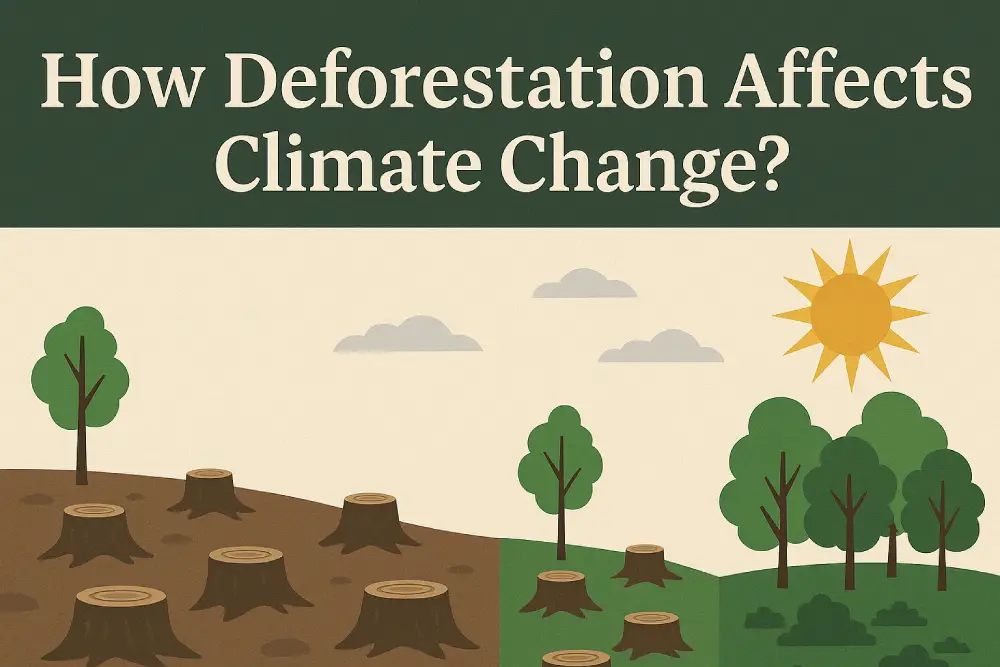
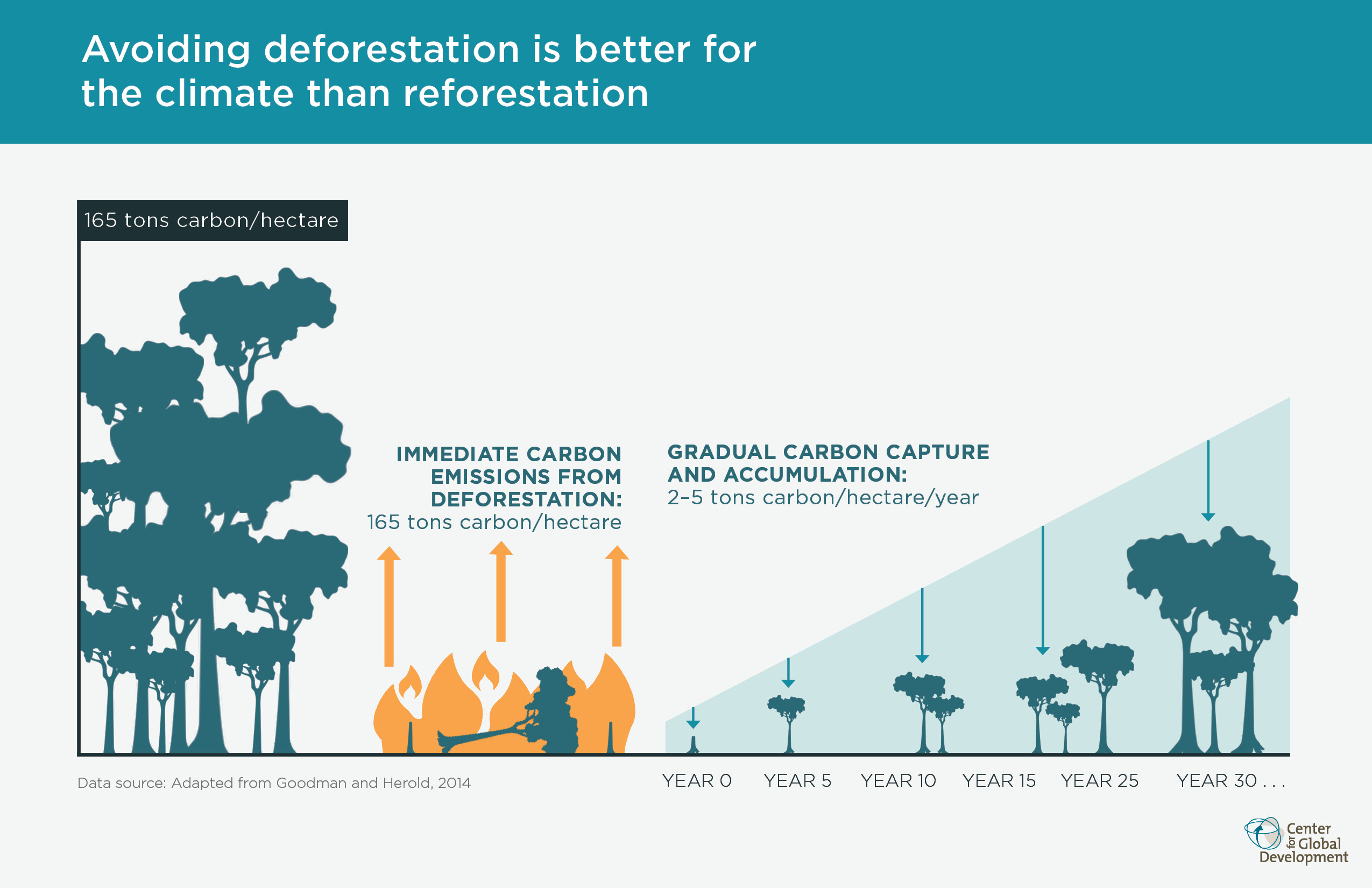
Deforestation is a significant contributor to climate change. Trees play a critical role in regulating the Earth's climate by absorbing carbon dioxide (CO2) from the atmosphere through photosynthesis. They act as carbon sinks, storing vast amounts of carbon in their biomass (trunks, branches, and roots).
When forests are cleared, this stored carbon is released back into the atmosphere, primarily as CO2. This release happens in several ways:
- Burning of trees: Burning releases CO2 directly into the atmosphere.
- Decomposition: When trees decompose, the carbon they contain is released over time.
- Soil disturbance: Deforestation disrupts the soil, releasing carbon stored within it.
The increased concentration of CO2 in the atmosphere contributes to the greenhouse effect, trapping heat and leading to global warming. It's like putting an extra blanket on the Earth, trapping heat and causing the planet's temperature to rise.
Furthermore, deforestation reduces the planet's capacity to absorb CO2, creating a vicious cycle. Fewer trees mean less CO2 is removed from the atmosphere, further accelerating climate change.
Soil Erosion and Degradation
Forests play a vital role in maintaining soil health. Tree roots bind the soil together, preventing erosion by wind and water. The forest canopy also protects the soil from the direct impact of rainfall, which can dislodge soil particles.
When forests are cleared, the soil is exposed to the elements, making it vulnerable to erosion. Rainwater washes away the topsoil, which is the most fertile layer, leaving behind less productive subsoil. In extreme cases, deforestation can lead to desertification, where fertile land turns into barren desert.
Soil erosion has several negative consequences:
- Reduced agricultural productivity: Eroded soil is less fertile, making it difficult to grow crops.
- Water pollution: Sediment from eroded soil can pollute rivers, lakes, and coastal waters, harming aquatic life.
- Increased flooding: Deforested areas are more prone to flooding because the soil can no longer absorb rainwater effectively.
- Landslides: The loss of tree roots can destabilize slopes, increasing the risk of landslides.
Disruption of Water Cycles
Forests play a crucial role in regulating water cycles. Trees absorb water from the soil through their roots and release it back into the atmosphere through a process called transpiration. This process helps to maintain humidity and rainfall patterns.
Deforestation disrupts this cycle in several ways:
- Reduced rainfall: With fewer trees to transpire water, the amount of moisture in the atmosphere decreases, leading to reduced rainfall.
- Increased runoff: Without tree cover, rainwater flows directly into rivers and streams, leading to increased runoff and flooding.
- Decreased groundwater recharge: Deforestation reduces the amount of water that infiltrates the soil and recharges groundwater aquifers.
These disruptions can lead to water shortages, droughts, and increased flooding, impacting both human populations and ecosystems.
Impact on Local Communities
Deforestation often has significant negative impacts on local communities that depend on forests for their livelihoods. Many indigenous and rural communities rely on forests for:
- Food: Forests provide fruits, nuts, game animals, and other food sources.
- Medicine: Many traditional medicines are derived from forest plants.
- Fuelwood: Wood is a primary source of fuel for cooking and heating in many communities.
- Building materials: Forests provide timber and other materials for building homes and shelters.
- Income: Forests provide opportunities for income generation through activities like logging, ecotourism, and the sale of forest products.
When forests are cleared, these communities lose access to these essential resources, leading to poverty, displacement, and cultural disruption. Furthermore, deforestation can increase the risk of conflicts over land and resources.
Economic Consequences
While deforestation may generate short-term economic gains through activities like logging and agriculture, it often leads to long-term economic losses. The environmental consequences of deforestation, such as soil erosion, water pollution, and climate change, can have significant economic impacts.
For example:
- Reduced agricultural productivity: Soil erosion can reduce crop yields, leading to lower incomes for farmers.
- Increased water treatment costs: Water pollution from deforestation can increase the cost of treating drinking water.
- Damage from floods and landslides: Deforestation can increase the risk of floods and landslides, causing damage to infrastructure and property.
- Loss of tourism revenue: Deforestation can damage natural landscapes, reducing tourism revenue.
Furthermore, deforestation can undermine the long-term sustainability of industries that depend on forest resources, such as timber and ecotourism.
What Can Be Done?
Addressing deforestation requires a multifaceted approach that involves governments, businesses, and individuals.
Sustainable Forest Management
Sustainable forest management practices aim to balance the economic benefits of forestry with the need to protect forests for future generations. These practices include:
- Selective logging: Harvesting only mature trees while leaving younger trees to grow.
- Reforestation and afforestation: Planting new trees to replace those that have been harvested or to create new forests.
- Protected areas: Establishing parks and reserves to protect forests from deforestation.
Promoting Sustainable Agriculture
Sustainable agricultural practices can reduce the pressure on forests by increasing agricultural productivity on existing farmland. These practices include:
- Agroforestry: Integrating trees into agricultural systems.
- Crop rotation: Rotating different crops to improve soil health.
- Conservation tillage: Reducing soil disturbance to prevent erosion.
Reducing Consumption
Reducing our consumption of products that contribute to deforestation, such as beef, palm oil, and timber, can help to reduce demand for deforested land. We can make more conscious choices by:
- Eating less meat or choosing sustainably raised meat.
- Choosing products that are certified sustainable, such as those with the Forest Stewardship Council (FSC) label.
- Reducing our overall consumption of goods and services.
Supporting Conservation Organizations
Supporting conservation organizations that are working to protect forests can help to provide funding and resources for conservation efforts.
Government Policies
Strong government policies are essential to address deforestation. These policies include:
- Laws and regulations that protect forests from illegal logging and land clearing.
- Incentives for sustainable forest management.
- Land tenure reforms that clarify land ownership rights and empower local communities to protect forests.
By understanding the impacts of deforestation and taking action to address it, we can help to protect our planet's forests and ensure a sustainable future for all.
The Future of Forests
The fate of the world's forests is uncertain, but there is still hope. By working together, we can reverse the trend of deforestation and restore these vital ecosystems. The choices we make today will determine the future of our forests and the planet.
Investing in sustainable practices, advocating for responsible policies, and making informed consumer choices are all powerful ways to contribute to a healthier planet and a more sustainable future.