How Does Flair Smart Vent Work

Controlling the temperature in every room of your home can be a challenge. Traditional HVAC systems often struggle to deliver consistent heating and cooling, leading to uncomfortable hot or cold spots. Flair Smart Vents offer a potential solution, promising to optimize airflow and improve overall comfort. But how exactly do they work? This comprehensive guide will break down the technology behind Flair Smart Vents in a clear and accessible way, helping you understand whether they're the right choice for your home.
Understanding the Basics of HVAC Systems
Before diving into the specifics of Flair, it's essential to understand how a typical forced-air HVAC (Heating, Ventilation, and Air Conditioning) system operates. Think of your HVAC system as having three main components: the furnace or air conditioner (the "engine"), the ductwork (the "roads"), and the vents (the "destinations").
- Furnace/Air Conditioner: This is where the heating or cooling magic happens. The furnace burns fuel (natural gas, propane, or oil) to generate heat. The air conditioner uses refrigerant to remove heat from the air. Think of refrigerant as the 'blood' of your AC system, carrying heat from inside to outside.
- Ductwork: These are the metal or fiberglass tubes that distribute the heated or cooled air throughout your home. They act like the 'highway' that carries the conditioned air.
- Vents/Registers: These are the openings in your walls, floors, or ceilings where the conditioned air enters each room. They are like the 'exit ramps' where the air leaves the highway and enters its final destination - your rooms.
A thermostat acts as the "brain" of the system, monitoring the temperature and telling the furnace or air conditioner when to turn on or off to maintain the desired temperature.
Traditional systems deliver the same amount of airflow to each room, regardless of individual needs. This can lead to imbalances, with some rooms being too hot or too cold while others are just right.
What are Flair Smart Vents?
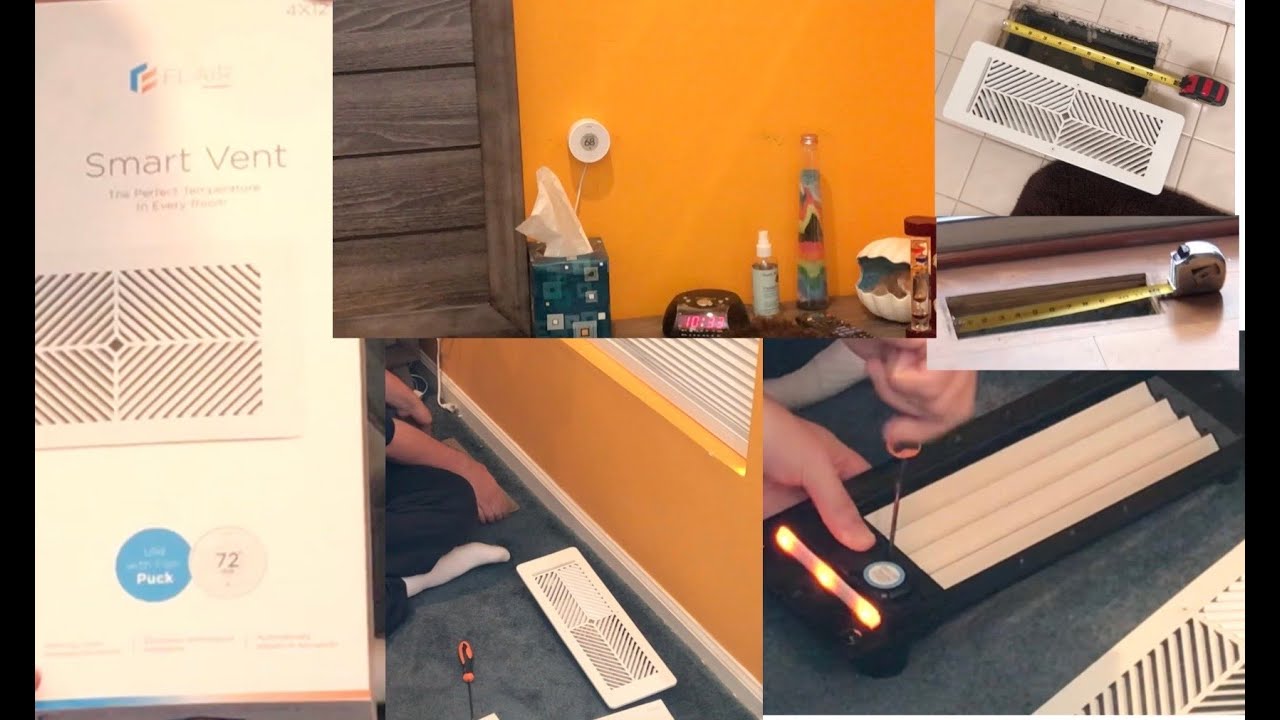
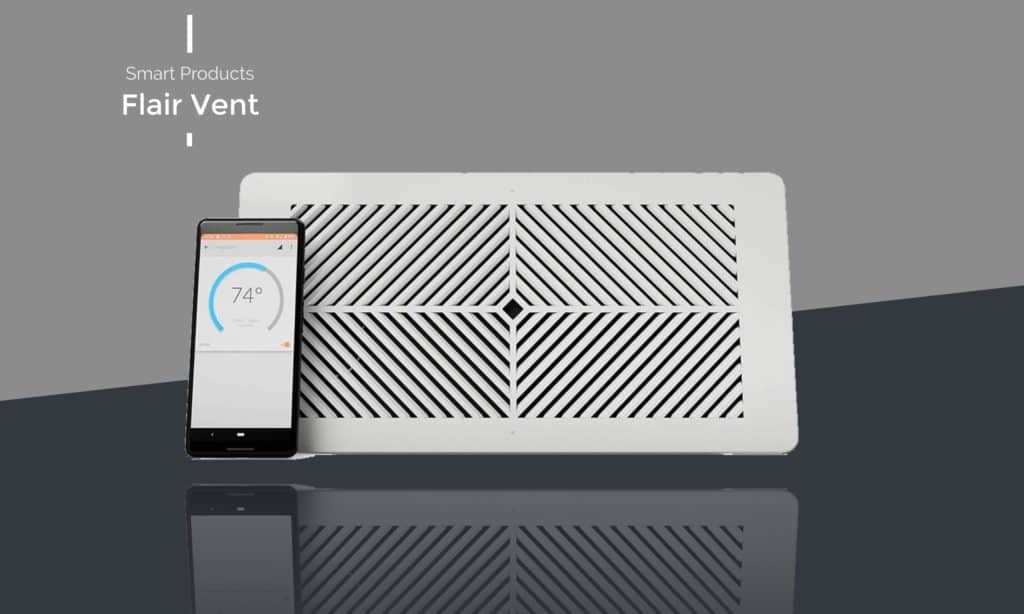
Flair Smart Vents are designed to address these imbalances. They are essentially electronically controlled dampers that replace your existing passive vents. They can open, close, or partially close based on temperature readings and user preferences, effectively redirecting airflow to where it's needed most.
Imagine a road with several lanes, and some of those lanes have barriers that can open and close. These barriers are controlled to direct the flow of traffic (air) to where it's needed, reducing congestion (temperature differences).
How Flair Smart Vents Work: The Key Components
The Flair system consists of several key components that work together to optimize airflow:
- Smart Vents: These are the core of the system. Each vent contains a motorized damper that can be controlled wirelessly. They also have built-in temperature and pressure sensors.
- Pucks (Temperature Sensors): These small, wireless sensors are placed in each room to accurately monitor the temperature. They communicate with the Smart Vents and the Flair app. Some Smart Vents have Puck functionality built in.
- Flair Bridge (Hub): This device acts as the central communication hub, connecting the Smart Vents and Pucks to your home's Wi-Fi network and the Flair cloud servers. It's the "mission control" for your Flair system.
- Flair App: The app allows you to control and monitor your system from your smartphone or tablet. You can set temperature preferences for each room, create schedules, and view real-time data.
These components communicate with each other wirelessly, creating a smart and responsive system that adapts to your home's unique heating and cooling needs.
The Process: From Temperature Reading to Airflow Adjustment
Here's a step-by-step breakdown of how Flair Smart Vents work:
- Temperature Monitoring: The Pucks (or Smart Vents with built-in Puck functionality) continuously monitor the temperature in each room.
- Data Transmission: The Pucks transmit temperature data wirelessly to the Flair Bridge.
- Data Analysis: The Flair Bridge sends the temperature data to the Flair cloud servers, where sophisticated algorithms analyze the information.
- Decision Making: Based on the temperature readings, your pre-set temperature preferences, and the system's algorithms, the Flair system determines which vents need to be opened, closed, or partially closed.
- Command Transmission: The Flair Bridge sends commands wirelessly to the Smart Vents, instructing them to adjust their dampers.
- Airflow Adjustment: The Smart Vents respond to the commands, adjusting their dampers to redirect airflow accordingly.
- Cycle Repeat: The process repeats continuously, constantly monitoring and adjusting airflow to maintain optimal temperature in each room.
Let's say your living room is consistently warmer than your bedroom. The Puck in your living room will report a higher temperature to the Flair Bridge. The Flair system will then instruct the Smart Vent in the living room to partially close, reducing airflow to that room. Simultaneously, the Flair system might instruct the Smart Vent in your bedroom to open further, increasing airflow and helping to cool down the room. This redirection of airflow helps to even out the temperature across your home.
Integration with Existing HVAC Systems
Flair Smart Vents are designed to work with most existing forced-air HVAC systems. They can integrate with both central air conditioning and furnace systems. However, it's important to check the compatibility of your specific system before purchasing Flair Smart Vents. Flair offers a compatibility checker on their website.
Furthermore, Flair can integrate with smart thermostats like Ecobee and Nest. This allows Flair to further optimize the system based on the thermostat's readings and schedules, creating a more cohesive and efficient smart home ecosystem. The Flair Bridge can also act as a smart thermostat, directly controlling the HVAC system.
Advanced Features and Functionality
Beyond basic temperature regulation, Flair Smart Vents offer a range of advanced features and functionalities:
- Pressure Balancing: Flair monitors the pressure in your ductwork to prevent over-pressurization, which can damage your HVAC system. If the pressure gets too high, Flair will automatically open vents to relieve the pressure.
- Scheduling: You can create schedules to automatically adjust temperature settings based on your daily routine. For example, you can set the temperature to be cooler in the bedrooms at night and warmer in the living areas during the day.
- Geofencing: Flair can use your smartphone's location to automatically adjust the temperature when you leave or return home. This can save energy by automatically turning down the heat or air conditioning when you're away.
- Manual Control: You can also manually control the vents through the Flair app, allowing you to fine-tune the system to your specific preferences.
- Reporting and Analytics: Flair provides detailed reports and analytics on your system's performance, allowing you to track energy usage and identify areas for improvement.
- Smart Mode: This mode automatically adjusts the vents based on the overall temperature and occupancy patterns in your home. It uses the data from all the sensors to maintain a comfortable and efficient environment.
Potential Benefits of Using Flair Smart Vents
Using Flair Smart Vents can offer several potential benefits:
- Improved Comfort: By eliminating hot and cold spots, Flair can create a more comfortable living environment for everyone in your home.
- Energy Savings: By optimizing airflow and reducing wasted energy, Flair can help you save money on your heating and cooling bills.
- Zone Control: Flair allows you to create individual zones in your home, allowing you to heat or cool only the rooms you're using.
- Remote Control: You can control your HVAC system from anywhere with the Flair app.
- Increased HVAC System Lifespan: By preventing over-pressurization and reducing strain on your HVAC system, Flair can potentially extend its lifespan.
Potential Drawbacks and Considerations
While Flair Smart Vents offer many benefits, there are also some potential drawbacks and considerations to keep in mind:
- Initial Cost: The initial investment in Flair Smart Vents can be significant, especially if you need to equip multiple rooms.
- Installation: While the installation process is generally straightforward, it may require some basic DIY skills. You may need to hire a professional if you're not comfortable with electrical wiring.
- Wi-Fi Dependency: Flair Smart Vents rely on a stable Wi-Fi connection to function properly. If your Wi-Fi is unreliable, the system may not work as expected.
- Battery Life: The Pucks and some Smart Vents are battery-powered, so you'll need to replace the batteries periodically.
- Compatibility Issues: While Flair is compatible with most HVAC systems, there may be some compatibility issues with certain systems. It's important to check the compatibility of your specific system before purchasing Flair.
Conclusion: Are Flair Smart Vents Right for You?
Flair Smart Vents offer a promising solution for improving comfort, saving energy, and creating a more intelligent home. By understanding how they work, the components involved, and the potential benefits and drawbacks, you can make an informed decision about whether they are the right choice for your needs.
If you're struggling with inconsistent temperatures, high energy bills, or simply want more control over your home's climate, Flair Smart Vents are worth considering. However, it's important to weigh the cost, installation requirements, and potential drawbacks before making a purchase.
Do your research, check compatibility, and consider your specific needs to determine if Flair Smart Vents are the right solution for optimizing your home's heating and cooling system.
.png)