How Does Hot Water Circulation Pump Work
Understanding Hot Water Circulation Pumps: A Homeowner's Guide
Hot water circulation pumps are becoming increasingly popular in modern homes for their ability to provide instant hot water at every tap. This eliminates the frustrating wait and water waste associated with traditional plumbing systems. But how do these pumps work, and are they the right choice for your home? This comprehensive guide will walk you through the mechanics, benefits, drawbacks, and factors to consider when choosing a hot water circulation pump.
The Basics: How They Work
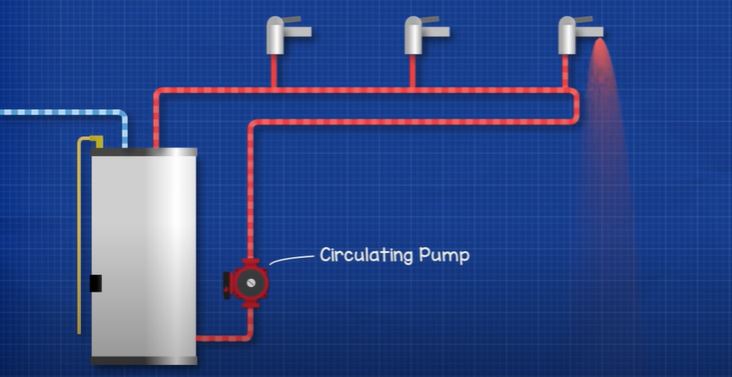
At its core, a hot water circulation pump is a small device designed to maintain a continuous loop of hot water within your plumbing system. In a traditional system, when you turn on a hot water tap, you have to wait for the cold water sitting in the pipes to be flushed out before the hot water from your water heater arrives. A circulation pump solves this problem by constantly circulating hot water from the water heater to the furthest fixture and back again.
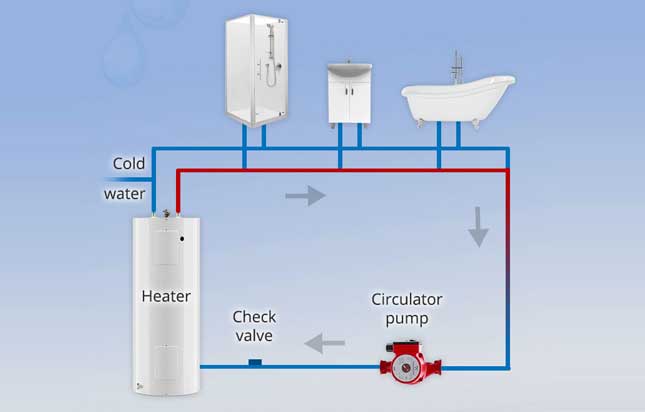
The key components of a hot water circulation system include:
- The Pump: This is the heart of the system, responsible for moving the water through the pipes.
- The Water Heater: The source of the hot water being circulated.
- The Plumbing Loop: The network of pipes through which the hot water circulates.
- Check Valve(s): Prevent backflow of water and ensure circulation in the correct direction.
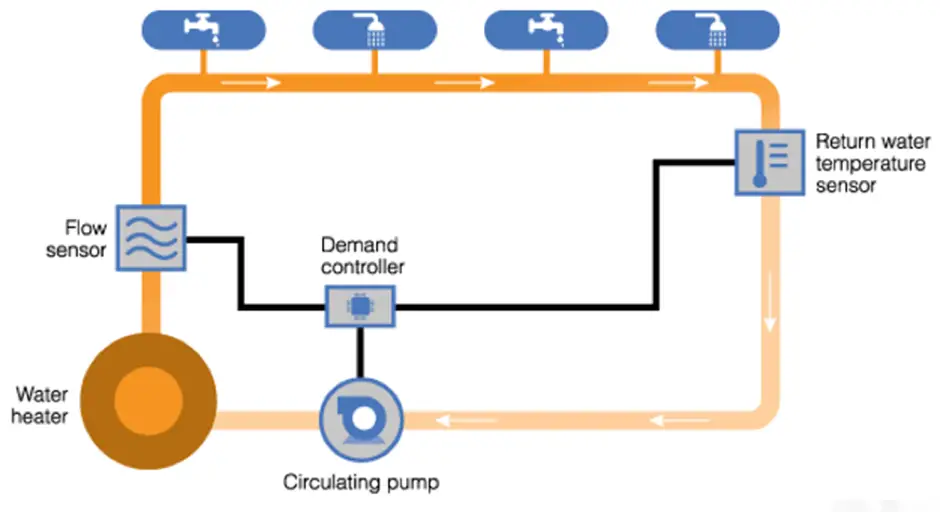
- Timer or Thermostat (Optional): Allows you to control when the pump operates, saving energy.
Here's a simplified breakdown of the process:
- The pump draws hot water from the outlet pipe of your water heater.
- The hot water is then pushed through the hot water supply lines in your home.
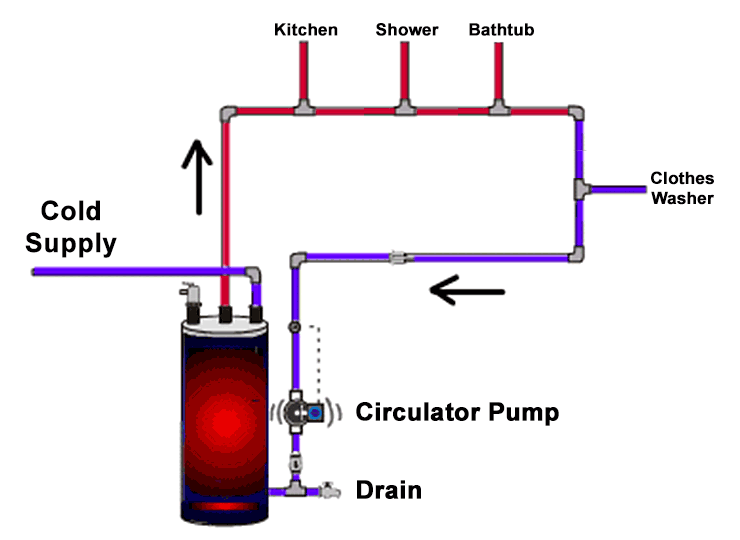
- At the furthest fixture, a special valve (or connection to the cold water line) allows the water to return to the water heater through a dedicated return line or the cold water line.
- The pump continuously repeats this cycle, ensuring hot water is always readily available.
Types of Hot Water Circulation Pumps
There are two main types of hot water circulation pumps:
1. Dedicated Return Line Systems
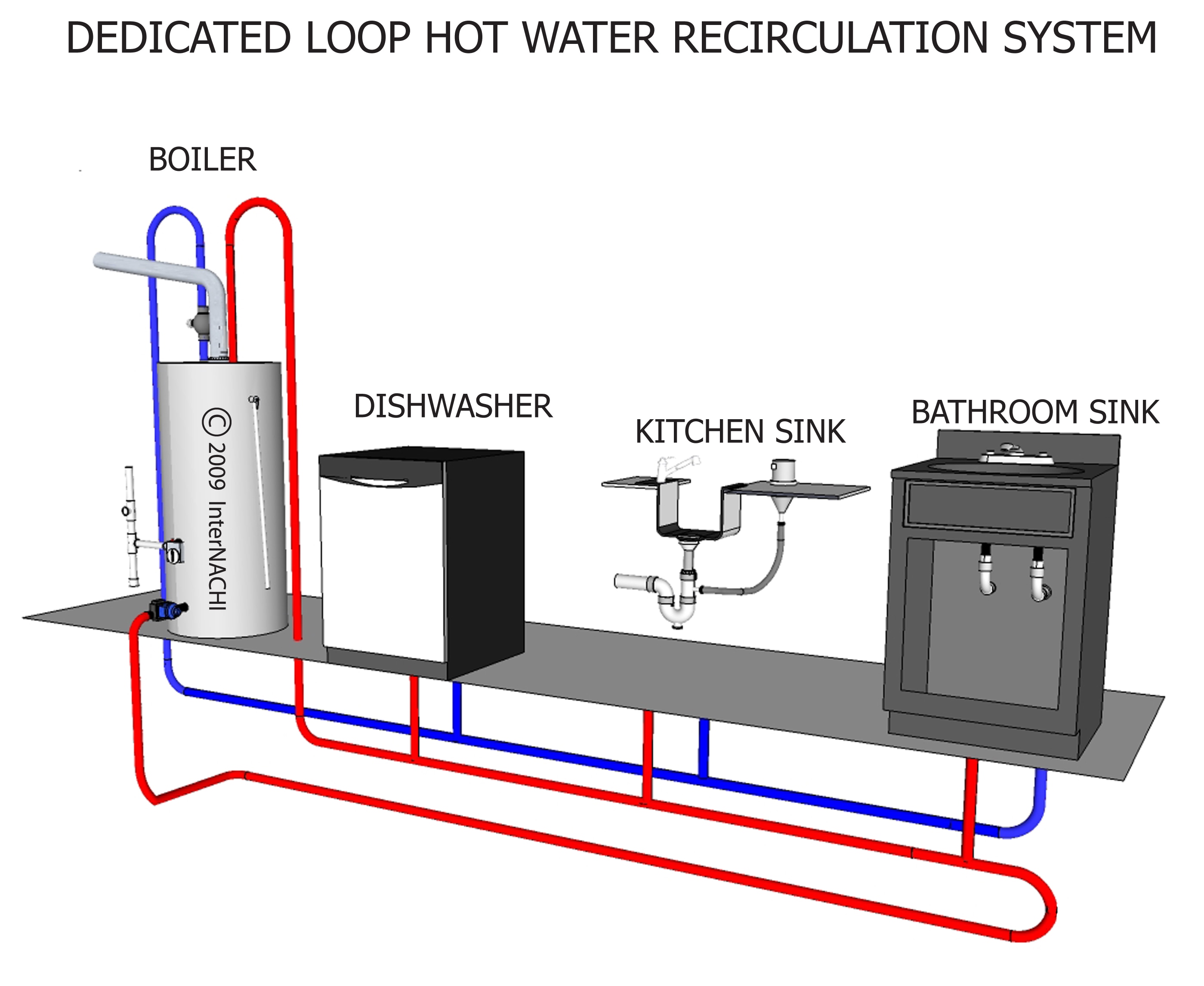
This is the most efficient and effective type of circulation system. It requires a dedicated return line running from the furthest fixture back to the water heater. This provides a closed loop exclusively for hot water circulation, minimizing heat loss and ensuring consistent temperature.
Pros:
- Most efficient and maintains consistent hot water temperature.
- Minimal risk of cross-contamination with the cold water supply.
- Ideal for new construction or extensive remodels where running a dedicated line is feasible.
Cons:
- More expensive to install due to the need for a dedicated return line.
- Requires more extensive plumbing modifications.
2. Comfort System (Retrofit) Pumps
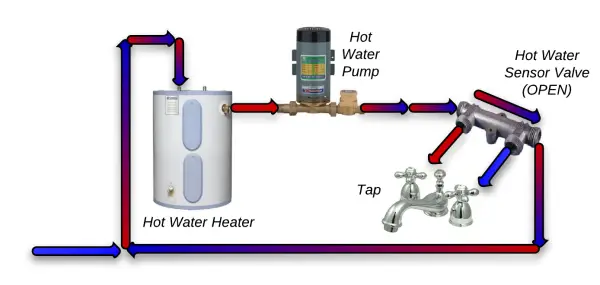
These pumps are designed for existing homes without a dedicated return line. They utilize the cold water line as the return path for the hot water. A special valve is installed under the sink of the furthest fixture that connects the hot and cold water lines. When the hot water pump is activated, it circulates water through the hot water lines and back to the water heater through the cold water line.
Pros:
- Easier and less expensive to install than dedicated return line systems.
- Suitable for retrofit applications where running a dedicated line is impractical.
Cons:
- Can lead to slightly cooler cold water temperatures as the cold water line is used for hot water return.
- May not be as efficient as dedicated return line systems due to heat loss in the cold water line.
- Some models can cause cross-contamination if not installed or maintained correctly.
Benefits of a Hot Water Circulation Pump
Investing in a hot water circulation pump offers several advantages:
- Instant Hot Water: The most obvious benefit is the elimination of waiting for hot water.
- Water Conservation: Reduces water waste by not having to run the tap while waiting for hot water. This can significantly lower your water bill.
- Energy Savings: While the pump itself consumes some energy, the reduction in water waste and the availability of hot water on demand can lead to overall energy savings, especially when combined with a timer or thermostat.
- Convenience: Provides a more convenient and comfortable experience, especially during colder months.
- Increased Home Value: Can be a selling point for potential buyers, particularly those concerned about water conservation and convenience.
Drawbacks and Considerations
While hot water circulation pumps offer numerous benefits, it's important to consider the potential drawbacks:
- Energy Consumption: Even though the pump consumes a relatively small amount of electricity, it can still add to your energy bill, especially if it runs continuously.
- Installation Costs: The initial cost of purchasing and installing a circulation pump can be significant, especially for dedicated return line systems.
- Maintenance: Circulation pumps require periodic maintenance, such as cleaning or replacing worn parts.
- Noise: Some pumps can be noisy, especially if they are not properly installed or if they are located near living areas. Look for pumps specifically designed for quiet operation.
- Potential for Scalding: If the water heater is set too high, instant hot water can increase the risk of scalding. Ensure your water heater is set to a safe temperature (around 120°F).
Choosing the Right Pump: Key Features and Considerations
When selecting a hot water circulation pump, consider the following factors:
- Pump Type: Dedicated return line or comfort system, depending on your plumbing setup and budget.
- Flow Rate: The pump's flow rate (measured in gallons per minute or GPM) should be sufficient for your home's plumbing system. Consult with a plumber to determine the appropriate flow rate.
- Pump Size: The size of the pump should be adequate for the length of your plumbing lines. A larger home with longer pipe runs will require a more powerful pump.
- Energy Efficiency: Look for pumps with energy-efficient motors and features like timers or thermostats to minimize energy consumption.
- Noise Level: Choose a pump that operates quietly, especially if it will be located near living areas.
- Durability and Reliability: Select a pump from a reputable brand with a good warranty.
- Installation Requirements: Consider the complexity of the installation process. Some pumps are easier to install than others, especially for retrofit applications.
- Control Options: Timers, thermostats, and on-demand activation buttons can help you control when the pump operates and save energy.
- Warranty: A good warranty provides peace of mind and protects you against potential defects.
Popular Brands and Models
Several reputable brands offer high-quality hot water circulation pumps. Some popular choices include:
- Taco: Known for their durable and reliable pumps, offering both dedicated return line and comfort system models.
- Grundfos: A global leader in pump technology, offering a wide range of energy-efficient circulation pumps.
- Watts: Offers a variety of pumps and accessories for both residential and commercial applications.
- Laing: Specializes in energy-efficient and quiet circulation pumps.
When comparing models, pay attention to the specifications mentioned above (flow rate, pump size, energy efficiency, noise level, etc.) and read reviews from other homeowners to get a sense of their real-world performance.
Installation and Maintenance
While some homeowners with plumbing experience may be able to install a hot water circulation pump themselves, it's generally recommended to hire a qualified plumber. A professional plumber can ensure the pump is properly sized, installed, and connected to your plumbing system.
Regular maintenance is essential to keep your circulation pump running smoothly and efficiently. This may include:
- Cleaning: Periodically clean the pump and impeller to remove debris and prevent clogging.
- Inspecting: Check the pump and plumbing connections for leaks.
- Replacing: Replace worn parts, such as seals or bearings, as needed.
Refer to the manufacturer's instructions for specific maintenance recommendations.
Is a Hot Water Circulation Pump Right for You?
The decision to install a hot water circulation pump depends on your individual needs and circumstances. Consider the following questions:
- Are you tired of waiting for hot water?
- Are you concerned about water waste?
- Do you have long plumbing runs to your fixtures?
- Are you willing to invest in the initial cost of installation?
- Are you comfortable with the potential energy consumption?
If you answered yes to most of these questions, a hot water circulation pump could be a worthwhile investment.
Pricing
The cost of a hot water circulation pump can vary depending on the type, size, brand, and installation complexity. Expect to pay anywhere from $100 to $500 for the pump itself, plus the cost of installation. Dedicated return line systems will generally be more expensive to install due to the need for additional plumbing work. Get quotes from multiple plumbers to compare prices and ensure you are getting a fair deal.
Conclusion
A hot water circulation pump can be a valuable addition to any home, providing instant hot water, reducing water waste, and increasing convenience. By understanding how these pumps work, the different types available, and the factors to consider when choosing a model, you can make an informed decision about whether a hot water circulation pump is right for your home.